Why Do Teeth Feel Loose? Causes and Next Steps
Why do teeth feel loose? Understand common causes, urgent warning signs and how prompt dental care can protect your smile, comfort and long-term health.
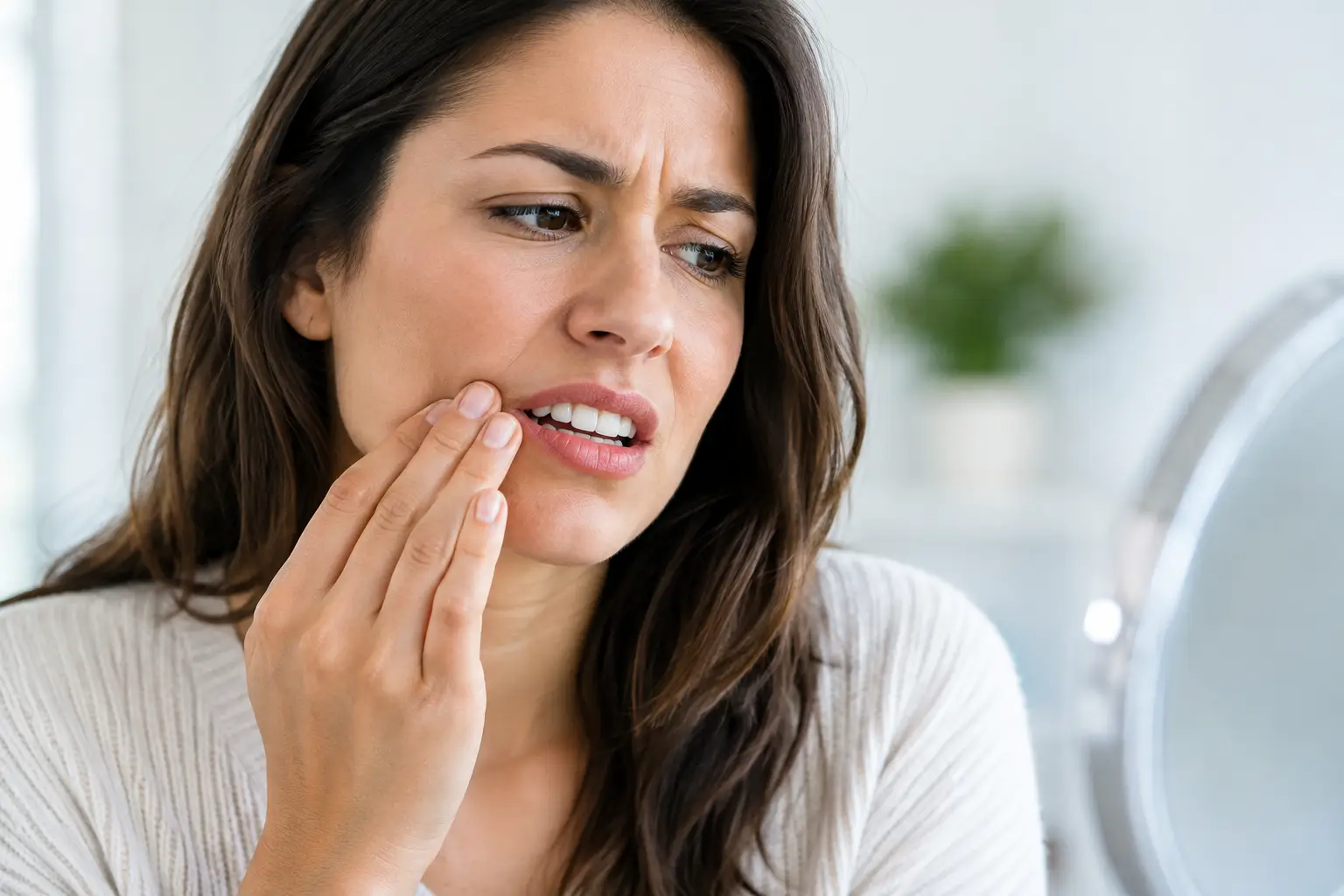
A tooth that suddenly seems to move can be unsettling, especially if it has never caused trouble before. If you are asking, why do teeth feel loose, the answer may range from a temporary irritation to a sign that the gums, bone or tooth itself needs prompt attention. A dentist can establish what is happening with a careful examination, rather than leaving you to worry or guess.
Adult teeth are designed to have a very small amount of natural movement. They are held in the jaw by fibres around the root, rather than being fixed rigidly in bone. Usually, that movement cannot be felt. When a tooth feels different, tender when biting, or visibly mobile, it is worth arranging a dental appointment.
Why do teeth feel loose in adults?
There is no single cause. Sometimes the sensation comes from pressure around the tooth rather than true looseness; in other cases, the supporting tissues have been affected. The timing, any pain or swelling, and whether one tooth or several teeth are involved all give useful clues.
Gum disease and loss of support
Gum disease is one of the most common reasons teeth become genuinely loose in adulthood. Plaque left around the gumline can cause inflammation. In its earlier stage, this may show as bleeding when brushing, redness, tenderness or persistent bad breath. It is often painless, which is why regular check-ups and hygiene appointments matter.
When gum disease progresses, the infection can affect the bone and fibres that hold teeth in place. Teeth may begin to feel longer, spaces can appear between them, or they may move when you eat. This is not something to ignore, but it does not automatically mean a tooth will be lost. Early assessment and a tailored programme of cleaning, home care and monitoring can help protect the support that remains.
Clenching, grinding and bite pressure
Some people wake with a tight jaw, headaches around the temples or teeth that feel sore or slightly mobile. Clenching and grinding, often during sleep, can place considerable force on teeth and the surrounding ligaments. Stress, disrupted sleep, certain medicines and an uneven bite can all contribute.
A tooth under repeated pressure may feel tender when you bite or tap it, even if it is not substantially loose. A dentist can look for wear patterns, small cracks and changes in the bite. Depending on the cause, advice may include a custom-made night guard, restoring a damaged tooth or managing factors that are encouraging grinding.
Injury or a hard bite
A fall, sporting knock, or biting unexpectedly on something hard can bruise the tissues around a tooth. The tooth may feel strange or loose for a few days afterwards, and it may not always hurt immediately. Even a seemingly minor knock deserves a dental check, particularly if the tooth changes colour, feels high when you close your teeth together, or becomes increasingly painful.
Prompt assessment allows the dentist to check for root damage, fractures and changes to the nerve inside the tooth. In some cases, a tooth may need to be stabilised while the surrounding tissues recover. Avoid testing it repeatedly with your tongue or fingers, as this can aggravate the area.
Infection at the root or around the gum
An infection can create pressure around a tooth, making it feel raised, tender or loose. You may notice pain on biting, swelling of the gum or face, a small pimple-like swelling on the gum, an unpleasant taste, or sensitivity that lingers after hot or cold drinks.
Dental infections need timely care. They do not reliably settle without treating the source, and they can worsen quickly. If swelling is spreading, you have difficulty swallowing or breathing, or you feel unwell with facial swelling, seek urgent medical help. For other new swelling or significant dental pain, contact a dentist as soon as possible for advice and an appointment.
Cracks, decay and failing restorations
Deep decay, a cracked tooth, or a large filling or crown that no longer fits well can alter how biting forces travel through a tooth. What feels like looseness may be a cracked cusp flexing under pressure, or a restoration moving independently of the tooth beneath it.
These problems can be difficult to spot at home. Pain that comes and goes when chewing, discomfort on releasing a bite, or a sharp response to cold are useful details to mention. Treatment depends on the extent of the damage and may involve a new filling, crown, root canal treatment or, where appropriate, discussing replacement options.
Orthodontic treatment and other temporary changes
Teeth are meant to move gradually during orthodontic treatment, including clear aligner treatment. A slight feeling of mobility can occur while teeth are being guided into a new position, but it should be discussed with your dentist or orthodontic provider if it feels pronounced, painful or unexpected.
Hormonal changes, including pregnancy, can also make gums more prone to inflammation and bleeding. This does not usually make teeth loose on its own, but existing gum disease may become more noticeable. Gentle, thorough cleaning and routine dental care remain particularly valuable at this time.
How to tell if a loose tooth needs urgent attention
It is sensible to arrange a routine appointment for any persistent feeling of tooth movement. However, some symptoms call for more urgent advice. Contact a dentist promptly if a tooth becomes loose after an injury, if you have swelling, severe pain, pus, fever, or a tooth that has visibly shifted position.
A knocked-out adult tooth is a dental emergency. Hold it by the crown, not the root, and if it is dirty, rinse it gently in milk or saline without scrubbing. If possible, place it back into the socket and bite softly on clean gauze. If this is not possible, keep it in milk or in your cheek if safe to do so, then seek emergency dental care immediately. Time can make a real difference.
What to do while you wait for your appointment
Try not to wiggle the tooth to check whether it is moving. This can irritate already inflamed tissues and make the sensation more noticeable. Choose softer foods for a day or two, chew on the other side where possible, and avoid very hard, sticky or crunchy foods.
Keep brushing twice daily with a fluoride toothpaste, using a soft brush and careful pressure around the gumline. If gums are bleeding, do not stop cleaning them altogether - bleeding is often a sign of inflammation, and plaque removal is part of improving it. Clean between teeth daily if you can do so comfortably. Warm salt-water rinses may soothe sore gums, but they are not a substitute for assessment or treatment.
Over-the-counter pain relief may help if it is suitable for you, but follow the packet instructions and speak to a pharmacist if you take other medicines or have medical conditions. Do not place aspirin or other tablets directly on the gum, as this can cause a chemical burn.
What a dentist will check
At an appointment, the dentist will ask when you first noticed the problem and whether it followed pain, illness, injury or a change in your bite. They will examine the gums, measure any signs of gum disease, assess how the tooth responds to pressure and, where needed, take an X-ray to look at the roots and supporting bone.
The treatment plan should be based on the cause rather than on the symptom alone. It might be as straightforward as professional cleaning and improved gum care, or it may involve treating infection, protecting a tooth from grinding, repairing damage or stabilising a traumatised tooth. When a tooth cannot be saved, there are considered ways to restore function and appearance, including bridges, dentures and dental implants. The right choice depends on your oral health, the position of the tooth, budget and long-term goals.
At 4 Great Stuart Street, patients can expect a calm assessment and clear explanation of the options available, including support for urgent dental concerns. The aim is to preserve healthy teeth wherever possible and help you make a well-informed decision without pressure.
A loose-feeling tooth is not a reason for panic, but it is a reason to listen to what your mouth is telling you. Booking an examination early gives you the best chance of addressing the cause simply, comfortably and with your long-term oral health in mind.