Can Teeth Whitening Damage Enamel? The Facts
Can teeth whitening damage enamel? Learn what professional and at-home whitening can do, how to reduce sensitivity and when to speak to your dentist first.
A brighter smile can feel like a small but meaningful change, particularly before a wedding, an important meeting or simply when you are tired of hiding your teeth in photographs. But it is sensible to ask, can teeth whitening damage enamel? The short answer is that dentist-supervised whitening, used as directed, is not considered harmful to healthy enamel. Problems are more likely when unsuitable products are used too often, treatment is continued beyond the recommended period, or underlying dental issues have not been assessed first.
Whitening should be approached as part of good long-term dental care, rather than as a quick cosmetic fix. A proper assessment helps make treatment safer, more comfortable and more likely to give an even result.
What whitening treatment actually does
Enamel is the hard outer layer of a tooth. Although it is remarkably strong, it cannot grow back once it has been lost. Beneath it sits dentine, a naturally more yellow layer which can influence the overall shade of your teeth.
Most effective whitening treatments use a peroxide-based gel. The active ingredient passes through the enamel and breaks down the coloured molecules that have built up within the tooth over time. This is different from physically scrubbing, filing or bleaching away enamel. When used correctly, whitening changes the appearance of stains rather than removing the enamel itself.
You may notice that teeth look especially bright immediately after treatment. Part of this early change can be temporary dehydration of the tooth surface. Your final shade is best judged a few days after completing the course, once the teeth have rehydrated naturally.
Can teeth whitening damage enamel when used incorrectly?
The answer can change when whitening is overused or carried out without professional guidance. Strong products, poorly fitting trays and repeated applications can irritate the gums and make teeth feel temporarily more sensitive. They may also affect the very outer surface of enamel for a short time, especially if products are used more frequently or for longer than instructed.
This does not mean that every episode of sensitivity signals permanent damage. Sensitivity is common during whitening because the active gel can temporarily stimulate the nerve inside the tooth. It usually settles soon after treatment stops. However, persistent pain, a sharp reaction to hot or cold, or sore, white patches on the gums are reasons to pause treatment and contact a dentist.
The greater concern is often not whitening alone, but whitening teeth that already have an issue. Cracked teeth, leaking fillings, tooth wear, gum recession and untreated decay can all make treatment uncomfortable or unpredictable. A whitening gel cannot repair these problems, and it may reach sensitive areas more easily where enamel or gum protection has been lost.
Why over-the-counter treatments can be unpredictable
Not all whitening products are alike. Whitening toothpastes mainly remove surface staining through polishing ingredients. Used gently, they can help maintain a cleaner-looking smile, but highly abrasive pastes used repeatedly may contribute to wear, particularly if you brush with too much pressure.
Whitening strips, gels and kits bought online can be more variable. The ingredients, strength, instructions and fit may not be appropriate for your teeth. A tray that presses gel onto the gums can cause irritation, while a product that fails to cover the teeth evenly can leave patchy results. Products sold outside regulated channels may not contain what their packaging suggests.
In the UK, whitening with hydrogen peroxide above very low levels must be provided by, or under the direct supervision of, a registered dental professional. This is designed to protect patients, not to make whitening unnecessarily complicated. Your dentist can check that the product is suitable, explain how to use it safely and help if sensitivity develops.
A dental examination comes before a whiter smile
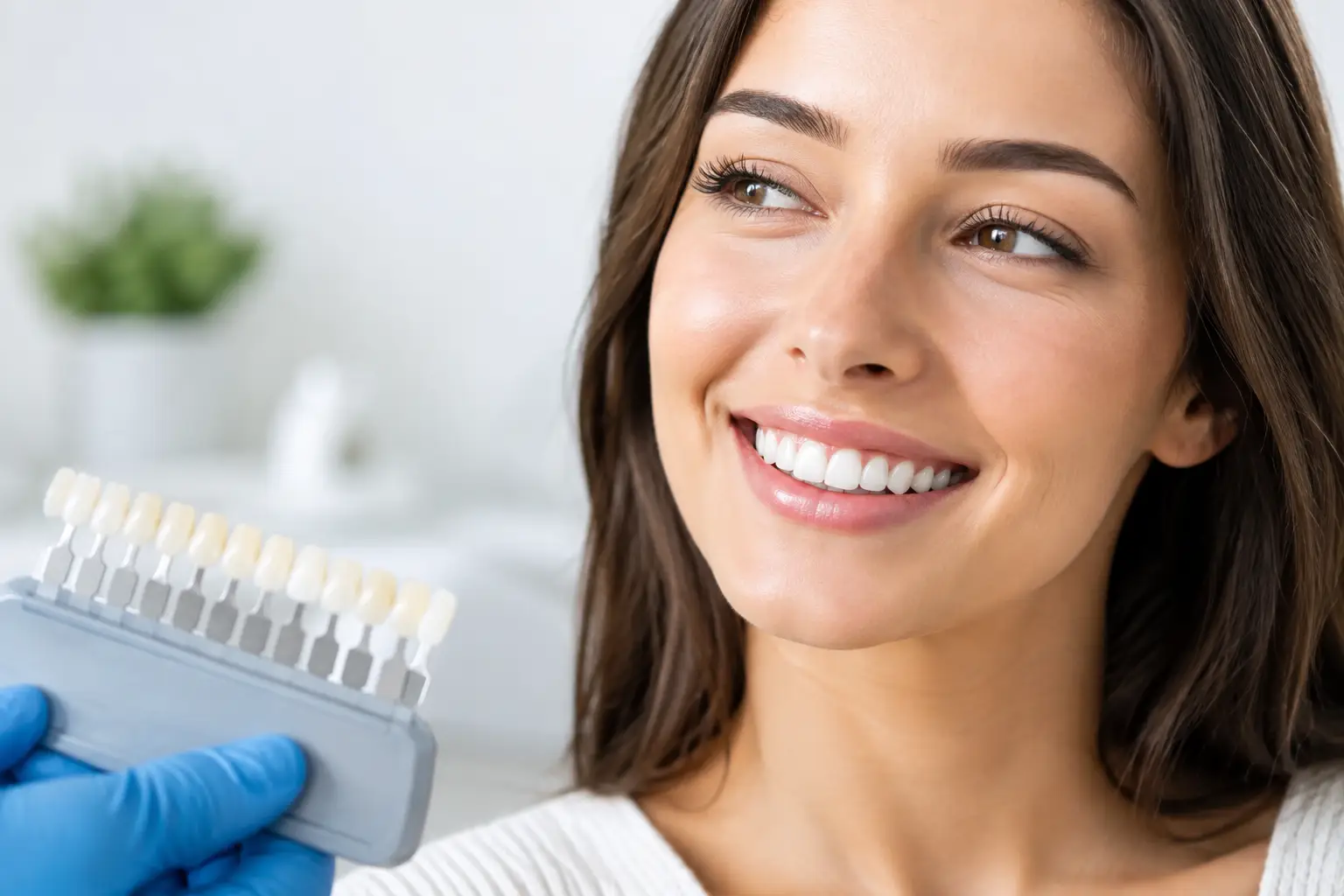
Before whitening, your dentist will look at the condition of your teeth and gums, as well as the type of staining you have. Some discolouration responds very well to whitening, such as staining linked to tea, coffee, red wine or smoking. Other changes may need a different approach.
For example, a single dark tooth following an old injury, grey discolouration from within the tooth, or visible white patches may not improve in the same way as general yellowing. Your dentist may discuss alternatives or additional treatment so that expectations are realistic.
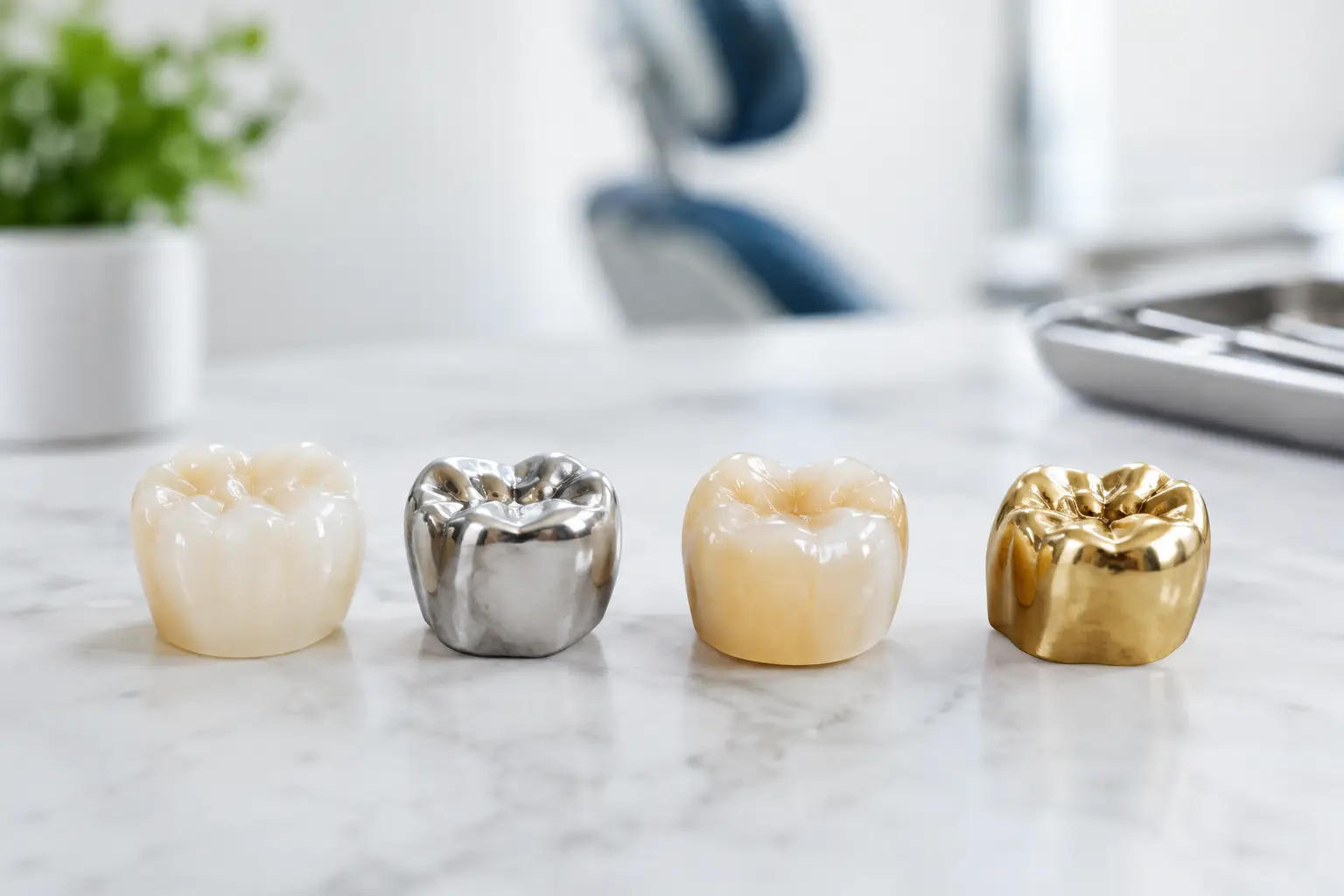
It is also worth knowing that whitening does not change the colour of crowns, veneers, composite bonding, fillings or dentures. If these are visible when you smile, a dentist can help plan the order of treatment. Often, whitening natural teeth first allows any replacement restorations to be matched to the new shade later.
How to protect enamel and reduce sensitivity
The safest route is a professional whitening plan tailored to your mouth. Custom trays are made to fit closely over your teeth, helping the gel stay where it is needed and reducing contact with the gums. Your dentist can recommend an appropriate strength and wearing schedule rather than relying on a one-size-fits-all routine.
During treatment, follow the instructions closely. More gel does not whiten teeth faster, and wearing trays for longer than advised is not a worthwhile trade-off for the increased risk of irritation. If your teeth become sensitive, your dentist may recommend taking a break for a day or two, shortening wear times or using a toothpaste formulated for sensitivity.
Good daily habits matter as well. Use a soft toothbrush and a fluoride toothpaste, and avoid brushing immediately after acidic food or drinks. Give your mouth around an hour before brushing after orange juice, fizzy drinks or wine, as enamel is temporarily softer following acid exposure. This advice protects your teeth whether you whiten or not.
It can also help to limit strongly coloured food and drink during treatment, particularly in the first couple of days after each application. Tea, coffee, curry, berries and red wine do not need to be avoided forever, but moderating them can help you maintain your result for longer.
When whitening may need to wait
Whitening is not always the right next step. It may be better postponed if you have active decay, gum disease, significant tooth sensitivity, exposed roots or a broken restoration. Pregnancy and breastfeeding are also times when dentists commonly advise deferring elective whitening, simply because there is limited evidence on its use during these periods.
Children and young people under 18 should not have peroxide-based tooth whitening for cosmetic reasons. If a younger patient has a specific dental concern, it should be assessed individually by a dentist.
The difference between a clean smile and a whiter one
A professional hygiene appointment can remove plaque, tartar and external staining, sometimes making teeth appear noticeably brighter without changing their natural shade. This is often a valuable first step, particularly if staining is concentrated around the gum line or between teeth.
Whitening can then be considered if you would like to lighten the natural colour further. Starting with healthy gums and clean tooth surfaces gives both you and your dentist a clearer view of what whitening can realistically achieve.
At 4 Great Stuart Street, we take a measured approach to cosmetic treatment. A whiter smile should still look like your smile, and it should never come at the expense of comfort or oral health. We will talk through the condition of your teeth, the likely outcome and the practical steps for keeping your result looking fresh.
A well-planned whitening treatment should feel reassuring, not risky. If you are thinking about brightening your smile, begin with a dental assessment and give your enamel the same care as the appearance you hope to achieve.