Crown Material Comparison for Your Smile
Our crown material comparison explains porcelain, ceramic, metal and zirconia crowns, helping Edinburgh patients choose a durable, natural-looking option.
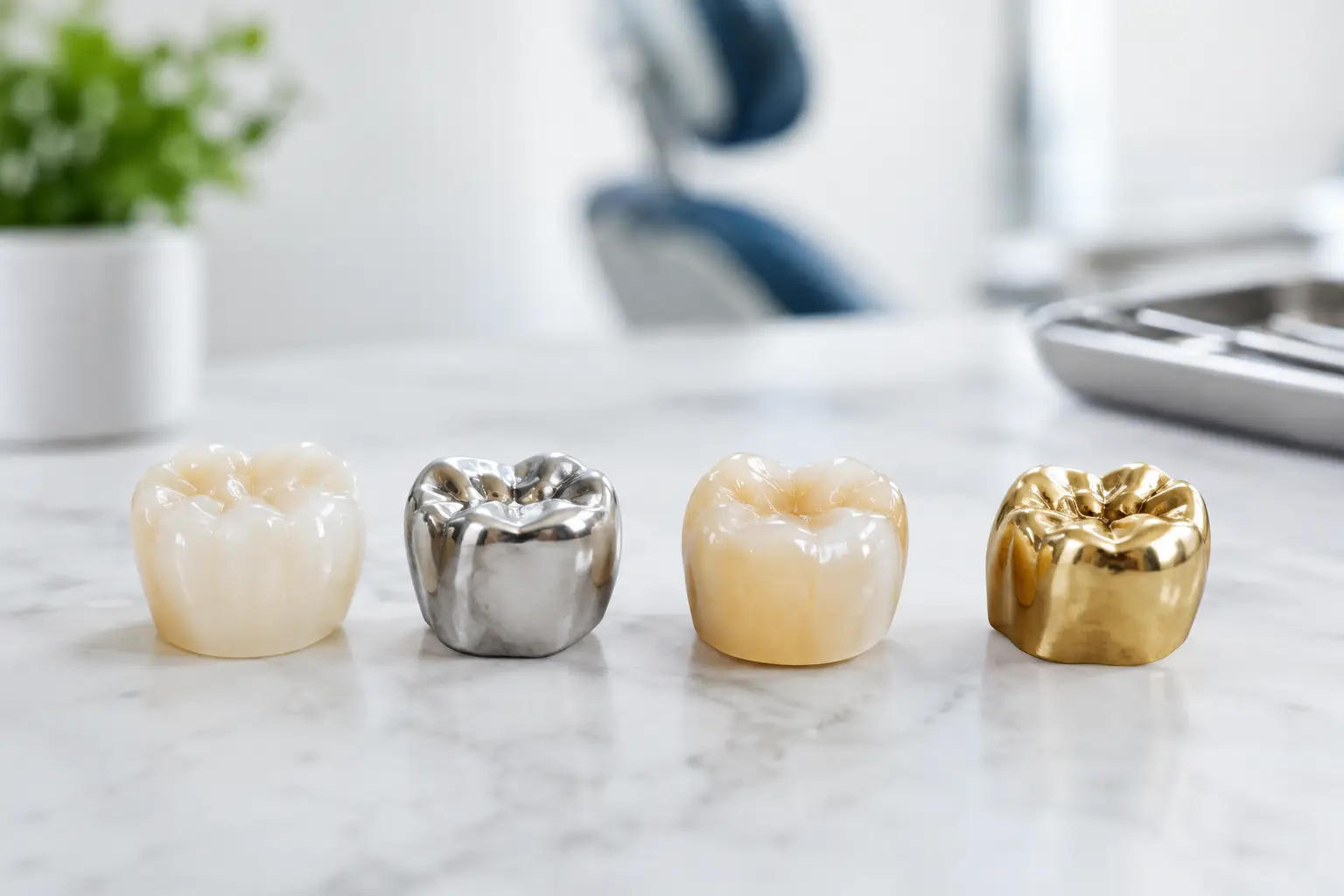
A crown has to do two jobs at once: protect a weakened tooth through thousands of bites each day, while looking at home among the teeth around it. That is why a crown material comparison is not simply a question of choosing the whitest or strongest option. The best choice depends on the tooth being restored, the amount of healthy tooth remaining, your bite, and what matters most to you.
A carefully planned crown can restore comfort, confidence and function for many years. At the same time, every material has advantages and limitations. A good dentist will explain those trade-offs clearly, rather than presenting one type of crown as right for everyone.
What a dental crown is designed to do
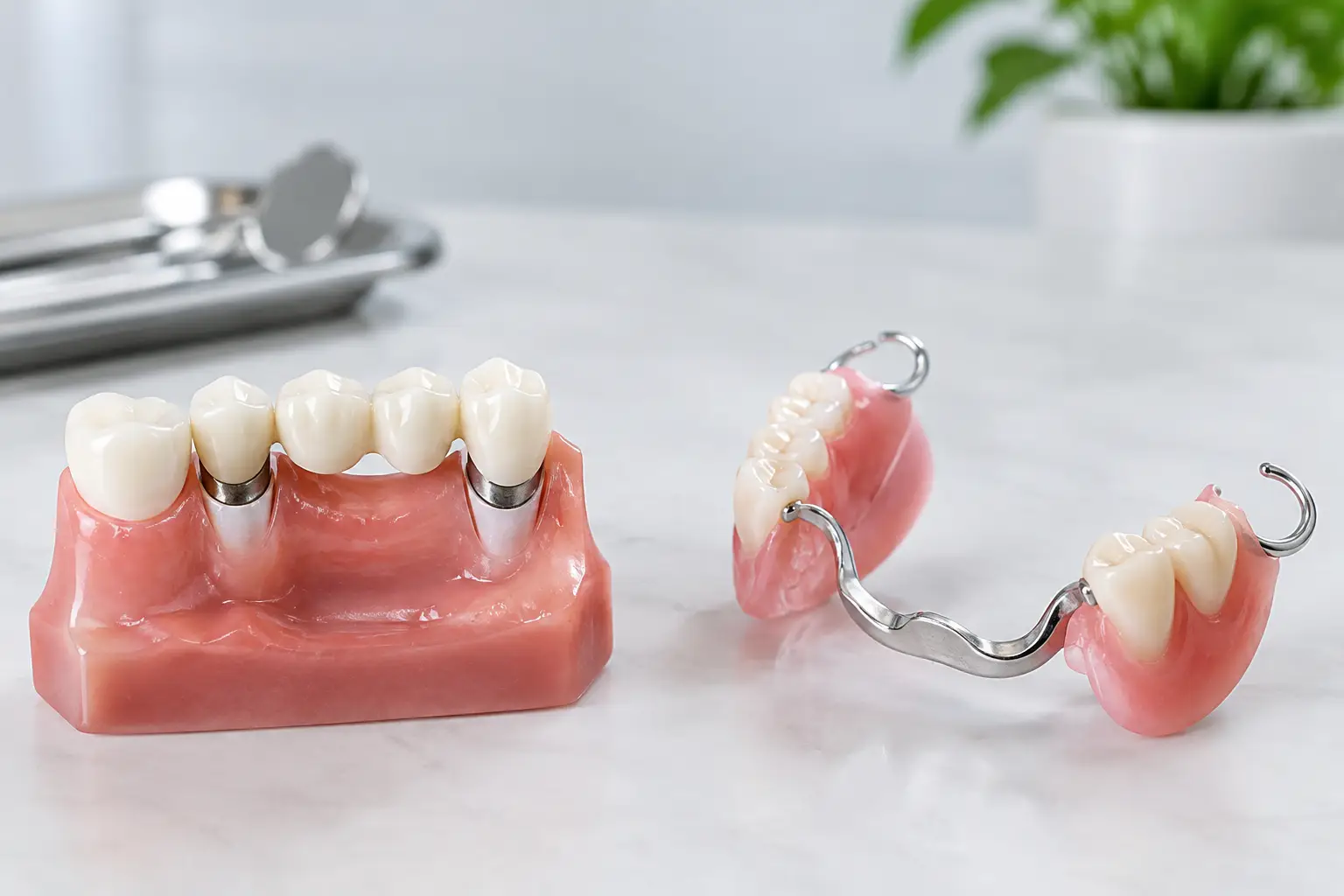
A dental crown is a custom-made covering that fits over the visible part of a prepared tooth. It may be recommended when a tooth has been weakened by a large filling, decay, fracture or root canal treatment, or when its shape and appearance need to be rebuilt. Crowns can also be used as part of a bridge or attached to an implant.
Before discussing materials, the condition of the tooth comes first. A crown cannot compensate for untreated decay, active gum disease or a crack extending too far below the gum line. Your dentist will assess the tooth, the supporting bone and gums, the space available, and how your teeth meet when you bite.
The amount of preparation required can vary. Stronger materials may sometimes be used more thinly, helping preserve tooth structure where appropriate. However, the most conservative option is not automatically the most suitable one. A lasting result comes from sound diagnosis, careful preparation, a precise fit and good daily cleaning as much as it does from the material itself.
Crown material comparison: the main options
All-ceramic and porcelain crowns
All-ceramic crowns are valued for their lifelike appearance. Modern ceramics can be layered and shaded to reflect the translucency, colour and surface texture of natural enamel. This makes them a particularly good choice for front teeth, where small differences in appearance can be noticeable in conversation or photographs.
The term porcelain is often used broadly. Some crowns are made entirely from ceramic, while others use porcelain layered over a stronger inner framework. The ideal ceramic depends on the position of the tooth and the forces it needs to withstand.
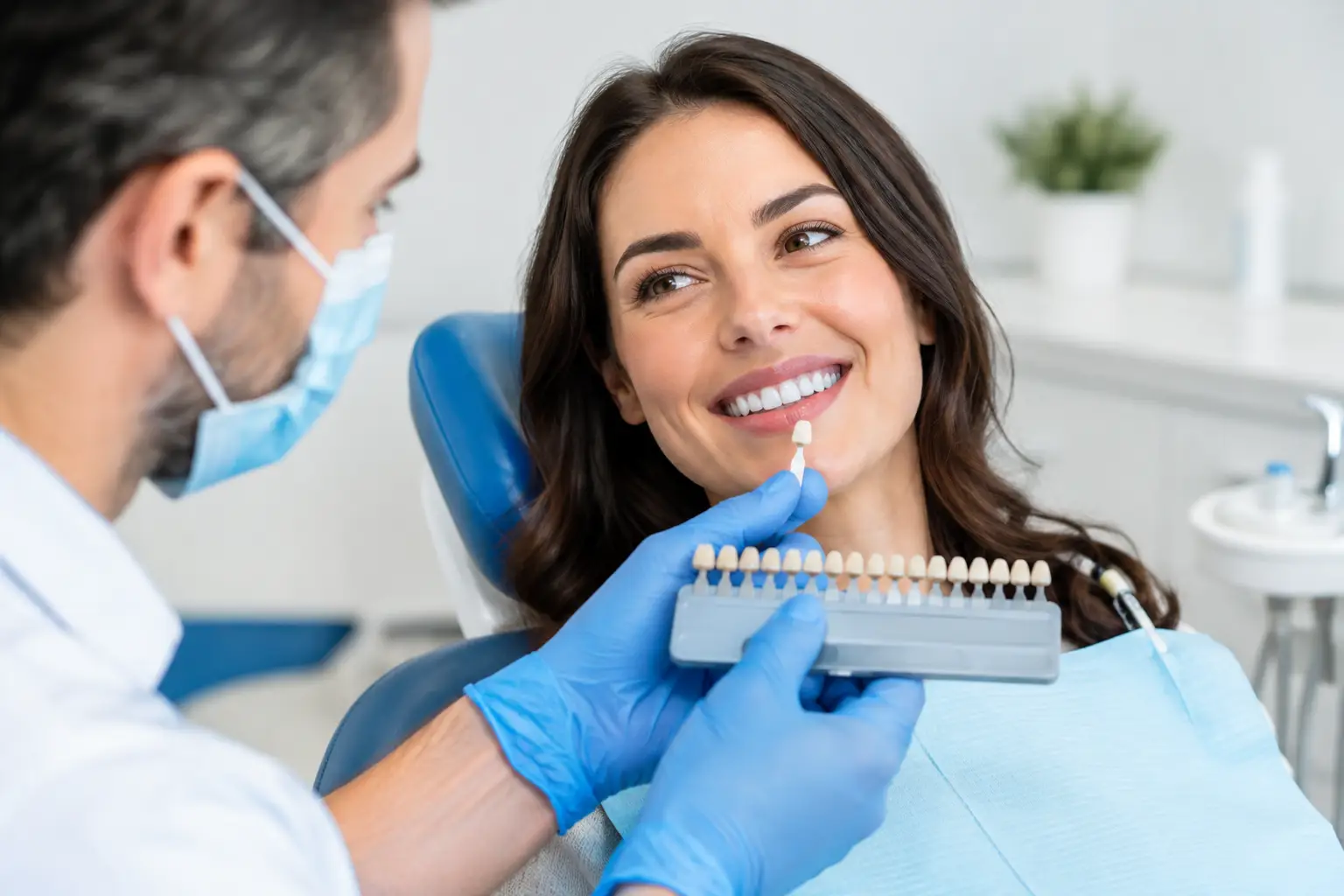
Appearance is the principal advantage, but ceramic is not indestructible. It can chip or fracture under excessive force, particularly for people who clench or grind their teeth. A night guard may be advisable if grinding is a concern. Matching a crown to neighbouring teeth is also an artistic process, so it is sensible to discuss the shade before treatment begins, especially if you are considering tooth whitening.
Zirconia crowns
Zirconia is a high-strength ceramic that has become a popular option for back teeth and, increasingly, for visible teeth too. It does not contain metal and can be made in natural-looking shades. Newer forms of zirconia offer improved translucency, providing a balance between strength and appearance.
For molars, where biting pressures are greatest, zirconia may be an excellent choice. It is also useful where there is limited room between the opposing teeth or where a patient has a history of breaking restorations. Some highly strong zirconia can look slightly more opaque than carefully layered porcelain, though this may be of little concern at the back of the mouth.
The surface finish matters. A properly polished, well-adjusted zirconia crown should be kind to the tooth it bites against. Like any crown, it needs regular review so that changes in your bite or wear can be identified early.
Porcelain-fused-to-metal crowns
Porcelain-fused-to-metal crowns have a metal substructure for strength, with tooth-coloured porcelain on the outside. They have a long clinical history and can be a dependable option, especially in areas that require substantial support.
Their main compromise is cosmetic. Over time, a fine dark line can sometimes become visible near the gum margin, particularly if gums recede. The metal beneath can also limit the light-transmitting quality that makes natural teeth look alive. For a back tooth, this may not matter; for a prominent front tooth, an all-ceramic solution is often preferred where suitable.
There is also a possibility that the porcelain facing may chip, revealing the metal underneath. In some cases this can be polished or repaired, but the extent of damage determines whether replacement is needed.
Full metal and gold alloy crowns
Full metal crowns, including gold alloy options, remain among the most durable restorations available. They are very resistant to wear and can often be made with less removal of healthy tooth tissue than some other crown types. Their smooth surface can be gentle on the opposing teeth, and they are especially practical for molars that are not visible when you smile.
The obvious drawback is appearance. Most patients do not want a visible metal crown, even if it offers excellent function. There are also different alloys, so your dentist will take account of any known sensitivities and discuss the material used.
A gold-coloured crown is not a lesser choice medically. For the right patient and location, it can be a highly conservative, long-lasting restoration. It simply reflects a different priority: function and durability over a tooth-coloured finish.
Which crown material suits which tooth?
Front teeth usually place appearance high on the list. An all-ceramic crown may offer the most natural result, but the decision still depends on bite forces, the darkness of the underlying tooth and the amount of tooth structure available. In some situations, a stronger framework beneath porcelain may be necessary.
Premolars sit between the cosmetic and functional zones. They can show when you smile but also take considerable chewing pressure. Zirconia, high-strength ceramic or porcelain-fused-to-metal may all be considered, depending on your individual requirements.
Molars are built for force. Zirconia and full metal are often strong contenders, while other materials may be suitable where there is enough space and the bite is favourable. If you have a heavy bite, clench your teeth or have previously fractured crowns, this will have a meaningful influence on the recommendation.
Implant crowns require an additional level of planning. The material, how the crown is retained, the bite and the appearance of the gum around the implant all need to work together. The right answer may differ from what would be selected for a crown on a natural tooth.
Appearance, strength and cost: weighing the trade-offs
Patients often ask which material lasts longest. There is no honest single answer. A crown may last many years, but its lifespan is affected by decay developing at the edge of the crown, gum health, biting habits, diet, oral hygiene and regular dental care. Even the strongest crown cannot protect a tooth from every problem.
Cost also varies because materials, laboratory techniques and the time required to achieve a precise result differ. A crown that appears less expensive initially may not be better value if it does not meet the functional or aesthetic needs of the tooth. Conversely, the most premium-looking material is not always necessary for a hidden molar.
It is reasonable to ask about alternatives, expected fees and what each option is intended to achieve. A discussion should feel unhurried and transparent. For some teeth, more than one material may be clinically suitable, leaving room for your preferences. For others, the shape of your bite or the condition of the tooth may make one option clearly safer.
Caring for any type of crown
Crowns do not decay, but the natural tooth at the crown margin still can. Brush twice daily with fluoride toothpaste and clean between your teeth every day using interdental brushes or floss, according to your dentist's advice. Pay particular attention where the crown meets the gum.
Avoid using crowned teeth to open packaging or bite hard objects. If you wear a night guard, use it consistently. Contact your dentist if a crown feels high when biting, becomes loose, chips, or causes persistent sensitivity. Small changes are often easier to address before they become more complicated.
Regular examinations and hygiene appointments allow the crown, gum tissues and neighbouring teeth to be checked together. This is particularly valuable because a crown should support the health of the whole mouth, not just improve one tooth.
Making a choice you can feel comfortable with
The right crown should not feel like a compromise you were asked to make quickly. It should be a considered response to your tooth, your smile and the way you use your teeth every day. At 4 Great Stuart Street, the conversation begins with careful assessment and a clear explanation of the options, so you can make a decision with confidence.
If you are considering a new crown or replacing an older one, bring your questions to the appointment. Understanding why a particular material is recommended is often the most reassuring part of choosing it.