A Guide to Replacing Old Fillings Safely
Our guide to replacing old fillings explains when treatment may help, what to expect and how your dentist chooses a safe, natural-looking repair for you.

A filling can look unchanged for years while the tooth around it gradually changes. Small gaps at the edge, wear from chewing or decay beneath an older restoration are not always visible in the mirror, and they may cause no discomfort at first. This guide to replacing old fillings explains when a replacement may be sensible, what happens at an appointment and how to make a considered decision with your dentist.
When do old fillings need replacing?
Fillings are designed to restore a tooth, not to last indefinitely. Their lifespan depends on the material used, the size and position of the filling, your bite, diet and oral hygiene. A small filling in a low-pressure area may last many years, while a larger restoration on a back tooth can be exposed to substantial chewing forces every day.
A filling does not need to be replaced simply because it is old. If it remains well sealed, the tooth is healthy and there are no signs of fracture or decay, leaving it in place is often the most conservative approach. Replacing a sound filling unnecessarily can mean removing more healthy tooth structure.
Your dentist may recommend further assessment or replacement if they identify a crack, leakage around the filling, recurrent decay, significant wear or a broken edge. X-rays can be particularly useful for checking between teeth and beneath restorations, where changes cannot be seen clearly during an examination.
Symptoms can prompt a visit, but they are not the only sign. Arrange a dental check-up if you notice any of the following:
- pain or sensitivity when biting, eating something sweet, or drinking hot or cold drinks
- a sharp or rough edge that catches your tongue, floss or food
- a dark line, visible gap or a piece of filling that has broken away
- food repeatedly trapping around one tooth
- discomfort, swelling or a change in the way your teeth meet
These signs do not automatically mean that a filling needs replacing. Sensitivity can have several causes, including gum recession or a small crack in the tooth. A careful examination is the right starting point.
Guide to replacing old fillings: the appointment
The process is usually straightforward and is planned around the condition of the tooth, rather than the age of the filling alone. Your dentist will first discuss any symptoms, examine the tooth and surrounding gums, and take an X-ray where this will help clarify what is happening beneath or between teeth.
If replacement is appropriate, local anaesthetic is normally used to keep you comfortable. The old filling and any weakened or decayed tooth structure are removed carefully. The dentist then cleans and prepares the tooth before placing the new restoration. How long this takes depends largely on the size and location of the filling, but many replacements can be completed in one routine appointment.
For a tooth-coloured composite filling, the material is placed in layers and hardened with a curing light. It is then shaped and polished so that it feels comfortable and blends naturally with your tooth. Your dentist will check your bite before you leave. If the filling feels high once the numbness has worn off, contact the practice, as a small adjustment can usually resolve this quickly.
It is normal for a tooth to feel mildly sensitive for a short period after treatment, especially if the original filling was deep or large. This should steadily improve. Persistent pain, pain on biting, swelling or sensitivity that worsens should be assessed without delay.
Choosing the right replacement material
There is no single best material for every filling. The choice should balance appearance, durability, the amount of tooth remaining, your bite and the long-term health of the tooth.
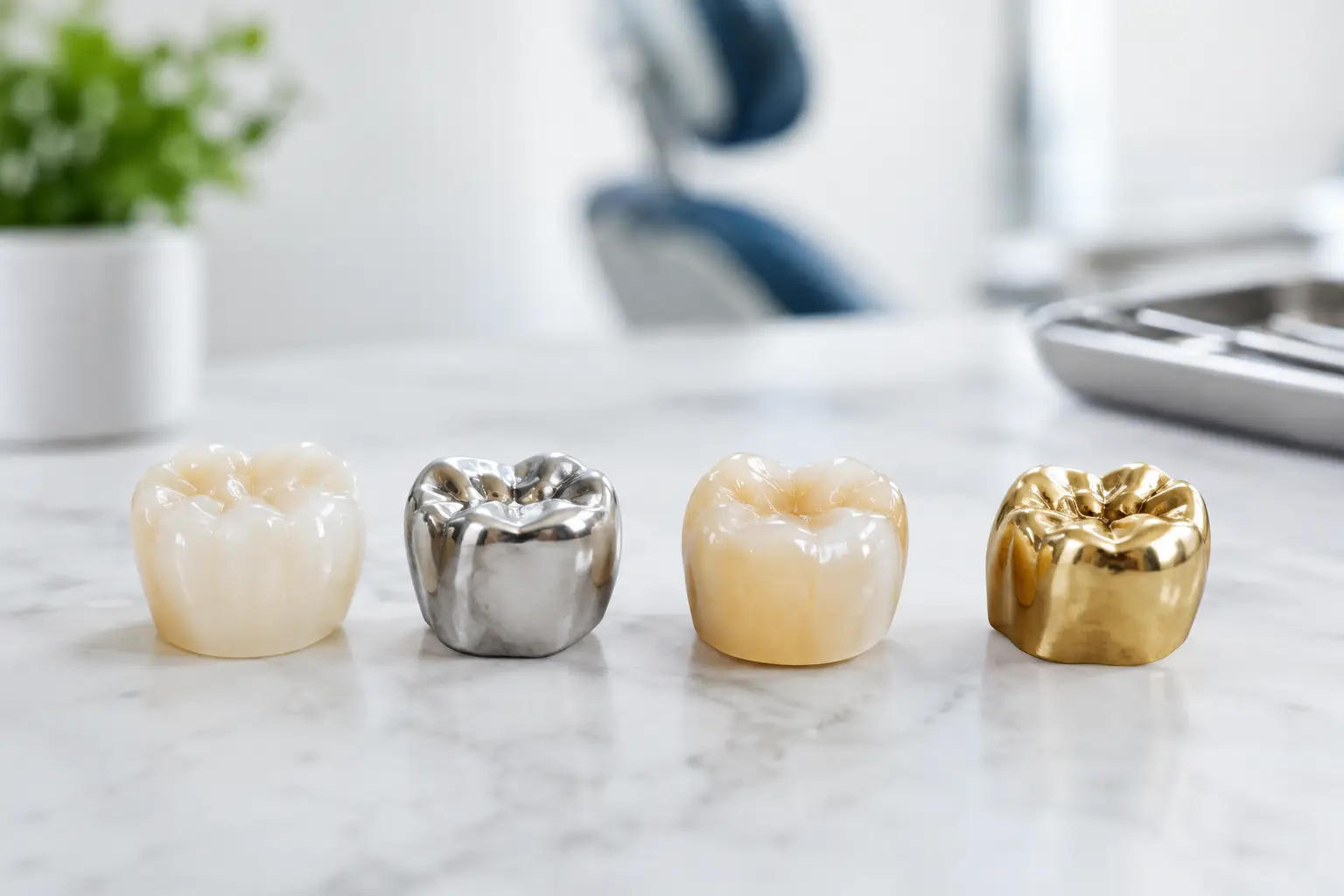
Composite is a tooth-coloured material that can be closely matched to the natural shade of your teeth. It is widely used for visible teeth and many smaller to medium-sized fillings in back teeth. It allows the dentist to preserve more natural tooth tissue in certain cases, although larger composite restorations may be more prone to wear or staining over time than a smaller repair.
Amalgam is a durable metal-based filling material that has been used successfully for many years, particularly in back teeth. An existing amalgam filling does not need replacing solely because of its appearance or material. If it is intact and the tooth is healthy, monitoring it can be appropriate. Where replacement is needed because the filling has failed, your dentist can discuss suitable alternatives and any individual considerations that apply to you.
For a very large filling, the problem may be less about the filling material and more about how much tooth remains. A heavily restored tooth can be at greater risk of cracking under pressure. In these circumstances, an onlay or crown may offer better protection than another large filling. This is a different level of treatment, but it can be the more conservative choice for the tooth in the longer term.
Why replacing a filling is sometimes more complex
A filling replacement can reveal that decay has spread further than expected, or that a tooth has developed a crack. This is not a sign that anything has gone wrong during treatment. It reflects the fact that some problems are hidden beneath an existing restoration and only become fully visible once the old material is removed.
If decay is close to the nerve, your dentist may place a protective lining and explain the possibility of temporary sensitivity. In some cases, the nerve may already be inflamed or infected, and root canal treatment could be required to save the tooth. If a crack extends deeply, a crown may be advised. These outcomes are not routine, but discussing them beforehand helps avoid surprises.
This is also why a trustworthy recommendation should be based on clinical findings, not a blanket promise to replace every old filling. The best treatment is the one that protects the greatest amount of healthy tooth while addressing the problem properly.
Looking after a new filling
Once the numbness has worn off, you can usually eat and drink as normal, although it is wise to avoid chewing hard foods on the treated side until you are comfortable. Take care with hot drinks while your mouth is numb, as it is easy to burn your cheek or tongue without realising.
A new filling benefits from the same daily care as your natural teeth. Brush twice a day with fluoride toothpaste, clean between your teeth every day and attend regular check-ups and hygiene appointments as advised. Frequent sugary snacks and drinks increase the risk of decay around the margins of any filling, regardless of the material used.
If you clench or grind your teeth, mention this to your dentist. Night-time grinding can place considerable stress on fillings and teeth, and a protective appliance may be worth considering. Regular reviews also allow small concerns, such as rough edges or early wear, to be managed before they become more extensive.
A calm, informed way forward
For many people, old fillings are simply part of a well-maintained mouth rather than a cause for alarm. The useful question is not, "How old is this filling?", but, "Is this tooth still healthy and well protected?" A dentist who knows your dental history can help you weigh appearance, function and longevity without rushing you into treatment.
At 4 Great Stuart Street, the aim is to make those decisions clear and unpressured, whether you need a straightforward replacement or a more detailed discussion about protecting a weakened tooth. If a filling feels different, has chipped or has not been checked for some time, a routine examination is a sensible, reassuring next step.