How to Stop Bleeding Gums and When to See a Dentist
Learn how to stop bleeding gums at home, what commonly causes them, and when an Edinburgh dentist can help protect your gum health for the long term too.
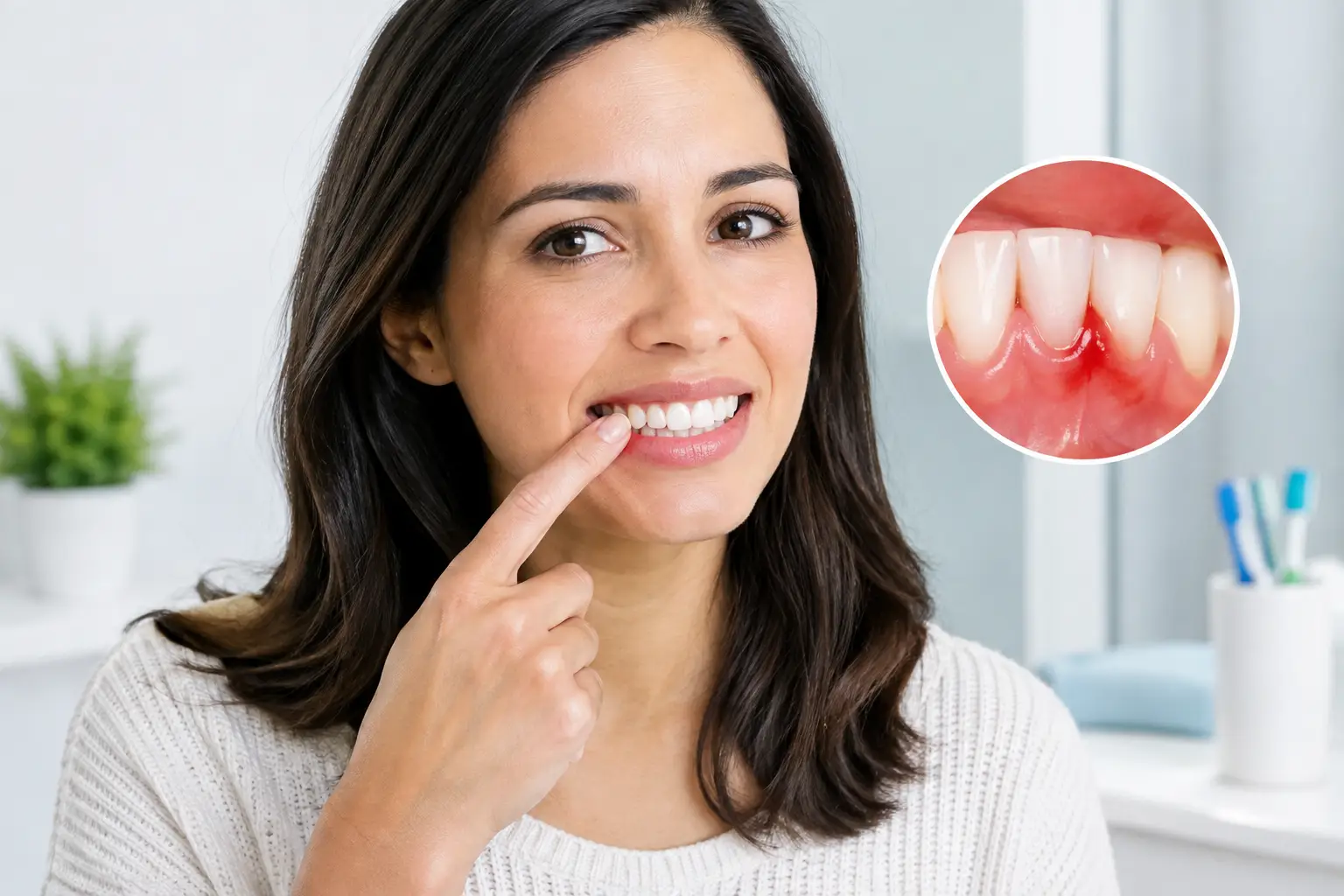
Seeing pink in the sink after brushing can be worrying, particularly if it happens more than once. If you are wondering how to stop bleeding gums, the most useful first step is usually not to brush less, but to clean more carefully and consistently. Bleeding is often a sign that the gums are inflamed, commonly because plaque has been allowed to collect around the gumline. It is also a sign worth taking seriously, especially when it persists.
Healthy gums should not routinely bleed when you brush or clean between your teeth. The good news is that early gum inflammation can often improve with the right daily care and professional support. The key is to address the cause rather than simply avoiding the area that bleeds.
Why gums bleed when you brush
The most common cause is gingivitis, the early stage of gum disease. Plaque is a soft, sticky film of bacteria that forms on teeth every day. When it is not removed thoroughly, particularly at the gumline and between teeth, it irritates the gums. They may become red, puffy, tender or prone to bleeding.
It is easy to fall into an unhelpful pattern: a gumline bleeds, so you avoid brushing there. Unfortunately, this gives plaque more opportunity to build up and the inflammation can worsen. Gentle but thorough cleaning is usually what helps the gum tissue settle.
Other factors can contribute. A new toothbrush with overly firm bristles, brushing too hard, poorly fitting dental appliances, smoking, hormonal changes, certain medicines and some health conditions can all affect the gums. Pregnancy can make gums more sensitive to plaque, for example. If bleeding began after starting a new medicine, do not stop taking it without speaking to the clinician who prescribed it, but do mention it to your dentist or hygienist.
How to stop bleeding gums with better daily care
For many people, a careful routine makes a noticeable difference within one to two weeks. There may be some bleeding at first while inflamed gums begin to be cleaned properly. That does not necessarily mean you are causing harm, provided you are being gentle and using the right technique.
Brush twice daily, gently and thoroughly
Use a soft-bristled toothbrush and fluoride toothpaste twice a day, ideally for two minutes. Angle the bristles towards the gumline and use small, controlled movements rather than vigorous scrubbing. An electric toothbrush with a pressure sensor can be helpful if you tend to brush firmly, but a manual brush can be just as effective when used well.
Take time around the back teeth and the inside surfaces of the lower front teeth, where plaque and tartar often accumulate. Spit after brushing rather than rinsing straight away, as this leaves fluoride on the teeth for longer.
Clean between your teeth every day
A toothbrush cannot reach all the surfaces where plaque collects. Daily interdental cleaning is therefore central to improving bleeding gums. Small interdental brushes are often the most effective option where there is enough space between teeth. Dental floss may be more suitable for tight contacts, and a dentist or hygienist can show you the size and method that fits your mouth.
It is normal for neglected areas to bleed initially. Continue gently each day rather than stopping. If you are unsure whether you are using interdental brushes correctly, asking at your next appointment can save frustration and prevent sore gums from using a brush that is too large.
Give your gums time to respond
Inflammation does not disappear overnight. Consistent cleaning over seven to fourteen days can reduce bleeding caused by mild gingivitis, though more established gum problems may need professional treatment. Try not to switch products repeatedly in search of an instant cure. Good technique, every day, matters more than a cupboard full of specialist products.
A fluoride toothpaste is usually enough for daily use. Some short-term mouthwashes may be recommended in specific circumstances, but they do not replace brushing and cleaning between the teeth. Strong antiseptic mouthwashes should not be used for long periods unless your dental team advises it, as some can cause staining or alter taste.
When a scale and polish may be needed
Plaque that hardens becomes tartar, also called calculus. Once tartar has formed, it cannot be removed with a toothbrush or floss at home. Its rough surface can make it easier for further plaque to cling to the teeth, keeping the gums inflamed.
A professional cleaning with a dentist or hygienist removes these deposits safely and allows your gum health to be assessed properly. This is particularly valuable if bleeding continues despite improved home care, if there is visible tartar, or if it has been some time since your last check-up.
The right approach depends on what is found. Some patients need a routine scale and polish alongside better daily cleaning. Others may need more focused gum treatment if there are signs that gum disease has progressed below the gumline. A clear examination helps ensure treatment is appropriate, rather than assuming all bleeding has the same cause.
When bleeding gums need prompt dental advice
Make a dental appointment if bleeding continues for more than two weeks after you have improved your brushing and interdental cleaning. It is also sensible to arrange an examination sooner if your gums are swollen, painful, receding or producing an unpleasant taste, or if you have persistent bad breath.
Do not wait if you notice loose teeth, changes in the way your teeth meet, pus around the gums or a swelling in the mouth. These can be signs of more advanced infection or gum disease and should be assessed promptly. Gum disease is often painless in its earlier stages, which is why regular checks are so valuable.
Heavy bleeding that will not stop, bleeding following an injury, or swelling that affects breathing or swallowing requires urgent medical attention. If you take blood-thinning medication or have a condition that affects clotting, tell your dental team when arranging care. This information helps them advise you safely.
Could bleeding gums be linked to gum disease?
Yes. Gingivitis is reversible when addressed early, but untreated inflammation can develop into periodontitis, a more serious form of gum disease. In periodontitis, the supporting tissues around the teeth can be damaged. This may lead to gum recession, bone loss and, eventually, tooth mobility.
Not everyone with bleeding gums has advanced gum disease, and it is not helpful to assume the worst. Equally, it is unwise to dismiss recurring bleeding as normal. A dental examination can measure the health of the gums and identify risk factors such as smoking, diabetes, plaque retention around crowded teeth or older restorations that need attention.
Stopping smoking is one of the most beneficial changes for gum health. Smoking can mask bleeding by reducing blood flow to the gums, so gums may appear less inflamed than they are. It also makes gum disease harder to treat and can slow healing after dental procedures.
Looking after gums for the long term
Once bleeding has improved, the aim is to keep it that way. Maintain twice-daily brushing, clean between your teeth every day, and attend the check-ups and hygiene appointments recommended for you. The ideal interval varies: someone with stable, healthy gums may need less frequent hygiene care than a person managing active gum disease.
At 4 Great Stuart Street, we take time to assess what is causing bleeding gums and explain the next sensible step in a calm, straightforward way. Whether you need help refining your cleaning routine, a professional clean or more focused gum care, early attention is usually simpler and more comfortable than waiting for symptoms to progress.
Bleeding gums are your mouth's way of asking for attention, not a reason to avoid brushing. A few careful changes now, supported by regular professional care where needed, can protect your gums and help keep your natural teeth healthy for years to come.