Teeth Whitening Options Review for Edinburgh
Our teeth whitening options review explains professional, shop-bought and online treatments, so Edinburgh patients can choose safely, with confidence.

A brighter smile can feel like a small change with a meaningful effect, particularly before a wedding, professional photographs or a special occasion. Yet a teeth whitening options review is not simply about finding the strongest-looking result. The right choice should protect your teeth and gums, suit the cause of discolouration and produce a natural-looking shade you feel comfortable wearing.
For many patients, whitening works best as part of a considered dental plan rather than as a quick cosmetic purchase. A dental examination can establish whether the teeth are healthy enough to whiten, whether staining may improve with cleaning first and whether existing dental work will affect the final appearance.
What a teeth whitening options review should consider
Teeth do not all darken for the same reason. Tea, coffee, red wine, tobacco and strongly coloured foods can create surface staining over time. Natural changes within the tooth, previous trauma, certain medicines and ageing can also alter colour from within. These causes respond differently to treatment.
A professional assessment matters because whitening is not suitable for every immediate concern. Toothache, bleeding gums, untreated decay, cracks and leaking fillings should be addressed before cosmetic whitening is considered. Whitening gel can temporarily make sensitive teeth feel more reactive, so patients who already experience sensitivity may need a gentler plan.
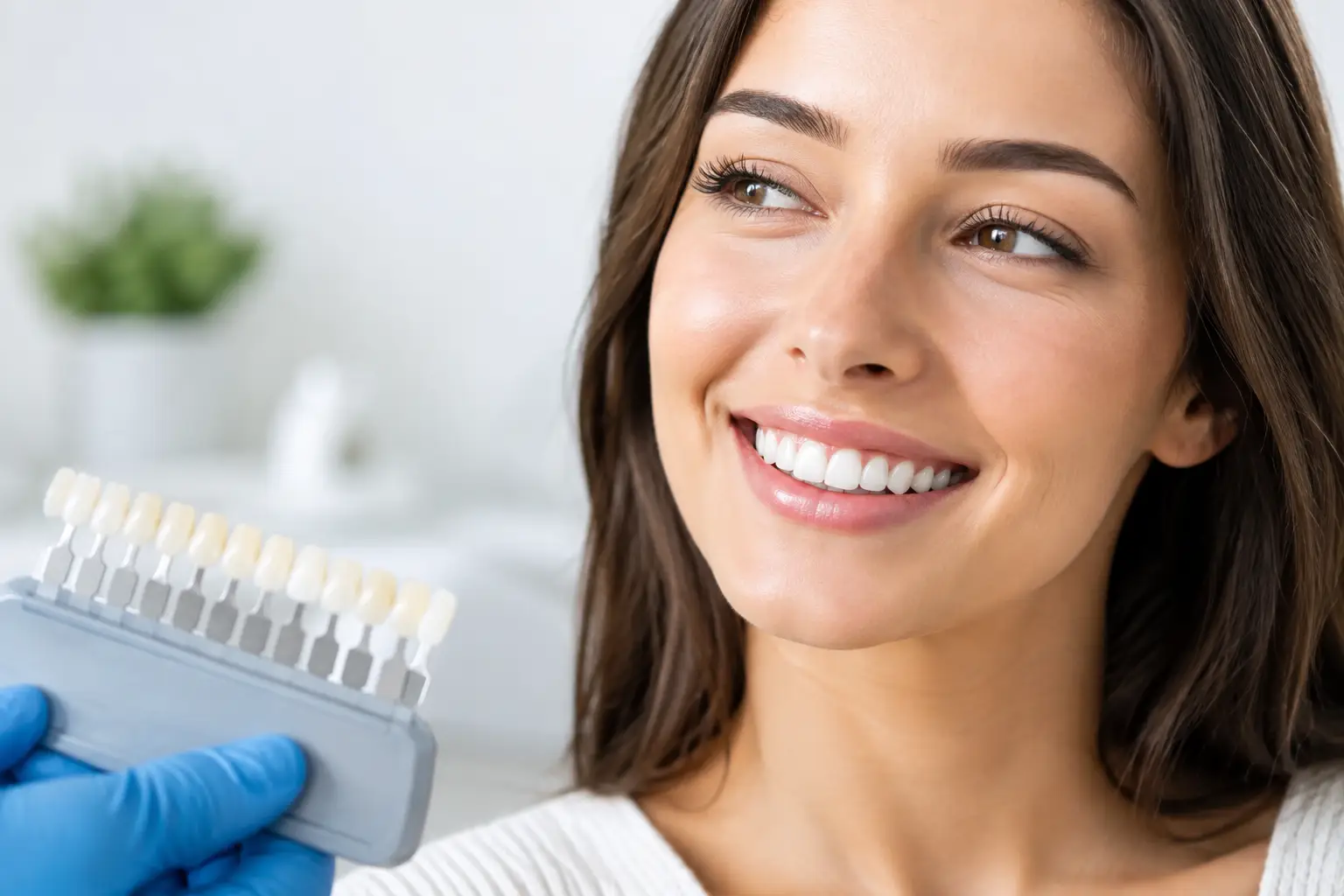
It is also worth beginning with realistic expectations. Whitening can lift the natural shade of your own teeth, but it cannot guarantee a particular shade or create an artificial-looking white. The most pleasing result is usually one that looks clean, even and in keeping with your complexion and smile.
Dentist-prescribed home whitening
For many adults, professionally prescribed home whitening offers the most balanced option. Following a dental examination, custom trays are made to fit closely over your teeth. You place the prescribed whitening gel in the trays and wear them at home according to your dentist's instructions, usually over a course of days or weeks.
The close fit of custom trays helps keep the gel where it is needed and limits contact with the gums. More importantly, the process is planned around your dental health, existing restorations and tolerance for sensitivity. Your dentist can advise on how often to use the trays, how to respond if your teeth become sensitive and when you have reached a suitable shade.
This approach requires patience and consistency. It is not always the fastest route, and the result develops gradually rather than overnight. For patients who prefer a measured, discreet improvement and the reassurance of ongoing guidance, that gradual change is often an advantage.
In-practice whitening
Some patients prefer whitening carried out at the practice, sometimes alongside a home-whitening plan. In-practice treatment can be useful where time is limited or where a clinician recommends a particular approach after assessing the teeth.
The appeal is understandable: the treatment is supervised and the patient does not need to manage trays at home during the initial stage. However, it is not automatically the best choice for everyone. The likely result, the possibility of short-term sensitivity, the cost and the value of follow-up whitening should all be discussed in advance. A careful clinician will recommend the method that fits your mouth and goals, rather than simply the quickest option.
Shop-bought whitening products
Whitening toothpastes, strips, pens and online kits are widely available, and their lower upfront cost can make them tempting. Their usefulness varies considerably.
Whitening toothpaste may help remove fresh surface stains through polishing ingredients, especially when combined with regular hygiene appointments and good brushing technique. It will not usually change the underlying colour of teeth in the same way as dentist-prescribed whitening. Some products can also be abrasive if used too enthusiastically or for prolonged periods, which is a concern for patients with exposed root surfaces or enamel wear.
Strips, pens and generic tray kits may offer modest improvements for some people, but they are not made for the shape of your teeth or gums. Ill-fitting trays can allow gel to spread onto soft tissues, while uneven contact can lead to patchy results. If you have fillings, crowns, veneers, receding gums or a history of sensitivity, an off-the-shelf product is less likely to be the sensible first choice.
In the UK, whitening products that contain or release more than 0.1% hydrogen peroxide are restricted to dental professionals, following an examination and within the appropriate dental care setting. Teeth whitening is also not permitted for anyone under 18 unless it is needed to treat or prevent disease. These rules exist for good reason: whitening is a dental treatment, not a beauty treatment.
A practical review of online and salon whitening
Online advertising can make whitening appear straightforward, with impressive before-and-after photographs and claims of dramatic results. The difficulty is knowing what is in the product, whether it is suitable for your teeth and whether there is any qualified support if something goes wrong.
Be cautious of treatments supplied without a proper dental assessment, particularly where the seller cannot explain the ingredients, provide clear instructions or account for fillings, gum health and tooth sensitivity. Similarly, whitening offered by non-dental beauty providers may sound convenient, but convenience is not a substitute for appropriate clinical care.
If a price appears unusually low, ask what it includes. A safe course of whitening involves more than gel alone. It may include an examination, impressions or digital scans for trays, shade assessment, advice on use and review if sensitivity develops. Those elements are part of protecting the health of your smile.
Fillings, crowns and veneers: the colour-matching question
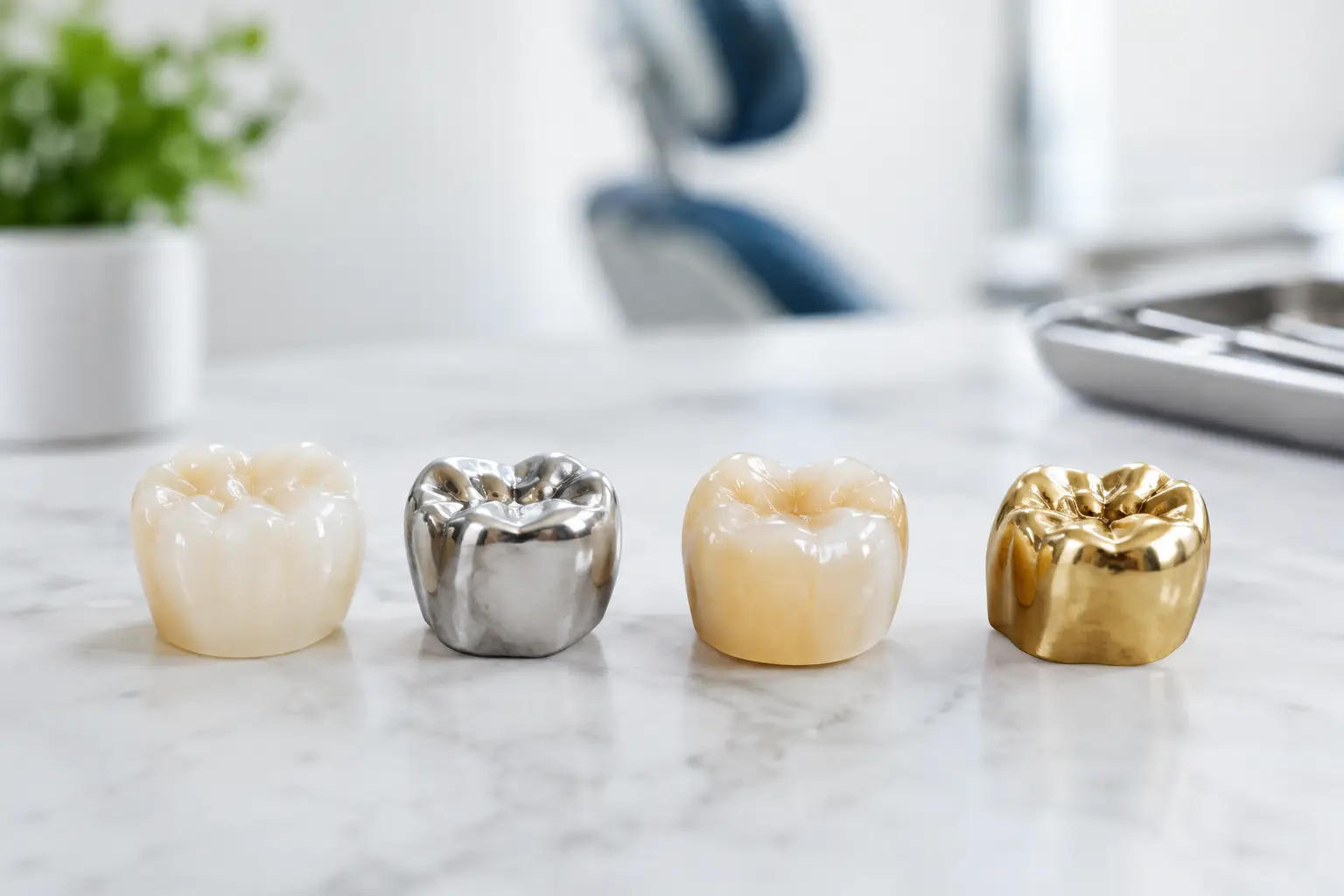
Whitening changes natural tooth enamel. It does not lighten crowns, bridges, veneers, composite bonding, fillings or dentures. This is particularly relevant if a restoration sits near the front of your smile.
For example, if you whiten surrounding teeth but have a crown on a front tooth, the crown may begin to look darker by comparison. In some cases, the best sequence is to whiten natural teeth first, allow the shade to settle and then discuss replacing visible restorations so they can be matched to the new colour. This should never be rushed, especially where existing dental work is otherwise healthy and functioning well.
A single dark tooth needs a separate assessment. It may be linked to previous injury or root canal treatment, and standard whitening may not be the appropriate answer. Internal whitening or another restorative option may be considered depending on the cause.
How to choose the right whitening route
Start with the condition of your mouth rather than a product name. If you have not had a check-up recently, have gum bleeding, pain, loose teeth or concerns about old fillings, book an examination before buying any whitening product. A hygiene appointment may remove external staining sufficiently that further whitening feels unnecessary, or it may create a cleaner starting point for treatment.
Next, consider the pace you want and how much maintenance you are prepared to do. Custom home whitening suits people who are happy to follow instructions over time and would like the option to top up their result later. In-practice treatment may suit those who value clinician-led treatment and a more immediate start. Shop-bought products may have a limited role for light surface stains, but they should not replace a dental opinion where there are underlying concerns.
It is reasonable to ask about likely costs, what happens if sensitivity occurs and whether future top-up gel can be used with your trays. Clear answers are a sign of a practice that values informed decisions rather than pressure.
Keeping your result looking natural
No whitening result is permanent. The pace at which colour returns depends on diet, smoking, oral hygiene and the original cause of staining. Regular brushing with fluoride toothpaste, cleaning between teeth and professional hygiene care all support a healthy, brighter-looking smile.
You do not need to avoid tea, coffee or red wine forever. Rinsing with water after strongly coloured drinks, avoiding tobacco and attending routine check-ups can make a noticeable difference. If you use custom trays, occasional dentist-approved top-ups may help maintain the shade without repeatedly starting a full course.
Sensitivity after whitening is often temporary, but do not simply push through significant discomfort. Pause treatment and contact your dental team for advice. Adjusting the frequency, amount of gel or treatment plan can often make whitening more comfortable.
A brighter smile should feel like a positive finishing touch, not a source of uncertainty. At 4 Great Stuart Street, a conversation about whitening can begin with your oral health, your existing dental work and the result you would genuinely feel happy to see in the mirror.