Toothache Treatment When You Need a Dentist
Toothache treatment starts with finding the cause. Learn safe short-term relief, warning signs and when to arrange a prompt dental appointment if needed.

A toothache can make ordinary things - sleeping, eating, concentrating at work or enjoying a family meal - feel unexpectedly difficult. While pain relief may help you manage for a short time, effective toothache treatment means identifying what is causing the pain and treating it before a small concern becomes a more serious one.
Tooth pain is not always constant or dramatic. It may begin as a brief twinge with cold drinks, pressure when biting, or a dull ache that comes and goes. These early signs are worth taking seriously. A prompt dental assessment can often mean simpler, more comfortable treatment and better protection for your natural tooth.
What causes a toothache?
A toothache is a symptom rather than a diagnosis. The source may be the tooth itself, the gums, the jaw or, occasionally, a problem such as sinus pressure that is felt in the upper teeth. A dentist will examine the area carefully and may take an X-ray to see what cannot be assessed from the surface alone.
Common dental causes include tooth decay, a cracked tooth, a loose or damaged filling, gum disease and an infection around the root of a tooth. Sensitivity can also develop when enamel has worn down or gums have receded, exposing a more sensitive part of the tooth.
Pain on biting can suggest a crack, a high filling or inflammation around the tooth. A sharp response to hot, cold or sweet foods may point to decay or sensitivity. Throbbing pain, swelling or a bad taste can indicate infection. These patterns can be useful to mention, but they cannot reliably confirm the cause without an examination.
Wisdom teeth can also be uncomfortable if there is insufficient room for them to emerge properly or if food and bacteria collect around the gum. Children may experience toothache from decay, a loose baby tooth, an erupting adult tooth or an injury. In every case, an assessment helps ensure treatment is based on the real problem rather than the symptom alone.
Safe short-term toothache treatment at home
If you have dental pain, arrange a dental appointment as soon as possible. In the meantime, there are sensible measures that may reduce discomfort without masking the need for care.
You may take paracetamol or ibuprofen if these medicines are suitable for you and you follow the dosage instructions on the packet. If you are unsure because of a medical condition, pregnancy, allergies or other medication, ask a pharmacist or healthcare professional for advice. Do not exceed the stated dose, and do not place aspirin or painkillers directly on the gum or tooth. This can burn soft tissue and does not treat the cause.
Rinsing gently with warm salt water may soothe an irritated gum. Brush carefully around the painful tooth and clean between the teeth if food may be trapped. It is understandable to avoid the area when it hurts, but leaving plaque or debris in place can make inflammation worse.
Choose softer foods and avoid chewing on the affected side. Very hot, cold, sugary or acidic foods and drinks can trigger sensitivity, so it may help to avoid them until you are seen. If a filling, crown or part of a tooth has broken, keep any larger piece you find and take it with you to the appointment where possible.
These are temporary comfort measures, not a substitute for professional toothache treatment. Dental infections do not resolve simply because pain settles for a day or two. In fact, a tooth can sometimes stop hurting when its nerve is badly damaged, while infection continues to develop around the root.
When tooth pain needs urgent attention
Some dental problems need to be seen promptly, particularly where pain is severe, sleep is affected or swelling is present. Contact a dentist for urgent advice if you have persistent toothache, swelling of the gum or face, a broken tooth, a lost filling or crown causing pain, or bleeding that does not settle after an injury.
A dental emergency becomes more urgent if swelling is spreading, you have a fever or feel unwell, or it is difficult to open your mouth. Seek emergency medical help immediately if swelling is affecting your breathing or swallowing, or is spreading towards the eye or neck.
It can be tempting to wait until a busy week has passed, especially if the pain comes and goes. However, early treatment is usually more straightforward than treatment after an infection, fracture or extensive decay has progressed. For patients in Edinburgh, a same-day emergency dental appointment may be available depending on clinical need and appointment capacity.
What happens at a dental appointment?
A calm assessment is the first step. Your dentist will ask when the pain began, what brings it on, whether it wakes you at night and if you have noticed swelling, sensitivity or a damaged tooth. They will examine your teeth and gums, check how you bite together and may use an X-ray to assess the tooth roots and surrounding bone.
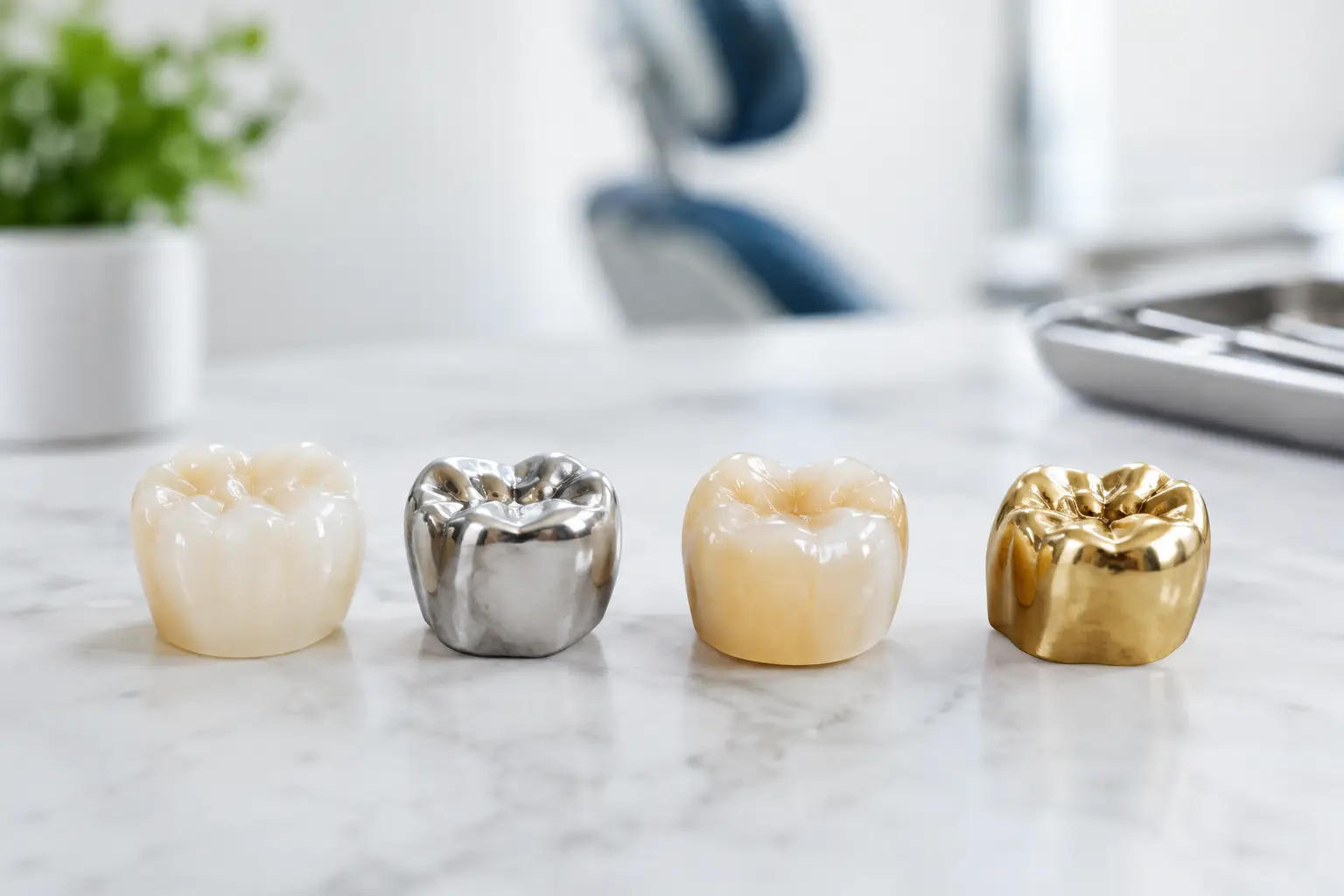
Treatment depends on the diagnosis. Decay or a fractured filling may be treated with a new filling. A crack or more substantial loss of tooth structure may need a crown to protect the tooth. If the nerve inside the tooth is inflamed or infected, root canal treatment may be recommended to clean and preserve it.
Where a tooth cannot be restored predictably, removal may be the healthiest option. Your dentist can then discuss appropriate ways to replace a missing tooth, which may include a bridge, denture or dental implant. The right choice depends on your oral health, the position of the tooth, your preferences and the condition of the surrounding teeth and bone.
If gum disease is contributing to discomfort, professional cleaning and a tailored home-care routine may be needed. Some cases of sensitivity are managed by addressing brushing technique, dietary triggers, gum recession or tooth wear. There is no single remedy for every ache, which is why an accurate diagnosis matters.
If you feel anxious about dental pain
Many people delay care because they worry treatment will be painful or because a previous experience has made them uneasy. This is very common, and it is useful to say so when booking. A considerate dental team can allow extra time, explain each stage clearly and agree a pace that feels manageable.
You remain in control throughout the appointment. You can ask questions, request a pause and discuss options before treatment begins. Modern local anaesthetic is designed to make dental treatment comfortable, and the aim is always to relieve pain rather than add to it.
At 4 Great Stuart Street, patients are treated in a safe, ethical and relaxed environment, with care planned around their individual needs. Whether you need NHS or private treatment, the focus is on clear advice and an appropriate solution rather than unnecessary intervention.
Preventing the next toothache
Not every toothache can be prevented, especially where an accident or an unexpected crack is involved. Regular check-ups do, however, give your dentist an opportunity to identify early decay, worn fillings, gum problems and bite changes before they become painful.
Brushing twice daily with fluoride toothpaste, cleaning between teeth each day and limiting frequent sugary snacks and drinks all make a meaningful difference. A hygienist can also help if plaque build-up, bleeding gums or staining are making home care more difficult.
If a tooth is troubling you, the kindest approach is not to endure it. Book an assessment, explain your symptoms clearly and let the cause be addressed with the care it deserves.