Is Same Day Crown Treatment Right for You?
Considering same day crown treatment in Edinburgh? Learn how it works, who it suits and when a planned crown may often be the better choice for your tooth.
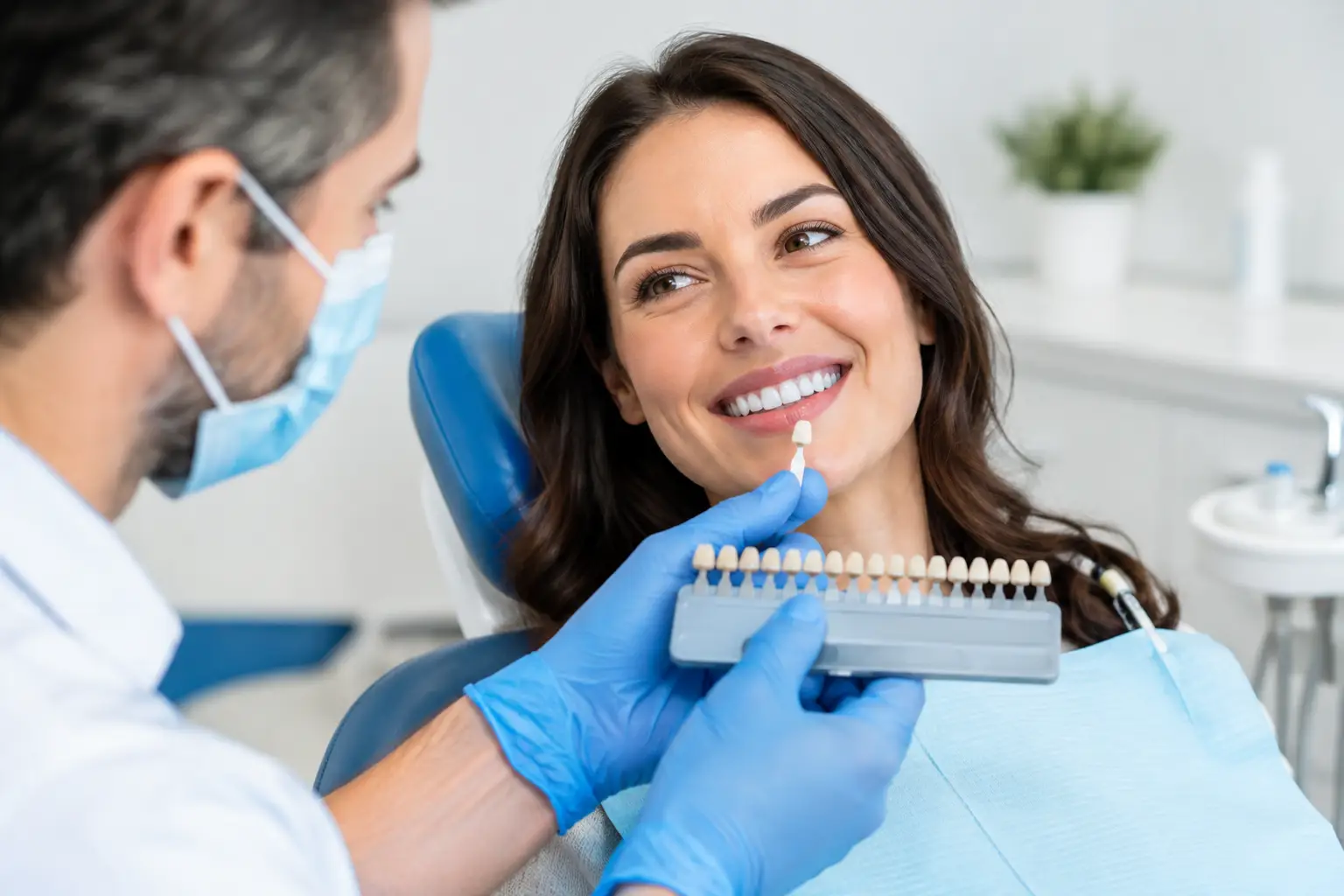
A broken tooth before an important meeting, a crown that has come loose, or a filling that has failed can make a prompt solution feel essential. Same day crown treatment can be an excellent option in the right circumstances, allowing a damaged tooth to be restored in one appointment rather than over several weeks. However, speed should never replace careful assessment. The best result is one that protects your tooth, feels comfortable and is designed to last.
For patients in Edinburgh who value both convenience and considered care, understanding what same-day treatment involves can make the decision feel far less daunting.
What is same day crown treatment?
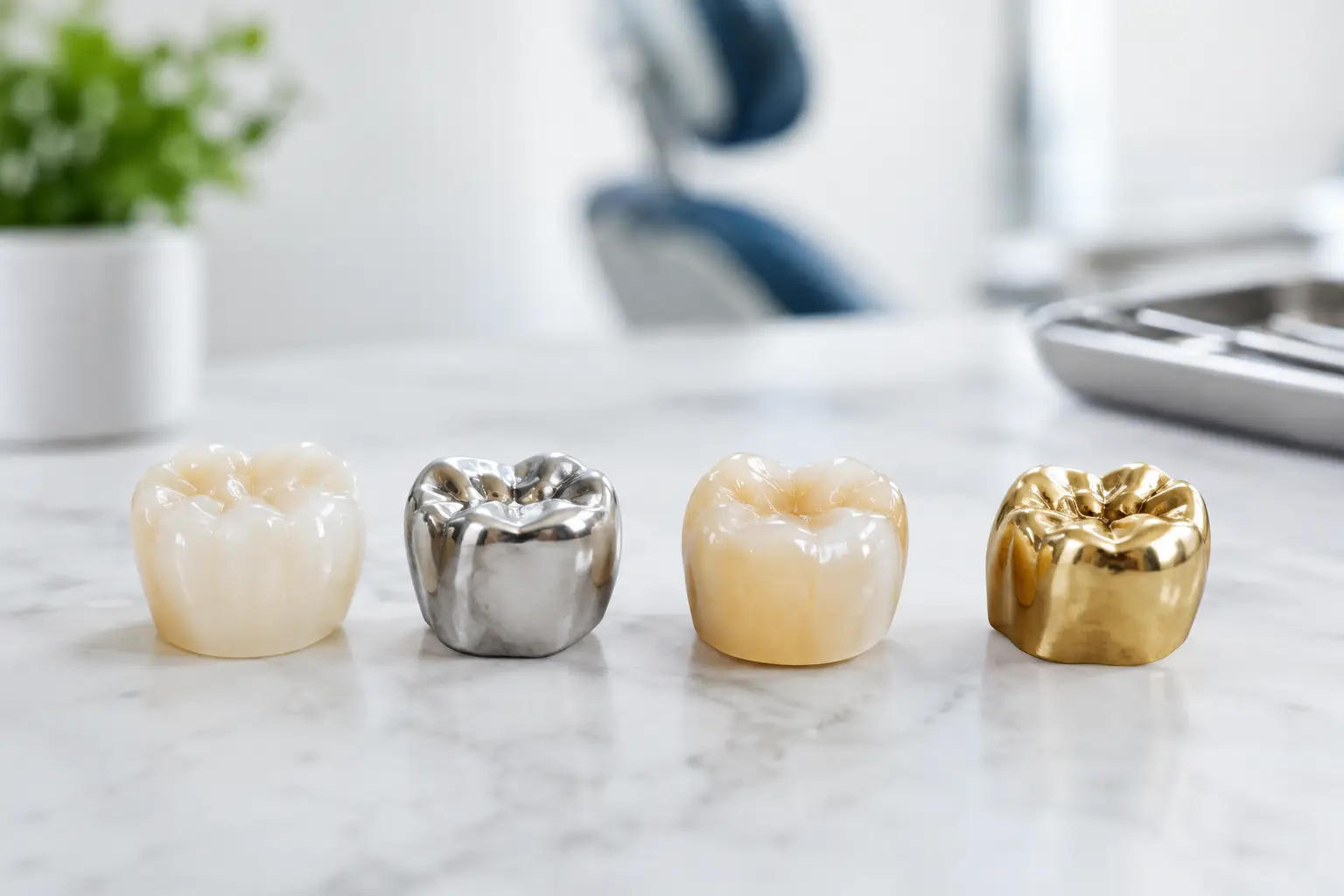
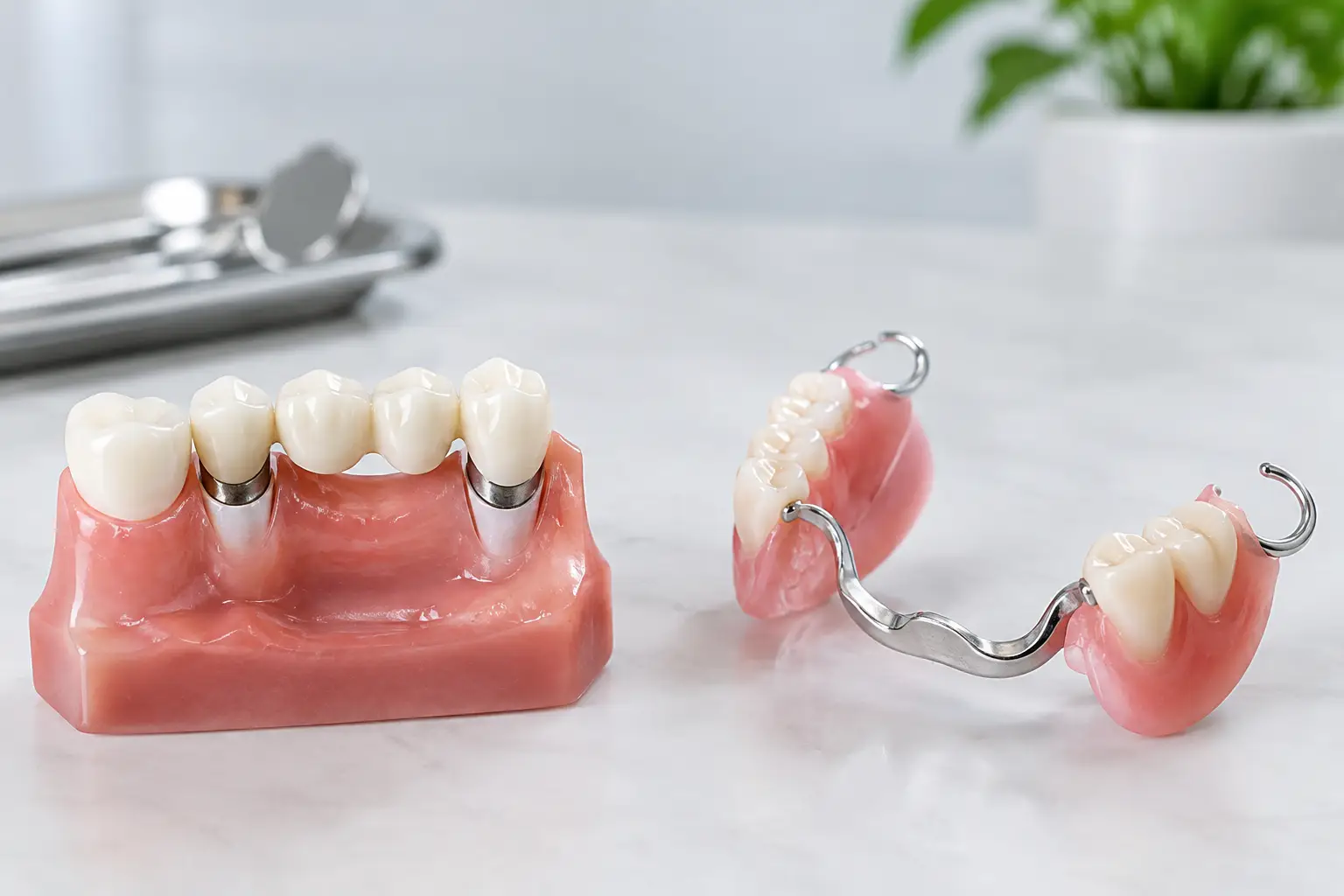
A dental crown is a custom-made covering that fits over a tooth. It is used when the natural tooth has been weakened by decay, a large filling, fracture, wear or previous root canal treatment. The crown restores the tooth’s shape and strength while helping it cope with normal biting forces.
Traditional crowns are usually completed over two or more visits. After preparing the tooth, your dentist takes an impression or digital scan and fits a temporary crown. A dental laboratory then makes the final restoration, which is fitted at a later appointment.
With same day crown treatment, the preparation, digital design, manufacture and fitting can sometimes be completed during one visit. A digital scanner creates a detailed image of the prepared tooth, and a milling machine produces the crown from a ceramic block while you wait. Your dentist then checks the fit, bite and appearance before bonding it securely into place.
The appeal is clear: no temporary crown, no second fitting appointment and less disruption to work, family life or travel. Yet it is not simply a faster version of every crown procedure. It depends on the tooth, the condition of the surrounding gums and the type of restoration needed.
When a same-day crown may be suitable
Same-day crowns can be particularly helpful when a tooth has enough healthy structure to support a crown and the gums are stable. They are often considered for back teeth with extensive fillings, cracked cusps or old crowns that need replacing. In some cases, they may also be suitable for visible teeth, especially where a carefully matched ceramic can provide a natural result.
The tooth must first be free from unresolved infection and suitable for predictable preparation. Your dentist will examine the area, assess your bite and usually take X-rays where appropriate. This is not a formality. A crown that looks good on the day but is placed on a tooth with a hidden problem may not provide the long-term solution you deserve.
If an old crown has fractured or fallen out, it may be possible to provide a prompt restoration. Sometimes, though, the tooth beneath has decayed, cracked below the gum line or lost too much structure. In that situation, stabilising the tooth, providing a temporary restoration or planning further treatment may be safer than rushing directly to a final crown.
The tooth underneath matters most
A crown is only as reliable as the tooth and foundations beneath it. If decay extends deeply, the nerve is inflamed, or the tooth needs root canal treatment, those issues should be managed first. Similarly, gum inflammation and bleeding can make it difficult to obtain an accurate fit at the margin of the crown.
This is why an ethical recommendation may occasionally be to wait. A staged approach can feel less convenient, but it allows time for the tooth and gums to settle, for laboratory work where that offers the better aesthetic result, or for a more complex restoration to be planned precisely.
What happens during the appointment?
A same-day appointment begins with a full assessment and a conversation about your concerns. If the tooth is suitable, your dentist will numb the area and gently remove old filling material, decay or weakened parts of the tooth. The remaining tooth is shaped so that the crown can fit securely.
A digital scan then replaces the traditional putty impression. This creates a detailed three-dimensional model of your tooth and the teeth around it. The crown is designed to sit comfortably against its neighbours and meet the opposing teeth correctly when you bite.
The restoration is milled from a ceramic material selected for strength and appearance. Once ready, it is tried in and adjusted with care. Your dentist will check the contacts between teeth, the bite and the colour where relevant, before bonding the crown in place.
You may be at the practice for longer than a routine appointment, often a few hours in total. That is balanced against avoiding a temporary crown and a return visit. It is sensible to keep the rest of your day relatively clear, particularly if you have had local anaesthetic or feel anxious about dental treatment.
The benefits and the trade-offs
The principal benefit is convenience. Completing treatment in one visit can be valuable for busy professionals, parents, people travelling, or anyone who finds repeated dental visits stressful. Digital planning can also be highly precise, and modern ceramic materials can look natural while offering good durability.
There are trade-offs. Same-day ceramic may not be the best material or method for every tooth. A front tooth with demanding cosmetic requirements, a complex bridge, a crown requiring layered colour effects, or a case involving significant tooth loss may benefit from the skill and flexibility of a dental laboratory. A laboratory-made crown can allow more time for detailed characterisation and may be preferable in certain clinical situations.
Biting forces matter too. If you grind or clench your teeth, a crown can be placed under considerable pressure. Your dentist may recommend a night guard after treatment, regardless of whether the crown is made on the day or by a laboratory. This protects both the restoration and your remaining natural teeth.
The right question is not simply, “Can this be done today?” It is, “What will give this tooth the best chance of serving me well?” A practice built on trust should be comfortable giving a measured answer, even when it means recommending a second appointment.
Caring for your new crown
Once the numbness has worn off, a well-fitted crown should feel like part of your natural bite. Mild sensitivity around the tooth or gum can occur for a short period, particularly after extensive preparation, but persistent pain, a high bite or discomfort when chewing should be checked promptly.
A crown cannot decay, but the tooth at its edge can. Careful brushing twice daily with fluoride toothpaste and cleaning between the teeth are essential. Pay particular attention to the gum line where the crown meets the tooth. Regular check-ups and hygiene appointments allow your dentist to monitor the crown, the supporting tooth and your gums before small concerns become more complicated.
Avoid using crowned teeth to open packaging, bite hard objects or chew ice. These habits can damage natural teeth as well as restorations. If a crown ever feels loose, chips or comes off, keep it safe and contact your dental practice. Do not use household glue to put it back in place.
Questions worth asking before treatment
Before agreeing to a crown, it is reasonable to ask whether same-day treatment is suitable for your particular tooth, what material is proposed and why, and whether there are alternatives such as a filling, onlay or more conservative restoration. You may also wish to ask what the expected lifespan is, how the crown will be maintained and what costs are involved before treatment begins.
A clear discussion should leave you knowing not only what is being recommended, but why. At 4 Great Stuart Street, treatment planning is centred on helping patients make informed, comfortable decisions rather than feeling pressured into the quickest option.
A crown can be a valuable way to preserve a damaged tooth and restore confidence in your smile. If you are considering same-day treatment, arrange an assessment and let the condition of your tooth, rather than the clock, guide the next step.