What Causes Bad Breath? Common Reasons Explained
What causes bad breath? Learn the common mouth, lifestyle and health-related reasons, plus when a dental check-up can help restore fresh confidence today.

A conversation can feel very different when you are worried about your breath. If you are asking what causes bad breath, the reassuring answer is that it is usually linked to something identifiable and manageable - most often bacteria in the mouth, rather than a serious health problem.
Bad breath, also known as halitosis, is common. It may come and go after certain foods or first thing in the morning, or it may persist despite brushing. The pattern matters. Ongoing bad breath deserves a calm, professional assessment, particularly if it is accompanied by bleeding gums, tooth pain, a dry mouth or a change in taste.
What causes bad breath in the mouth?
Most cases begin in the mouth. Natural bacteria break down tiny particles of food, dead cells and proteins. In doing so, they can release sulphur-containing compounds with an unpleasant smell. Brushing the front surfaces of the teeth may not be enough to remove the bacteria and debris causing the problem.
Tongue coating
The tongue has a textured surface that can hold bacteria, food debris and dead cells, especially towards the back. A white or yellowish coating can sometimes be visible, but not always. Cleaning the tongue gently as part of a daily routine can make a meaningful difference for many people.
Plaque, tartar and gum disease
Plaque is a soft film of bacteria that forms continually on teeth and around the gumline. If it is not removed thoroughly, it can harden into tartar, which cannot be brushed away at home. Bacteria around the gums may then cause inflammation, bleeding and persistent odour.
Gum disease is a particularly common reason for bad breath that does not improve with mouthwash alone. In its early stage, gums may bleed when brushing or flossing. More advanced gum disease can lead to receding gums, loose teeth and changes to the bone supporting the teeth. Regular dental examinations and hygiene care help identify and manage these concerns before they become more difficult to treat.
Trapped food, decay and older dental work
Food can become trapped between teeth, around crowded areas, beneath poorly fitting dentures or near the edges of crowns and bridges. Tooth decay, cracked teeth and leaking fillings can also create places where bacteria collect. These issues may not always be painful at first, which is why a check-up is useful when bad breath has become a regular concern.
Dry mouth can make breath worse
Saliva is one of the mouth's natural cleaning systems. It washes away food particles, helps control bacteria and keeps oral tissues comfortable. When saliva flow is reduced, bacteria can build up more easily and breath may become noticeably less fresh.
A dry mouth is common overnight, which explains why morning breath is so familiar. It may also occur when you are dehydrated, breathing through your mouth, feeling anxious, drinking alcohol or taking certain medicines. Some treatments for allergies, depression, high blood pressure and pain can contribute to dryness.
Frequent sips of water can help, but persistent dry mouth should be discussed with a dentist or GP. The right advice depends on the cause, your medical history and the health of your teeth and gums. Sugar-free gum may stimulate saliva for some people, though it is not suitable for everyone, particularly where jaw discomfort is an issue.
Food, drink and lifestyle factors
Garlic, onions, spices, coffee and alcohol can all affect breath. Some odours come directly from particles left in the mouth, while others enter the bloodstream after digestion and are released through the lungs. Brushing and cleaning between the teeth helps with the first type, but time is often needed for the second.
Smoking and tobacco use are major contributors to bad breath. They dry the mouth, leave odour-producing residues and increase the risk of gum disease. Vaping may also contribute to dryness for some people. Stopping smoking can benefit breath as well as wider oral and general health, although professional support can make the process more manageable.
Skipping meals or following very restrictive diets can sometimes cause a distinctive smell on the breath. This can happen when the body uses fat for energy and produces ketones. It does not necessarily mean there is a dental problem, but persistent changes should not be dismissed if you also feel unwell.
When bad breath may be linked to health conditions
Although the mouth is the source of most bad breath, other conditions can occasionally play a part. Sinus infections, post-nasal drip, tonsil problems and reflux can affect breath. Certain medical conditions, including poorly controlled diabetes, may cause a recognisable change in odour.
It is sensible to seek medical advice promptly if bad breath appears alongside symptoms such as unexplained weight loss, excessive thirst, frequent urination, trouble swallowing, ongoing stomach symptoms or a persistent blocked nose. A dentist can assess the mouth thoroughly and advise when a GP review may be appropriate.
Bad breath alone rarely points to a serious illness. However, taking a persistent change seriously is not about alarm - it is about making sure the likely causes are properly considered rather than continually masked with mints or mouthwash.
What helps with bad breath at home?
A consistent cleaning routine gives you the best starting point. Brush twice daily for two minutes with fluoride toothpaste, paying gentle attention to the gumline. Clean between the teeth once a day using interdental brushes or floss, depending on the spaces between your teeth and the advice you have been given.
Clean your tongue gently with a toothbrush or tongue cleaner, particularly if you notice a coating. Drinking water regularly and avoiding tobacco can also help. If you wear dentures, remove and clean them daily, and follow the guidance you have been given about whether to leave them out overnight.
Mouthwash can provide a temporary fresher feeling, but it should support rather than replace brushing and interdental cleaning. Alcohol-containing mouthwashes may worsen dryness for some people. If a mouthwash is recommended for gum health, use it for the time and in the way advised by your dental team.
It is worth being realistic about quick fixes. Strong mints, chewing gum and mouthwash may cover an odour briefly, but they cannot remove tartar, treat gum disease or repair a decayed tooth. If the underlying cause remains, the problem is likely to return.
When to book a dental appointment for bad breath
Consider arranging a dental check-up if bad breath lasts for more than a few weeks, returns repeatedly, or does not improve with careful cleaning. You should also book sooner if your gums bleed, feel swollen or tender, you have toothache, a loose tooth, a bad taste, mouth ulcers that do not heal, or a denture that no longer fits comfortably.
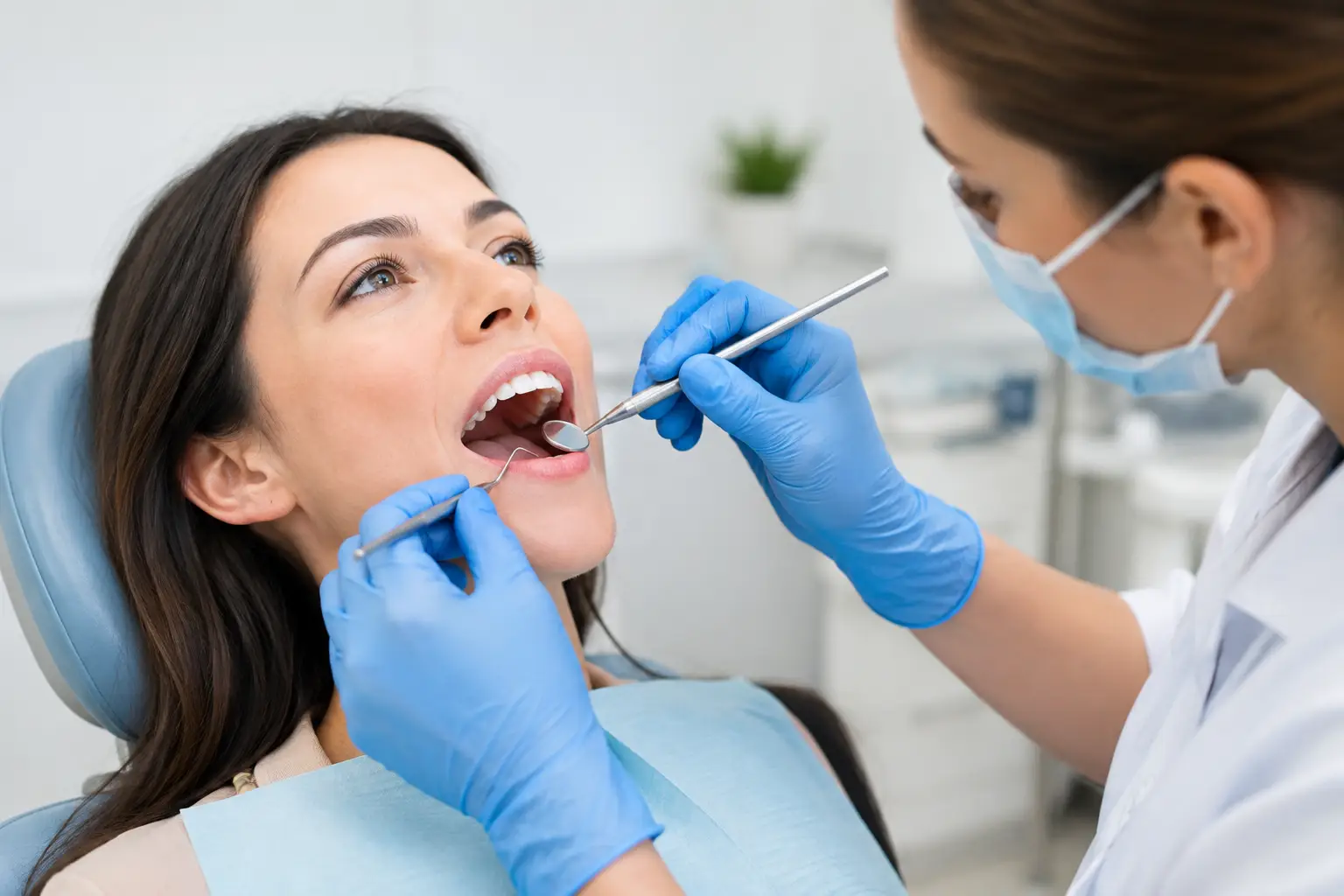
At an appointment, your dentist can look for plaque and tartar, gum disease, decay, damaged restorations and signs of dry mouth. A hygienist appointment may be advised where professional cleaning would help remove deposits that brushing cannot reach. If the mouth appears healthy, you may be guided towards the most appropriate medical assessment.
For nervous patients, it can help to say at the time of booking that you are concerned about breath or gum health. This is a routine concern, not something to feel embarrassed about, and a good dental team will approach it with discretion and without judgement.
Fresh breath is usually a result of a healthy, well-cleaned mouth rather than a particular product. If you have noticed a persistent change, a straightforward check-up can provide clarity and a practical plan - allowing you to speak, smile and eat with greater comfort.