What a Full Mouth Restoration Case Involves
Considering a full mouth restoration case? Learn how assessment, phased treatment and careful planning can restore comfort, function and confidence too.

A full mouth restoration case is rarely about one tooth or one appointment. It usually begins when several problems have started to affect everyday life: teeth that are worn, broken or missing, dentures that no longer feel secure, recurring discomfort, or a smile that no longer feels like your own. The right treatment is not about making everything look artificially perfect. It is about restoring comfort, function and confidence in a way that respects your health, budget and long-term needs.
At 4 Great Stuart Street, planning starts with listening. Some patients have avoided dentistry for years because of anxiety or a difficult past experience. Others have looked after their teeth carefully but now need more extensive support. Whatever has brought you to this point, a calm assessment and clear conversation make the next step feel more manageable.
What does a full mouth restoration case mean?
Full mouth restoration, sometimes called full mouth rehabilitation, describes a carefully planned combination of treatments used to rebuild the health, function and appearance of the teeth and gums. It may involve only the teeth that need attention, but the plan considers how the whole mouth works together.
This is different from simply having several cosmetic treatments. A sound restoration plan considers the bite, gum health, jaw comfort, remaining tooth structure and the way you speak and chew. Appearance matters, of course, but it should follow a stable clinical foundation.
No two cases are alike. One person may need to replace several missing teeth with implants, bridges or dentures. Another may have severely worn teeth from grinding and need protective restorations to rebuild their bite. For someone with widespread decay or repeated failing fillings, the priority may be to remove infection, stabilise the mouth and protect what can still be saved.
The assessment comes before the treatment
A comprehensive consultation is the most important part of a full mouth restoration case. Before recommending crowns, implants or any other treatment, your dentist needs a clear picture of your oral health and your priorities.
This may include an examination of your teeth, gums and bite, along with X-rays or scans where appropriate. Your dentist will assess signs of gum disease, decay, cracked teeth, old restorations, tooth wear and areas of infection. They will also ask about headaches, jaw clicking, clenching, grinding and difficulties with eating, as these can affect the treatment approach.
Just as importantly, you will have time to explain what is bothering you. Perhaps you are concerned about loose teeth, or you avoid smiling in photographs. Perhaps eating has become difficult, or you are tired of short-term repairs that do not seem to last. These concerns help shape a plan that is both clinically appropriate and personally meaningful.
A plan should be clear, not overwhelming
More complex dentistry can sound daunting when described all at once. A good plan breaks treatment into understandable stages, explains the reasons behind each recommendation and makes room for questions.
You should know which problems need prompt care, which options are available and what may happen if treatment is delayed. You should also understand the likely time commitment, expected maintenance and fees before deciding how to proceed. In some situations, there may be more than one sound option. For example, a missing tooth might be replaced with an implant, bridge or removable denture, depending on the health of neighbouring teeth, bone levels, budget and personal preference.
Treatment is often completed in phases
Full mouth restoration is usually a journey rather than a single procedure. Phasing treatment can make it safer, more comfortable and more financially manageable, while allowing your dentist to review how the mouth is responding.
The first stage is often stabilisation. This may involve treating decay, gum disease or infection, repairing sharp broken areas and addressing urgent discomfort. If gum health is not stable, placing crowns or implants too early can compromise the result. Healthy gums and good daily cleaning are essential foundations for long-lasting restorative work.
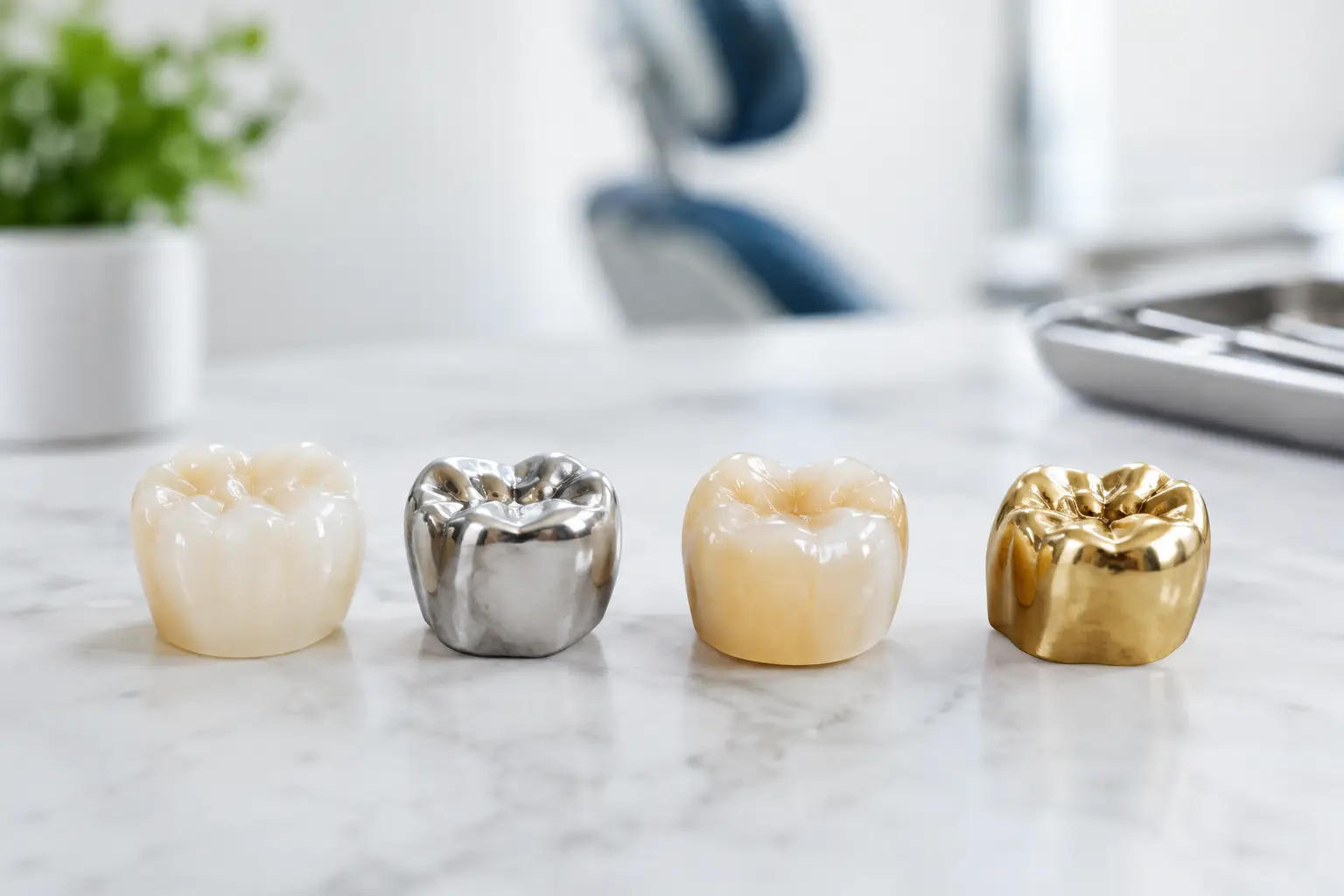
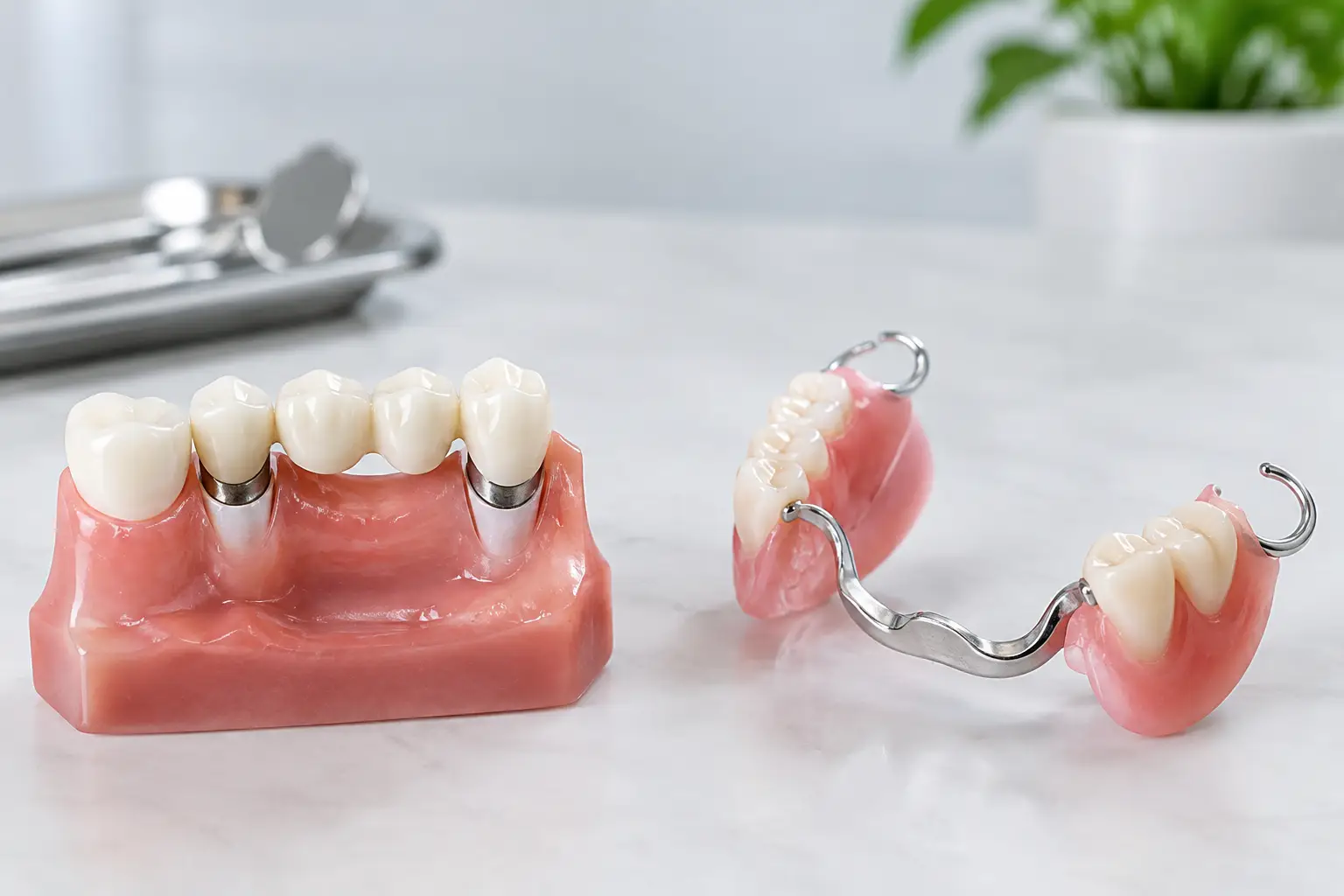
The next stage may involve rebuilding or replacing teeth. Depending on the case, this can include fillings, crowns, bridges, dentures or dental implants. Crowns are often used where a tooth has enough healthy structure to retain but needs strength and protection. Bridges can replace one or more missing teeth by using neighbouring teeth for support. Implants replace the root of a missing tooth and can support a crown, bridge or denture, though they require suitable bone, healthy gums and time for healing.
For patients with significant tooth wear, temporary restorations may be used to test a proposed bite position before final crowns or other restorations are made. This is a valuable step. It allows adjustments for comfort, speech and chewing before committing to the final work.
Cosmetic improvements can be part of the plan
A full mouth restoration can improve the appearance of your smile, but cosmetic decisions should be considered carefully. Tooth shape, shade and proportion all need to suit your face, natural features and expectations. A natural-looking result is often more appropriate than a very bright or uniform appearance.
Whitening may sometimes be considered before final crowns or veneers are selected, so that new restorations can be matched to your preferred natural tooth colour. However, whitening does not change the shade of existing crowns, fillings or bridges. Your dentist will explain the order of treatment that gives the most predictable result.
How long does full mouth restoration take?
The timeline depends entirely on the condition of your mouth and the treatments involved. A straightforward programme of restorative work may take several appointments over a few months. Cases involving implants, gum treatment, extractions or major bite changes can take longer, sometimes with healing periods between stages.
This can feel slow when you want a solution quickly, but careful pacing protects the result. Teeth, gums and jaw function need time to settle. Rushing complex work can lead to discomfort, poorly fitting restorations or treatments that do not last as well as they should.
If you are in pain or have a dental emergency, the immediate priority is to make you comfortable and deal with the urgent issue. Longer-term restoration can then be planned properly, rather than decided under pressure.
Maintaining the result matters as much as creating it
Restorations are strong, but they are not maintenance-free. Crowns, bridges, dentures and implants all need regular professional review and conscientious home care. Gum disease and decay can still affect teeth around a bridge or implant, while grinding can damage even high-quality restorative work.
Your dentist and hygienist can advise on brushing, interdental cleaning and any specific tools needed to clean around bridges or implants. A night guard may be recommended if you clench or grind your teeth. Regular examinations allow small concerns to be spotted early, often avoiding more involved repair later on.
This ongoing care is one reason continuity matters. When a dental team knows your history, bite and restorations, they are better placed to monitor changes and help protect your investment in your oral health.
Is full mouth restoration right for you?
It depends on the underlying problems and your goals. Some patients who believe they need extensive treatment may be helped with a smaller, staged plan. Others may benefit from more comprehensive care because piecemeal repairs are no longer addressing the cause of repeated failure.
The most suitable approach balances what is ideal clinically with what is realistic for you. That includes your comfort with treatment, available time, budget and willingness to maintain the result. Ethical dentistry means being open about these trade-offs, rather than presenting a single expensive option as the only answer.
If you are worried about the condition of your teeth, you do not need to have every decision made before booking an appointment. A thoughtful consultation can turn a long-standing concern into a clear, manageable plan - one careful step at a time.