How Dentists Repair Worn Teeth and Protect Them
Learn how dentists repair worn teeth, identify the cause of enamel loss and choose lasting treatment that protects your bite, comfort and confidence.

A tooth can wear down so gradually that it is easy to miss until the change becomes uncomfortable. You may notice sharper edges, increased sensitivity, teeth that look shorter, or a smile that no longer feels quite like your own. To repair worn teeth properly, a dentist must first establish why the wear has happened. Restoring the visible damage without addressing the cause can lead to further problems later.
Tooth wear is common and does not always require extensive treatment. In some cases, careful monitoring and prevention are the most appropriate approach. Where teeth are weakened, sensitive or affecting how you bite, modern restorative dentistry can rebuild their shape and help protect what remains.
Why teeth become worn
Teeth are remarkably strong, but enamel can be gradually lost through everyday forces and chemical exposure. Often, more than one factor is involved.
Grinding or clenching the teeth, particularly during sleep, can flatten the biting surfaces and place excessive pressure on individual teeth. This is known as attrition. Some people wake with a tight jaw, headaches or sore facial muscles, while others have no awareness that they are grinding at all.
Acid erosion is another frequent cause. Acidic drinks, frequent snacking, citrus fruits and reflux can soften enamel over time. Once softened, enamel is more vulnerable to being brushed or worn away. Brushing with too much pressure, especially soon after consuming acidic food or drink, may also contribute to wear around the gumline.
A bite that does not meet evenly can concentrate force on a small number of teeth. Previous fillings, missing teeth and certain habits can all affect this balance. Your dentist will look at the whole mouth, rather than assuming that one visible area tells the full story.
Signs that worn teeth need attention
Minor wear may be harmless, but it is worth arranging a check-up if you notice a change. Teeth may appear shorter, more yellow or slightly translucent at the edges as the underlying dentine becomes more visible. You may also feel sensitivity to cold, hot or sweet foods, or find that rough edges catch on your tongue.
More advanced wear can alter the way your teeth meet, making chewing less comfortable or placing strain on the jaw. Small cracks, repeated chipping and fillings that fracture may also be signs that the teeth are under more pressure than they can comfortably manage.
It is particularly sensible to seek advice promptly if a tooth has worn rapidly, become painful, or changed colour. These symptoms may point to an issue beyond ordinary tooth wear and should be assessed without delay.
How dentists assess tooth wear
A careful examination is the foundation of treatment. Your dentist will ask about sensitivity, diet, reflux, grinding, sleep, stress and any changes you have noticed. They will examine the pattern of wear, your gums, existing restorations and the way your upper and lower teeth come together.
Photographs, X-rays or digital scans may be recommended where they help build a clearer picture. In some cases, your dentist may monitor the teeth over time before suggesting restorative work. This is not a delay in care. It can be the safest way to determine whether wear is active and how quickly it is progressing.
The aim is to preserve healthy tooth tissue wherever possible. Treatment should be proportionate to the damage, your symptoms and the likely cause.
Options to repair worn teeth
The right approach depends on how much tooth structure has been lost, where the wear is located and whether your bite needs support. A staged plan is often preferable to rushing into more extensive work.
Monitoring and preventive care
When wear is mild and stable, your dentist may recommend regular reviews, fluoride treatment or a desensitising toothpaste alongside practical changes to protect enamel. This can be enough to keep small areas of wear from becoming a larger concern.
If acid is contributing, the advice may include reducing how often acidic drinks and foods are consumed, keeping them to mealtimes where possible, and rinsing with water afterwards. Waiting around an hour before brushing after acidic food or drink gives softened enamel time to reharden.
Composite bonding
Composite bonding uses a tooth-coloured material to rebuild worn edges, smooth chips and restore a more natural shape. It is often a conservative way to repair worn teeth because little or no additional healthy tooth needs to be removed.
Bonding can improve appearance and reduce sensitivity, particularly on front teeth. It is not indestructible, however. Composite can stain, chip or wear over time, especially where grinding is present, and may need maintenance. A night guard may be advised to protect both the restorations and your natural teeth.
Onlays and crowns
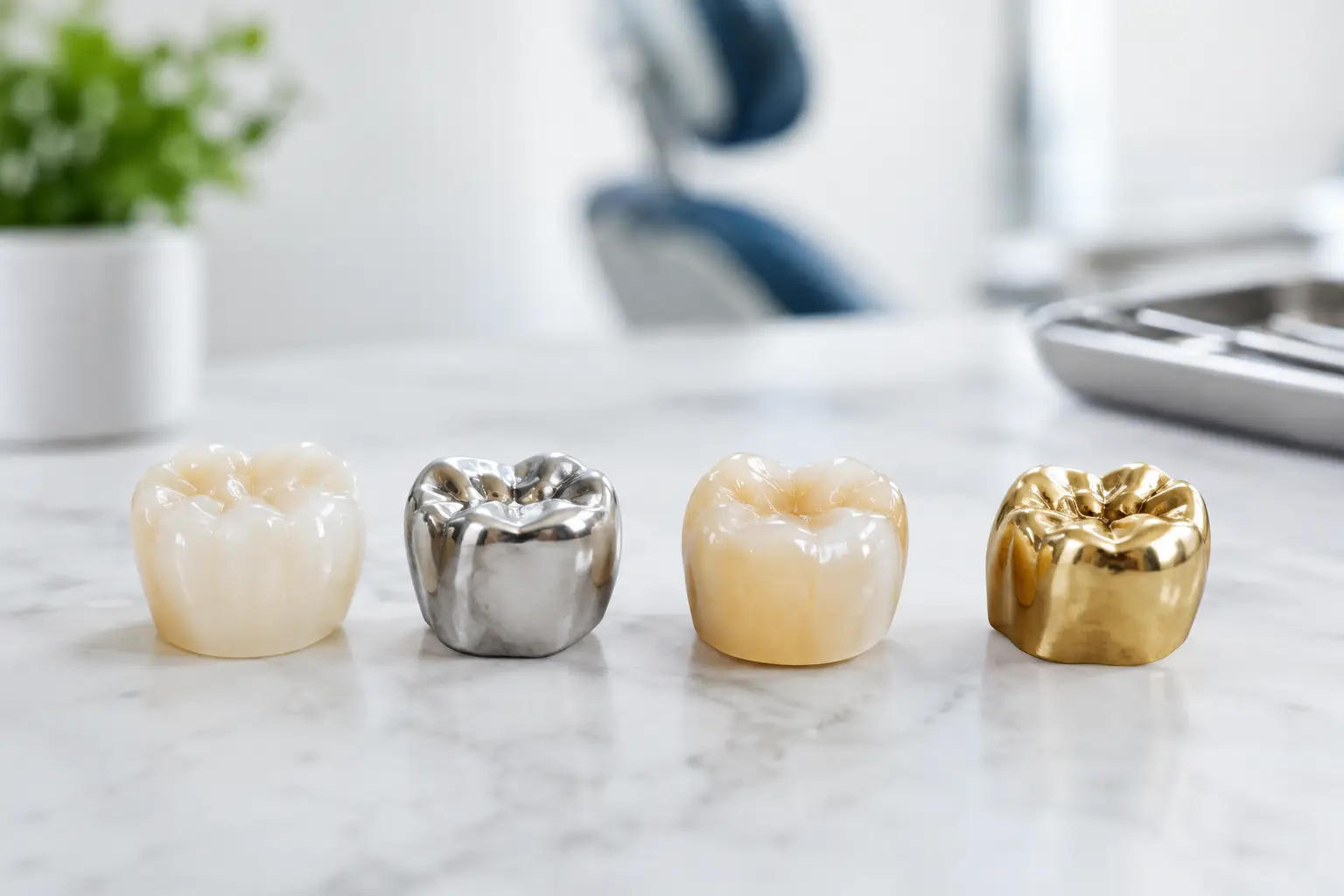
Where a tooth is more extensively worn, cracked or weakened, an onlay or crown may offer stronger protection. An onlay covers the damaged biting area of a tooth, while a crown covers the tooth more fully. Both are designed to restore function as well as appearance.
These options are usually considered when simpler bonding is unlikely to withstand the forces involved. They do require more preparation than composite, so the benefits need to justify that trade-off. Your dentist will discuss the material, expected longevity, costs and care needed before you decide.
Rebuilding the bite
If wear has affected many teeth, treatment may involve rebuilding selected surfaces to restore lost height and create a more even bite. This is sometimes carried out gradually, allowing you time to adapt and giving the dentist an opportunity to check comfort and function at each stage.
This type of planning is highly individual. It may involve composite restorations, crowns or a combination of treatments. The objective is not to create a perfectly uniform smile, but a stable, comfortable bite that is kind to your teeth and jaw.
Protecting teeth from grinding
For patients who clench or grind, a custom-made night guard can be an important part of protecting the repair. It is worn while sleeping and helps distribute pressure more evenly. It does not necessarily stop grinding, but it can reduce the damage that grinding causes.
A night guard is often used alongside restorative treatment rather than instead of it. If the underlying pressure is not managed, even well-made restorations can fail prematurely.
Looking after restored teeth
Restorations need the same daily care as natural teeth. Brush twice a day with fluoride toothpaste, clean between the teeth daily and attend reviews as recommended. If you have a night guard, clean it gently and bring it to appointments so your dentist can check its fit.
Try not to use teeth to open packaging, bite nails or chew pens. These habits can place a surprising amount of force on worn or restored edges. If you experience new sensitivity, a chip, a change in your bite or recurrent jaw discomfort, it is better to have it checked early than wait for a small problem to develop.
At 4 Great Stuart Street, treatment planning is centred on preserving your natural teeth and providing clear, considered options. Whether you need simple protection for early wear or more involved restorative care, you should understand what is being recommended and why.
Worn teeth can often be managed successfully, particularly when changes are identified early. If your teeth feel different, look shorter or are becoming sensitive, a calm assessment can give you a clearer view of what is happening and what would help protect your smile for the years ahead.