Teeth Whitening: What Actually Works?
Teeth whitening can be safe and effective with the right advice. Learn what works, what to avoid, and how to keep your smile brighter longer.
A brighter smile is often less about vanity than people assume. For many patients, teeth whitening is simply the final step after looking after their oral health - a way to feel a little more confident at work, in photographs, or on occasions when they would rather not think about stained enamel.
The difficulty is knowing what is worth your time, what is safe, and what is likely to leave you disappointed. Whitening products are easy to find, but the results can vary widely. The right option depends on the cause of the staining, the condition of your teeth and gums, and how natural or dramatic you want the result to be.
Teeth whitening starts with the cause of staining
Not all discolouration behaves in the same way. Some teeth darken gradually because of coffee, tea, red wine, tobacco, or simply age. This is usually external staining, and it often responds well to professional whitening.
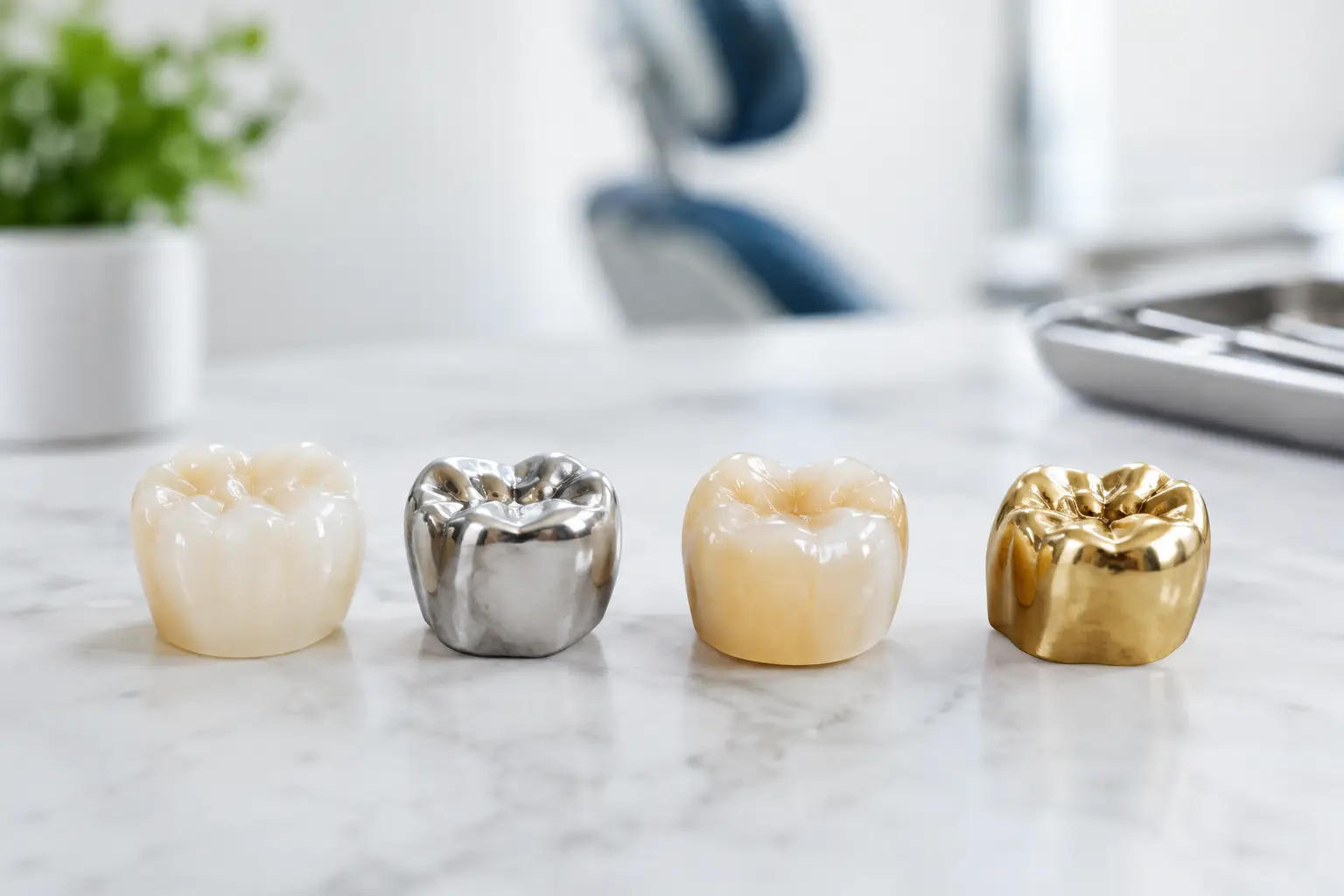
Other cases are more complicated. A tooth that has darkened after trauma may not improve in the same way as the rest of the smile. Fillings, crowns and veneers do not whiten at all, so if you have visible restorations at the front, the final colour may need careful planning. Some patients also find that what looks like staining is actually a build-up of tartar or surface deposits, which means a hygiene appointment may make a noticeable difference before whitening is even considered.
This is why an assessment matters. Teeth whitening should not be treated as a one-size-fits-all purchase. The safest and most natural-looking results usually come when the treatment is matched to your teeth rather than chosen off a shelf.
Professional teeth whitening vs shop-bought options
There is a reason many patients feel confused here. Whitening toothpastes, strips, pens and online kits are all marketed as simple answers, but they do not offer the same consistency or supervision as professional treatment.
Whitening toothpaste can help lift very mild surface staining, particularly if you drink tea or coffee regularly. What it cannot do is change the underlying shade of the tooth to any significant degree. It may make teeth look a little cleaner, but it is unlikely to produce the sort of result most people have in mind when they ask about whitening.
Over-the-counter kits sit somewhere in the middle. Some can freshen the appearance of teeth slightly, but results tend to be modest and less predictable. Poorly fitting trays can also lead to patchy whitening or gum irritation. If products are bought from unregulated sellers, there is the added concern of questionable ingredients and unclear instructions.
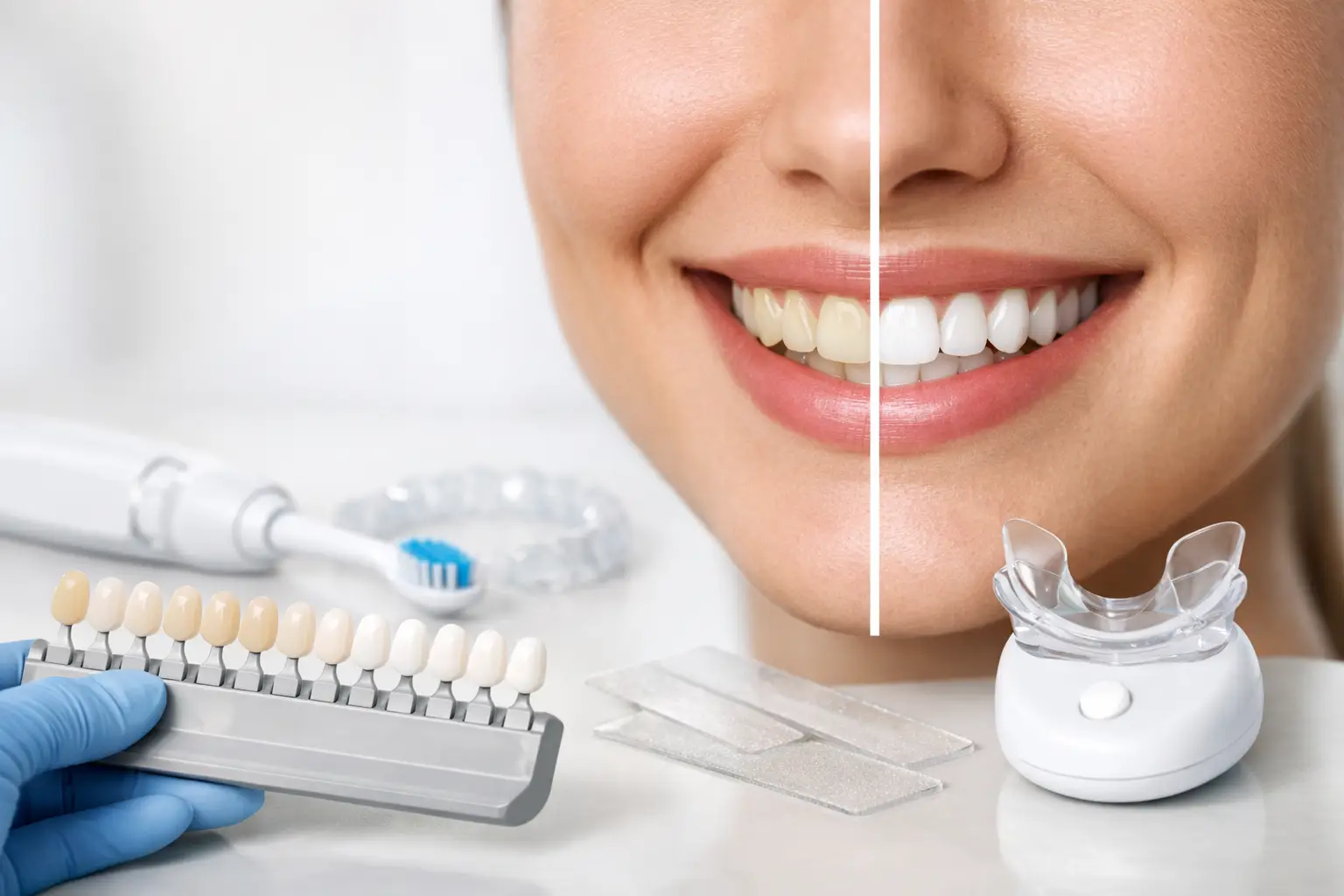
Professional whitening is more controlled. It begins with checking that your teeth and gums are healthy enough for treatment, then using products designed to whiten safely and evenly. The aim is not an artificial block of white, but a brighter, cleaner shade that still suits your features.
For many adults, that balance matters. They want to look well, not overdone.
Who is suitable for teeth whitening?
Most healthy adults with natural teeth can be considered for whitening, but suitability is never just about wanting a brighter smile. If there is untreated decay, leaking fillings, gum inflammation or significant sensitivity, those issues should be managed first.
This is especially important for patients who have been putting off routine care and hope whitening will provide a quick cosmetic fix. In practice, whitening works best as part of good dental health, not instead of it.
Age is a factor too. Teeth naturally become darker over time as enamel thins and the dentine beneath shows through more strongly. That does not mean whitening is less effective for older patients, but expectations may need to be realistic. Often, a well-planned improvement of a few shades looks far better than chasing an unnaturally bright finish.
Patients with crowns, bridges or composite bonding on front teeth should also be aware that these restorations will keep their existing colour. In some cases, whitening first and then reviewing whether older restorations still match can be the most sensible route.
What to expect from treatment
Professional whitening is usually straightforward, but it should still feel guided rather than rushed. After an examination, your dentist can advise whether whitening is appropriate and what kind of result is realistic in your case.
The most common approach is home whitening with custom-made trays. These are shaped to fit your teeth properly, which helps the whitening gel stay where it should and improves comfort. You wear the trays as instructed over a set period, and the shade usually lifts gradually. Many patients prefer this method because the change looks natural and the process fits around daily life.
Some people expect instant transformation. In reality, the best results are often steady rather than dramatic overnight. Teeth do not all whiten at exactly the same rate, and some areas may lighten before others. That is normal. A measured approach tends to produce a more even outcome.
Sensitivity can occur during treatment, but it is often manageable. Not everyone experiences it, and when it does happen, it is usually temporary. Using the trays less frequently for a short period or following specific advice from your dentist can help.
What teeth whitening can and cannot do
Whitening can be very effective, but it has limits. It can brighten natural enamel and reduce the appearance of common staining. It cannot straighten teeth, repair chips, replace lost enamel, or make restorations match a new shade.
That distinction matters because cosmetic concerns often overlap. A patient may come in asking for whiter teeth when the real issue is crowding, worn edges, older fillings or a combination of all three. In those cases, whitening may still play a useful role, but it is only one part of the picture.
The most satisfying cosmetic results usually come from treating the whole smile with care and restraint. Sometimes whitening alone is enough. Sometimes it works best alongside hygiene treatment, composite bonding, or aligner treatment. It depends on the starting point and the outcome you want.
Keeping teeth whiter for longer
Teeth whitening is not permanent, although it can last well with sensible maintenance. How long the result holds depends on your habits, your diet and the natural way your teeth age.
Tea, coffee, red wine and tobacco are common reasons for colour to relapse more quickly. That does not mean you need to avoid them entirely. It means moderation helps, and so does a good oral hygiene routine. Brushing twice daily with fluoride toothpaste, attending regular hygiene visits, and dealing with plaque and staining early all make a difference.
Some patients benefit from occasional top-up whitening after their initial treatment. This is often a practical way to maintain the result without starting again from scratch. Because the trays are already made, maintenance can be simple when done under professional guidance.
There is also value in keeping expectations calm. Teeth are living structures, not painted surfaces. A healthy, bright natural smile usually looks better over time than one pushed to an extreme shade and then difficult to maintain.
Safety matters more than speed
If there is one point worth stressing, it is this: whitening should be safe before it is fast. Patients are sometimes tempted by heavily advertised products promising dramatic changes in days, but stronger does not always mean better. Poorly supervised whitening can irritate gums, worsen sensitivity and produce uneven results.
A careful dental assessment protects against that. It also gives you space to ask practical questions - whether whitening will affect sensitive teeth, how it may interact with existing dental work, and what level of improvement is realistic for your smile.
At an established practice such as 4 Great Stuart Street, that conversation is part of the value. Good care is not only about the product used. It is about taking time, understanding your history, and making sure treatment is appropriate, comfortable and ethical.
A natural result is usually the best result
For most people, the goal is not to have the whitest teeth in the room. It is to look fresher, healthier and more confident without drawing attention to the treatment itself. That tends to be where professional advice is most useful.
Done well, teeth whitening can be a small change with a real effect on how you feel day to day. It should fit comfortably within long-term dental care, respect the condition of your teeth, and leave you looking like yourself - just a little brighter. If you are considering it, the best first step is a proper assessment and an honest conversation about what will suit your smile.