8 Best Ways to Prevent Cavities
Discover the best ways to prevent cavities with simple daily habits, smart diet choices and regular dental care for adults and families.
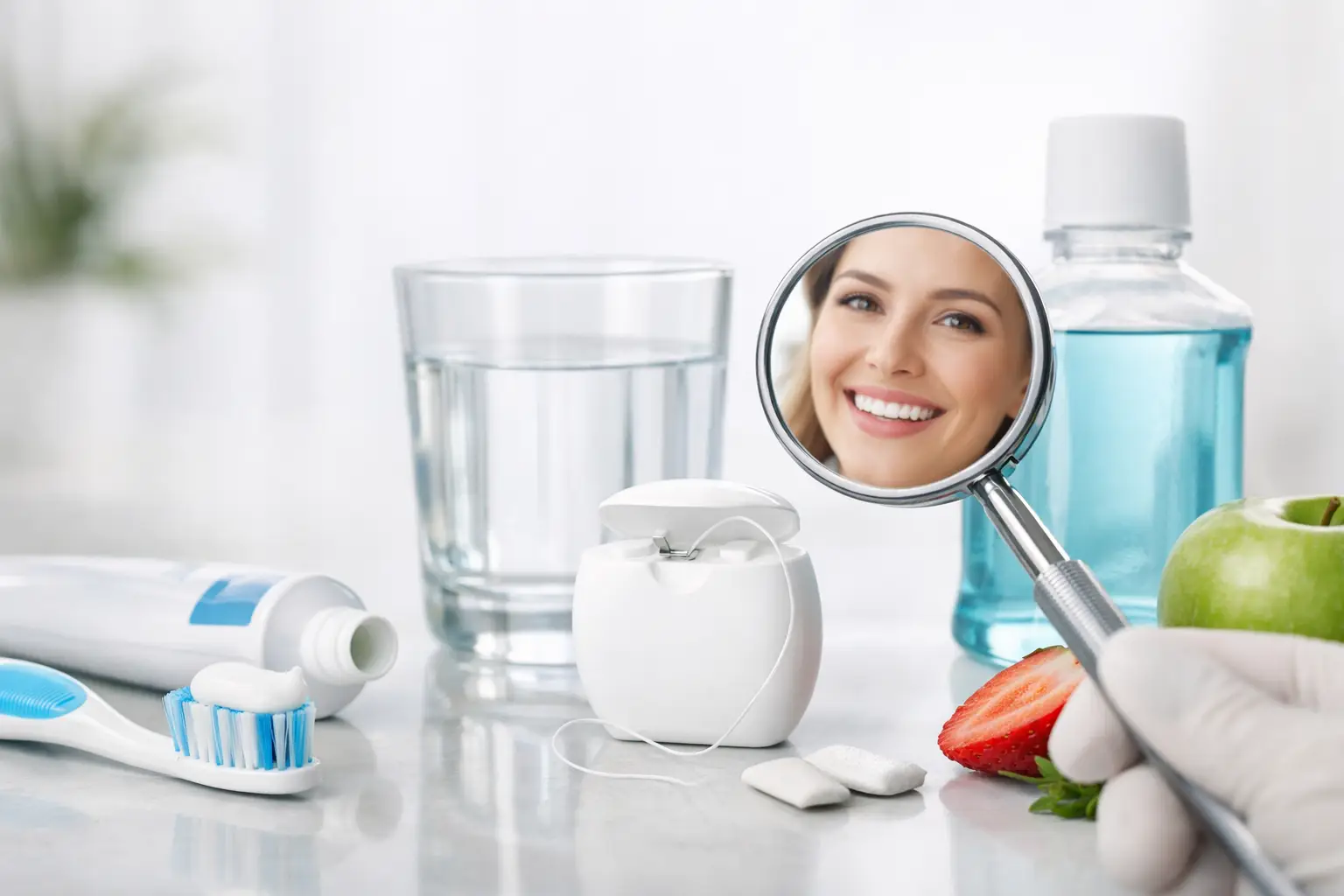
A filling rarely starts with a dramatic warning sign. More often, tooth decay begins quietly - a missed evening brush, frequent sugary snacks, a dry mouth that goes unnoticed, or a check-up delayed for a little too long. The best ways to prevent cavities are usually simple, but they work best when they are consistent and tailored to your routine.
For many adults and families, prevention is not about perfection. It is about building a few reliable habits that protect teeth day after day, and knowing when professional support can make those habits more effective. That matters just as much for children learning good routines as it does for busy professionals, older adults, and anyone who has had repeated problems with fillings in the past.
The best ways to prevent cavities start at home
Cavities develop when bacteria in the mouth feed on sugars and produce acids that soften tooth enamel. If this happens often enough, and the tooth does not have time to recover, decay can begin. Saliva helps repair the early stages of acid damage, which is why both diet and daily cleaning matter so much.
A good home routine does not need to be complicated, but it does need to be thorough. Brushing twice a day with a fluoride toothpaste remains one of the most effective defences against decay. In most cases, two minutes is about right, with careful attention to the gumline and the back teeth where food and plaque can collect more easily.
Technique matters more than pressure. Scrubbing hard can irritate the gums and wear the teeth over time, while gentle, methodical brushing is usually more effective. If you are unsure whether you are cleaning properly, it is worth asking your dentist or hygienist to show you. Small changes in technique can make a noticeable difference.
Why fluoride matters
Fluoride helps strengthen enamel and makes it more resistant to acid attack. For many patients, using a fluoride toothpaste every day is enough. Some people, however, are more prone to decay and may benefit from a higher-fluoride product recommended by a dentist.
This is one of those areas where it depends on your circumstances. Someone with a dry mouth, a history of frequent fillings, orthodontic appliances, or a high-sugar diet may need more support than someone with low decay risk. Prevention works best when it reflects the whole picture, not just one generic rule.
Do not forget between the teeth
Toothbrush bristles do not clean every surface. The spaces between teeth are especially vulnerable because plaque can remain there undisturbed. Cleaning between the teeth once a day with floss or interdental brushes helps remove the bacteria and food debris that can lead to decay and gum problems.
The right tool depends on the shape of your teeth and how much space there is between them. Floss suits some people perfectly. Others find interdental brushes easier and more effective. What matters most is using something consistently rather than choosing the method that sounds ideal but never becomes a habit.
Diet plays a bigger role than many people realise
Many patients assume sugar is the only issue, but frequency is often just as important as quantity. A biscuit with a cup of tea at lunchtime is less harmful than grazing on sweet snacks or sugary drinks throughout the afternoon. Every time sugar reaches the teeth, bacteria produce acid. If that happens repeatedly, the teeth spend more time under attack.
This does not mean you need to remove every treat from your diet. A realistic approach is usually more sustainable. Try to keep sugary foods and drinks to mealtimes rather than snacking on them between meals. Water and milk are kinder to teeth than fizzy drinks, juices, sports drinks, and sweetened coffees.
Sticky foods also deserve a mention. Dried fruit, chewy sweets, and some cereal bars cling to the teeth for longer, which gives bacteria more time to feed. Foods marketed as healthy are not always harmless from a dental point of view.
Watch out for hidden sugar and acid
Some cavity risks are less obvious. Flavoured sparkling water, fruit smoothies, and frequent lemon water can expose teeth to acid even when sugar levels seem modest. Likewise, constant sipping is more damaging than drinking something in one sitting, because it extends the time your enamel is under pressure.
If you do have an acidic drink, having it with a meal is generally better than sipping it slowly over an hour. It is also wise to avoid brushing straight afterwards, as enamel may be temporarily softened. Waiting around 30 minutes gives the teeth time to recover.
Saliva is one of your mouth's best protections
Most people do not think much about saliva until there is not enough of it. Yet saliva helps wash away food particles, neutralise acids, and support early enamel repair. A dry mouth can increase the risk of cavities quite quickly.
This can happen for several reasons. Some medicines reduce saliva flow. Mouth breathing, stress, dehydration, and certain health conditions can do the same. If your mouth often feels dry, especially at night, it is worth mentioning during a dental appointment.
Drinking water regularly can help, and sugar-free gum may stimulate saliva in some cases. But if dryness is persistent, the underlying cause matters. Simply brushing more often may not solve the problem.
Regular check-ups catch problems before they become bigger ones
One of the best ways to prevent cavities is to spot early changes before they turn into holes in the teeth. In the earliest stages, decay can sometimes be managed without a filling if the cause is addressed in time. That is one reason routine examinations are so valuable.
A dentist can assess whether your teeth are showing signs of wear, plaque build-up, dry mouth, or developing decay in places that are difficult to see at home. X-rays may also identify decay between teeth or beneath existing restorations before symptoms appear.
For some patients, six-monthly visits are sensible. Others may need to come more or less often depending on their oral health, age, medical history, and previous treatment needs. A personalised schedule is usually more helpful than assuming the same timing suits everyone.
Hygiene appointments support prevention
Professional cleaning can remove hardened deposits that brushing alone cannot shift, and hygiene visits are often a good opportunity to refine home care. This is particularly useful if you have crowns, bridges, implants, orthodontic retainers, or areas that trap plaque easily.
At 4 Great Stuart Street, prevention is treated as part of long-term care rather than a quick box-ticking exercise. That steadier approach often helps patients feel more confident about maintaining their oral health between visits.
Children and teenagers need a slightly different approach
For families, cavity prevention often comes down to routine and supervision. Children may be enthusiastic brushers, but enthusiasm is not always the same as effectiveness. Most still need help or close checking until they can clean thoroughly on their own.
Fluoride toothpaste should be used in age-appropriate amounts, and brushing before bed matters especially because saliva flow falls overnight. Frequent snacking, juice in sports bottles, and sweet treats after school can all add up, even when brushing seems regular.
Teenagers can be trickier, partly because routines become less supervised and diets often change. Fizzy drinks, energy drinks, and skipped brushing are common problems. A calm, practical conversation usually works better than alarm. The goal is to help them understand consequences early, not wait until they need repeated fillings.
If you are prone to cavities, prevention may need to be more targeted
Some people do everything reasonably well and still seem to need more treatment than expected. If that sounds familiar, it is worth looking beyond the basics. Existing dental work, crowded teeth, gum recession, dry mouth, reflux, and medical conditions can all increase decay risk.
In those cases, the best ways to prevent cavities may include higher-fluoride products, more frequent hygiene visits, dietary review, or closer monitoring of vulnerable areas. There is no failure in needing extra support. Good preventive dentistry is about identifying risk early and responding before more invasive treatment is needed.
It is also worth remembering that prevention is usually less costly, less disruptive, and more comfortable than repair. A small shift now can spare a much larger problem later.
When to ask for advice
If your teeth feel sensitive, food catches repeatedly in one area, or you have not had a check-up for some time, it is sensible to have things assessed rather than wait for pain. Tooth decay does not always hurt in the early stages, and by the time it does, treatment may be more involved.
Even if your mouth feels fine, a professional review can clarify whether your current routine is enough. Many people are only one or two changes away from much better protection.
Healthy teeth are rarely the result of luck alone. They are usually the product of steady habits, sensible choices, and regular care from a dental team that knows your history and looks after your long-term interests.