How to Prepare for Dental Implants
Learn how to prepare for dental implants with practical advice on assessment, healing, costs, timing and aftercare for a smoother treatment journey.
Replacing a missing tooth is rarely just about appearance. For many patients, the real concern is whether treatment will be comfortable, predictable and worth the commitment. If you are wondering how to prepare for dental implants, the most useful place to start is not with the implant itself, but with your overall oral health, your timetable and the questions you want answered before treatment begins.
Dental implants can be an excellent long-term option, but preparation matters. Good planning helps reduce delays, improves healing and gives you a clearer sense of what to expect at each stage. It also helps you decide whether an implant is the right choice for you, rather than simply the most talked-about one.
How to prepare for dental implants before treatment starts
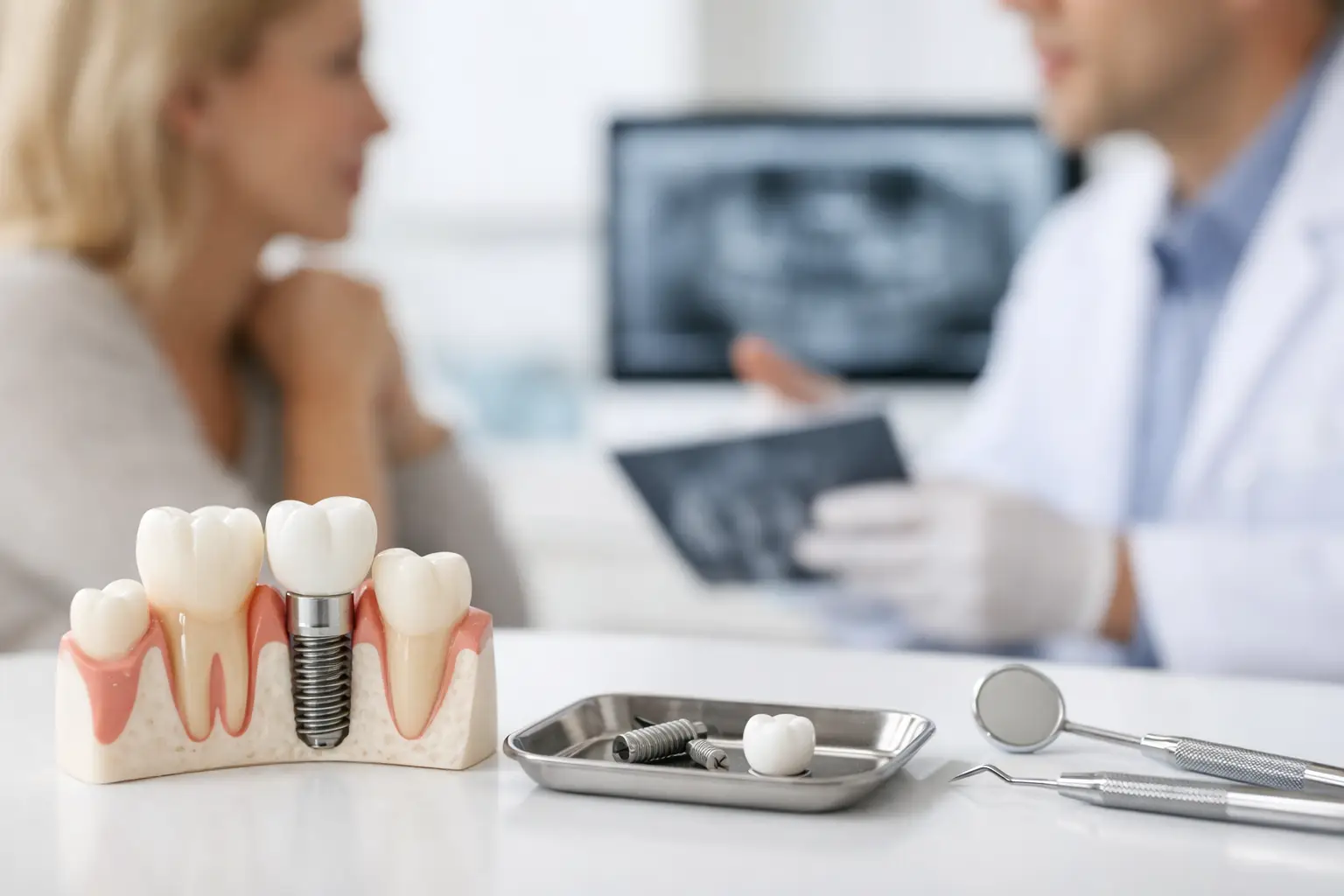
The first step is a proper clinical assessment. An implant needs enough healthy bone for support, and the surrounding gums need to be in good condition. That means your dentist will usually examine your teeth and soft tissues, review your medical history and take appropriate scans or X-rays to assess bone levels and positioning.
This stage is important because dental implants are not a one-size-fits-all treatment. Some patients are ready to proceed quite quickly. Others may need preparatory care first, such as a scale and polish, treatment for gum disease, or removal of a failing tooth. If bone has reduced over time, a graft may also be discussed. None of this automatically rules out implants, but it does affect the plan.
It is also worth being open about your health more generally. Conditions such as uncontrolled diabetes, certain medications, smoking, or a history of teeth grinding can all influence healing and long-term success. In many cases, implants are still possible, but your dentist may want these factors managed carefully before moving ahead.
Get your mouth as healthy as possible
One of the best ways to prepare is to treat implants as part of your wider dental health, not as an isolated fix. If there is active decay, inflamed gums or heavy plaque build-up, these issues should usually be addressed first. Implants do not get decay, but the gums and bone around them still need to stay healthy.
A professional cleaning appointment can be helpful before treatment, especially if you have not been seen for a while. Good brushing and interdental cleaning at home also matter. Your dentist or hygienist may suggest small changes to your routine so your mouth is in the best condition possible before surgery.
This preparation has a practical benefit as well as a clinical one. Patients who already have a reliable oral hygiene routine often find implant aftercare easier, because they are used to cleaning carefully and attending regular reviews.
Ask the right questions early
Many people feel more settled once they understand the timeline. Dental implants often happen over several appointments, and the full process can take a few months depending on healing, the need for extractions, and whether grafting is required.
At the planning stage, it is sensible to ask how many visits you are likely to need, whether you will have a temporary replacement tooth, how long healing may take and what costs are involved at each point. A calm, transparent discussion is particularly important if you are balancing treatment around work, family commitments or travel.
You may also want to ask about alternatives. Bridges and dentures can still be good options in some cases, and a reputable dentist should explain where an implant is likely to offer the most benefit and where another treatment may be more suitable. The right choice depends on bone support, neighbouring teeth, your budget and your own preferences.
Practical ways to prepare for dental implant surgery
Once treatment is planned, the next phase is more straightforward. If you are thinking specifically about how to prepare for dental implants in the days before surgery, focus on practical details that make the appointment and recovery easier.
Try to keep your schedule light for the rest of the day after the implant is placed. Many patients return to normal activities quickly, but it is still sensible to avoid arranging anything demanding immediately afterwards. If you are a nervous patient, it can also help to have someone accompany you to and from the appointment, even if the procedure itself is carried out comfortably under local anaesthetic.
Your dentist will advise you on eating and drinking beforehand, especially if any sedation is planned. Wear comfortable clothing, arrive with time to spare and follow any pre-operative instructions carefully. If you have been prescribed medication in advance, make sure you know when and how to take it.
It is equally helpful to prepare your home for the first day or two after treatment. Soft foods, pain relief recommended by your dentist, and a clear plan for resting can make recovery feel much more manageable.
Smoking, alcohol and healing
If you smoke, this is one of the most important points to discuss honestly. Smoking can interfere with healing and increase the risk of implant problems, particularly in the early stages when the implant is integrating with the bone. Stopping completely is ideal, but even reducing and avoiding smoking around the time of surgery can help.
Alcohol should also be approached sensibly. Your dentist may advise avoiding it for a period before and after the procedure, especially if you are taking medication or if the surgical site needs the best possible conditions for healing.
These conversations are not about judgement. They are about improving the odds of a stable, comfortable result.
Food, work and recovery after placement
Most patients want to know when life will feel normal again. The answer depends partly on the complexity of the procedure. A straightforward single implant often involves mild soreness and swelling for a few days, while more involved treatment may require a little longer.
Stocking up on easy foods beforehand is wise. Yoghurt, soup, scrambled eggs, pasta, softer fish and similar options can be useful in the early period. Very hot drinks, hard foods and anything that may irritate the area may need to wait until your dentist says otherwise.
If your work is desk-based, you may feel ready to return quite soon. If your job is more physical, or if the treatment has been complex, a short period of rest may be more appropriate. It is best to ask for individual advice rather than rely on general assumptions.
Prepare for the longer timeline, not just the procedure
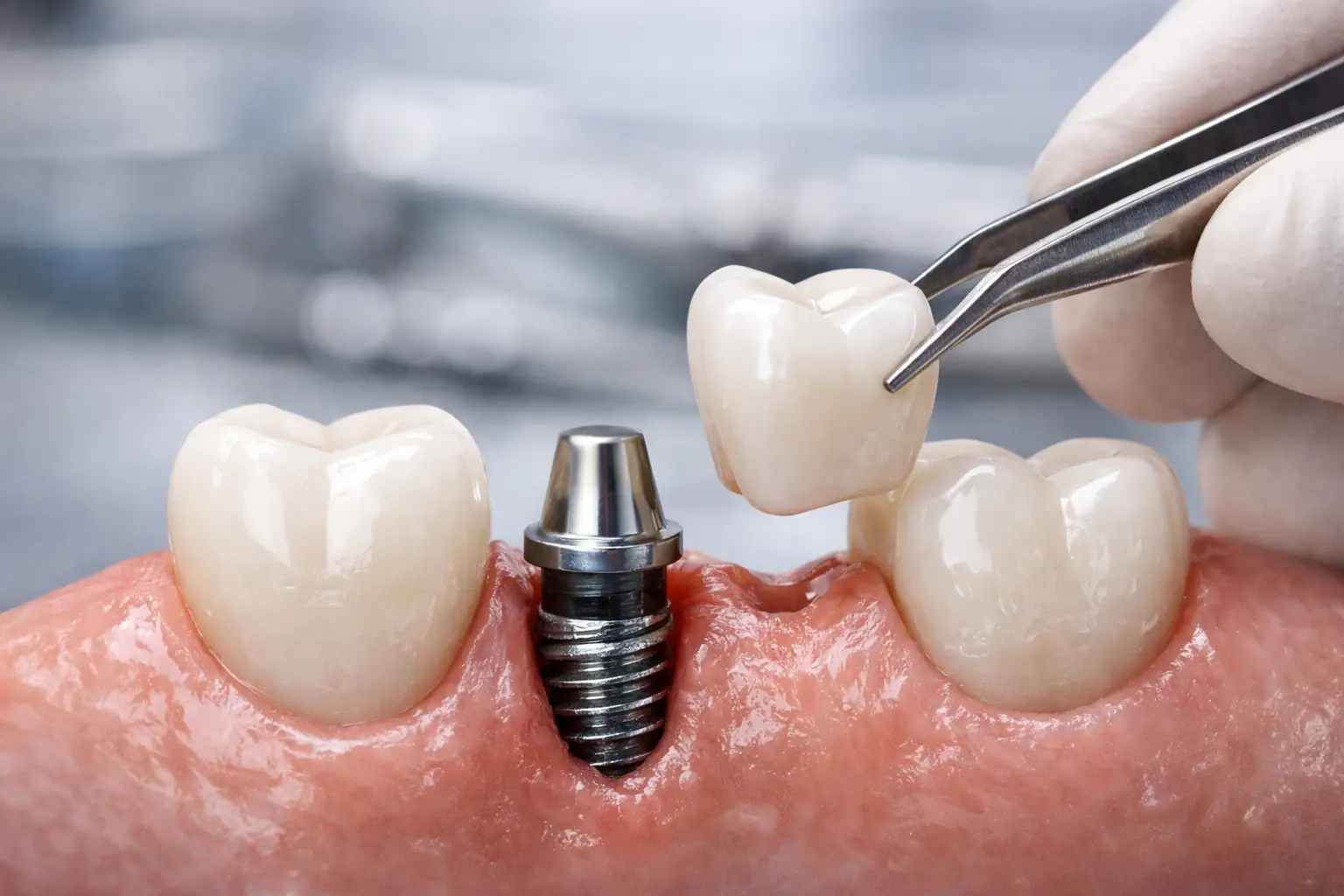
One reason patients sometimes feel unsettled is that they expect the implant appointment to be the whole treatment. In reality, placement is only one part of the process. The bone then needs time to heal around the implant before the final restoration, such as a crown, is fitted.
This healing period is not wasted time. It is what allows the implant to become stable enough to function like a reliable replacement root. In some cases, a temporary tooth may be possible. In others, your dentist may advise waiting to protect the final result.
Patience here matters. Rushing the restorative stage can compromise the outcome, whereas a carefully timed approach tends to be more predictable and comfortable in the long term.
Cost planning matters too
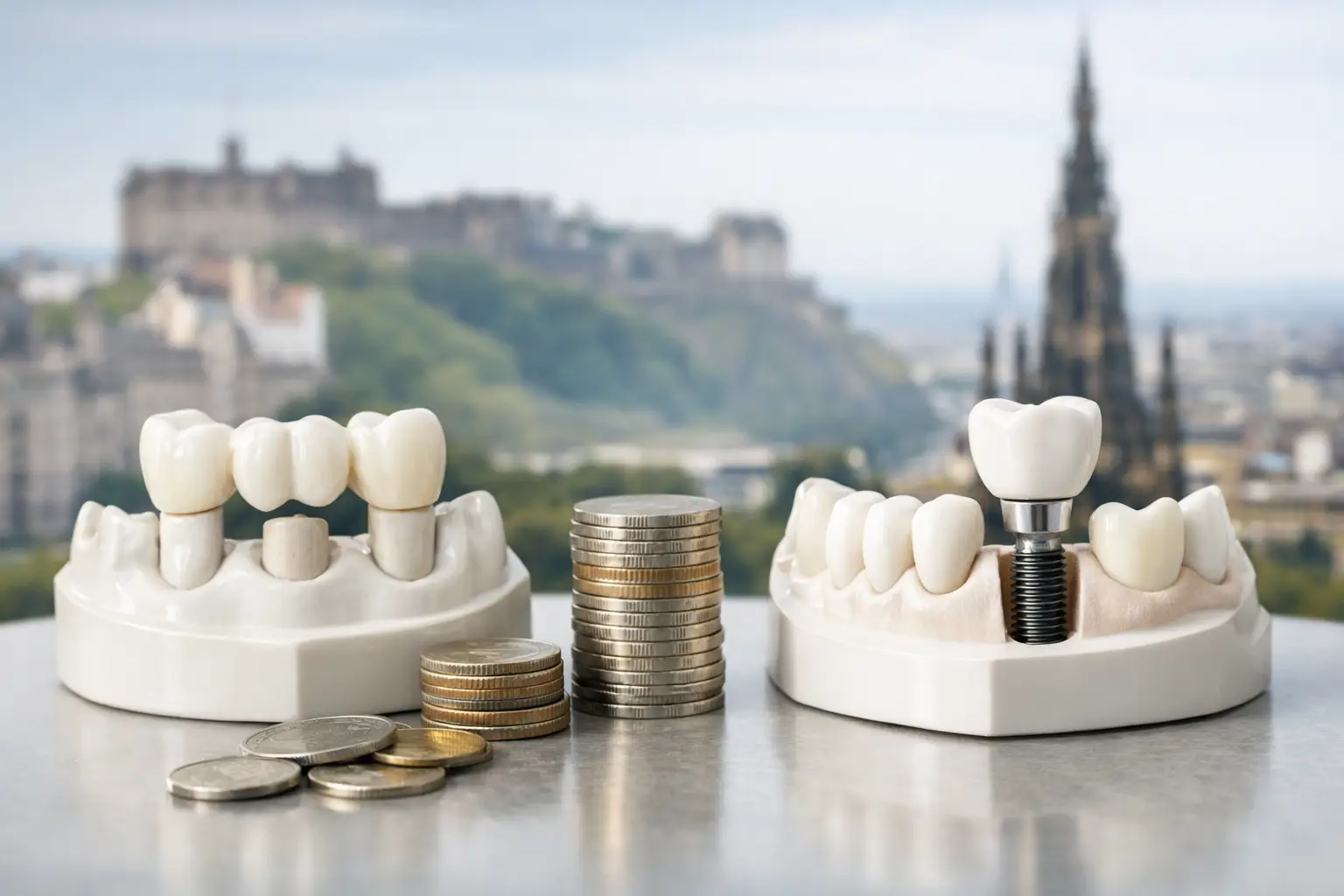
For many patients, preparing for implants also means preparing financially. Implant treatment is an investment, and clear discussion about fees should happen early. You should understand what is included, whether scans or grafting are separate, and when payments are due.
Transparent pricing allows you to make a decision without pressure. It also helps you compare treatment properly. A lower headline figure may not always reflect the full course of care, follow-up appointments or the quality of planning involved.
At an established practice such as 4 Great Stuart Street, this conversation should feel calm and clear, with enough time to consider your options properly.
Emotional preparation matters more than many people expect
Even when patients are keen to replace a missing tooth, they can still feel anxious about surgery. That is completely normal. Good preparation includes choosing a dentist who explains treatment clearly, answers questions patiently and gives you realistic expectations rather than sales language.
For nervous patients, it often helps to say so from the outset. A considerate team can talk you through the process step by step, explain what sensations to expect and help make the experience feel controlled and manageable.
Confidence usually comes from clarity. When you know what will happen, why it is being recommended and what recovery should look like, the whole process tends to feel far less daunting.
A successful implant journey starts before any treatment begins. The more carefully you prepare your oral health, your schedule and your expectations, the easier it is to move forward with confidence and peace of mind.