A Single Tooth Implant Example in Practice
See a single tooth implant example, from assessment to final crown, and learn what affects timing, comfort, suitability and long-term care in Edinburgh.
A missing tooth can affect more than a photograph or a favourite meal. A gap may make chewing less comfortable, allow nearby teeth to move over time, or leave you feeling self-conscious when you speak. This single tooth implant example shows how treatment is usually planned, what the stages involve, and why a careful assessment matters as much as the final result.
The details will always vary between patients. An implant is not a one-size-fits-all treatment, and a reputable dentist will discuss whether it is the most suitable way to replace your tooth before recommending it.
A single tooth implant example: replacing a lost back tooth
Imagine a patient who has lost a lower first molar following a crack beneath an old filling. The tooth has been removed, the site has healed, and the patient is finding it increasingly difficult to chew comfortably on that side. The teeth either side of the gap are healthy and have no large fillings or crowns.
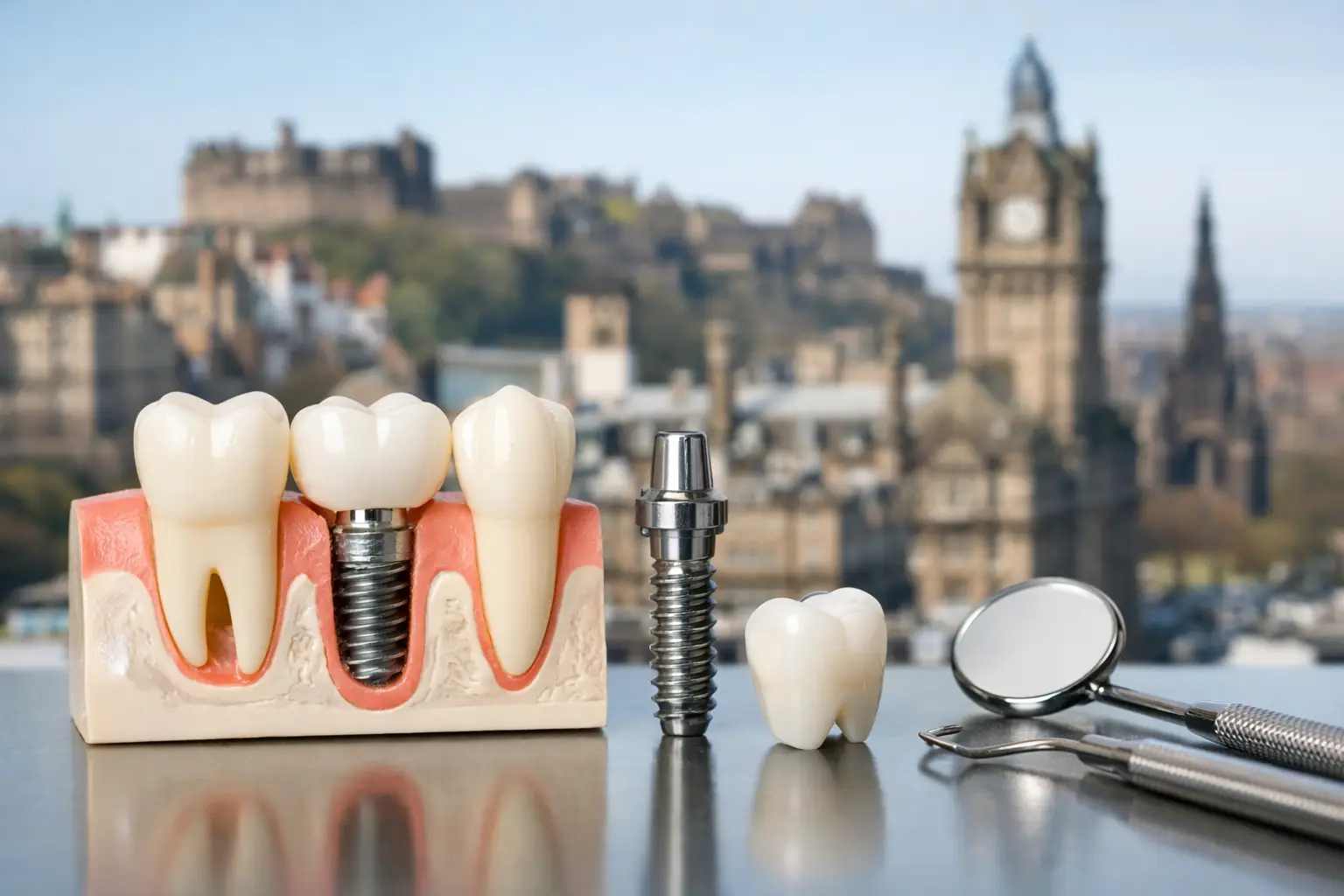
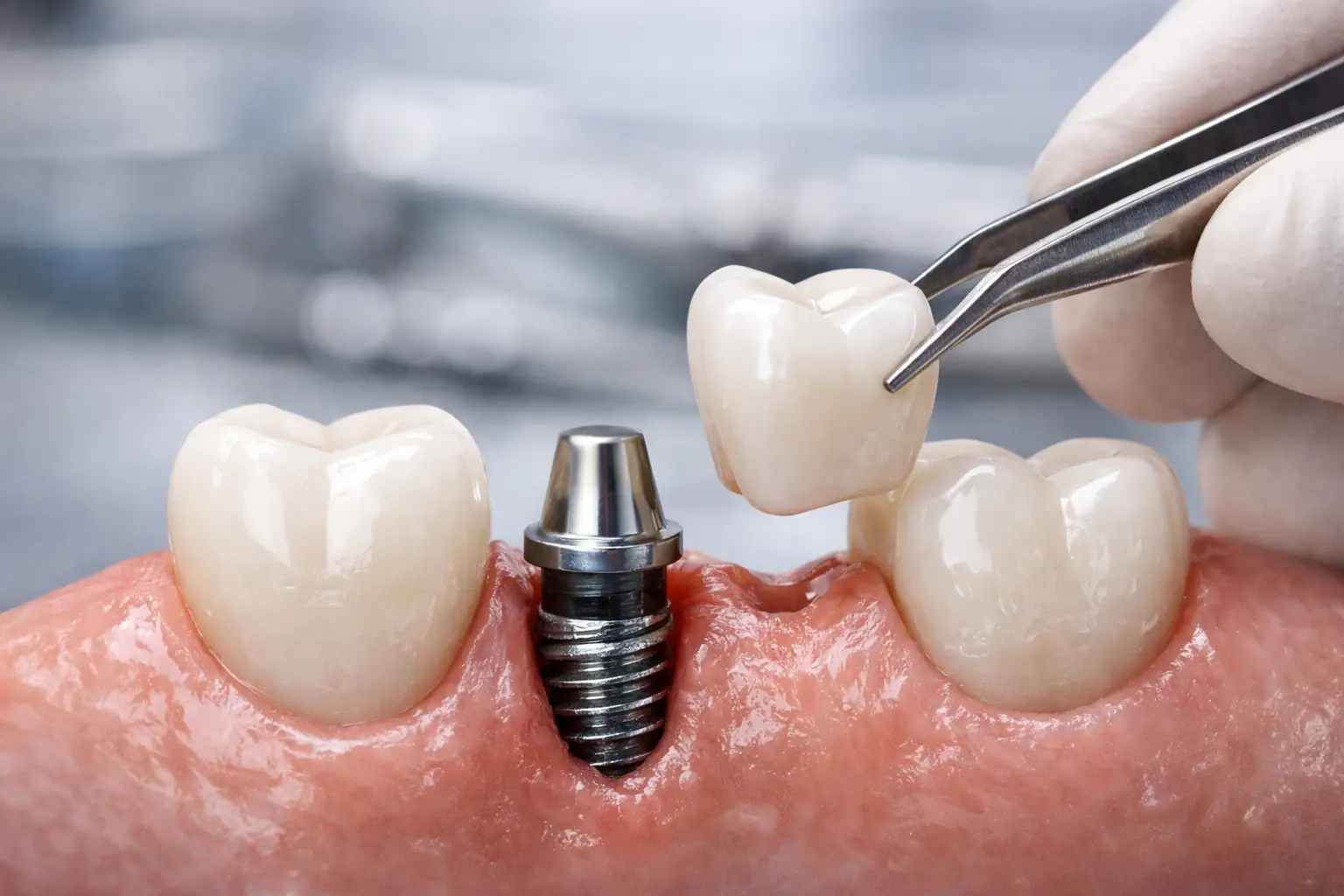
A single dental implant can be a good option in this situation. Rather than reducing the healthy neighbouring teeth to support a conventional bridge, the dentist may place a small titanium implant into the jawbone. Once it has integrated with the bone, it supports an individually made crown that looks and functions much like a natural tooth.
The aim is not simply to fill a space. It is to restore a stable bite while respecting as much healthy tooth structure as possible. That is one reason implants are often considered when only one tooth is missing, particularly where the adjacent teeth are sound.
The assessment comes first
Before treatment begins, your dentist needs to understand why the tooth was lost and whether the mouth is healthy enough to support an implant. This usually involves a detailed examination, X-rays and, where needed, a three-dimensional scan to assess the amount and shape of available bone.
Your gums are equally important. Active gum disease needs to be treated and brought under control before implant treatment, as healthy gums provide the best foundation for long-term care. Your dentist will also look at how your teeth meet, whether you clench or grind, and the condition of the teeth around the gap.
Medical history matters too. Certain health conditions, medications and smoking can affect healing or alter the risks involved. None of these automatically rule out treatment, but they should be discussed openly. The right decision is based on your individual health, bone quality, bite and expectations, not on a standard checklist.
In the example above, the scan confirms that there is sufficient bone for an implant and that the gum tissues are healthy. The patient and dentist can then agree a treatment plan, including the likely timetable, fees and aftercare.
What happens during implant treatment?
The first treatment stage is placement of the implant itself. This is a small post that acts as the root of the replacement tooth. It is placed carefully into the jawbone under local anaesthetic. Many patients are surprised that the procedure feels more straightforward than they expected, although it is normal to have some swelling or tenderness afterwards.
Following placement, the implant needs time to heal and form a firm connection with the bone. This process is called osseointegration. For many patients, healing takes several months, though the exact timing depends on the site, bone quality and whether any additional treatment has been needed.
During this period, a temporary tooth may be appropriate, particularly if the missing tooth is visible when you smile. For a back tooth, a temporary replacement is not always necessary. Your dentist will explain what is safe and practical for your particular case, rather than promising an immediate result where it would place too much pressure on the implant.
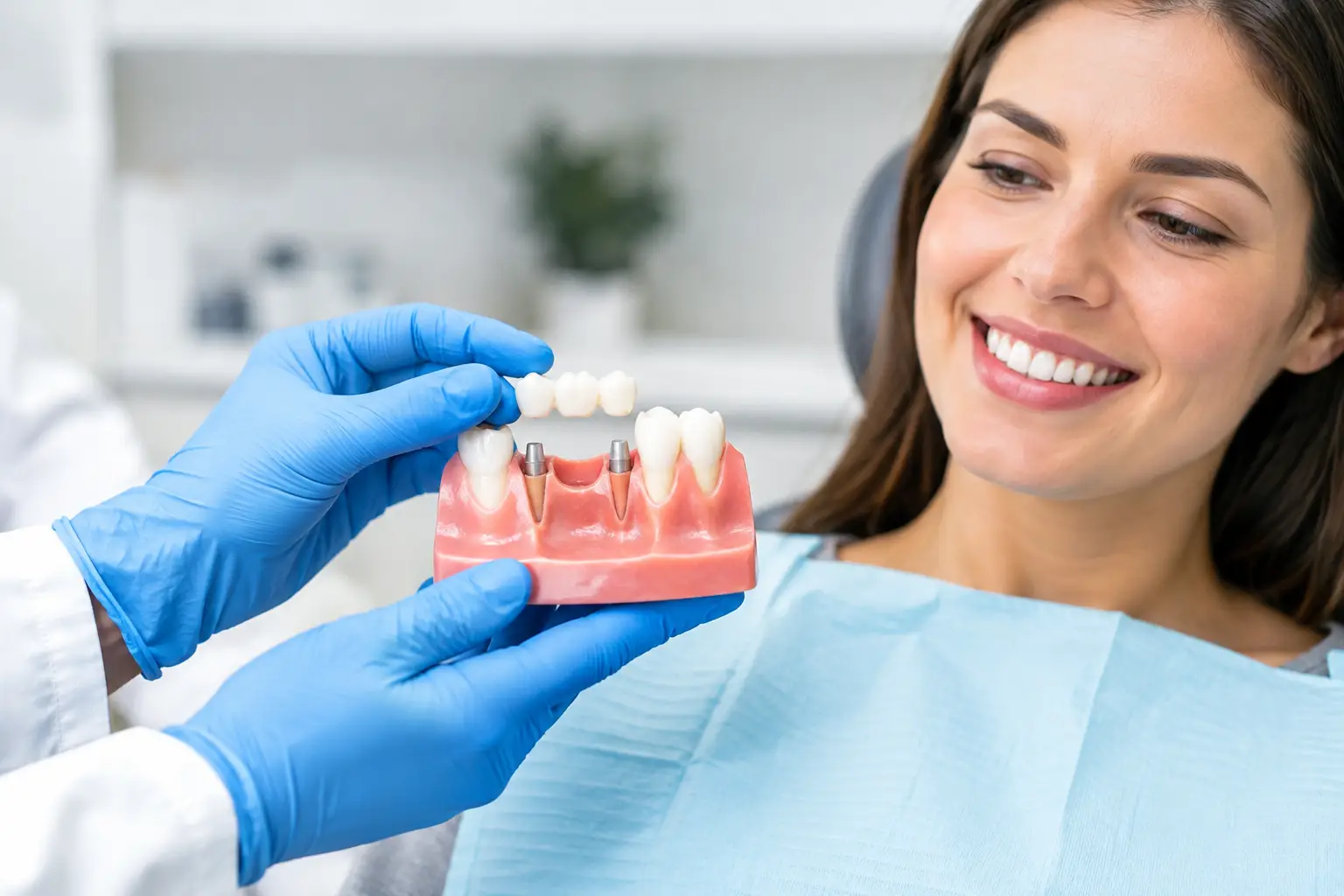
Once healing is complete, a connector called an abutment is fitted to the implant. A crown is then designed to match the colour, shape and position of your surrounding teeth. The finished crown is secured to the implant, restoring the gap with a fixed tooth replacement.
What the finished result should feel like
A well-planned implant crown should feel stable when you bite and should sit comfortably alongside the neighbouring teeth. It should also be shaped so that you can clean around it properly. A crown can be made to blend naturally with your smile, but dentists also need to balance appearance with function, gum health and the way you bite.
In our single tooth implant example, the patient can return to chewing more evenly and no longer has to avoid one side of the mouth. The healthy teeth next to the gap remain untouched. However, an implant is not a natural tooth that can be ignored. It needs regular cleaning and professional review to help keep the surrounding gum and bone healthy.
When the process may take longer
Not every missing tooth can be replaced on the same timetable. If a tooth has only recently been removed because of infection, the area may need time to settle before implant placement. In other cases, the dentist may be able to place an implant at the same appointment as the extraction, but this depends on the condition of the socket, the bone and the gums.
Sometimes there is not enough bone to support an implant securely. Bone grafting may then be discussed before or alongside implant treatment. This adds time and cost, but can create a stronger foundation where it is clinically appropriate.
The front of the mouth can also require more detailed planning. Small differences in gum level, tooth colour and crown shape are more visible there. A temporary tooth may be particularly helpful, and the final crown may not be fitted until the gum tissues have matured. Taking time at this stage can make a meaningful difference to the appearance of the final result.
Is an implant always the best choice?
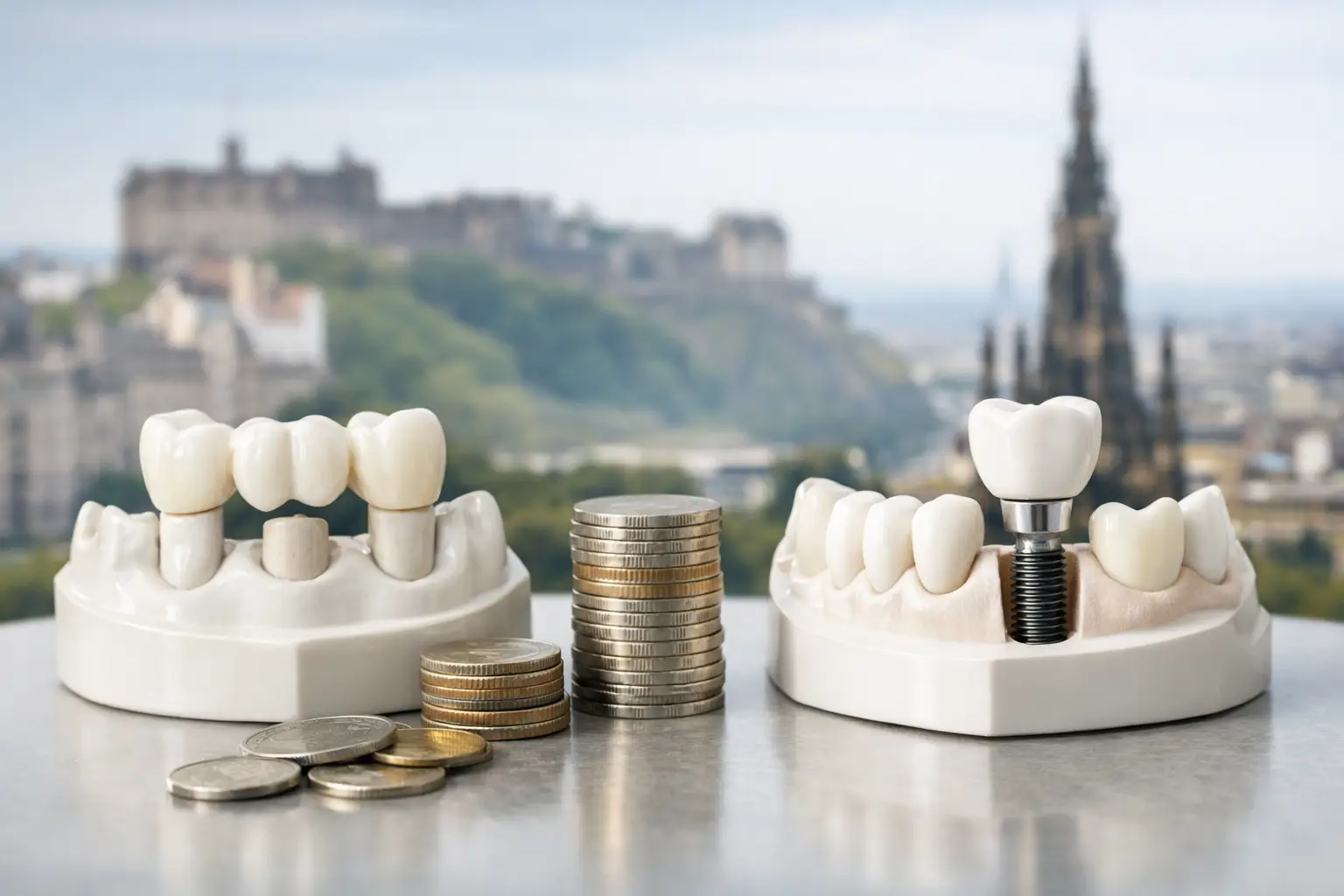
No. A dental bridge, removable denture or, in some cases, leaving the space alone may be more suitable. A bridge can be a sensible option where the adjacent teeth already need crowns, while a denture may suit patients looking for a less invasive or lower-cost replacement.
Implants involve a surgical procedure, a longer treatment journey and a commitment to cleaning and review appointments. They are also not guaranteed to last forever. Like natural teeth, they can develop problems if plaque is allowed to build up, if gum disease returns, or if excessive bite forces are not managed.
That is why a good consultation should feel like a conversation, not a sales pitch. Your dentist should explain the benefits, limitations, alternatives and likely maintenance requirements in clear terms. The best option is the one that is safe, sustainable and right for your priorities.
Caring for a single implant crown
Daily cleaning around an implant is essential. Brushing twice a day with fluoride toothpaste remains the starting point, but the space between the implant crown and neighbouring teeth also needs attention. Your dentist or hygienist can show you whether interdental brushes, floss designed for implants or another method is most appropriate.
Regular examinations and hygiene appointments allow the implant, crown and surrounding gums to be checked. Early signs of inflammation can often be managed more easily than established problems. If you grind your teeth, a protective night guard may also be recommended to reduce strain on the crown and implant.
A replacement crown may eventually be needed through normal wear or damage, even where the implant itself remains healthy. This is one of the practical points to consider when planning for long-term care.
Questions worth asking at your consultation
Ask whether you have enough healthy bone and gum tissue, whether any grafting or gum treatment may be needed, and how long treatment is likely to take in your case. It is also sensible to ask about the temporary tooth, the material planned for the final crown, the full cost of treatment and what ongoing reviews involve.
For patients who feel anxious about dental treatment, let the team know from the beginning. A calm pace, clear explanations and time to ask questions can make implant treatment feel far more manageable. At 4 Great Stuart Street, treatment planning is approached with the care and continuity expected from a practice built on trust.
Replacing one missing tooth is a significant decision, but it need not be a rushed one. A thoughtful assessment gives you the space to understand your choices and choose a solution that supports your comfort, confidence and oral health for the years ahead.