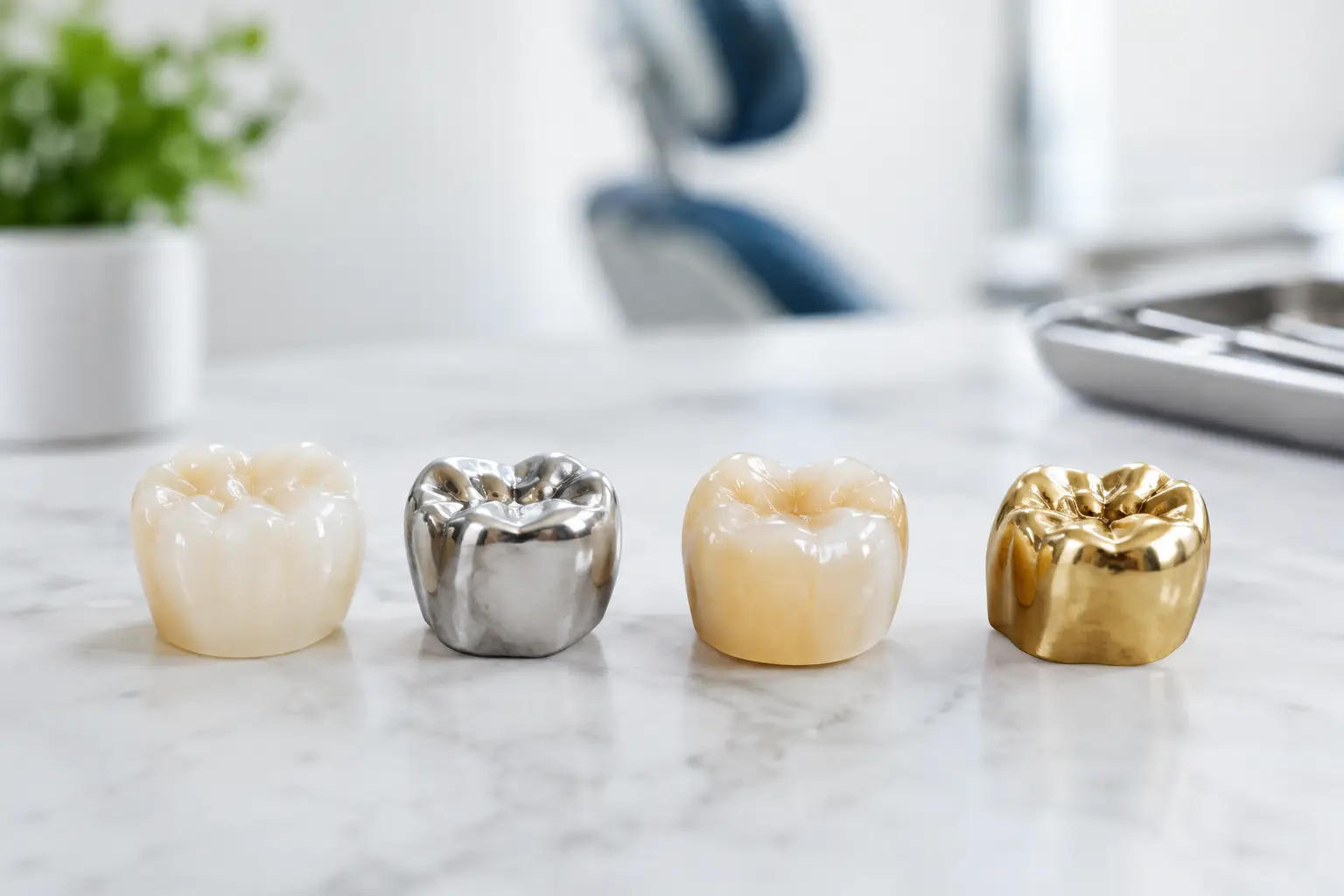
Dental Bridge Treatment Guide for Missing Teeth
Our dental bridge treatment guide explains types, costs, fitting and aftercare, so you can replace a missing tooth with confidence in Edinburgh calmly.
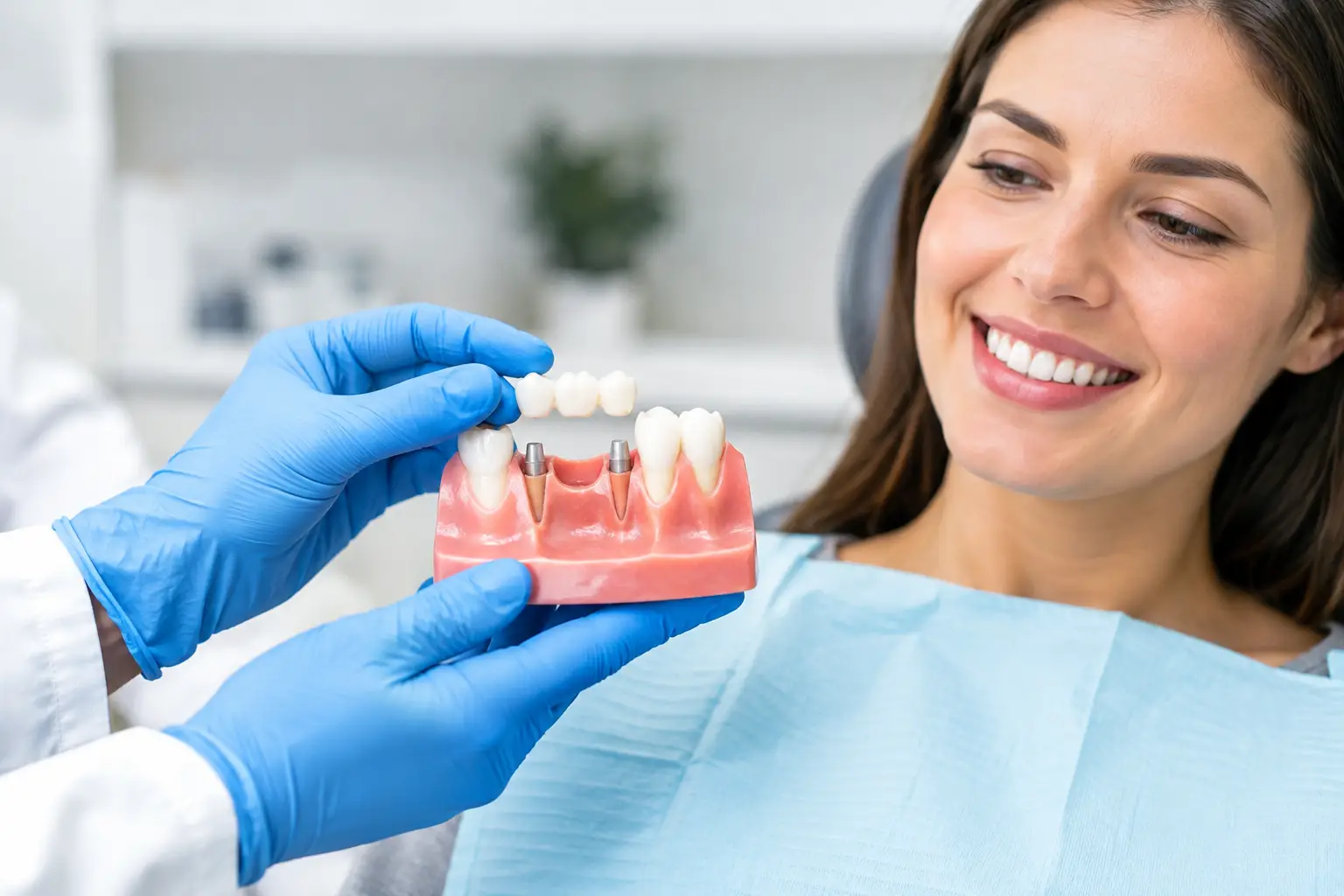
A missing tooth can change more than your smile. It may affect how confidently you eat, speak and laugh, while nearby teeth can gradually drift into the space. This dental bridge treatment guide explains how a bridge works, when it may be suitable and what to expect from the process, so you can make a considered choice about restoring your smile.
A bridge is not automatically the right answer for every gap. The health of your remaining teeth, gums and bite all matter. A careful assessment makes sure treatment is comfortable, functional and designed to last.
What is a dental bridge?
A dental bridge replaces one or more missing teeth by fixing an artificial tooth, known as a pontic, to the teeth beside the gap or to dental implants. The replacement tooth is shaped and coloured to sit naturally within your smile.
For many people, a bridge offers a fixed alternative to a removable denture. Unlike a denture, it remains in place while you eat and speak. It can also help to maintain the position of adjacent teeth and provide support for the bite.
The best design depends on the location of the missing tooth and the condition of the surrounding teeth. A bridge at the front of the mouth may have different aesthetic considerations from one replacing a back tooth, where biting forces are greater.
Dental bridge treatment guide: choosing the right type
There are several types of bridge, each with particular advantages and limitations. Your dentist will talk through the options in relation to your oral health, priorities and budget.
Conventional bridge
A conventional bridge is supported by crowns placed over the teeth on either side of the gap. These supporting teeth are carefully prepared, and the crowns and replacement tooth are joined together as one restoration.
This can be a strong and dependable option where the neighbouring teeth already have large fillings, crowns or other reasons to need protection. The trade-off is that healthy tooth structure must be adjusted to make room for the crowns. It is therefore not always the first choice where adjacent teeth are completely sound.
Adhesive bridge
Also called a resin-bonded or Maryland bridge, an adhesive bridge is usually attached to the back of one neighbouring tooth with a discreet wing. It generally involves little or no drilling of that supporting tooth.
This conservative approach is often considered for a single missing front tooth, particularly when the supporting tooth is healthy. It may not suit every bite or every area of the mouth, as the bond can be under more pressure when replacing certain teeth. If it does loosen, it can often be re-bonded, although this depends on the individual situation.
Cantilever bridge
A cantilever bridge is supported from one side only. It can be useful in carefully selected cases, but it places additional force on the supporting tooth and is not suitable for all positions. Your dentist will assess whether the tooth and bite can safely support it.
Implant-supported bridge
Where several teeth are missing, dental implants can support a bridge without relying on natural neighbouring teeth. Implants are placed in the jawbone and act as replacement tooth roots, with the bridge attached after healing.
This approach can preserve the teeth next to the gap and provide excellent stability. However, it involves a longer treatment journey, surgery and a higher initial cost. Adequate bone levels and general health are also considered before implant treatment is recommended.
What happens during bridge treatment?
Your first appointment is a consultation rather than a commitment. Your dentist will examine your teeth and gums, discuss any symptoms, assess your bite and may take X-rays or digital scans. This is the point to raise practical concerns, such as a busy work schedule, dental anxiety or whether you are considering a bridge instead of an implant or denture.
Before a bridge is fitted, any gum disease or active decay needs to be addressed. A bridge relies on a healthy foundation. Placing one over untreated problems risks discomfort and may shorten the life of the restoration.
For a conventional bridge, the supporting teeth are prepared under local anaesthetic where needed. Impressions or digital scans are then used to create a bridge that fits accurately. A temporary restoration may be placed while your final bridge is being made, especially where appearance or comfort requires it.
At the fitting appointment, your dentist will check the shape, shade and bite before securing the bridge. Small adjustments are sometimes needed so that your teeth meet comfortably. Adhesive bridges can often involve a simpler fitting process because the supporting tooth needs minimal preparation.
It is normal to need a short period of adjustment. Your tongue and bite may notice the new shape at first, but most people adapt quickly. If the bridge feels high, sharp, loose or uncomfortable when biting, contact the practice rather than trying to tolerate it.
How long does a dental bridge last?
A well-made bridge can last many years, but there is no fixed guarantee. Its lifespan is influenced by the bridge design, the health of the supporting teeth and gums, how strongly you bite, and how well it is cared for at home.
The bridge itself cannot decay, but the natural teeth around it can. Decay at a crown edge, gum disease and repeated heavy pressure can all compromise a bridge. This is why routine examinations and hygiene appointments remain just as important after restorative treatment as before it.
If you grind or clench your teeth, a night guard may be advised to protect the bridge and your remaining teeth. It is a small preventive step that can reduce avoidable strain.
Looking after a dental bridge
Brush twice a day with fluoride toothpaste, paying close attention to where the bridge meets the gumline. Cleaning underneath the replacement tooth is also essential, as plaque can collect there even though the tooth is artificial.
Your dentist or hygienist can show you the most suitable technique and products. Interdental brushes, floss threaders or specialist bridge floss may help you clean beneath the pontic, depending on the design and space available. The right tool should fit gently - forcing an interdental brush can damage gums or make cleaning less effective.
Try not to use your bridge to open packaging or bite very hard objects such as ice. This advice applies to natural teeth too, but a bridge concentrates chewing forces in particular areas. Regular check-ups allow your dentist to monitor the bridge, the supporting teeth and your gum health before a small issue becomes more complex.
Costs, NHS care and private treatment
The cost of a bridge varies according to the number of teeth being replaced, the materials used, the complexity of your bite and whether preparatory treatment is needed. An adhesive bridge may involve a different level of work from a multi-unit conventional or implant-supported bridge.
Some bridge treatment may be available under NHS dentistry where it is clinically appropriate, while other choices may be provided privately. NHS treatment is based on clinical need and the options available may differ from private treatment, particularly where specific materials or aesthetic preferences are involved. Your dentist should explain what is suitable in your circumstances, along with fees and alternatives, before treatment begins.
At 4 Great Stuart Street, discussions about bridges are approached as part of longer-term dental care. The aim is not simply to fill a gap, but to help you choose a solution that respects your health, comfort and future needs.
When to book an assessment
It is worth arranging an appointment if you have a recent gap, a loose existing bridge, food trapping around a missing tooth or changes in the way your teeth meet. You should also seek advice if a bridge has chipped, feels mobile or causes pain when chewing.
Leaving a missing tooth untreated is not always harmful immediately, and in some cases monitoring may be reasonable. However, the longer a gap is present, the more likely it is that teeth may move or the bite may change. A calm conversation with your dentist can clarify whether treatment is needed now, later or not at all.
The most reassuring choice is one made with a clear understanding of the alternatives. A bridge can be an excellent, natural-looking solution when it is carefully planned, properly maintained and chosen for the right reasons.