Dental Implant Process Guide for Edinburgh Patients
Our dental implant process guide explains each stage, from consultation and planning to fitting and aftercare, so you can make a calm, informed choice.
A missing tooth can affect more than your smile. It may change how confidently you eat, speak or laugh, and over time it can alter the way neighbouring teeth are supported. This dental implant process guide sets out what treatment usually involves, why each stage matters, and the questions worth asking before you decide whether implants are right for you.
Dental implants are a long-term way of replacing missing teeth, but they are not a quick cosmetic fix. The process is carefully planned around your oral health, bone support and the result you hope to achieve. For many patients, that measured approach is part of the reassurance.
What is a dental implant?
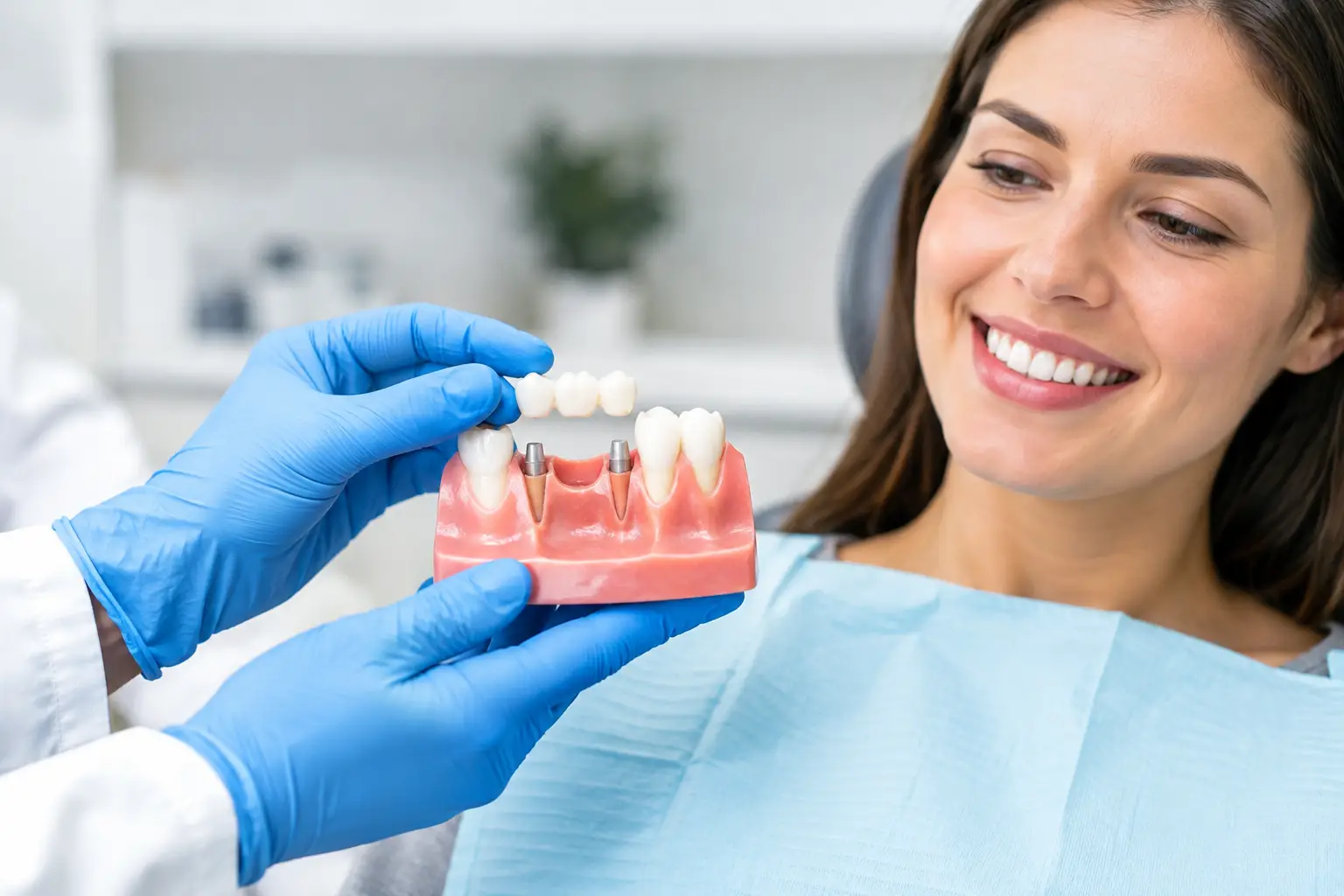
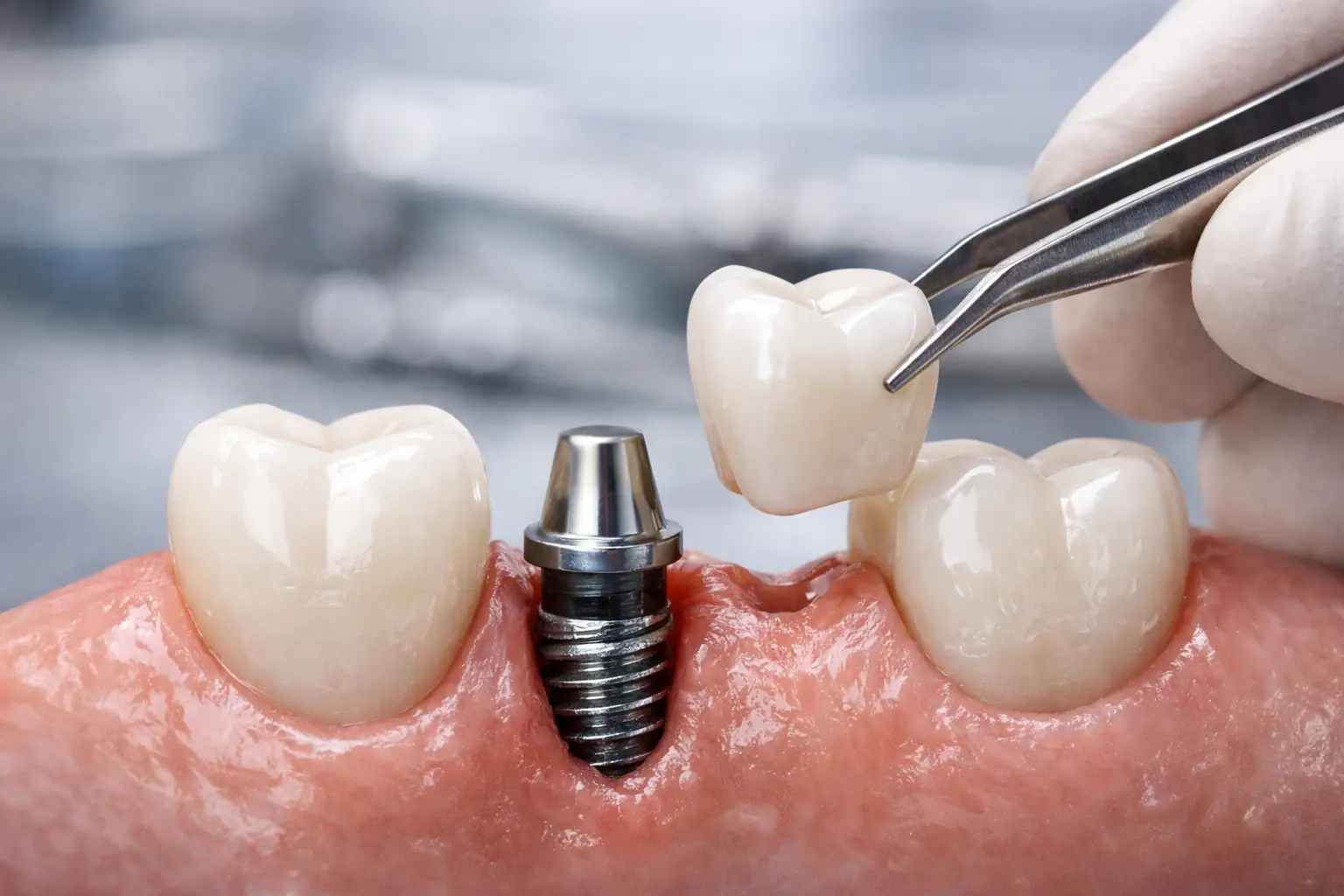
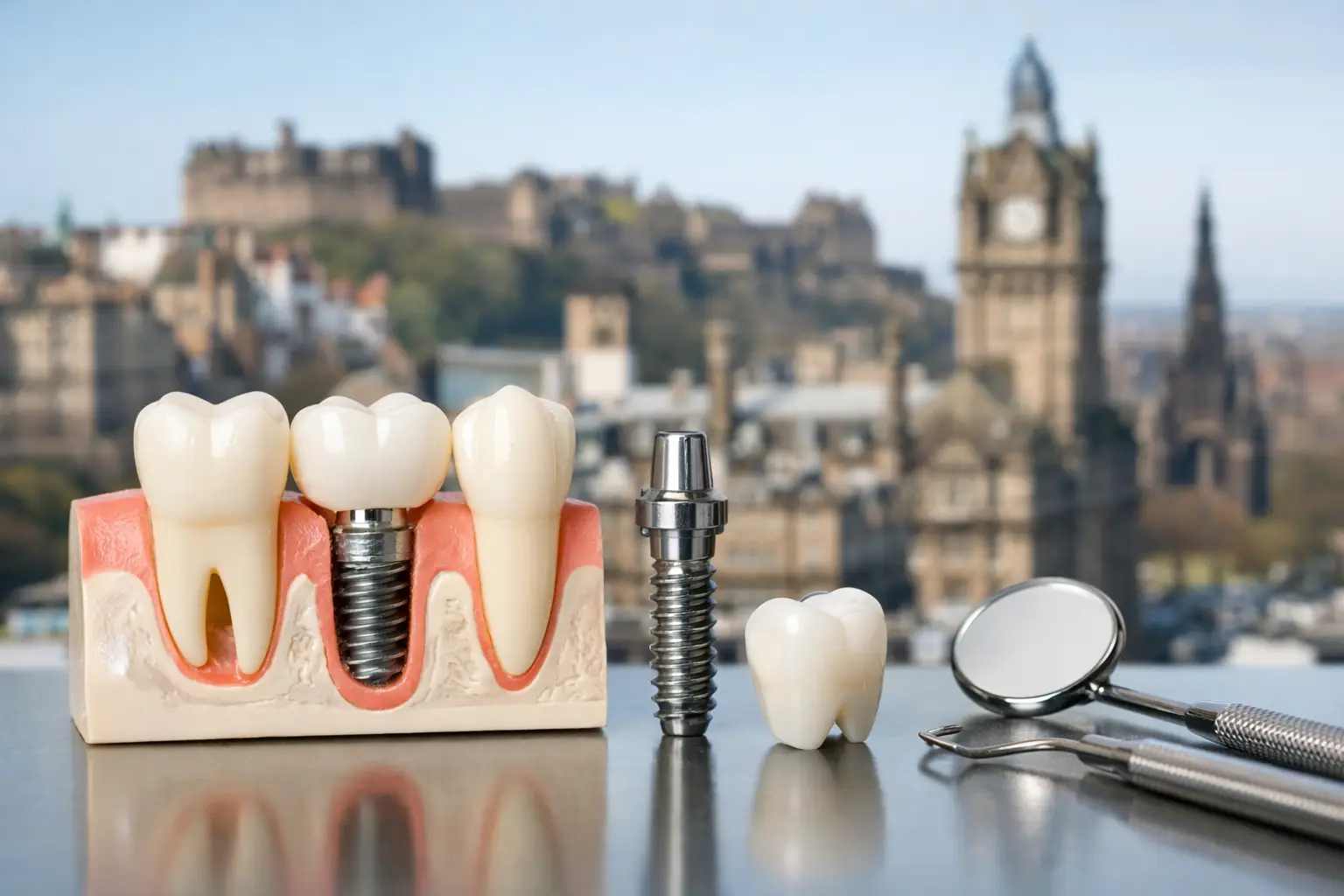
A dental implant is a small titanium post placed into the jawbone to act as an artificial tooth root. Once it has healed and integrated with the bone, it can support a crown for one missing tooth, a bridge for several teeth, or help secure a denture.
The visible tooth is made to match your surrounding teeth as closely as possible in colour, shape and bite. The implant itself remains beneath the gum line. This means an implant can look and feel more like a natural tooth than a removable denture, although the right choice will always depend on your individual circumstances.
The dental implant process, step by step
1. Your consultation and oral health assessment
The first appointment is a conversation as well as a clinical examination. Your dentist will ask about the tooth or teeth you have lost, your medical history, any medication you take, and what you would like treatment to achieve. Some people are mainly concerned about chewing comfortably again; others want to avoid a denture or improve the appearance of a gap.
Your gums, remaining teeth and bite will be assessed carefully. X-rays and, where appropriate, a 3D scan help show the quality and quantity of jawbone, as well as the position of important structures such as nerves and sinuses. This planning reduces uncertainty and helps your dentist decide whether an implant is suitable, safe and likely to offer a predictable result.
If you have gum disease, untreated decay or an active infection, these issues usually need attention before implant treatment begins. This is not a delay for its own sake. Healthy gums and good plaque control are central to the long-term success of an implant.
2. A tailored treatment plan and clear costs
Once the assessment is complete, you should receive a clear explanation of the recommended treatment. This will cover the number of implants required, whether bone grafting or other preparatory treatment is needed, the expected timescale and the likely fees.
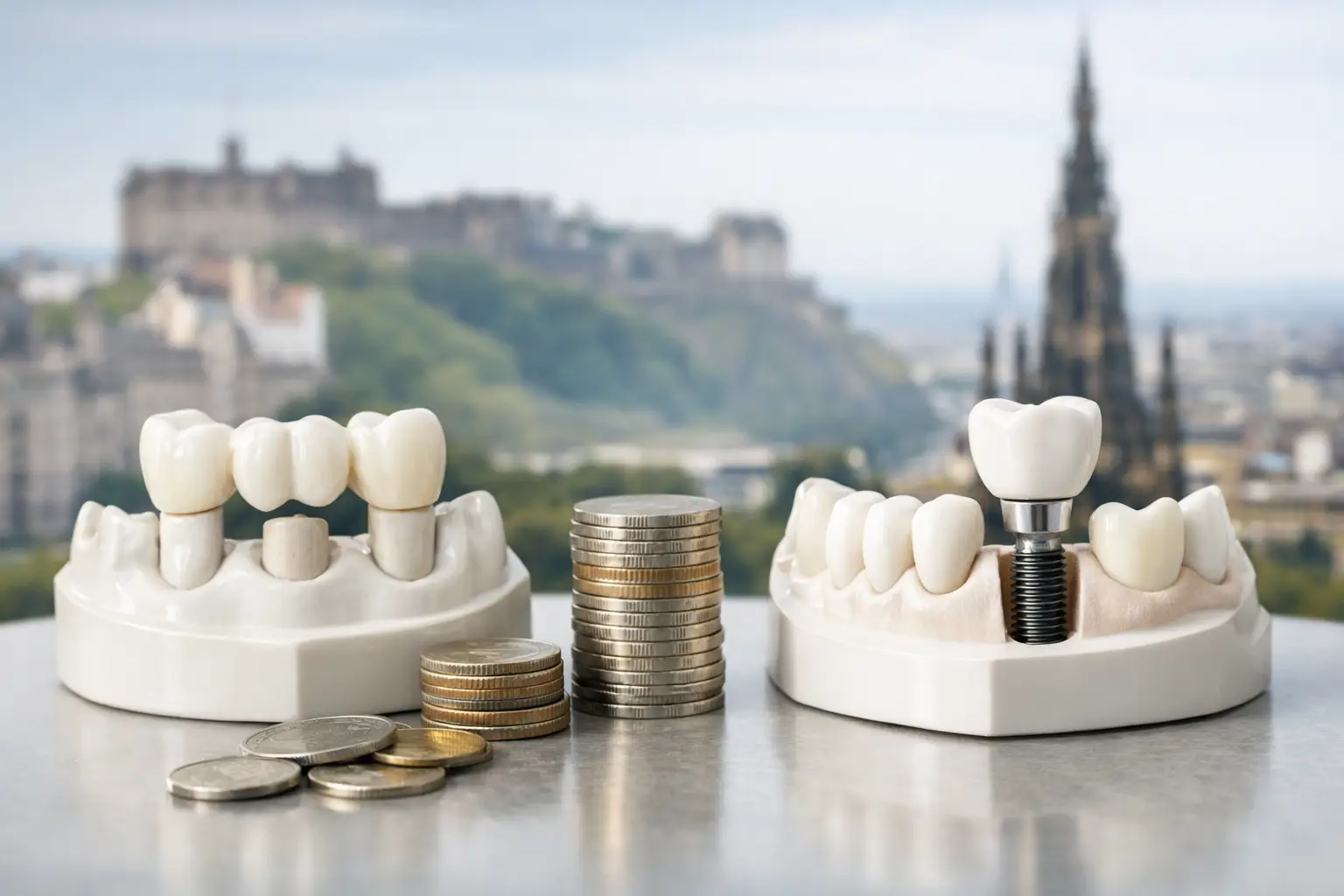
There is no single price or timetable for every implant case. Replacing one front tooth may involve different aesthetic considerations from restoring a back tooth that takes heavy chewing forces. A bridge supported by implants and a stabilised denture are also planned differently. A good plan explains the alternatives, including a conventional bridge or denture where appropriate, rather than assuming implants are the only answer.
At 4 Great Stuart Street, patients considering restorative treatment can expect a discussion that is practical, unhurried and focused on what is clinically appropriate for them.
3. Preparing the mouth where necessary
Some patients can move directly to implant placement. Others need a little preparation first. If a tooth is still present but cannot be saved, it may need to be removed. In certain cases, an implant can be placed at the same appointment as an extraction. In others, allowing the area to heal first offers a more reliable foundation.
Where bone has reduced after a tooth has been missing for some time, a bone graft may be advised. This involves adding graft material to build or preserve the supporting bone. In the upper back jaw, a sinus lift may occasionally be needed to create sufficient space for an implant. These procedures can extend the overall treatment time, but may make a stable, well-positioned implant possible.
Your dentist should explain why any preparatory step is being recommended and what would happen if it were not carried out. The best option is not necessarily the fastest one.
4. Implant placement
Implant surgery is normally performed using local anaesthetic, so the area is fully numb. Many patients find the appointment more straightforward than they expected, particularly when the treatment has been explained clearly beforehand. If you feel anxious about dental treatment, say so early. A calm pace, opportunities to ask questions and a clear plan for the day can make a meaningful difference.
The dentist makes a small opening in the gum and prepares the bone precisely before placing the implant. The gum is then closed around it, or a small healing component may be left visible. The surgical stage commonly takes around one to two hours for a single implant, although this varies with the complexity of the case.
Afterwards, mild swelling, tenderness and bruising are possible for a few days. Most people manage this with the pain relief recommended by their dentist, a softer diet and sensible rest. You will be given individual aftercare instructions, including how to keep the area clean and when to contact the practice.
5. Healing and integration
The next stage requires patience. Over several weeks or months, the jawbone grows around the implant in a process called osseointegration. This is what gives an implant its strength and stability.
Healing times vary. The location of the implant, the quality of bone, whether grafting was needed and your general health can all affect the schedule. Smoking can significantly increase the risk of complications and implant failure, while poorly controlled diabetes and untreated gum disease may also affect healing. These factors do not always rule treatment out, but they need an honest discussion before proceeding.
In some carefully selected cases, a temporary tooth can be fitted soon after implant placement. This can be helpful for a visible front tooth, but immediate loading is not suitable for everyone. The priority is protecting the implant while it heals.
6. Fitting the final crown, bridge or denture
When your dentist is satisfied that the implant has integrated successfully, impressions or digital scans are taken to design the final restoration. The crown, bridge or denture is created to sit comfortably against the gums, work with your bite and blend naturally with the teeth around it.
The fitting appointment is not simply about appearance. Your dentist will check how the new tooth meets the opposing teeth when you bite and move your jaw. Small adjustments are sometimes needed to ensure the restoration is comfortable and not under excessive pressure.
For single-tooth implants, the finished crown is usually fixed in place with a dental cement or a small screw. Your dentist will explain which approach is being used and how the restoration can be maintained or accessed in future if required.
Looking after dental implants for the long term
Dental implants cannot decay, but the gums and bone around them can become inflamed. This is why implants need the same commitment to daily cleaning and regular professional care as natural teeth.
Brush thoroughly twice a day, clean between the teeth using the products recommended for your restoration, and attend regular check-ups and hygiene appointments. Your dentist may advise a tailored maintenance schedule, particularly if you have a history of gum disease, smoke, or have several implants.
With careful planning, good home care and routine monitoring, implants can provide a dependable long-term solution. They are not maintenance-free, and crowns can eventually need repair or replacement, but protecting the health of the surrounding gums gives your investment the best chance of lasting well.
Is an implant the right choice for you?
Implants can be an excellent option for many adults, including those who have worn dentures for years. However, suitability depends on more than the gap in your smile. Your oral health, bone support, medical history, budget, expectations and willingness to maintain the result all matter.
A bridge may be a more suitable choice where neighbouring teeth already need crowns, while a well-made denture can remain a practical and affordable solution for some patients. The value of an implant lies in choosing it for the right reasons, with a treatment plan that respects both your health and your priorities.
If you are considering replacing a missing tooth, begin with a consultation rather than a commitment. A careful assessment will give you a clearer picture of what is possible and allow you to move forward at a pace that feels right for you.