Restoring Worn Enamel With Lasting Care
Considering restoring worn enamel? Learn why teeth wear, what can protect them, and when a dentist may recommend carefully planned repair options safely.

Teeth can begin to look shorter, flatter or more translucent so gradually that the change is easy to miss. You may notice sensitivity with cold drinks, rough edges, small chips, or that your bite no longer feels quite as it once did. Restoring worn enamel is not about creating an artificial-looking smile. It is about understanding why the wear has happened, protecting the tooth structure you still have, and choosing conservative treatment that feels comfortable and looks natural.
Enamel is the hard outer layer of a tooth. Once it has been significantly lost, the body cannot grow it back in the same way that skin repairs itself. However, early weakness can sometimes be supported through remineralisation, and lost shape or function can often be carefully rebuilt with modern restorative materials. The right approach depends on the cause, the extent of wear and the long-term health of your bite.
Why enamel becomes worn
Normal tooth wear happens over a lifetime, particularly on the biting edges of front teeth and the chewing surfaces of back teeth. More noticeable wear usually has an additional cause. Acid erosion can soften enamel, making it easier to wear away. Frequent fizzy drinks, fruit juices, wine, citrus fruits and sports drinks can contribute, especially when they are sipped often throughout the day.
Grinding or clenching, often during sleep, can place substantial force on teeth. Some people are aware of jaw tension or headaches; others have no symptoms at all until a dentist spots flattened surfaces, cracks or chipped edges. Acid reflux, certain medications that cause a dry mouth, and an uneven bite can also play a part.
Wear is not always caused by one thing. A patient who has mild reflux and also clenches their teeth may need a plan that addresses both. Treating the visible damage without tackling the underlying cause can mean repairs wear prematurely.
Restoring worn enamel starts with a careful assessment
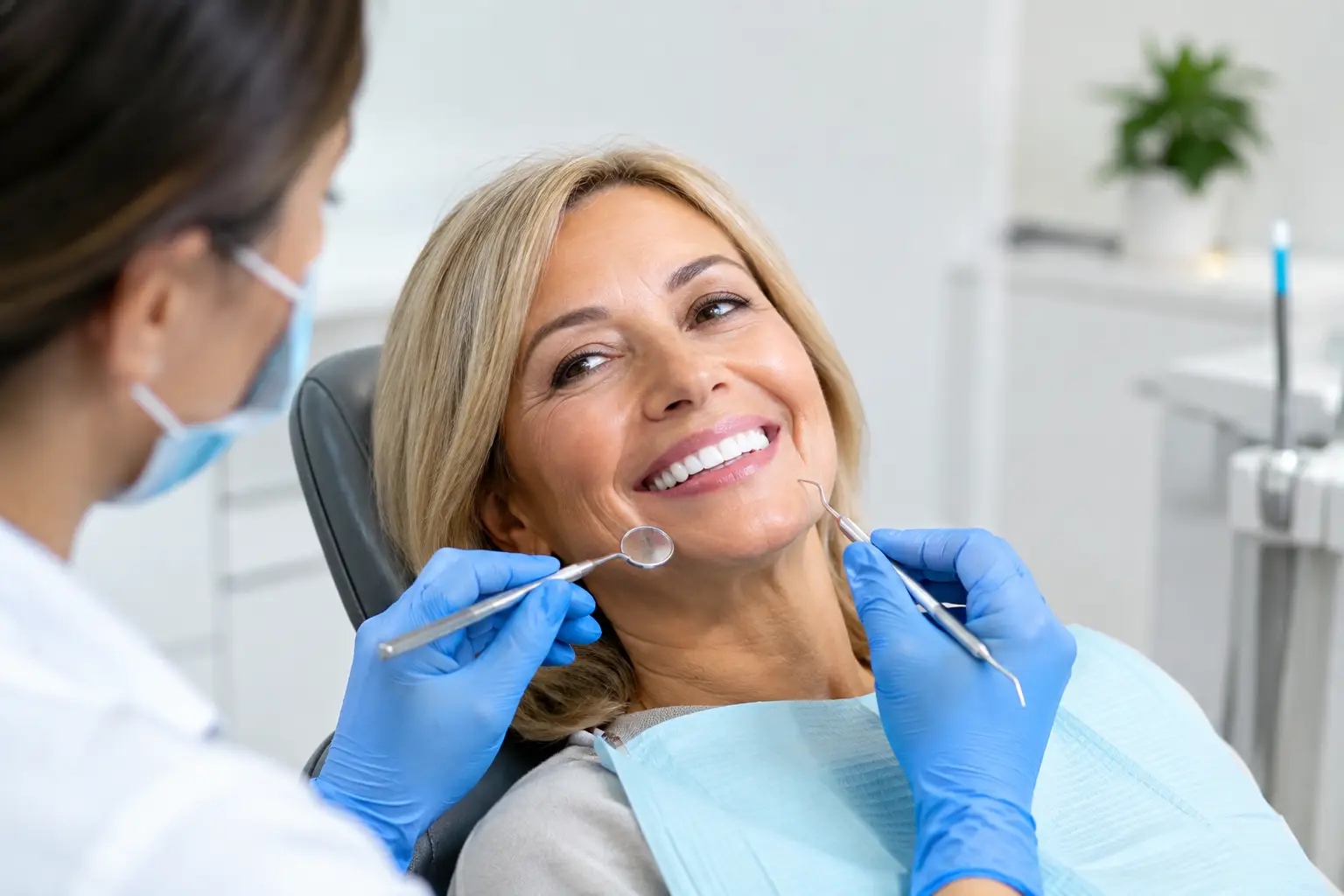
A proper assessment is the foundation of lasting treatment. Your dentist will look at the teeth, gums and bite, assess areas of sensitivity, and ask about diet, grinding, reflux and any changes you have noticed. Photographs, digital scans or X-rays may be helpful where more detailed planning is needed.
This stage matters because worn teeth do not always require immediate restorative work. If the wear is stable, mild and not affecting appearance, comfort or function, protecting the teeth and monitoring them may be the most sensible option. Conservative care avoids removing healthy tooth tissue unnecessarily.
Where wear is progressing, exposing the softer dentine beneath the enamel, causing sensitivity or changing the bite, treatment may be recommended. Your dentist should explain what they can see, why a particular option is suitable, and what maintenance it may require in future.
Treatment options for worn teeth
Prevention and remineralisation
For early enamel changes, fluoride toothpaste and professionally applied fluoride products may help strengthen the remaining surface and reduce sensitivity. A dentist may also recommend a toothpaste designed for sensitive teeth, advice on reducing acidic exposure, and a review of brushing technique.
After acidic food or drink, it is generally better to wait around an hour before brushing. Brushing immediately can rub a softened enamel surface. Rinsing with water is a gentler first step. These measures cannot replace enamel that has already been lost, but they can help slow further damage.
Composite bonding
Composite bonding uses a tooth-coloured resin to rebuild small chips, worn edges and areas where shape has been lost. It can often be a conservative choice because little, if any, healthy tooth structure needs to be removed. It is particularly useful for restoring the length and contour of front teeth where appearance and comfort are both concerns.
Composite can be repaired or adjusted if needed, which is a practical advantage. It is not indestructible, though. The material may stain, chip or wear over time, particularly for people who grind their teeth. A protective night guard may be advised to help safeguard both the natural teeth and the restoration.
Onlays, crowns and other indirect restorations
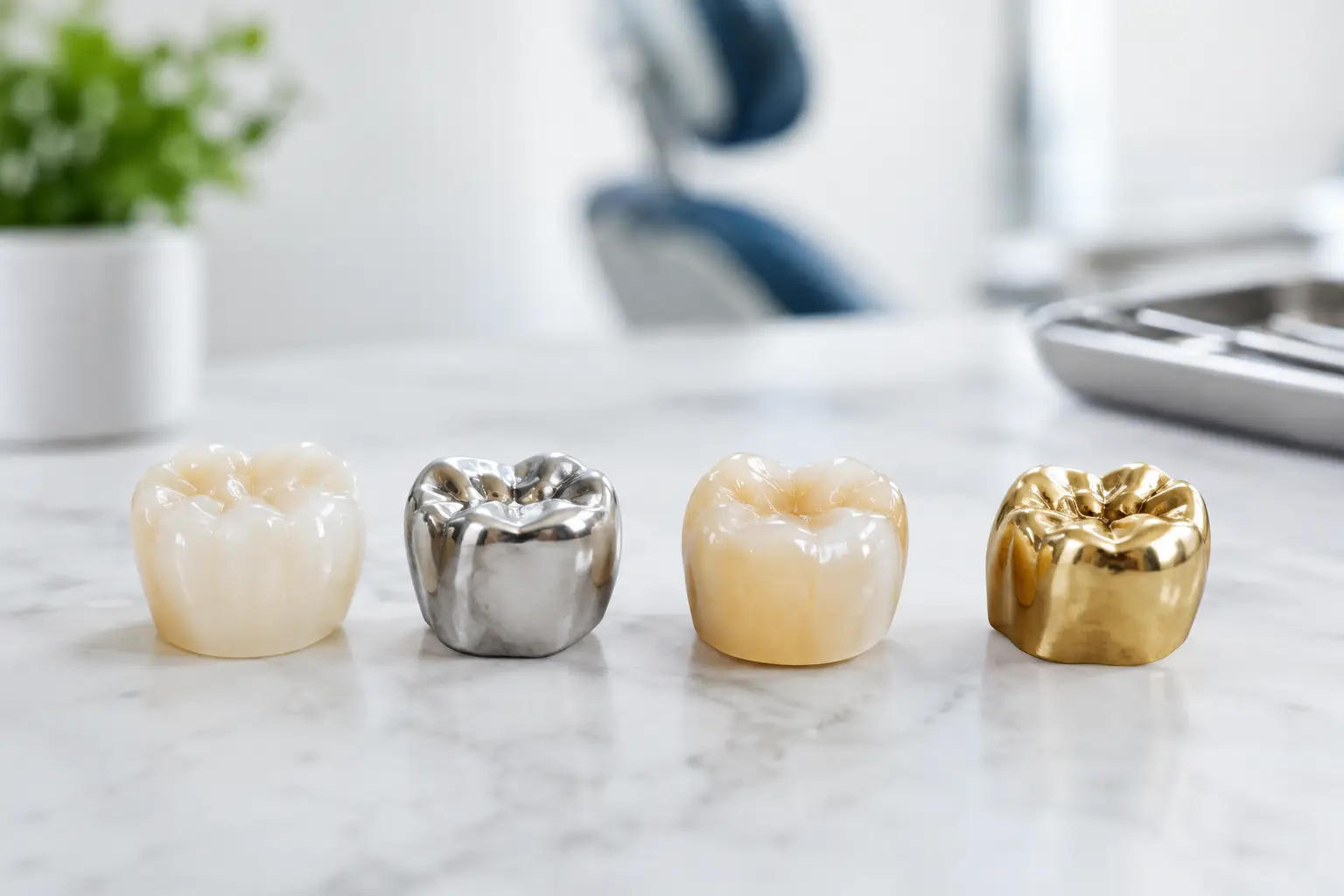
When a tooth has more extensive wear, cracking or previous large fillings, a laboratory-made restoration may offer greater support. An onlay covers the damaged chewing surface while preserving more of the natural tooth than a full crown where appropriate. A crown covers the whole visible part of a tooth and may be considered where the remaining structure needs more comprehensive protection.
These restorations can be made to blend carefully with neighbouring teeth. They do require precise planning and some preparation of the tooth, so they are usually reserved for situations where a less invasive option would not provide enough strength or longevity. The aim is always to retain as much sound tooth tissue as possible.
Rebuilding the bite
In cases of widespread wear, treatment may involve rebuilding several teeth to restore a comfortable bite and appropriate tooth height. This is sometimes called full-mouth rehabilitation, although the scale of treatment varies considerably from person to person. It may be completed in stages, allowing you and your dentist to assess comfort and function as treatment progresses.
A staged approach can be especially reassuring where the bite has changed significantly. Temporary restorations or diagnostic mock-ups may help show how proposed changes will feel and look before final work is made. This is detailed treatment, but it should never feel rushed.
What about veneers?
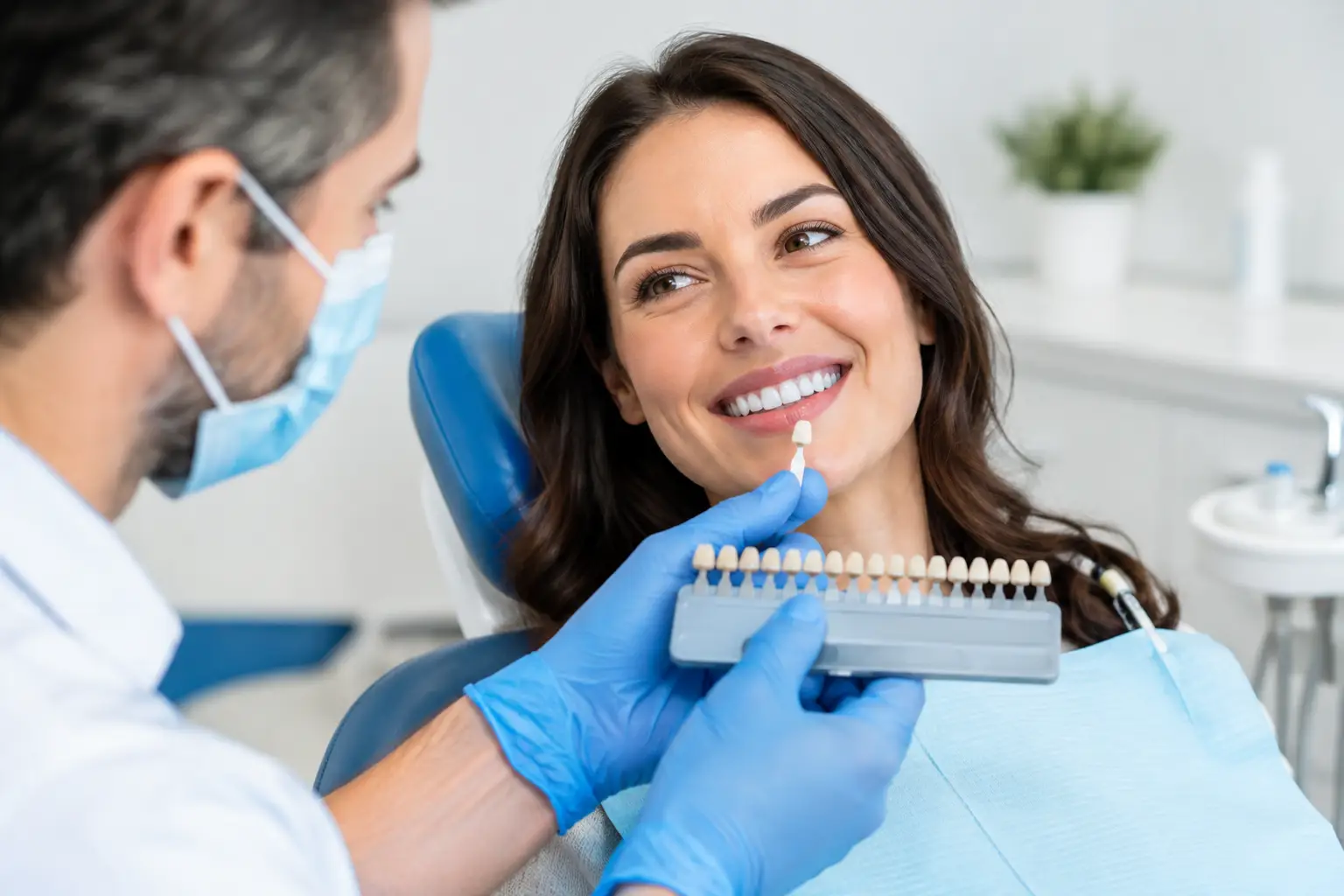
Veneers may be suitable when the front surfaces of teeth need a change in colour, shape or appearance alongside repair of wear. They are not automatically the best answer for every worn tooth. Depending on the amount and location of enamel loss, composite bonding or another restoration may be more conservative.
For patients who clench or grind, any cosmetic restoration needs careful consideration. A night guard and regular reviews may be part of protecting the investment in treatment. A good plan considers how teeth function, not only how they appear in photographs.
Protecting your teeth after treatment
Restorative treatment works best alongside habits that reduce further wear. This may mean limiting acidic drinks to mealtimes, avoiding prolonged sipping, drinking water after acidic foods, and using a soft toothbrush with fluoride toothpaste. If you grind your teeth, a professionally made night guard can reduce damaging contact while you sleep.
Regular examinations allow small changes to be identified before they become larger problems. Hygiene appointments also support healthy gums, which are essential to the long-term stability and appearance of any restoration. If reflux is suspected, speaking with your GP is worthwhile, as managing the medical cause is part of protecting your teeth.
There is a balance to strike. It is neither necessary nor realistic to avoid every acidic food or drink forever. The goal is to reduce repeated exposure and give your teeth time to recover, while maintaining a routine that fits your life.
When to arrange a dental appointment
It is sensible to seek advice if your teeth are becoming sensitive, changing shape, chipping repeatedly, or if your jaw feels tired or tight. You should also arrange an appointment if you notice teeth looking increasingly yellow or translucent, as this can indicate thinning enamel and exposed dentine.
At 4 Great Stuart Street, treatment planning begins with listening to what concerns you most, whether that is sensitivity, confidence in your smile, or simply the wish to prevent further damage. There is rarely one standard answer to tooth wear, but there is usually a calm, practical way forward.
A timely assessment can preserve more of your natural teeth and keep treatment simpler. If you have noticed a change, booking a check-up is a thoughtful first step towards protecting your smile for the years ahead.