How Fillings Stop Tooth Decay and Protect Teeth
Learn how fillings stop tooth decay by sealing a cavity, restoring tooth strength and helping protect against deeper damage, discomfort and infection.

A small dark mark or sensitive spot can be easy to put off, particularly if it is not causing constant pain. Yet decay can continue beneath the surface of a tooth long before it becomes an emergency. Understanding how fillings stop tooth decay can make the decision to seek advice feel clearer and more manageable.
A filling does not make a tooth immune to future decay. What it does is remove the decayed part of the tooth and seal the space it has left behind. This prevents bacteria and food debris from remaining inside the cavity, while restoring the tooth’s shape and ability to cope with everyday biting.
What tooth decay does to a tooth
Tooth decay begins when bacteria in plaque use sugars from food and drink to produce acids. Over time, those acids draw minerals out of the enamel, the hard outer layer of the tooth. At its earliest stage, this may appear as a white or chalky area and can sometimes be managed without a filling through fluoride, dietary changes and careful cleaning.
Once the enamel has broken down and a hole, or cavity, has formed, the tooth cannot rebuild that lost structure by itself. Decay can then progress into dentine, the softer layer beneath the enamel. Because dentine is less hard, the process may speed up and sensitivity to cold, sweet foods or biting pressure can develop.
Without treatment, the cavity can deepen towards the pulp, the living centre of the tooth containing nerves and blood vessels. At that point, pain, infection or an abscess may occur. Treatment may become more involved, potentially requiring root canal treatment or, in some cases, extraction.
How fillings stop tooth decay from progressing
A filling is a restorative treatment, meaning it repairs a tooth that has already been damaged. The dentist first removes the decayed and weakened tooth material. This is the essential step: bacteria cannot continue to break down tissue that has been carefully removed.
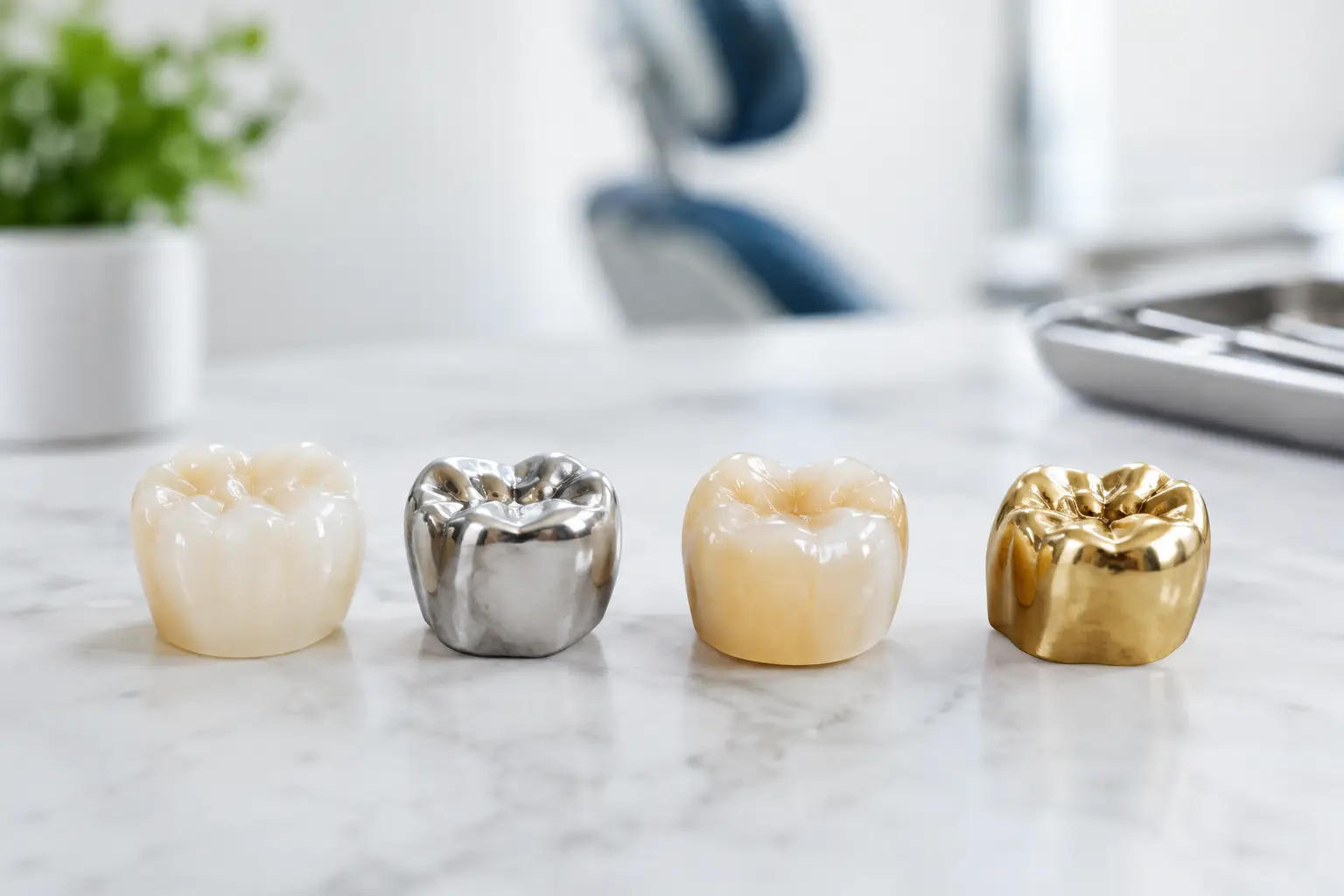
The cleaned cavity is then prepared and filled with a suitable material. Most modern fillings are tooth-coloured composite resin, selected to blend naturally with the surrounding tooth. The material is placed in layers, shaped to rebuild the missing area and hardened with a curing light.
By closing the cavity, the filling creates a smooth, sealed surface. This matters for several reasons. It stops food and plaque collecting in the hole, helps prevent bacteria reaching deeper parts of the tooth, and restores a surface that is easier to clean properly. It also supports the remaining tooth structure, reducing the chance of a weakened edge breaking under normal chewing forces.
A well-placed filling therefore interrupts the current cycle of decay. It is not simply a cosmetic cover over a hole. It removes diseased tissue and gives the tooth a secure, functional surface again.
Why sealing the tooth matters
An open cavity is difficult to keep clean, even with excellent brushing. Its shape can trap plaque in areas that toothbrush bristles cannot reach effectively. Saliva and fluoride toothpaste offer useful protection, but they cannot replace enamel or close a hole that is already present.
Sealing the cavity helps isolate the restored area from the conditions that allowed decay to develop. The edge where the filling meets the tooth is carefully finished so that it feels comfortable and does not interfere with your bite. When the seal is sound and the surrounding tooth is kept clean, a filling can provide many years of useful service.
When a filling may not be the right answer
The right treatment depends on how far the decay has progressed and how much healthy tooth remains. Very early decay may not need drilling at all. Your dentist may recommend fluoride treatment, monitoring and changes to daily habits if the enamel is intact and there is a realistic chance of remineralisation.
At the other end of the scale, a large area of decay or a fractured tooth may need more protection than a filling can provide. An onlay or crown may be considered when the remaining tooth is too weak to support a routine filling safely. If decay has reached the pulp, root canal treatment may be needed before the tooth is restored.
This is why check-ups and, where appropriate, dental X-rays are valuable. Decay can form between teeth or beneath an old restoration without being visible in a mirror. Identifying it early often allows for simpler, more conservative treatment.
What to expect during a filling appointment
For many patients, a filling is a straightforward procedure carried out in one visit. If the tooth is sensitive or the cavity is deeper, local anaesthetic can be used to keep you comfortable. The area is numbed before the decayed tissue is removed, so you should not feel pain during treatment, although you may notice vibration or pressure.
The dentist will check that all affected material has been removed while preserving as much healthy tooth as possible. The filling is then placed, shaped and polished. Before you leave, your bite is checked to ensure the tooth meets comfortably with the teeth opposite.
It is normal for a tooth to feel slightly different once a filling has been placed. Mild sensitivity to temperature or pressure can settle over a few days, especially after a deeper restoration. If your bite feels high, you have persistent pain, or sensitivity worsens rather than improves, contact the practice. A small adjustment may be all that is needed, but it is always sensible to have ongoing symptoms assessed.
How to protect a filled tooth from further decay
A filling treats a particular cavity, not the factors that caused decay in the first place. New decay can still form around the edge of a filling or elsewhere in the mouth. This is sometimes called recurrent decay, and it can develop quietly if plaque is allowed to build up.
The most effective protection is consistent daily care alongside regular professional reviews. Brush twice a day using fluoride toothpaste, cleaning carefully along the gumline and around every filling. Clean between the teeth each day with interdental brushes or floss, as recommended for the spaces in your mouth. This is particularly important because many cavities begin where toothbrushes cannot reach well.
Frequency of sugar intake also matters. It is not only the amount of sugar consumed, but how often teeth are exposed to it. Frequent snacks, sweetened drinks or sipping fizzy drinks over a long period give plaque bacteria repeated opportunities to produce acid. Keeping sugary foods and drinks to mealtimes where possible can reduce that exposure.
Dry mouth, some medicines, reflux, smoking and a history of frequent decay can all increase risk. In these situations, your dentist or hygienist may suggest more tailored preventive support, such as fluoride varnish, prescription-strength toothpaste or more frequent reviews. Care should be individual to you, rather than based on a one-size-fits-all timetable.
Choosing the right filling material
Tooth-coloured composite fillings are commonly used because they can be closely matched to the natural shade of your tooth and bonded directly to it. They are often a good choice for visible teeth and many back teeth, where appearance and conservative treatment are both priorities.
Other materials may occasionally be discussed depending on the tooth, the size and position of the cavity, moisture control during treatment, and your bite. A larger restoration in a heavily loaded back tooth may need a different approach from a small filling near the front of the mouth.
The best option is not always the most visually discreet one, nor the quickest. It is the restoration that provides reliable protection while preserving as much healthy tooth as possible. A dentist should explain the available options, expected longevity and any relevant costs before treatment begins.
Do not wait for toothache
Decay does not always hurt at first. By the time a toothache becomes severe, the cavity may be close to the nerve or an infection may already be developing. Signs worth arranging an appointment for include new sensitivity, pain when biting, food repeatedly catching in one area, a rough edge, a visible hole, or a dark area that appears to be changing.
At 4 Great Stuart Street, treatment is approached with the aim of keeping you informed and comfortable at every stage. For nervous patients especially, knowing what will happen and why can make a routine filling feel far less daunting.
A filling is often a small intervention with a meaningful purpose: it gives a damaged tooth the chance to remain comfortable, useful and protected. If something does not feel right, an early assessment is usually the kindest next step for both your tooth and your peace of mind.