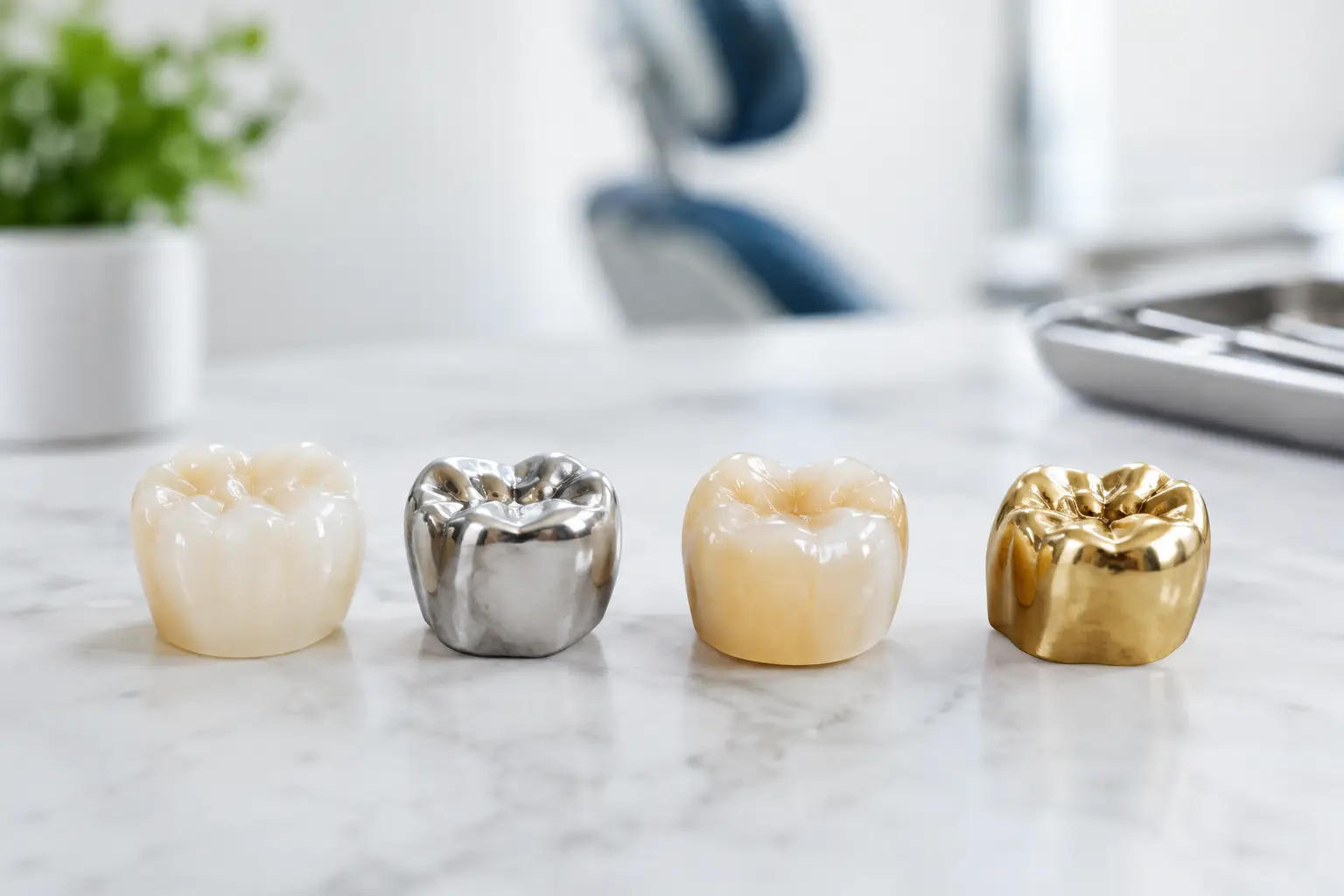
Preventive Dentistry Guide for Healthier Smiles
Our preventive dentistry guide explains how regular check-ups, hygiene visits and simple daily habits help Edinburgh families protect their smiles for life
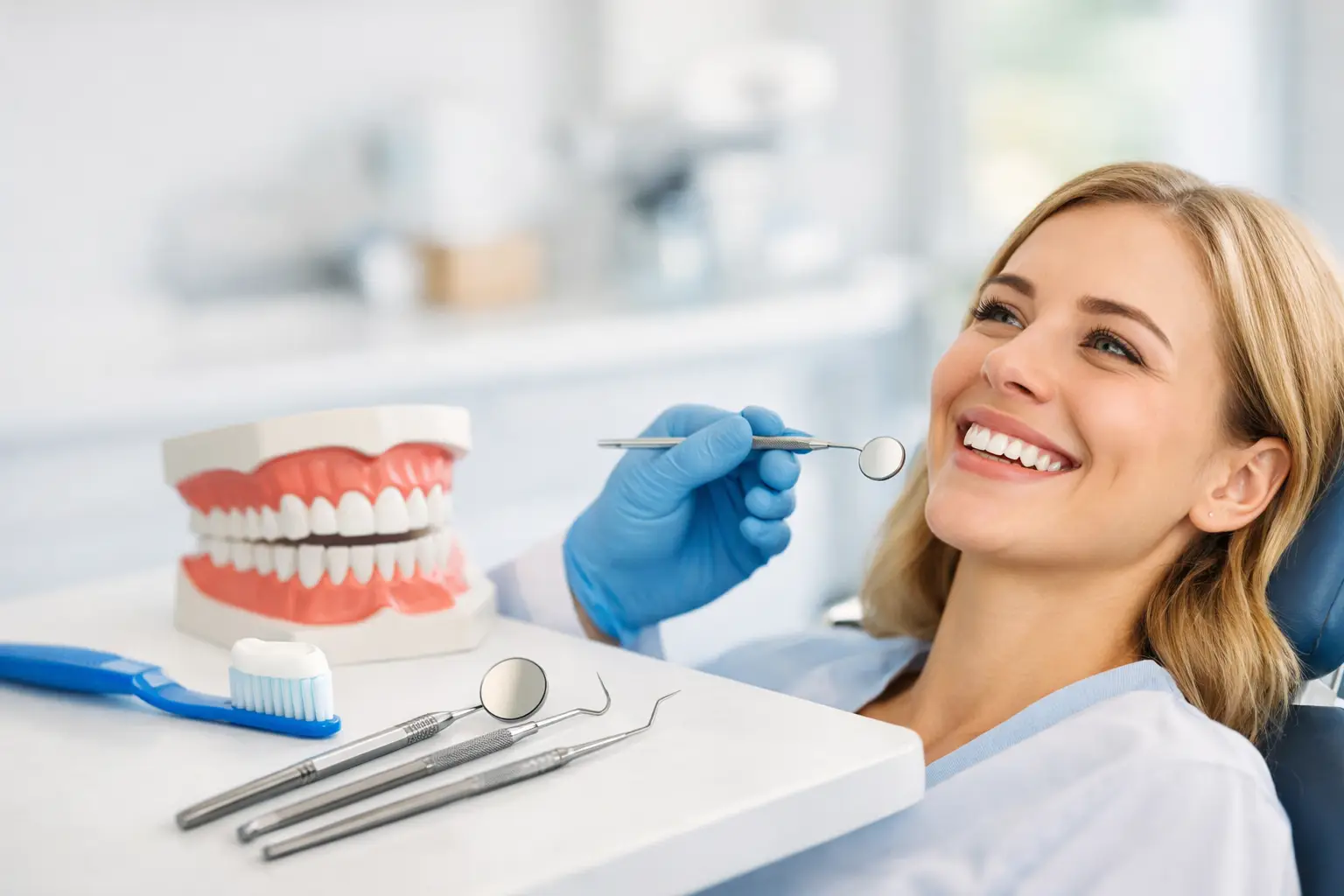
A tooth can feel completely normal while early decay, gum inflammation or wear is developing quietly around it. That is why a preventive dentistry guide is about more than remembering to brush: it is a practical way to protect your comfort, confidence and long-term dental health before small concerns become urgent or costly problems.
At 4 Great Stuart Street, preventive care is the foundation of a long-term relationship with your dentist. Whether you attend through the NHS, privately or with Denplan, the aim is the same: to provide careful, ethical advice that suits your mouth, your routine and your priorities.
What preventive dentistry means
Preventive dentistry brings together the regular care that helps avoid tooth decay, gum disease, tooth loss and avoidable dental pain. It includes dental examinations, hygiene appointments where appropriate, professional advice and the habits you maintain at home.
The value lies in spotting change early. A small cavity may be managed with a straightforward filling; left untreated, it can progress towards infection, root canal treatment or extraction. Similarly, bleeding gums are often an early sign of gum disease. Prompt advice and improved cleaning can frequently settle early inflammation, whereas advanced gum disease can affect the supporting bone around the teeth.
Prevention does not mean every patient needs the same schedule or treatment. Someone with healthy teeth and gums, excellent home care and a low risk of decay may need a different review interval from a patient with previous gum disease, frequent snacking, dry mouth, orthodontic appliances or several restorations. Your dentist will recommend an interval based on clinical need, rather than a one-size-fits-all timetable.
Your preventive dentistry guide to routine appointments
Dental check-ups: early detection with a clear plan
A check-up is not simply a search for holes in teeth. Your dentist assesses the health of your teeth, gums, bite and soft tissues, and considers any changes you have noticed, such as sensitivity, bleeding, discomfort, grinding or difficulty cleaning around a crown, bridge or implant.
Where needed, X-rays can reveal concerns between teeth or beneath existing fillings that cannot be seen during a visual examination alone. They are not taken automatically at every visit. Your dentist will only recommend them where the likely benefit justifies the exposure, following appropriate safety guidance.
A good examination should leave you with a clear understanding of your oral health. If treatment is recommended, you should know why it is being advised, what alternatives may be available and what may happen if you decide to monitor the issue. This supports informed decisions and avoids surprises.
Hygiene care: targeted support for gums and hard-to-reach areas
Even careful brushers can accumulate hardened deposits, known as calculus, particularly behind the lower front teeth and around the upper molars. A dental hygienist can remove these deposits and offer practical guidance on brushing technique, interdental cleaning and areas that need more attention.
Hygiene appointments are especially valuable for people managing gum disease, dental implants, bridges, crowded teeth or reduced dexterity. They are not a substitute for home care, and a scale and polish cannot compensate for infrequent brushing. Instead, professional cleaning and daily habits work together.
Some patients worry that a hygiene visit will be uncomfortable, particularly if their gums are already tender. Let the team know before treatment begins. Appointments can be adapted with a calm pace, clear communication and breaks when needed. Early gum care is generally more comfortable than waiting until inflammation has progressed.
The daily habits that make the greatest difference
The most effective preventive care usually happens in a few quiet minutes at home. Consistency matters more than perfection. Focus on these four habits:
- Brush twice a day for two minutes using fluoride toothpaste. Spit out after brushing, but avoid rinsing straight away, as this washes away the protective fluoride left on the teeth.
- Clean between your teeth once a day. Interdental brushes are often highly effective where they fit comfortably; floss may be more suitable in tighter spaces. Your dental team can help you choose the right size and method.
- Keep sugary food and drinks mainly to mealtimes. It is the frequency of sugar exposure, not only the amount, that gives plaque bacteria repeated opportunities to produce acid.
- Choose water between meals where possible. Frequent sipping of fizzy drinks, fruit juice, sports drinks or sweetened coffee can increase the risk of erosion and decay, even where a drink seems relatively light or natural.
Fluoride helps strengthen enamel and can reduce the risk of decay. For most adults, a standard fluoride toothpaste is suitable. Children need age-appropriate amounts and supervision, particularly while they are learning to spit. If you have a higher risk of decay, your dentist may recommend a stronger fluoride product or other preventive support.
Gums deserve as much attention as teeth
Healthy gums should not regularly bleed when you brush or clean between your teeth. Bleeding is common, but it is not something to ignore or simply accept. It often reflects plaque remaining around the gum line, although certain medications, hormonal changes and medical conditions can also influence gum health.
Bad breath, puffiness, recession and persistent bleeding are all reasons to arrange a dental assessment. Gum disease is often painless in its earlier stages, which is why regular monitoring is so helpful. With professional guidance and better plaque control, early gum inflammation can often be reversed. More established periodontal disease can usually be managed, but requires ongoing care to help keep it stable.
Smoking and vaping can complicate the picture. Smoking increases the risk of gum disease and can mask bleeding, making gums appear less inflamed than they are. It also affects healing after dental treatment. If you are considering stopping, your dental team can discuss the oral health benefits without judgement.
Prevention for children, adults and older patients
For children, prevention begins before there is a problem. Familiar, positive dental visits help build confidence, while parents can receive advice on brushing, fluoride, snacks and the changing needs of growing mouths. Bringing a child for regular appointments can make the dental practice feel routine rather than unfamiliar.
For adults, preventive care often involves protecting previous dental work as well as natural teeth. Fillings, crowns, bridges, dentures and implants all benefit from regular assessment and thorough cleaning. Dental work is durable, but it is not maintenance-free. Catching a loose crown margin, worn filling or inflamed gum area early can extend the life of treatment.
As we get older, dry mouth can become more common, sometimes because of medication or health conditions. Saliva protects teeth by helping neutralise acids and clear food debris, so a persistently dry mouth can raise the risk of decay. Mention it at your appointment, particularly if you are noticing new sensitivity, difficulty swallowing dry foods or repeated decay around existing restorations.
When to seek advice sooner
Routine prevention does not replace prompt care when something changes. Contact a dentist if you have toothache, swelling, a broken tooth, a lost filling or crown, ongoing sensitivity, bleeding that does not improve, an ulcer lasting more than three weeks, or a lump or patch in the mouth that concerns you.
Same-day emergency appointments can help with urgent dental pain and trauma, but the best outcome is always to seek help early rather than waiting for discomfort to become severe. If swelling affects breathing or swallowing, seek emergency medical help immediately.
A practical long-term approach
Preventive dentistry should feel supportive, not demanding. Some patients need help refining an already strong routine; others have avoided appointments for years and need a calm place to begin. There is no benefit in being embarrassed about the condition of your teeth. A respectful dental team will focus on what can be improved from today.
The most useful next step is often simply to attend a check-up, ask questions and agree on a manageable plan. A healthy smile is rarely created by one appointment. It is built through small, steady decisions, made with the reassurance that someone is keeping an experienced eye on your care.