Best Ways to Whiten Teeth Safely in Edinburgh
Learn the best ways to whiten teeth safely, from professional treatment to careful home options, while protecting your smile from sensitivity and damage.
A brighter smile should not come at the cost of healthy teeth or sore gums. The best ways to whiten teeth safely are not usually the quickest-looking fixes online, but the options chosen after a proper dental assessment and used with the right level of supervision.
Teeth naturally darken over time. Tea, coffee, red wine, smoking and strongly coloured foods can all leave surface stains, while the inner colour of the tooth may deepen with age. Whitening can make a meaningful difference, but it works best when the cause of the discolouration is understood first.
What tooth whitening can, and cannot, change
Professional whitening uses a carefully controlled peroxide-based gel to lighten the natural tooth structure. It can improve yellowing and many everyday stains, often producing a fresher, more even-looking smile. The result is personal: some people see a subtle lift in shade, while others achieve a more noticeable change.
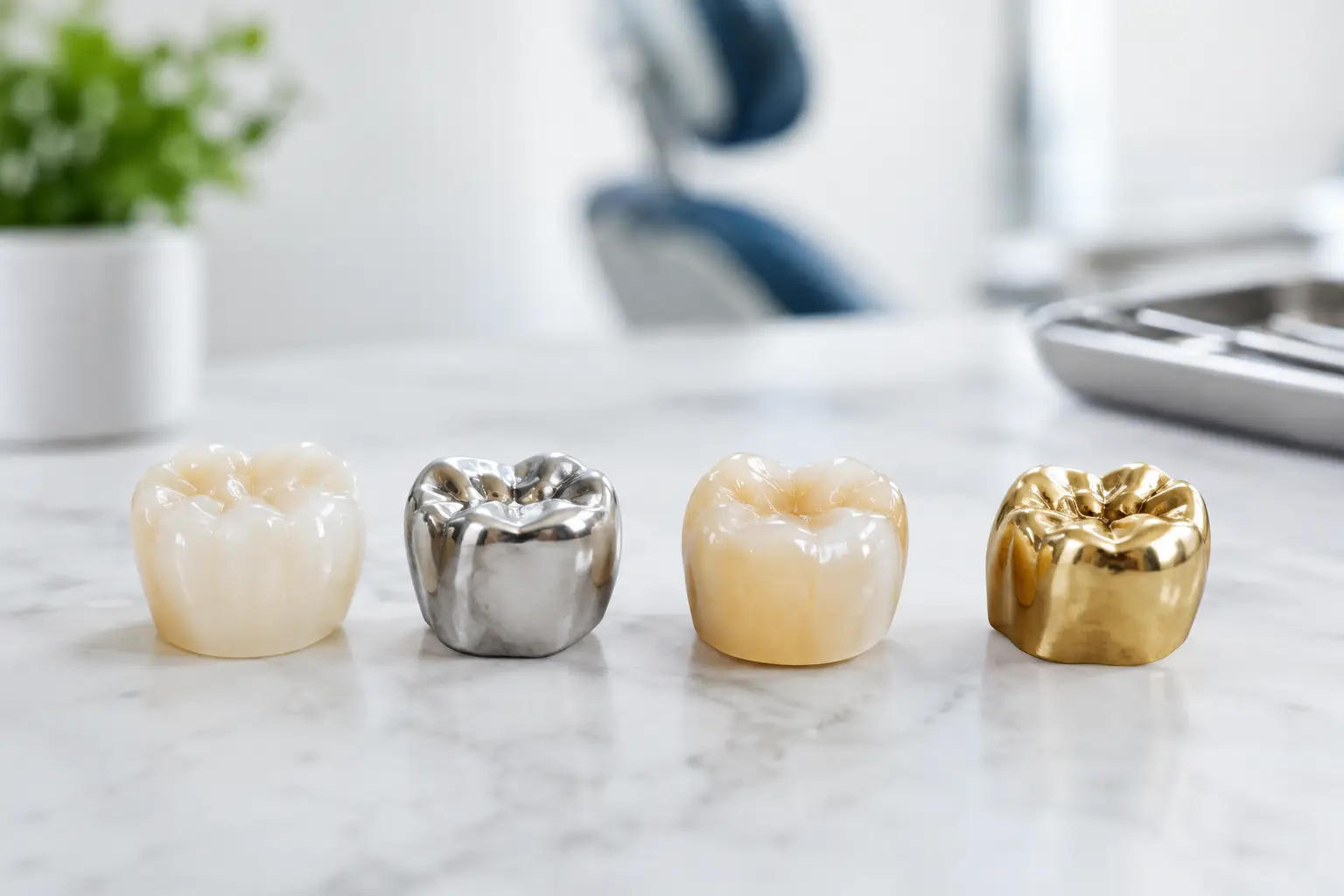
However, whitening does not alter the colour of crowns, fillings, veneers, bridges or dentures. If you have visible restorations, whitening your natural teeth may make a colour mismatch more apparent. In those cases, your dentist can discuss whether whitening first, followed by replacement of a visible restoration, is appropriate.
Not every dark tooth is a cosmetic issue either. A single tooth that becomes grey, brown or noticeably darker can sometimes be linked to previous trauma, decay or changes within the tooth. It deserves an examination before any whitening product is used.
The best ways to whiten teeth safely
Professional in-practice whitening
In-practice whitening is carried out in a dental setting after your mouth has been assessed. The dentist or dental professional protects the gums, applies the whitening gel carefully and monitors the process. It is often a suitable choice for people who want results within a shorter timeframe and value having the treatment managed from start to finish.
This option is not automatically right for everyone. Those with active gum disease, untreated decay, leaking fillings or significant sensitivity may need dental care first. That preparation is not an unnecessary delay - it helps make whitening more comfortable and protects the health of your teeth.
Dentist-prescribed home whitening trays
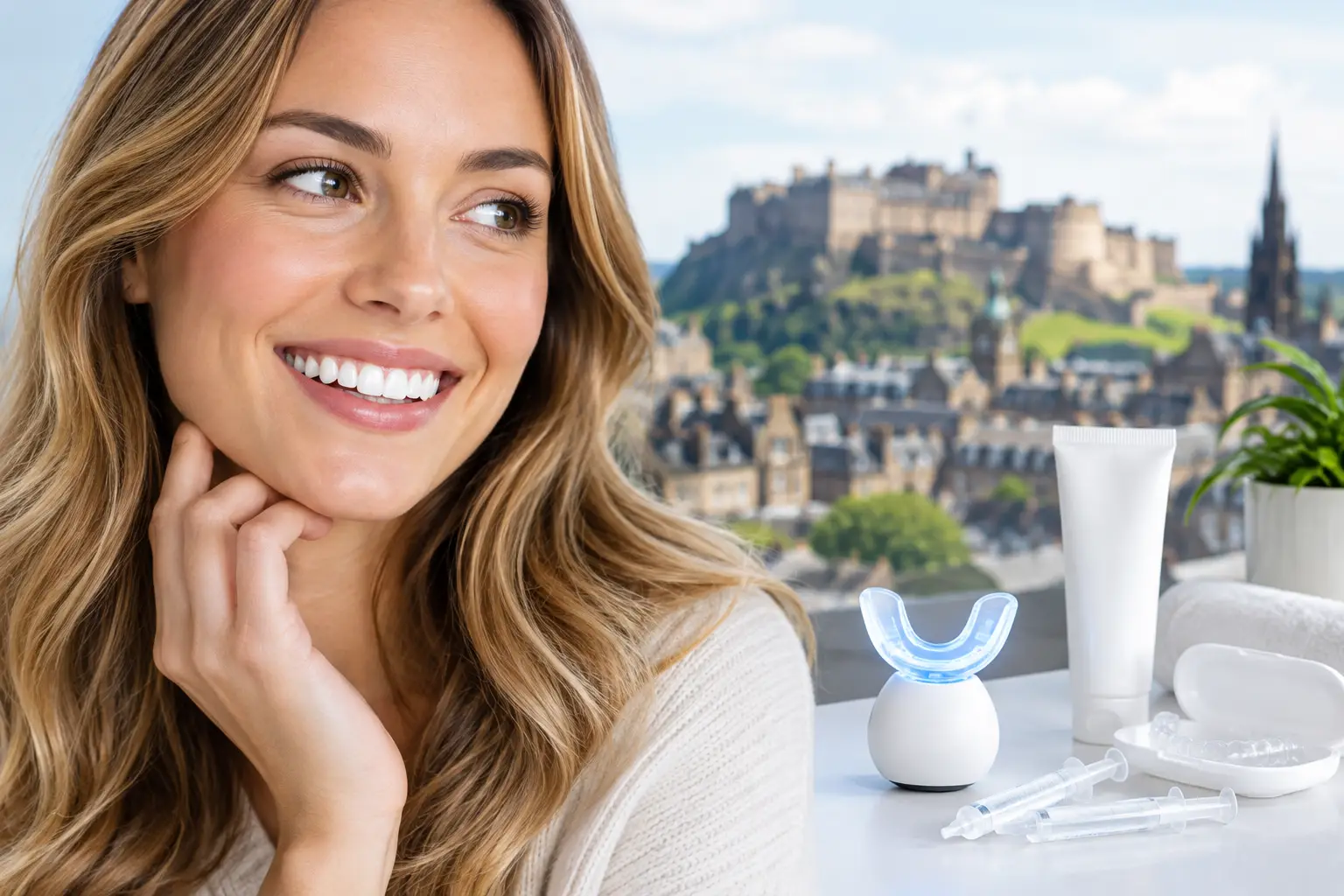
Custom-made whitening trays are one of the most reliable ways to brighten teeth gradually. Your dentist takes impressions or scans to create trays that fit closely around your teeth, then provides a suitable whitening gel and clear instructions for use at home.
Because the trays are made for you, the gel is less likely to spill onto the gums than it may be with generic products. Treatment commonly takes place over a number of days or weeks, depending on the starting shade, the product used and your desired result. The gradual approach suits many patients because it offers control: if sensitivity develops, use can often be adjusted with professional guidance.
For many people, this is the balance of effectiveness, comfort and convenience that makes home whitening under dental supervision a strong option.
A professional clean for surface staining
Sometimes what looks like a need for whitening is mainly a build-up of surface stain. A hygiene appointment can remove plaque, tartar and external staining, leaving teeth cleaner and often visibly brighter without changing their natural shade.
This is particularly worthwhile if tea, coffee, smoking or red wine has dulled your smile. It will not bleach the teeth, but it may be all that is needed. It also creates a cleaner starting point if you later decide to have whitening treatment.
Whitening toothpaste as a supporting measure
Whitening toothpaste can help polish away some new surface stains and support the results of professional whitening. It is best viewed as a maintenance product rather than a treatment capable of changing the underlying colour of teeth.
Choose a fluoride toothpaste and avoid using highly abrasive products too aggressively. Scrubbing hard or repeatedly changing to harsh whitening pastes can wear away enamel over time, especially if your brushing technique is already firm. A soft-bristled toothbrush and gentle, thorough brushing are more protective than force.
Start with a dental check-up
A proper examination is the safest first step before whitening. Your dentist can check for cavities, gum inflammation, cracked teeth, exposed roots and old restorations that may affect the result or make treatment uncomfortable.
This is also the time to talk honestly about sensitivity. It is common to experience mild, temporary sensitivity during whitening, particularly with cold food and drink. A dentist may suggest a lower-strength product, shorter wear times, a desensitising toothpaste or a pause in treatment. You should never feel that discomfort is simply something to push through.
In the UK, tooth whitening should be provided by a registered dental professional or under their direction. This is about more than regulations. A dental team can identify risks that a photograph, online questionnaire or shop shelf cannot reveal.
Be cautious with quick fixes and online trends
Products marketed as instant whitening solutions can be tempting before a wedding, interview or special event. Yet very cheap kits, unregulated gels and social-media remedies carry obvious drawbacks: you may not know what they contain, how strong they are or whether they are suitable for your teeth.
Avoid acidic or abrasive home remedies such as lemon juice, vinegar, charcoal powder and baking soda mixtures. They may seem harmless because they are familiar household items, but they can roughen or erode enamel. Teeth may appear temporarily brighter after surface staining is removed, but damage to enamel can make them more prone to sensitivity and staining in the long term.
Whitening strips and generic trays can also be difficult to fit. If gel reaches the gums, it may cause irritation. If the tray does not cover the teeth evenly, the result can be patchy. A low price is not always poor value, but it should never be the only reason to choose a whitening method.
Keep results looking natural for longer
Whitening is not permanent, because everyday life continues to leave new stains. How long your result lasts depends on your diet, oral hygiene, the original shade of your teeth and whether you smoke. Many people find that occasional top-up treatment, planned with their dentist, is more sensible than repeatedly starting from scratch.
In the days after whitening, it can help to limit heavily coloured drinks and foods where practical. If you enjoy tea or coffee, you do not have to give them up entirely. Rinsing with water afterwards, maintaining regular brushing and attending hygiene appointments can all reduce the build-up of fresh stain.
Smoking is one of the biggest causes of rapid discolouration, as well as a serious risk to oral and general health. If stopping feels difficult, a dental team can offer non-judgemental support and explain how smoking affects the mouth.
When whitening may not be the right answer
If the concern is uneven teeth, chipped edges, worn enamel or old fillings showing at the front of the smile, whitening alone may not deliver the change you want. Other treatments, such as composite bonding, replacement crowns or aligner treatment, may be discussed once your teeth and gums are healthy.
The aim should be a smile that still looks like you, only brighter and well cared for. Extremely white shades are not always the most natural choice, and a good dentist will help you consider what complements your complexion, existing teeth and longer-term dental needs rather than promising a one-size-fits-all result.
At 4 Great Stuart Street, whitening conversations begin with the condition of your mouth, your comfort and the result you hope to achieve. That measured approach matters, especially for patients who feel nervous about dental treatment or who have had disappointing cosmetic experiences elsewhere.
A safe whitening plan should feel clear and unhurried: healthy teeth first, realistic expectations next, and a result you can maintain with confidence.