NHS vs Private Dentist: What to Choose
NHS vs private dentist - understand costs, waiting times, treatment choice and continuity of care so you can choose what suits you best.
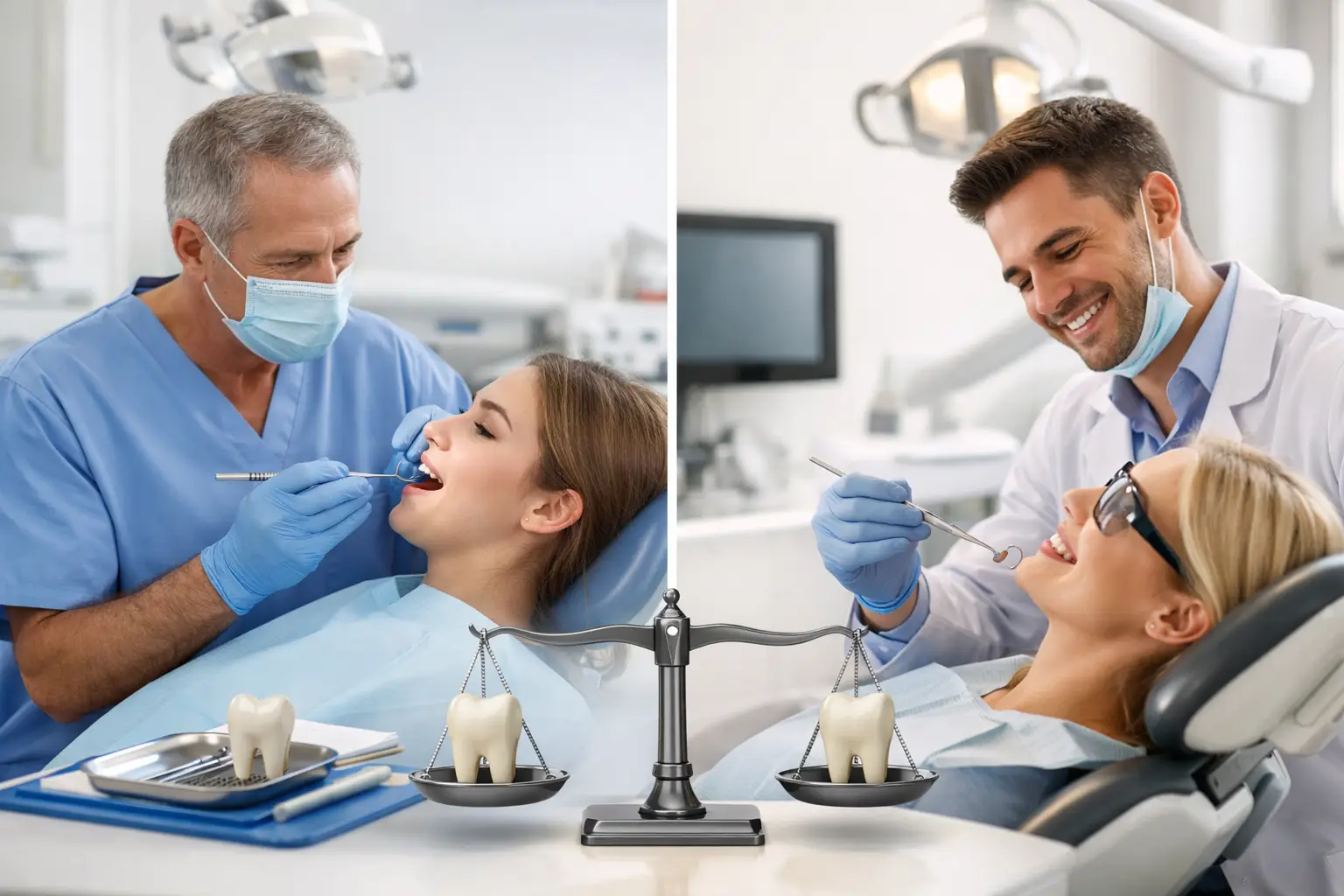
You usually start asking about NHS vs private dentist when something real is at stake - a broken tooth before a holiday, a child due a check-up, or a long-postponed treatment that now needs attention. For most patients, this is not an abstract comparison. It is about finding care that feels affordable, reliable and right for your circumstances.
In Edinburgh, many people want a straightforward answer, but the reality is more personal than that. NHS and private dental care each have a clear place, and neither is automatically better in every situation. The right choice depends on the treatment you need, how quickly you need it, your budget, and how important factors such as appointment flexibility, treatment options and continuity of care are to you.
NHS vs private dentist: the basic difference
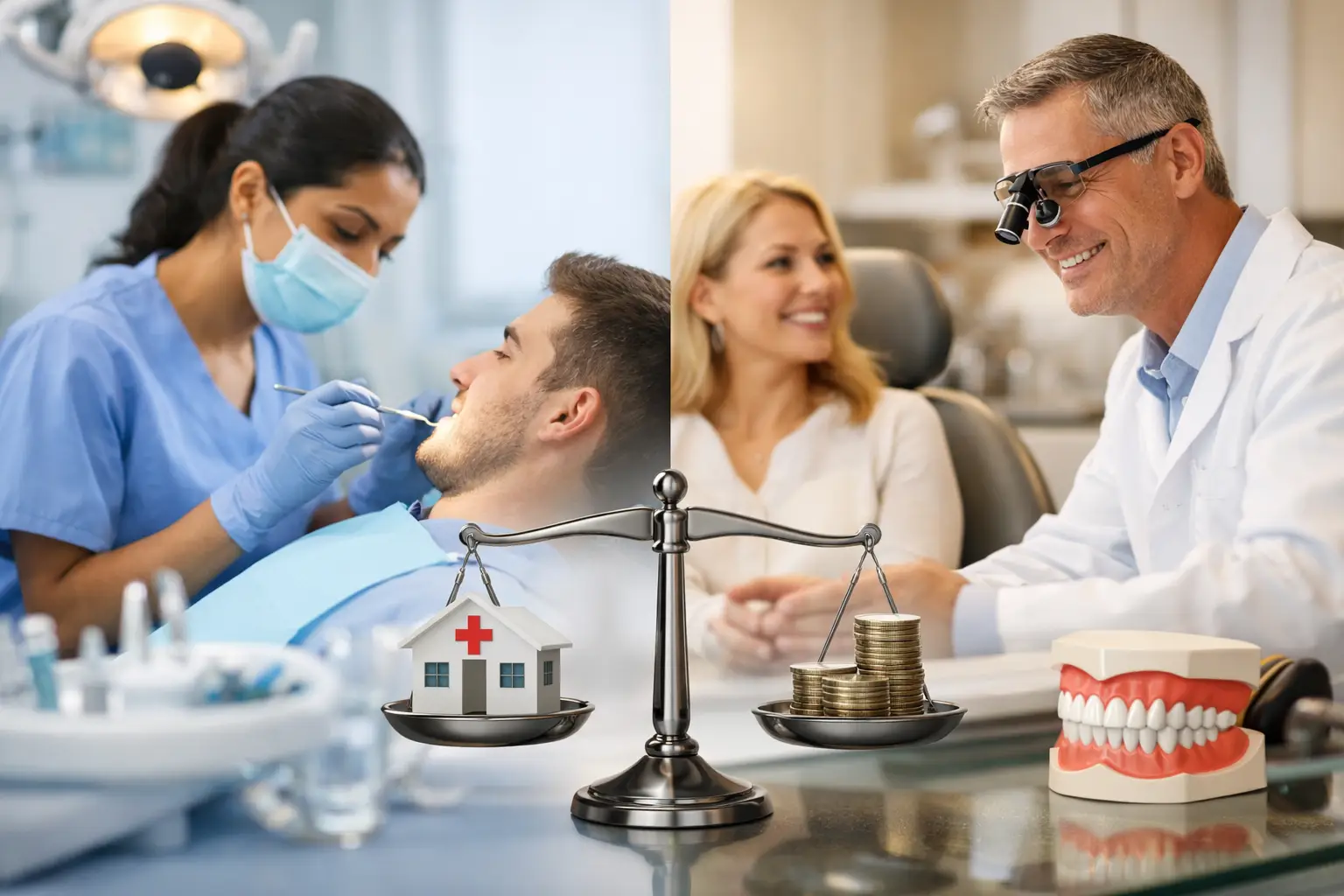
At the simplest level, NHS dentistry is designed to provide clinically necessary care at regulated patient charges, while private dentistry offers a wider range of treatment choices, fees and appointment models. Both are delivered by qualified dental professionals and both should meet proper clinical and regulatory standards.
NHS care focuses on maintaining oral health, treating disease and restoring function. That includes essentials such as examinations, hygiene advice, fillings, crowns where appropriate, dentures and emergency treatment. Private care can also cover these everyday needs, but it often allows for more flexibility in materials, appointment length, cosmetic options and planning.
That distinction matters because patients are not always choosing between good care and better care. Often, they are choosing between different systems with different purposes. If your priority is necessary treatment at controlled cost, NHS care may be the natural fit. If you want a broader menu of options, shorter waiting times or elective treatment such as whitening, aligners or implants, private care may be more suitable.
Cost is important, but it is not the whole picture
For many households, cost is the first concern, and understandably so. NHS dental charges are structured and generally more predictable for eligible treatment. That can make routine care and essential treatment more manageable, especially for families or patients keeping a close eye on monthly spending.
Private dentistry usually costs more upfront, but that does not automatically make it poor value. In some cases, patients are paying for longer appointments, greater convenience, a wider choice of materials, or access to treatments that are simply not available on the NHS. The question is less about which is cheaper in every case and more about what you are paying for.
A private examination may cost more than an NHS one, but if it gives you more time to discuss options, a clear treatment plan and appointments that fit around work or family life, that can matter. Equally, if your needs are straightforward and the NHS can provide exactly what you require, private care may offer little added benefit for that particular problem.
Treatment choice and what is actually available
One of the biggest differences in the NHS vs private dentist decision is treatment scope. NHS treatment is based on clinical need rather than preference. If a tooth needs restoring, the aim is to make it healthy and functional. Cosmetic preferences are usually not the priority.
Private care gives more room for choice. You may be able to select from different types of crown, more aesthetic filling materials, whitening, clear aligners or implant solutions for missing teeth. This can be especially relevant if appearance, confidence or long-term treatment planning are important to you.
That said, more choice is not always better if it becomes confusing or pushes patients towards treatment they do not need. Ethical private dentistry should feel measured and well explained, not pressured. A good clinician will tell you when an NHS option is entirely reasonable, when private treatment offers genuine advantages, and when the difference is mostly cosmetic.
Waiting times and flexibility
Convenience often becomes the deciding factor, especially for busy professionals, parents and anyone dealing with pain. NHS availability can be limited in some areas, and appointment times may be less flexible than patients would like. Registering with an NHS dentist can also be difficult depending on local demand.
Private care often offers more freedom around booking, shorter waits for non-urgent treatment and easier access to follow-up appointments. That can be valuable if you work irregular hours, need to be seen quickly, or simply want more control over when treatment happens.
This does not mean NHS patients receive poor care. It means the system is under pressure, and that can affect access. For some people, paying privately is less about luxury and more about practical timing.
Continuity of care matters more than many people realise
When patients compare NHS and private dentistry, they often focus on price and treatment lists. Just as important is whether you can build an ongoing relationship with a dentist who knows your history, your concerns and your goals.
Continuity can make a real difference. Small changes are easier to spot when the same practice sees you regularly. Nervous patients often feel calmer when they know the team, the surroundings and what to expect. Families also benefit from having one trusted place for routine care, emergencies and more advanced treatment if needs change over time.
This is where a stable mixed practice can be especially helpful. A practice that provides both NHS and private care can offer a degree of flexibility that suits different stages of life. You may begin with routine NHS care, then choose private treatment for whitening or implants later on, without starting again somewhere unfamiliar. At 4 Great Stuart Street, that balance is part of what many local patients value.
Is private dentistry always more advanced?
Not necessarily. Many NHS dentists provide excellent clinical care, and a straightforward filling done well is still a good filling. Private dentistry is not automatically superior in technical terms simply because it costs more.
Where private care can feel different is in the wider experience around the treatment. There may be more time for consultation, a calmer pace, broader restorative or cosmetic choices, and more opportunity to plan care in stages. If you are anxious, have a complex dental history, or want to talk through options carefully, that extra space can be meaningful.
The reverse is also true. If you need a routine examination, simple treatment and clear pricing, NHS care may be entirely appropriate. The best answer is not the one with the most expensive label. It is the one that fits your needs without compromise in safety or honesty.
NHS vs private dentist for families
Families often need a practical middle ground. Parents want children to have consistent preventive care, but they may also need flexible appointment times and reassurance if a child or partner is nervous about treatment. Budget matters, but so do convenience and trust.
For family dentistry, the right setup is often one that removes friction. That might mean NHS care for routine needs, or a combination of NHS and private care depending on age, treatment type and availability. Some adults are happy to use private dentistry for their own elective or restorative treatment while keeping a close eye on family costs overall.
The key is to choose a practice that explains things clearly and does not make you feel rushed. Dentistry works best when patients feel informed rather than sold to.
What if you are a nervous patient?
If you are anxious about dental visits, the NHS vs private dentist question may feel secondary to one simple concern - will I feel safe here? That is a fair question. For nervous patients, the style of communication, pace of appointments and consistency of the team can matter as much as the fee structure.
Private appointments may allow more time, which can help if you need breaks, reassurance or a gentler start. But a caring NHS dentist can also provide excellent support. What matters most is whether the practice creates a calm, respectful environment and takes your worries seriously.
If you have avoided treatment for years, it is worth seeking a practice known for patience and continuity rather than choosing on cost alone. The cheapest option can become expensive if fear leads to repeated delays.
How to decide what is right for you
Start with the reason you need a dentist now. If you want essential treatment, have straightforward needs and need costs to stay tightly controlled, NHS care may be the right route. If you want faster access, broader options or treatment with a cosmetic or long-term restorative element, private care may be more suitable.
Then ask a few practical questions. Can you register easily? Are appointment times realistic for your schedule? Do you feel listened to? Are prices explained clearly before treatment starts? Can the practice support both routine and more complex needs if your situation changes?
Those questions often lead to a better decision than focusing on fees alone. Dentistry is rarely just a one-off purchase. It is part of your long-term health, confidence and comfort.
A good dental practice should help you understand the difference without pushing you in one direction. If a practice offers both NHS and private care in a safe, ethical and relaxed environment, that can give you room to choose well now and adapt later if needed. The best choice is the one that helps you keep returning, keep asking questions and keep your oral health on steady ground.