Best Options for Missing Teeth Explained
Learn the best options for missing teeth, from dentures to implants, with clear advice on cost, comfort, appearance and long-term care.
Losing a tooth rarely feels like a small thing. Even when it is not visible in your smile, a gap can affect chewing, speech, confidence and the way the surrounding teeth sit over time. If you are weighing up the best options for missing teeth, the right answer depends on more than appearance alone. Comfort, durability, oral health, budget and the condition of the teeth and gums around the gap all matter.
For some patients, replacing a missing tooth is straightforward. For others, it takes a little more planning, particularly if there has been bone loss, gum disease or several teeth have been missing for some time. A good treatment plan should feel clear and sensible, not rushed. The aim is to restore function and confidence in a way that suits your mouth and your life.
What are the best options for missing teeth?
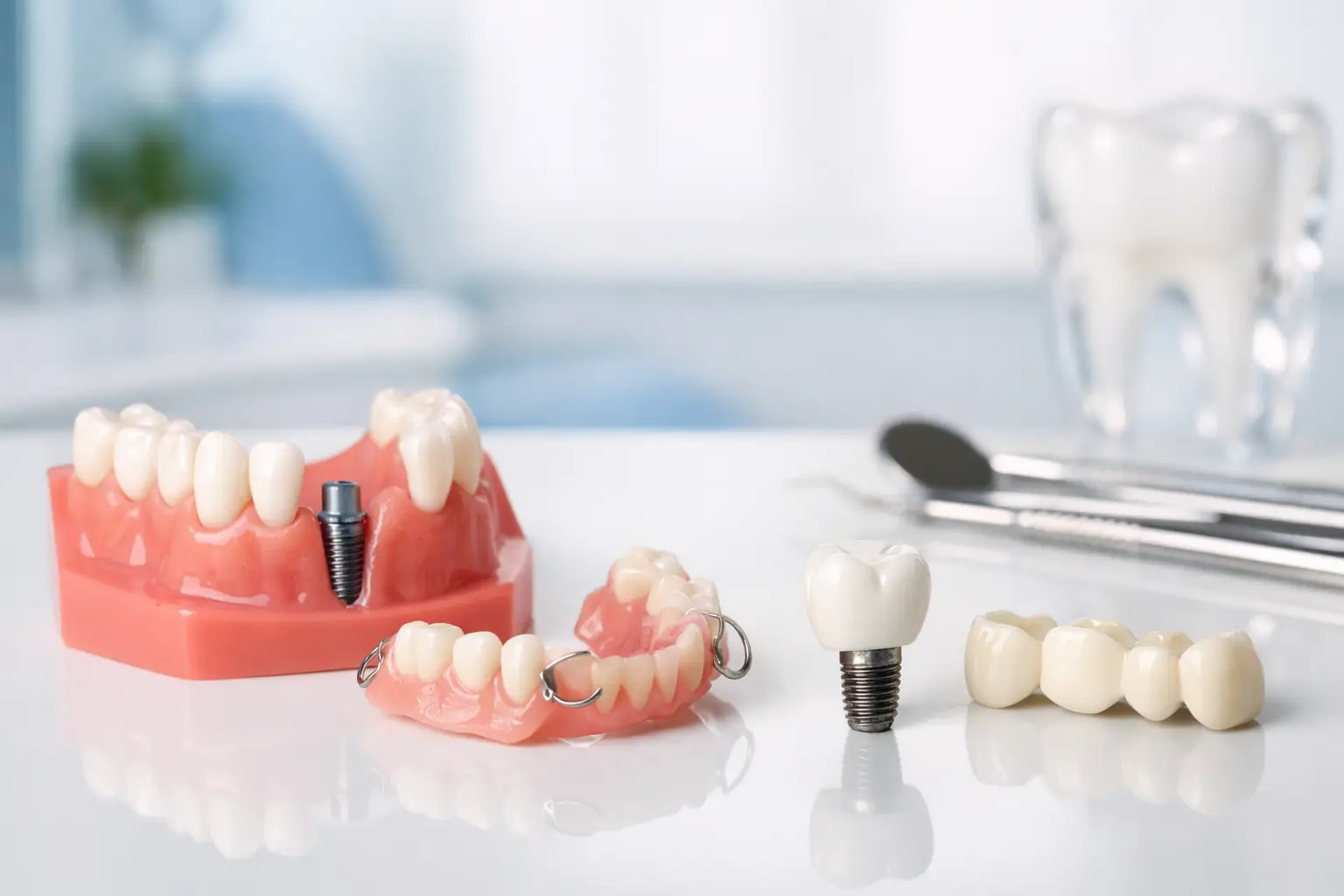
The main choices are usually a denture, a bridge or a dental implant. Each can work very well in the right circumstances, but they are not interchangeable. What suits one person may not suit another, even if the gap looks similar at first glance.
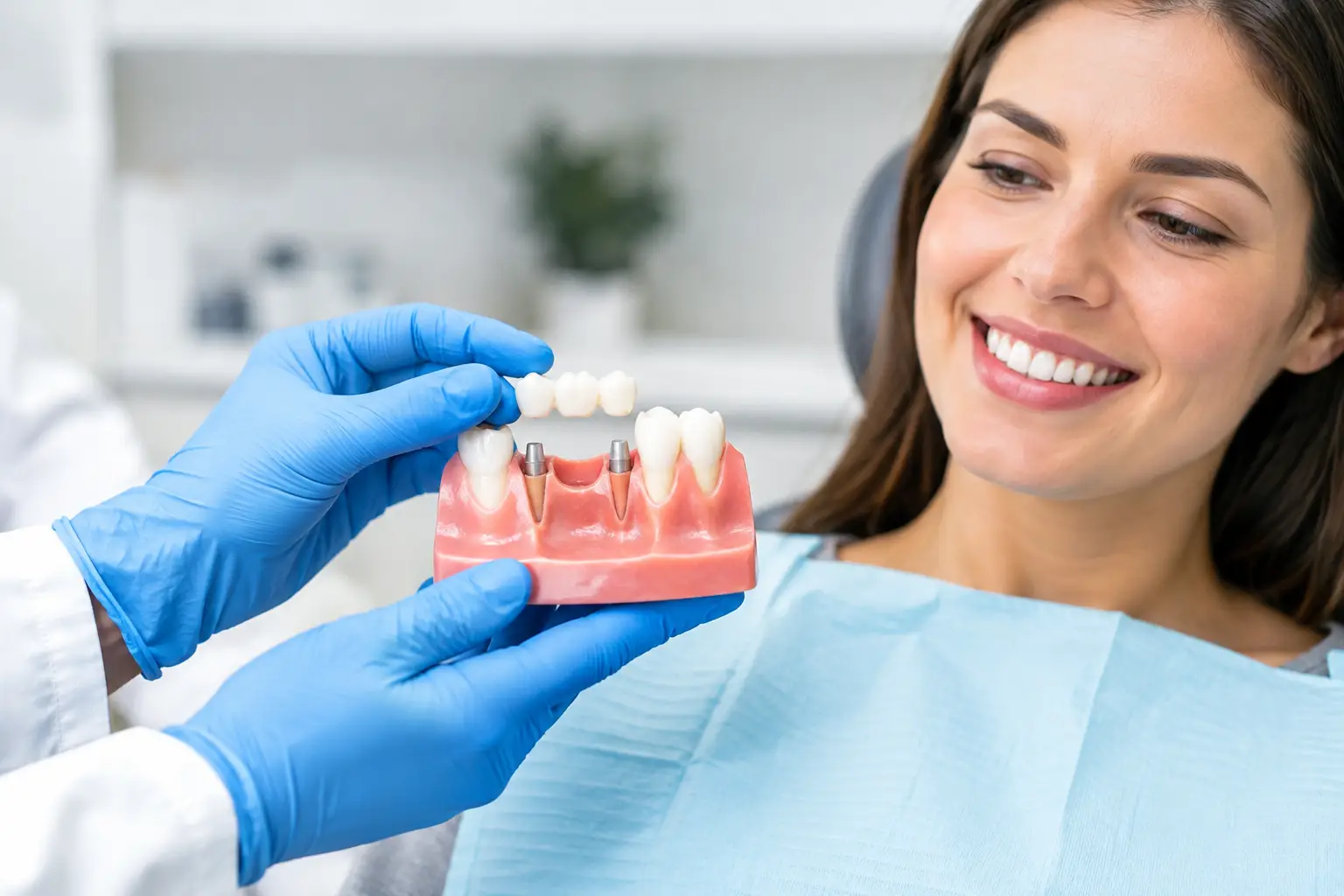
A removable denture is often the most affordable route and can replace one tooth or several. A bridge is fixed in place and uses support from neighbouring teeth. A dental implant replaces the tooth root as well as the visible tooth, making it the closest option to a natural standalone tooth in many cases. The best options for missing teeth are the ones that restore day-to-day comfort and function while protecting your long-term oral health.
Why replacing missing teeth matters
It is easy to delay treatment when a missing tooth is at the back and not obvious. The difficulty is that the mouth does not simply hold still around a gap. Nearby teeth can drift, the opposing tooth can over-erupt, and bite balance can change gradually. That may lead to uneven wear, trapped food, jaw discomfort or more complicated treatment later.
There is also the question of bone. When a tooth is lost, the jawbone in that area is no longer stimulated in the same way. Over time, the bone can shrink. This does not happen at exactly the same rate for everyone, but it is one reason why early assessment is helpful, especially for anyone considering implants.
Beyond the clinical side, there is the human side. Many people become more self-conscious than they expected. They chew on one side, avoid certain foods or cover their mouth when laughing. Replacing a missing tooth can make daily life feel easier again.
Dentures - practical and adaptable
Dentures remain a reliable solution for many patients. Modern dentures can look natural and are far more refined than many people assume. They may be used to replace a single tooth, several teeth or a full arch.
One of the main advantages is flexibility. Dentures can often be made without invasive treatment, and they are usually the most budget-friendly option. They can also be a sensible choice where several teeth are missing or where other treatments are not suitable for medical or anatomical reasons.
That said, dentures do involve compromise. Because they are removable, they can feel less secure than fixed options. There is also an adjustment period while speech and eating begin to feel natural again. Some patients settle quickly, while others need a little longer and may benefit from review appointments for fine-tuning.
Dentures tend to suit patients who want a practical replacement, need to replace multiple teeth, or are looking for a lower-cost solution. They can be an excellent choice when carefully designed and well maintained.
Bridges - fixed teeth without surgery
A dental bridge is a fixed restoration that fills a gap using support from the teeth on either side. For patients who want something secure but would rather avoid implant surgery, this can be a very good middle ground.
Bridges usually feel more like natural teeth than dentures because they stay in place. They can restore chewing efficiency well and often provide a very pleasing cosmetic result, particularly for smaller gaps. Once fitted, patients generally appreciate the convenience of not having to remove them.
The trade-off is that a conventional bridge often relies on healthy neighbouring teeth being prepared to support it. That is not always ideal if those teeth are otherwise strong and untouched. In some cases, this is entirely reasonable, especially if the adjacent teeth already need crowns. In others, preserving those teeth may point the discussion towards an implant instead.
Bridges can work particularly well when the surrounding teeth are already restored, the gap is limited, and the bite is favourable. They require excellent cleaning around the margins, so commitment to oral hygiene is important.
Dental implants - the closest feel to a natural tooth
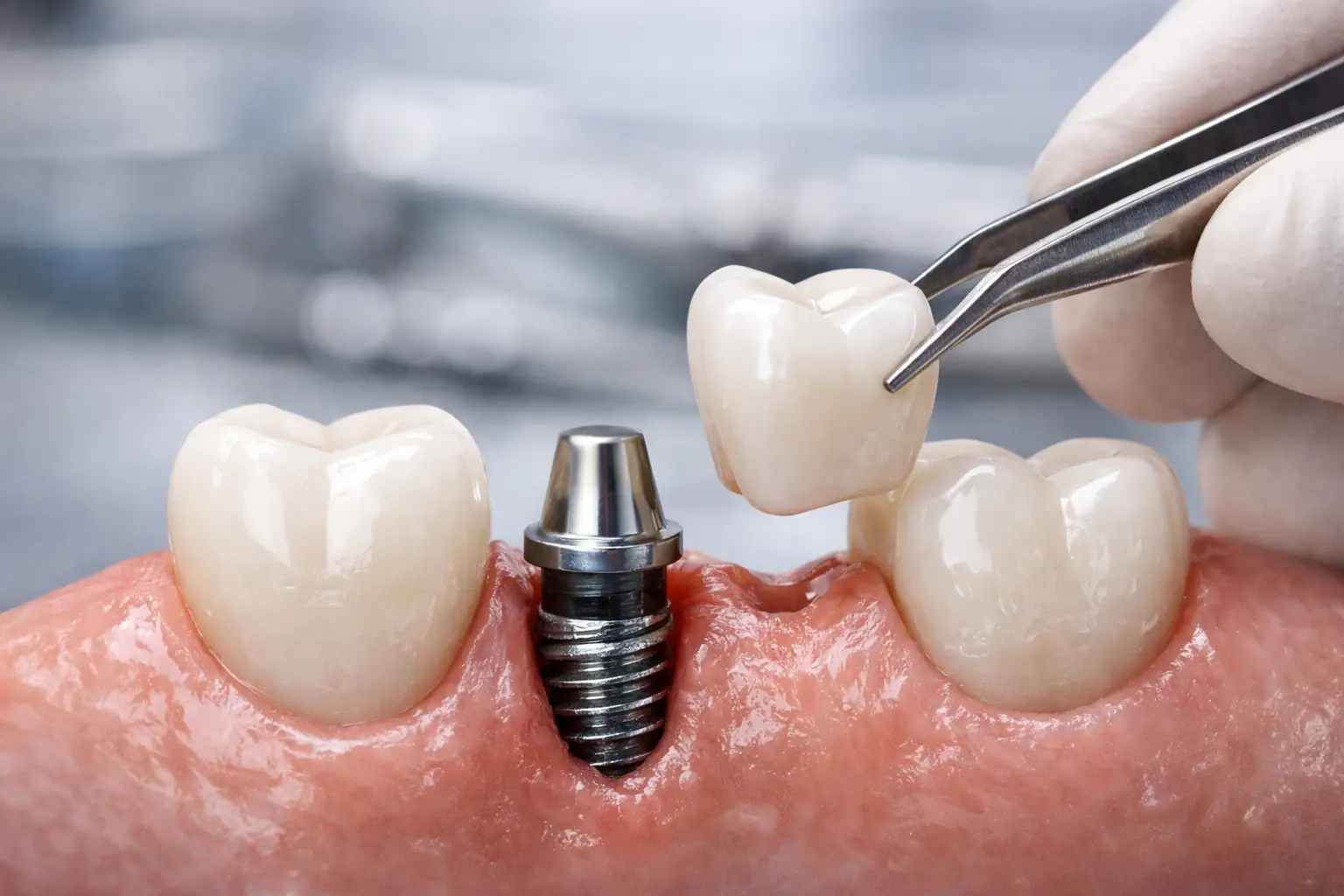
Dental implants are often seen as the premium option, and for good reason. An implant is placed into the jawbone and acts as an artificial root, with a crown fitted on top. Because it stands independently, it does not usually rely on neighbouring teeth for support.
For many people, implants offer the best combination of appearance, stability and function. They can feel reassuringly secure when eating and speaking, and they help maintain bone in the treated area. If looked after properly, they can also serve patients very well for many years.
However, implants are not automatically the right choice for everyone. They involve surgery, healing time and a higher upfront cost. Good general health, healthy gums and adequate bone are all important. Smokers, patients with untreated gum disease, or those with certain medical conditions may need additional planning before treatment goes ahead.
In some cases, bone grafting or other preparatory work is needed, which adds time and cost. For the right patient, that can still be worthwhile. For someone who wants a simpler route, a bridge or denture may be more realistic. The best treatment is not always the most advanced one. It is the one that is appropriate, predictable and sustainable.
How to choose between the best options for missing teeth
The decision usually comes down to five things: how many teeth are missing, where the gap is, the health of the surrounding teeth and gums, your budget, and how you want the replacement to feel day to day.
If you are missing one tooth and the neighbouring teeth are healthy, an implant often makes strong sense because it avoids altering those teeth. If one or both adjacent teeth already need crowns, a bridge may be the more efficient option. If several teeth are missing, especially in different parts of the mouth, a denture may offer the most practical solution, at least initially.
Front teeth bring a stronger cosmetic consideration, while back teeth are more about biting force and function. Some patients prioritise a fixed option because they know they would not feel comfortable with a removable appliance. Others are happy with a denture if it means less invasive treatment and lower cost.
A careful examination is the only reliable way to narrow this down. X-rays, gum health, bite assessment and a discussion about your priorities all help shape the recommendation.
Cost, longevity and maintenance
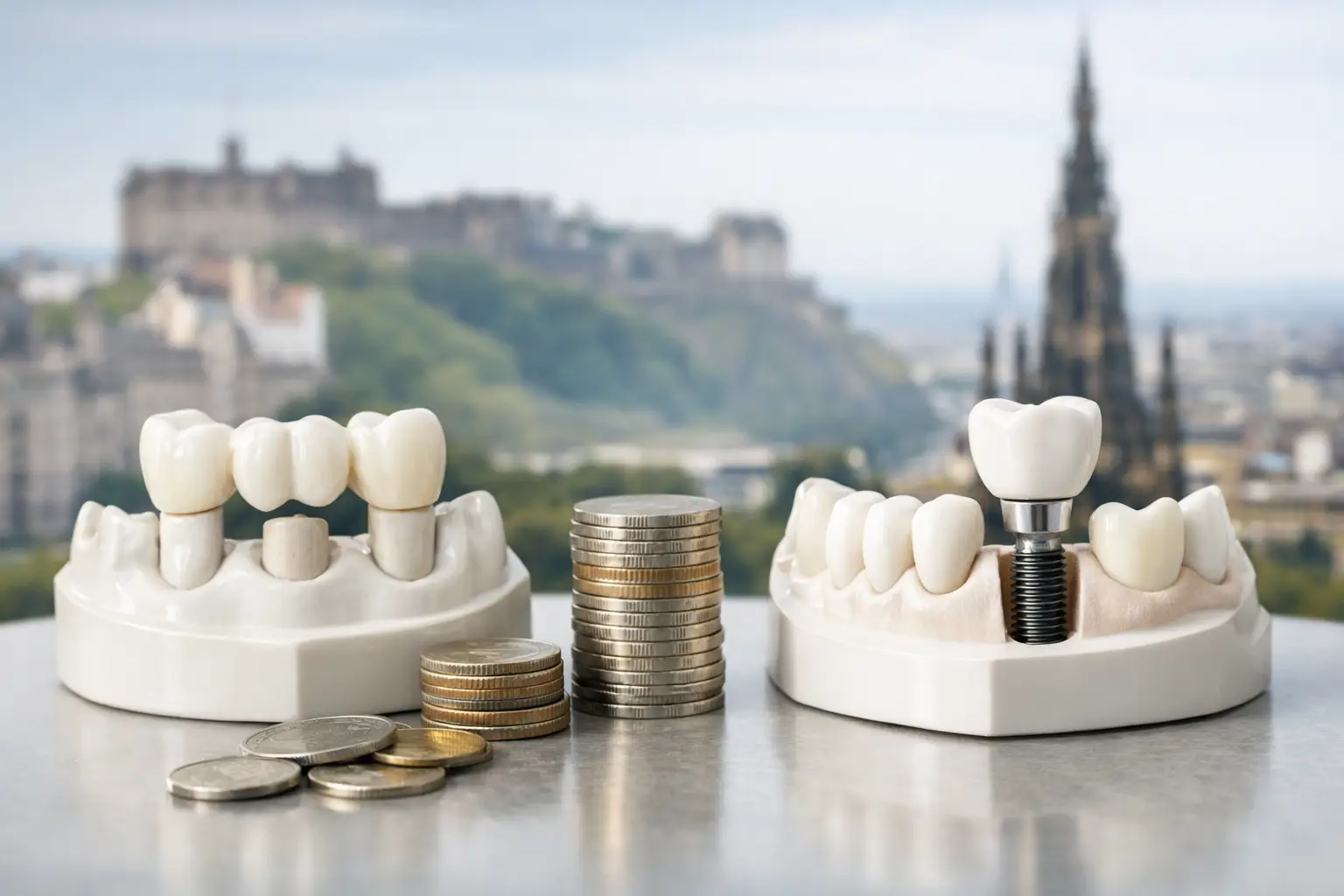
Cost matters, and it should be discussed plainly. Dentures are usually the least expensive at the outset, bridges tend to sit in the middle, and implants are generally the highest initial investment. But the cheapest option today is not always the least expensive over time if it needs more replacement or adjustment.
Longevity varies. A well-made denture may need relining or replacement as the mouth changes. Bridges can last very well with good care, though they depend on the health of the supporting teeth. Implants can be long-lasting, but they are not maintenance-free. They still need careful brushing, cleaning between teeth and regular professional review.
This is where continuity of care matters. Regular examinations help catch wear, gum inflammation or bite changes before they become bigger problems. A replacement tooth is not a one-off purchase. It is part of your ongoing oral health.
When doing nothing may create bigger problems
There are cases where a missing tooth does not need immediate replacement, particularly if it is not affecting function and the surrounding mouth is stable. But that judgement should be made clinically, not guessed at. Waiting can reduce options later, especially where teeth begin to move or bone levels fall.
For anxious patients, it is often easier to start with a conversation rather than a commitment. At 4 Great Stuart Street, many patients value having options explained calmly, without pressure, so they can decide at a pace that feels manageable.
The right replacement for a missing tooth should support more than your smile. It should help you eat comfortably, speak naturally and feel at ease in the long term. If you are unsure where to begin, start with an assessment and honest advice. The best options for missing teeth become much clearer once they are looked at in the context of your own mouth, not someone else’s.