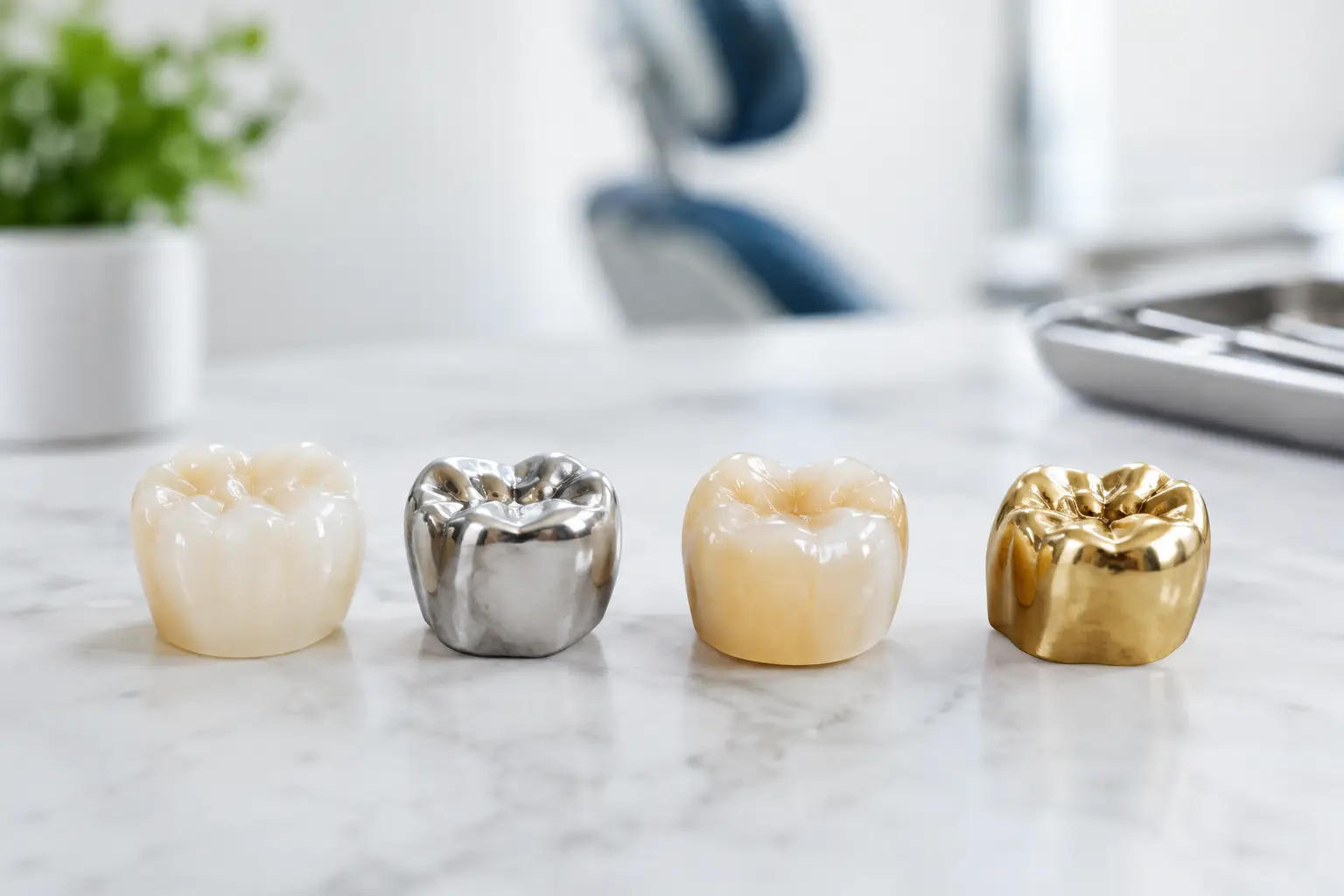
NHS or Private Fillings: Which Should You Choose?
Considering NHS or private fillings in Edinburgh? Understand materials, appearance, clinical need and costs so you can choose treatment with confidence.
A filling is often needed after a routine check-up reveals decay, a worn area, or a small crack that has started to cause sensitivity. When your dentist says a tooth needs restoring, the question of NHS or private fillings naturally follows. The right answer is not always simply about cost. It depends on the tooth, the size and position of the restoration, your priorities for appearance, and what will protect your oral health reliably over time.
At 4 Great Stuart Street, we believe patients should understand their options before making a decision. A good filling should be safe, comfortable, well-fitted and suited to your individual needs.
What is the difference between NHS and private fillings?
Both NHS and private fillings are intended to restore a tooth affected by decay or minor damage. In either case, your dentist removes the damaged or decayed part of the tooth, cleans the area and places a restorative material to rebuild its shape and function.
The central difference is the range of materials, cosmetic choices and appointment time that may be available. NHS treatment is designed to provide clinically necessary dental care. Private treatment can offer a wider choice where appearance, material selection or a more tailored finish are particularly important to you.
In Scotland, NHS dental care is generally provided without patient charges. However, the treatment offered is based on clinical need and what is appropriate under NHS arrangements. Your dentist will explain whether an NHS filling is suitable for your tooth and discuss any private alternatives clearly, without pressure.
NHS fillings: practical care for clinical need
An NHS filling is a sensible option for many patients. The focus is on restoring the tooth so that it is comfortable, functional and protected from further decay. The material used will be chosen according to what is clinically appropriate for the area being treated.
For a visible front tooth, a tooth-coloured material may be suitable. For back teeth, where the biting forces are stronger, the options can be different. The best material is not determined by appearance alone. Your dentist will consider the amount of remaining tooth structure, how heavily you bite, whether the tooth is difficult to keep dry during treatment and the position of the cavity.
NHS fillings can be a particularly good fit when the restoration is straightforward and your main priority is effective, necessary care. They are also an important part of preventive dentistry: treating decay while it is still small can help avoid a larger filling, root canal treatment or the need for a crown later on.
That said, NHS care does not always allow for elective cosmetic preferences. If you would strongly prefer a particular shade, a highly polished finish, or a material chosen chiefly to blend with surrounding teeth, private treatment may give you more choice.
Private fillings: more choice over appearance and finish
Private fillings are commonly made from composite resin, a tooth-coloured material that can be carefully matched and shaped to blend with the natural tooth. This can be particularly appealing for front teeth, or when you would prefer a discreet restoration in a visible part of your smile.
Private treatment may also allow more time for detailed shade selection, contouring and polishing. These small details can matter when restoring the edge of a front tooth, closing a minor chip, or replacing an old filling that has become noticeable over time.
A private filling is not automatically the better clinical choice in every situation. Composite fillings can look very natural, but their longevity depends on several factors, including the size of the filling, the tooth's position, the pressure placed on it when chewing and how well the tooth can be isolated during placement. For some larger restorations, an inlay, onlay or crown may provide better long-term protection than any conventional filling.
Private care is therefore most valuable when it gives a meaningful benefit for your particular tooth - whether that is a more natural appearance, a broader range of restorative options, or additional time to achieve a highly refined result. You should receive a clear estimate before agreeing to private treatment.
NHS or private fillings for back teeth
Back teeth do the heaviest work, so the decision can feel more complicated. A small filling in a molar may be straightforward under NHS care. Where a restoration is larger, however, the tooth may need more than a filling to reduce the risk of cracking in future.
If an old filling takes up a significant part of the tooth, your dentist may discuss a private tooth-coloured restoration, an inlay or onlay, or a crown. These are not simply cosmetic upgrades. In the right circumstances, they can strengthen and protect a weakened tooth.
It is also worth being realistic about what a tooth-coloured filling can achieve. A large white filling may look preferable, but it is not always the most durable option for a heavily loaded tooth. The best recommendation should balance appearance with the long-term health of the tooth, rather than promising one material as ideal for everyone.
NHS or private fillings for front teeth
For front teeth, appearance is often a larger part of the decision. Even a small filling can be noticeable if the colour is slightly different, the surface is not smoothly finished, or the shape does not match the neighbouring tooth.
Private composite bonding may offer a more individual approach to matching the shade and translucency of the tooth. It can also be useful when repairing a chip or replacing an aged filling that has darkened around the edges. The aim is to create a restoration that supports your smile without looking artificial.
Your dentist will still consider function. Front teeth can be affected by biting habits, teeth grinding and the way your upper and lower teeth meet. A beautiful result needs to be designed so it can cope with everyday use.
Questions to ask before choosing a filling
The most useful conversation is not, “Which filling is best?” but, “Which option is best for this tooth and why?” Ask your dentist whether the filling is small or extensive, whether there are signs of cracking, and how long they would reasonably expect the restoration to last.
You may also wish to ask whether the tooth is in a visible area, what material is proposed, and whether a private option would provide a practical benefit or mainly a cosmetic one. If there is a cost difference, ask for this in writing before treatment begins.
For nervous patients, it can help to talk through the appointment itself. Most fillings are completed using local anaesthetic, and your dentist can explain each stage, agree a signal for a pause and help you feel more in control. Feeling informed and listened to is just as relevant as the material selected.
Looking after a new filling
Whether your filling is NHS or private, its lifespan is influenced by daily care. Brush twice a day with fluoride toothpaste, clean between your teeth regularly and attend check-ups as advised. A filling does not prevent new decay from forming around its edges, particularly if plaque is allowed to build up.
Avoid biting hard objects, and let your dentist know if you grind your teeth, wake with jaw tension or notice that a filling feels high when you bite. A filling that feels slightly uneven can often be adjusted simply, but it is better not to wait and hope it settles.
If a filling becomes sensitive, rough, loose or painful, arrange an appointment promptly. Early assessment can often prevent a small issue becoming a more involved repair.
The most reassuring choice is usually the one you understand. A dentist should be able to explain what your tooth needs, what each option involves and why a particular treatment is being recommended. With that clarity, you can choose care that feels right for your health, your smile and your circumstances.