Affordable Cosmetic Dentistry Options in Edinburgh
Compare affordable cosmetic dentistry options in Edinburgh, from whitening and bonding to clear aligners, with thoughtful advice on costs and care locally.
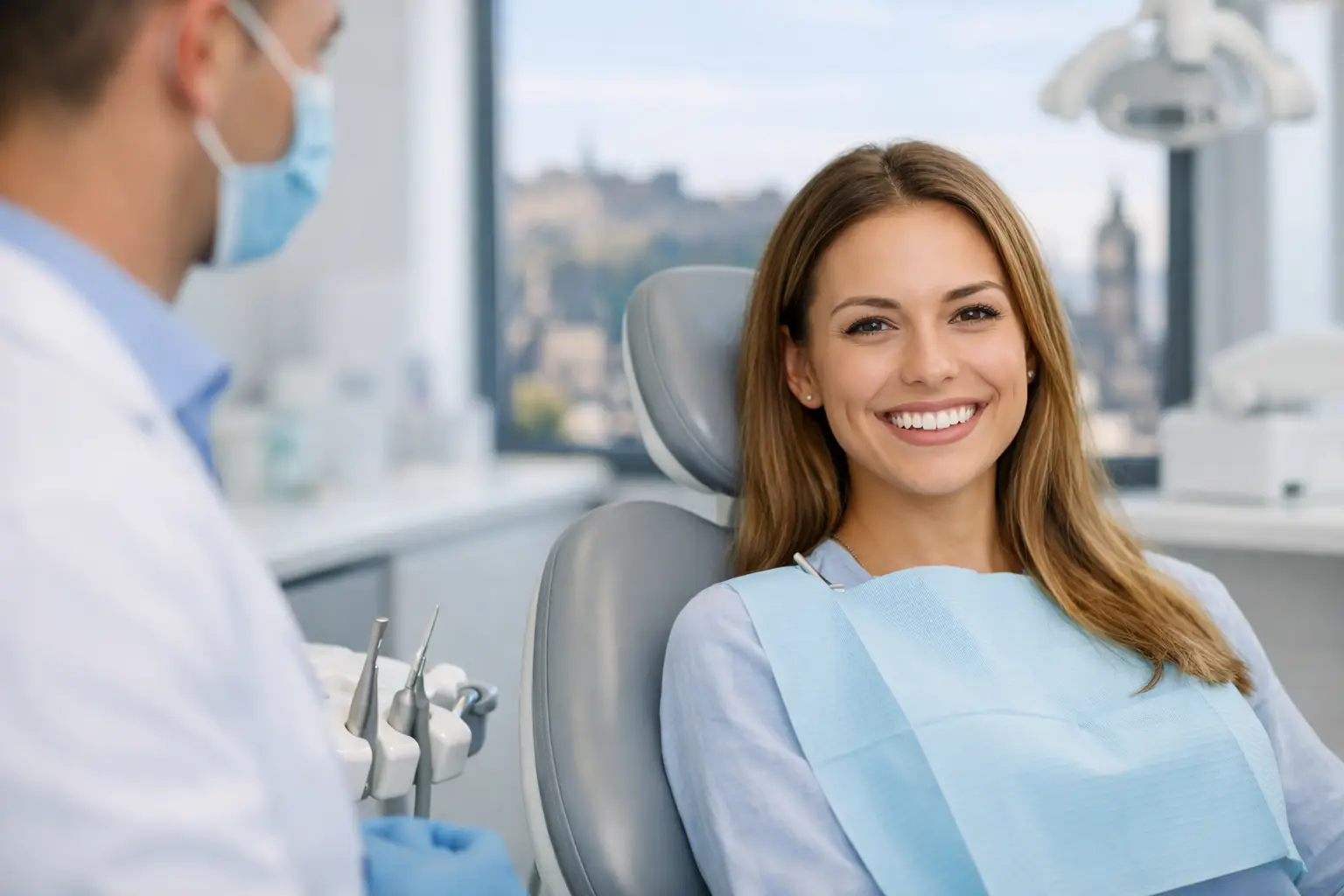
A brighter smile need not mean committing to the most extensive treatment available. The best affordable cosmetic dentistry options are usually those that address the concern that matters most to you, protect the health of your teeth and fit comfortably within your plans. For one person, that may be professional whitening before a wedding. For another, it may be replacing an old crown, straightening a few visible teeth or restoring a gap that affects confidence.
At 4 Great Stuart Street, we believe cosmetic dentistry should be considered carefully, never rushed. A calm conversation and thorough examination can help you understand what is possible, what is worthwhile and where a simpler approach may give the result you want.
Start with a healthy foundation
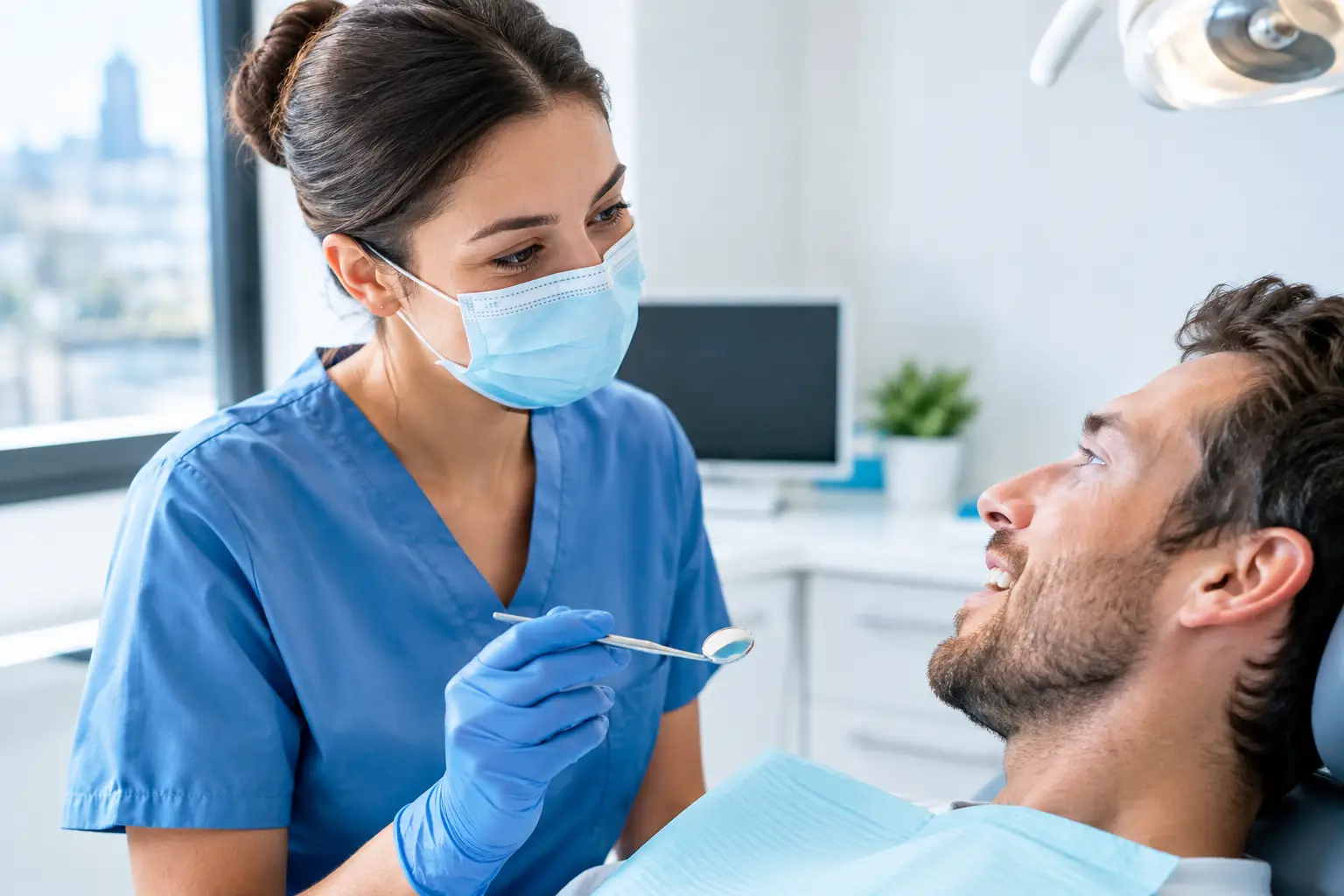
Cosmetic treatment looks and lasts better when the teeth and gums are healthy. Before discussing shade, shape or alignment, your dentist will check for concerns such as decay, gum inflammation, worn enamel, loose fillings or cracks. Treating these first can prevent discomfort and avoid spending money on cosmetic work that later needs to be altered.
This is not an unnecessary hurdle. A hygiene appointment, a replacement filling or advice on brushing technique may improve the appearance of your smile more than expected. Removing surface staining and reducing gum inflammation can make teeth look cleaner and gums look more even, often with a modest cost compared with more involved treatment.
Regular check-ups also help protect any cosmetic investment you do make. Small problems are generally easier and less costly to manage when identified early.
Affordable cosmetic dentistry options to consider
The right treatment depends on whether your main concern is tooth colour, position, shape, gaps or missing teeth. It also depends on the condition of your mouth and how long you would like the result to last.
Professional teeth whitening
Professional whitening is often one of the most straightforward ways to refresh a smile with healthy natural teeth. It can lighten general yellowing or staining caused by tea, coffee, red wine, smoking or age. Your dentist can advise whether whitening is suitable, provide properly fitted trays where appropriate and explain how to use the whitening product safely.
Whitening does not change the colour of crowns, fillings, veneers or dentures. If a visible restoration no longer matches after whitening, it may need to be replaced, which should be included in your budget discussion. Results also vary between individuals, and maintaining them usually requires occasional top-up treatment and attention to staining habits.
Over-the-counter products can appear cheaper initially, but they may not fit well, may produce uneven results and are not suitable for everyone. Professional assessment helps ensure that sensitivity, gum health and existing dental work are considered first.
Tooth-coloured fillings and carefully planned repairs
An old, dark or worn filling can distract from an otherwise healthy smile. Replacing it with a tooth-coloured filling may improve appearance while restoring strength and function. This can be a sensible option where the tooth needs repair anyway, rather than choosing a more extensive cosmetic procedure.
For chipped edges, small gaps or uneven contours, your dentist can explain whether a conservative repair is realistic. The most affordable solution is not automatically the least expensive appointment. A repair that is appropriate for your bite, easy to maintain and unlikely to cause repeated problems usually represents better value over time.
Crowns for teeth that are weakened as well as visible
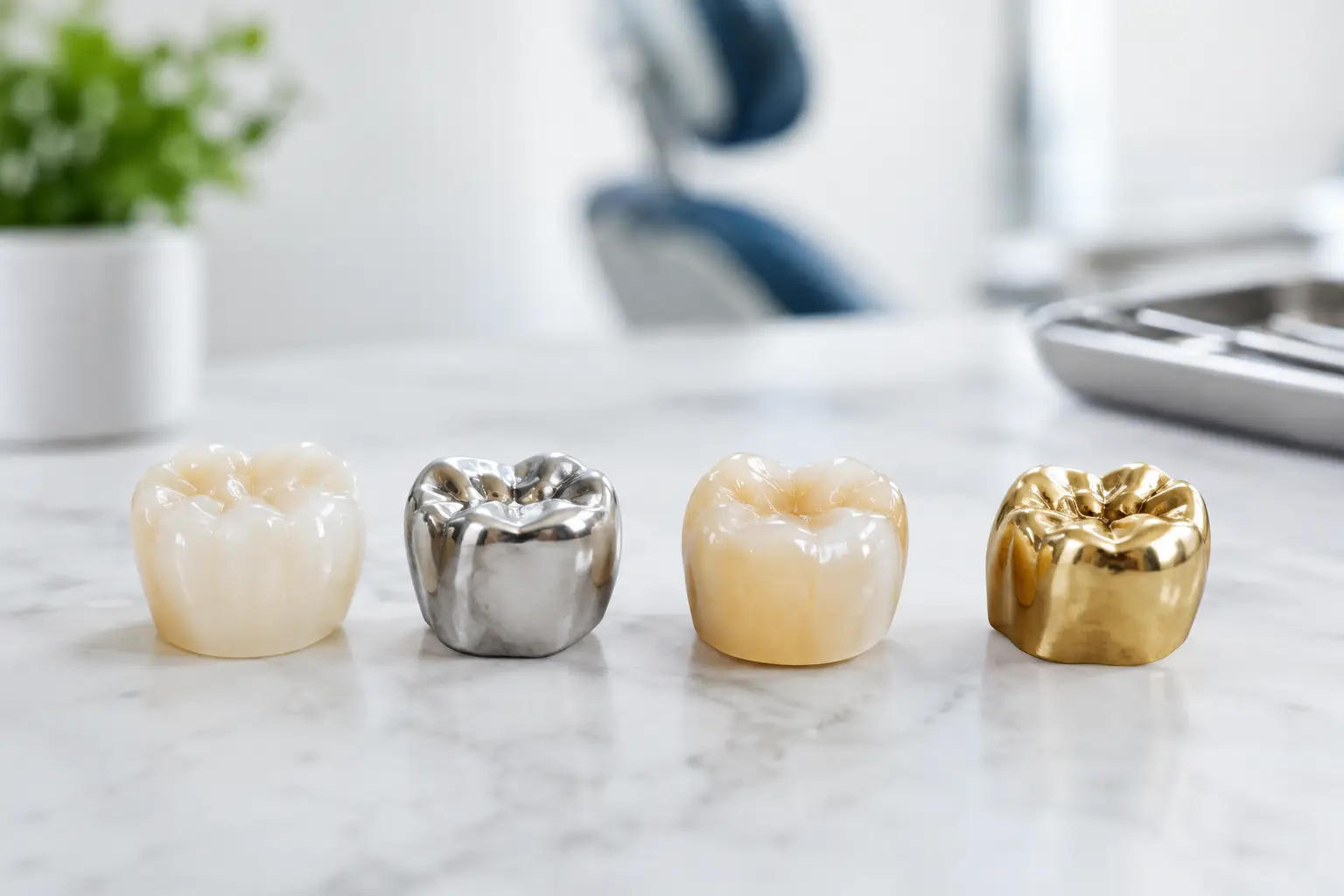
A crown covers and protects a tooth that has been significantly damaged, heavily filled, weakened after root canal treatment or worn down. Although a crown is not a low-cost treatment, it can be a cost-conscious choice when it prevents a vulnerable tooth from breaking further or needing extraction.
Modern crowns can be designed to blend naturally with neighbouring teeth. The material, position of the tooth and demands of your bite all affect the fee and the final appearance. A crown placed mainly to improve colour or shape should be discussed differently from one that is clinically necessary, so you can make an informed decision about priorities.
Clear aligners for mild to moderate straightening
Clear aligners can be an appealing alternative to fixed braces for adults who would prefer a discreet way to improve alignment. They are removable for eating and brushing, but they need consistent wear to work as intended. Treatment may suit people with mild to moderate crowding, spacing or relapse after previous orthodontic treatment.
The cost reflects the complexity of movement, the number of aligners needed, reviews during treatment and retainers afterwards. For a small cosmetic concern, limited treatment may be possible. More complicated bites may require a longer plan, and it is better to understand that from the outset than to choose a cheaper option that cannot achieve a stable result.
Dentures, bridges and implants for missing teeth
A missing tooth can affect smiling, speaking, eating and the way neighbouring teeth move over time. Dentures, bridges and implants each offer different benefits and costs. A denture is often the most accessible replacement option and can restore the appearance of a gap effectively. A bridge is fixed in place, while an implant replaces the tooth root as well as the visible tooth and may offer a highly stable long-term solution for suitable patients.
There is no single best choice. The condition of nearby teeth, gum and bone health, the location of the space, your budget and your expectations all matter. Sometimes a staged plan is appropriate: restoring health first, then considering a more comprehensive replacement later if desired.
Understand NHS and private treatment clearly
NHS dentistry is focused on treatment that is clinically necessary to keep your mouth healthy and functioning. Purely cosmetic changes, such as whitening or elective alignment, are generally not available through the NHS. However, some restorative treatment may be available where there is a clinical need, and your dentist can explain the options relevant to your circumstances.
Private care can offer a wider range of aesthetic materials, treatment choices and appointment flexibility. That does not mean every private option is necessary. A trustworthy recommendation should distinguish between what needs treatment, what could be improved and what is entirely elective.
Ask for a written treatment plan before beginning. It should set out the recommended treatment, alternatives where appropriate, likely fees and what future maintenance may involve. If a plan is phased, ask which stage will make the greatest difference first. This allows you to spread treatment sensibly without losing sight of the overall result.
How to make cosmetic care more manageable
Affordability is often about planning rather than compromising on safety. Begin with an examination and be open about your budget. It is helpful to say whether you are looking for a small improvement now, a staged plan over several months or a more complete change. Your dentist can then discuss realistic routes without pressure.
Consider the full lifespan of a treatment. Whitening may need maintenance, aligners require retainers, and crowns, bridges and dentures may eventually need repair or replacement. Daily care matters too: brushing twice a day with fluoride toothpaste, cleaning between teeth and attending hygiene appointments can help your treatment stay attractive for longer.
For patients who prefer to budget for routine care, a dental plan such as Denplan may help make regular check-ups and preventive appointments easier to manage. It is worth checking exactly what is included and how any additional treatment is charged, as plans are not the same as cosmetic treatment cover.
Avoid decisions based only on a headline price or a photograph online. Dentistry is personal. A treatment that works beautifully for a friend may be unsuitable for your enamel, bite, gum health or existing restorations. You should feel able to ask about risks, expected longevity, alternatives and what happens if the result needs adjustment.
A result that still feels like you
The most successful cosmetic dentistry is often understated. It should allow you to smile, eat and speak with greater ease, while respecting the character of your face and the health of your natural teeth. Whether you are considering a modest whitening treatment or a carefully staged restorative plan, the first step is a conversation with a dentist who will listen to what you want and explain the choices clearly.
A considered plan can make a meaningful difference without asking you to choose more treatment than you need.