NHS Dental Check Up Costs in Scotland
Clear advice on NHS dental check up costs in Scotland, free examinations, recall appointments and when private dentistry may be appropriate for you today.
For patients in Edinburgh, NHS dental check up costs are often more straightforward than expected. A routine NHS dental examination in Scotland is free. That means you can attend for a check-up, discuss any worries and receive professional advice without paying a charge for the examination itself.
The practical detail matters, however. Your appointment needs to be provided on an NHS basis, and availability can differ between practices. If you are looking for a dentist for yourself or your family, it is sensible to ask whether the practice is accepting new NHS patients and to confirm how your appointment will be provided when you book.
What NHS dental check up costs are in Scotland
There is no charge for an NHS dental check-up in Scotland. This applies to adults as well as children. It is different from the system in England, where NHS dental charges are set in treatment bands, so advice found online can sometimes be confusing for Scottish patients.
At a routine examination, your dentist will assess the health of your teeth, gums and mouth. They may check for signs of decay, gum disease, wear, problems with fillings or crowns, and changes to the soft tissues of the mouth. X-rays may be recommended if they are clinically necessary to diagnose a concern or monitor an area properly.
A free examination does not mean a rushed or less careful appointment. A good check-up is preventive care: an opportunity to spot small changes early, before they develop into pain, infection or more involved treatment. It is also a chance to talk honestly about sensitivity, bleeding gums, grinding, nervousness about treatment or anything else that has been troubling you.
How often should you have a check-up?
There is no single interval that suits every patient. Your dentist will recommend a recall period based on your oral health, dental history and individual risk. For some people, this may be every six months. Others with stable teeth and gums may be advised to return after a year or longer.
This is not simply a matter of how diligently you brush. A patient with a history of gum problems, frequent decay, complex restorations, dry mouth, diabetes or a tendency to grind their teeth may benefit from being seen more regularly. Children and teenagers may also need closer monitoring while their teeth and bite are developing.
If you have missed appointments for a while, do not feel you need to wait until something hurts before booking. Dental problems do not always cause obvious symptoms in their early stages. Returning for an examination is a calm, sensible first step, and your dentist can advise what is needed without pressure.
What happens if you need treatment?
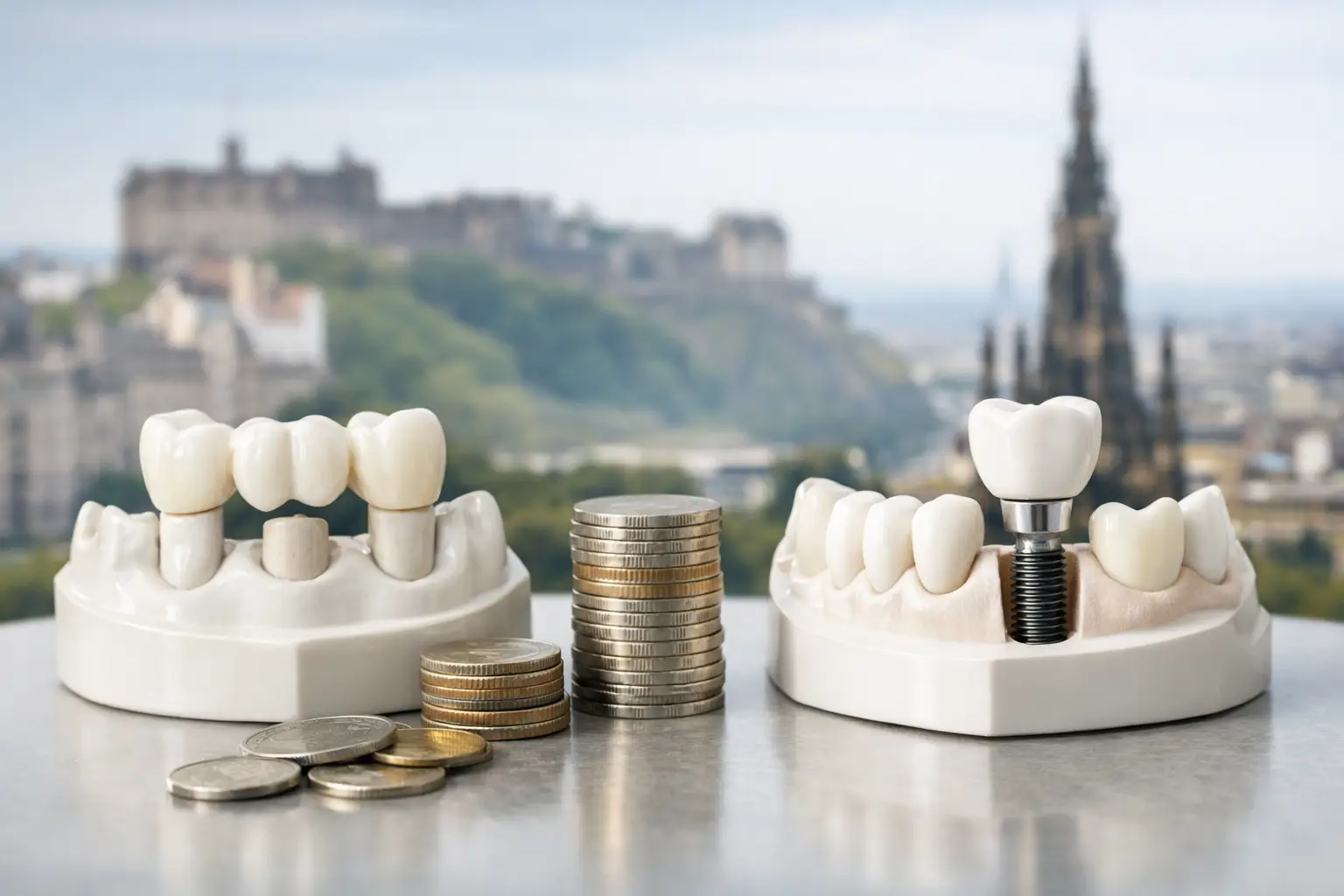
Most NHS dental treatment in Scotland is free. There are still patient charges for some NHS items, including dentures and bridges. If treatment is recommended, your dentist should explain the clinical reason for it, what is involved and whether any charge is likely to apply before you go ahead.
It is worth asking questions if anything is unclear. You should feel comfortable understanding whether a treatment is clinically necessary, whether there are alternatives, how long it is expected to last and how best to care for it afterwards. Clear discussions support better decisions, particularly where a tooth can be monitored for a period rather than treated immediately.
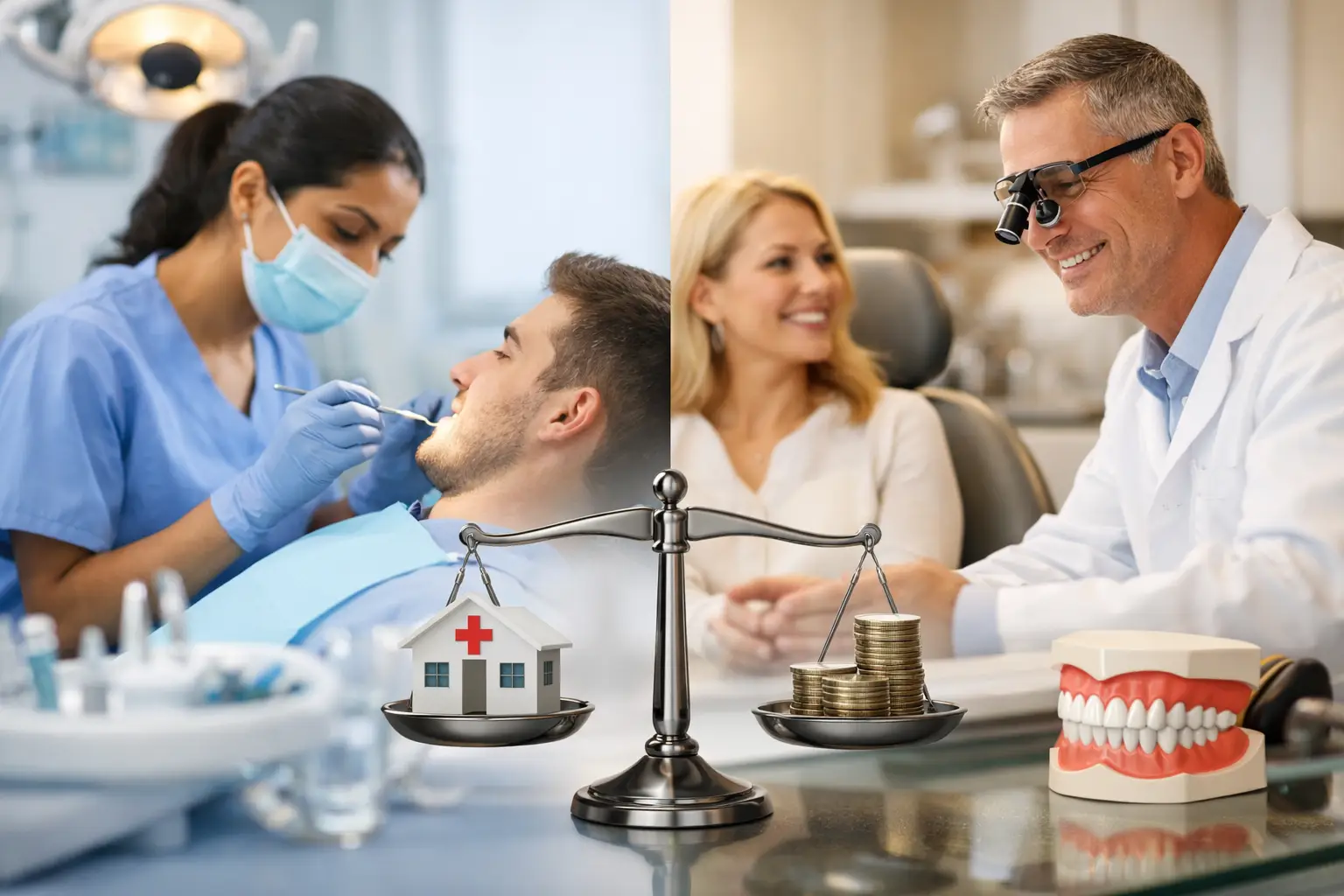
In some cases, a suitable NHS option and a private option may both be available. This does not mean that one route is automatically better. The right choice depends on your needs, priorities and budget. For example, a private option may offer different materials, more cosmetic choice or a particular treatment approach. Your dentist should set this out clearly, without making you feel obliged to choose private care.
Treatments that are usually private
Some services are generally outside NHS dentistry because they are elective or cosmetic rather than clinically necessary. Teeth whitening, clear aligner treatment and dental implants are common examples. A scale and polish may also be provided privately where it is requested for cosmetic freshness rather than required as part of gum treatment.
Private dentistry can be a good fit for patients seeking these options, but it should begin with a proper assessment and a transparent estimate. It is reasonable to ask what the fee includes, whether there may be laboratory costs, and what aftercare is planned. Good dentistry is not about choosing the most extensive treatment. It is about choosing care that is appropriate, safe and sustainable for you.
Booking an NHS dental appointment in Edinburgh
Before registering or booking, ask whether the practice has capacity to see you as an NHS patient. NHS places can be limited, and a practice may need to manage appointments carefully to ensure existing patients can continue with their regular care.
When you attend, bring any useful information about your medical history and medicines. Tell the team if you have had a difficult dental experience, feel anxious in the chair or have a condition that may affect treatment. These details help your dentist plan your care thoughtfully and give you the time and reassurance you need.
Continuity can make a real difference. Seeing the same dentist where possible means they can understand your history, monitor changes over time and build a relationship based on trust. For families, it also makes routine appointments easier to manage and helps children become familiar with dental care in a relaxed setting.
If you have toothache, swelling, a broken tooth or another urgent concern, do not wait for your next routine check-up. Contact a dental practice promptly and explain your symptoms. Same-day assessment may be needed, particularly where there is significant pain, swelling, trauma or signs of infection.
NHS dental check up costs: common questions
Is a check-up free if I am an adult?
Yes. NHS dental examinations in Scotland are free for adults and children when provided through an NHS dental appointment. This is separate from any charges that may apply to certain items of treatment, such as dentures or bridges.
Will I be charged for X-rays?
If your dentist considers X-rays clinically necessary as part of NHS care, they are generally included rather than charged separately. X-rays are not taken routinely without reason. They are used when they help the dentist assess areas that cannot be seen clearly during an examination.
Can I choose private treatment after an NHS check-up?
Yes, where a private option is clinically appropriate and available. Your dentist can explain the differences in treatment approach, appearance, materials, timing and cost. You can then take time to decide what feels right for you.
Does free mean I can book as often as I like?
Your recall interval will be based on clinical need. Regular examinations are valuable, but more frequent appointments are not always necessary for every patient. Following the interval recommended by your dentist is a sensible balance between prevention and practicality.
What if I have not been to the dentist for years?
You are not alone, and there is no judgement in starting again. Book an examination, be open about any concerns and let the dentist know if you are nervous. The first appointment is usually about understanding your current oral health and agreeing a manageable plan, not trying to do everything at once.
A dental check-up is a small appointment with a lasting purpose: it gives you reliable information about your oral health and a clear route forward. At 4 Great Stuart Street, we believe patients should feel listened to, informed and at ease from the moment they come through the door.