How to Care for a New Dental Crown at Home
Learn how to care for a new dental crown - from eating and brushing to recognising signs that need your dentist's advice - for a calm, confident recovery.
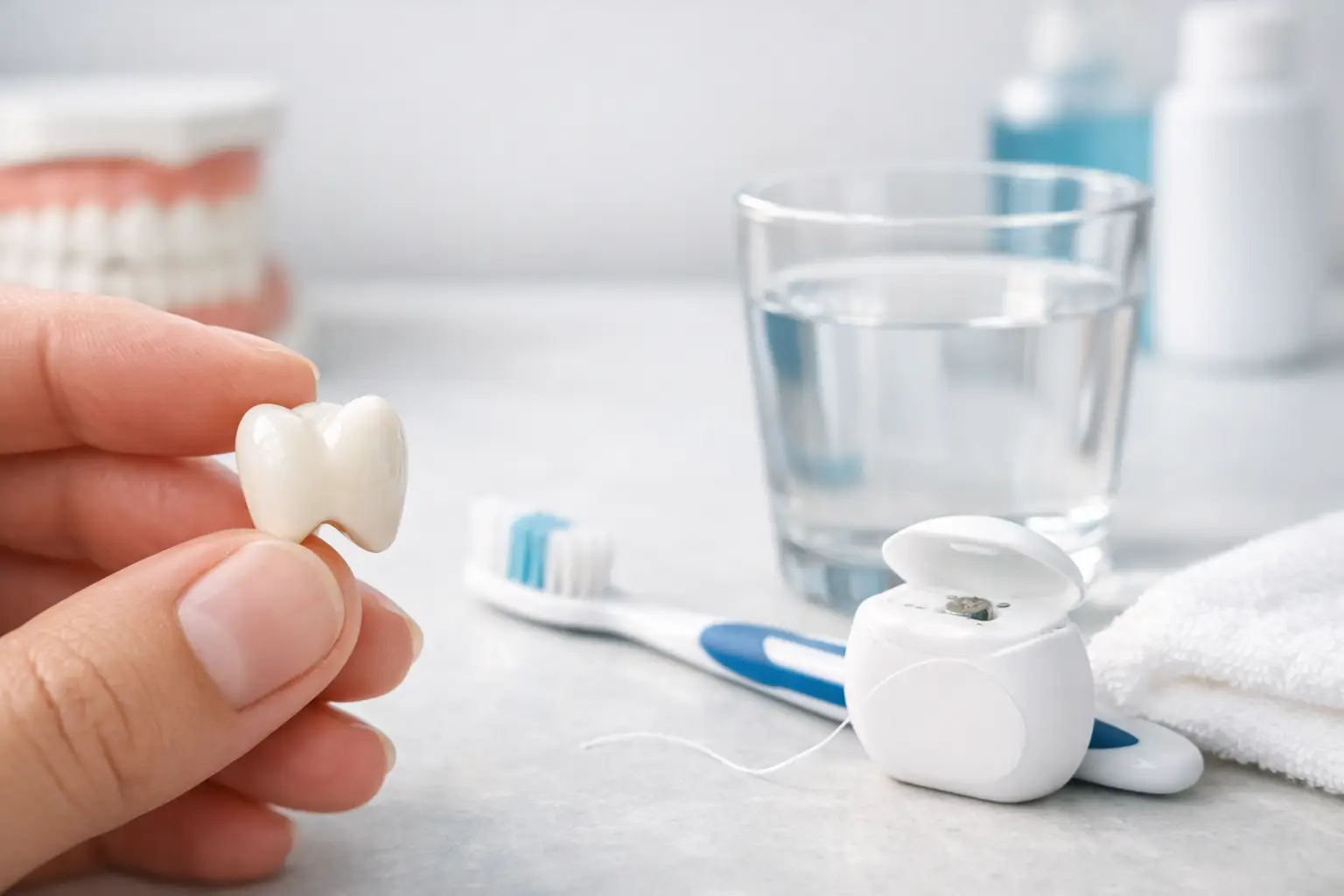
A new crown should feel like a natural part of your smile, but it can take a little time to settle. Knowing how to care for a new dental crown helps protect the tooth beneath it, keeps the surrounding gum healthy and gives you the best chance of a comfortable, long-lasting result.
It is normal to notice some sensitivity after treatment, particularly when eating or drinking something very hot or cold. Your gum may also feel tender around the crown for a few days. These sensations usually improve as the tooth and tissues settle. A crown itself cannot decay, but the natural tooth at its edge still can, which makes daily care just as valuable as it was before treatment.
The first 24 hours after your crown is fitted
If your crown has been cemented permanently, you can usually eat once any numbness has worn off. Take care while you are still numb, as it is easier to bite your cheek, lip or tongue without realising it. Choose a softer meal at first if your mouth feels tender.
Avoid very sticky foods on the day of treatment, such as toffee or chewing gum. They can place unnecessary pulling force on a new crown. It is also sensible to avoid biting directly into hard foods, including crusty rolls, hard sweets or ice, until you are comfortable with the new bite.
Some patients receive a temporary crown while their final crown is being made. Temporary crowns need gentler handling because the cement is designed to be removed. Avoid sticky foods and chew on the other side where possible. If floss catches around a temporary crown, slide it out sideways rather than lifting it straight up, as this reduces the risk of dislodging it.
Eating comfortably with a new crown
Once the numbness and initial tenderness have passed, most people can return to their normal diet. Begin by chewing slowly and paying attention to how the crown meets the opposite teeth. A well-made crown should not feel high, sharp or awkward when you close your mouth.
For the first few days, it can help to favour foods that are easy to chew, such as pasta, fish, cooked vegetables, yoghurt or soup that is not too hot. This is not a long-term restriction. It is simply a comfortable way to let the area settle.
Crowns are made to withstand normal chewing, not to act as tools. Avoid opening packaging with your teeth, cracking nuts in their shells or biting fingernails. These habits can chip porcelain, loosen a crown or damage the natural teeth around it. If you regularly clench or grind your teeth, tell your dentist. A night guard may help protect both the crown and your wider smile.
How to care for a new dental crown every day
The most useful routine is also the simplest: brush twice daily with fluoride toothpaste and clean between your teeth once a day. Spend a little extra time where the crown meets the gum line. This is where plaque can collect and where the supporting tooth is most vulnerable.
Use a soft or medium toothbrush and gentle, small movements at the gum margin. Brushing too hard does not clean more effectively, and can irritate the gum or contribute to recession over time. An electric toothbrush is suitable for most people and can make thorough brushing easier, provided you use it gently.
Cleaning between teeth matters because a toothbrush cannot properly reach these surfaces. Dental floss, interdental brushes or a water flosser may be appropriate depending on the spaces between your teeth. Your dentist or hygienist can recommend the most suitable size and technique. With a permanent crown, floss normally but avoid snapping it down onto the gum.
A fluoride toothpaste offers valuable protection to the natural tooth structure at the crown edge. After brushing, spit out the excess toothpaste rather than rinsing straight away. This allows the fluoride to remain on the teeth for longer.
Be patient with temperature sensitivity
Mild sensitivity to cold, heat or pressure can occur after a crown has been fitted, especially if the tooth needed substantial preparation or had a large filling beforehand. It should gradually improve rather than become more intense.
A toothpaste designed for sensitive teeth may help, but it needs consistent use for a couple of weeks. In the meantime, avoid testing the tooth repeatedly with iced drinks or very hot food. If sensitivity lingers beyond a few weeks, or interrupts sleep, arrange a review with your dentist.
Check that your bite feels right
Your bite is the way your upper and lower teeth meet. A crown can feel unfamiliar at first because your tongue is very sensitive to small changes in shape. That awareness often fades within several days.
What should not be ignored is a crown that makes contact before your other teeth, causes pain when you bite, or leaves your jaw feeling tired. A minor adjustment is often straightforward, but it is best done promptly. Continuing to bite heavily on one tooth can inflame the tissues around its root or contribute to a crack in the tooth.
When to contact your dentist
Most post-treatment tenderness is temporary. However, contact your dental practice if you notice any of the following:
- pain that is severe, worsening or keeps you awake at night;
- a crown that feels loose, moves, cracks or comes off;
- persistent pain when biting, or a bite that feels too high;
- swelling, a pimple-like spot on the gum, fever or a bad taste that does not go away.
If a crown comes off, keep it safe and contact the practice for advice. Do not try to glue it back with household adhesive, as this can damage the crown and make a proper repair more difficult. Depending on the situation, your dentist may advise you to avoid chewing on that side until you can be seen.
Protecting your crown for the long term
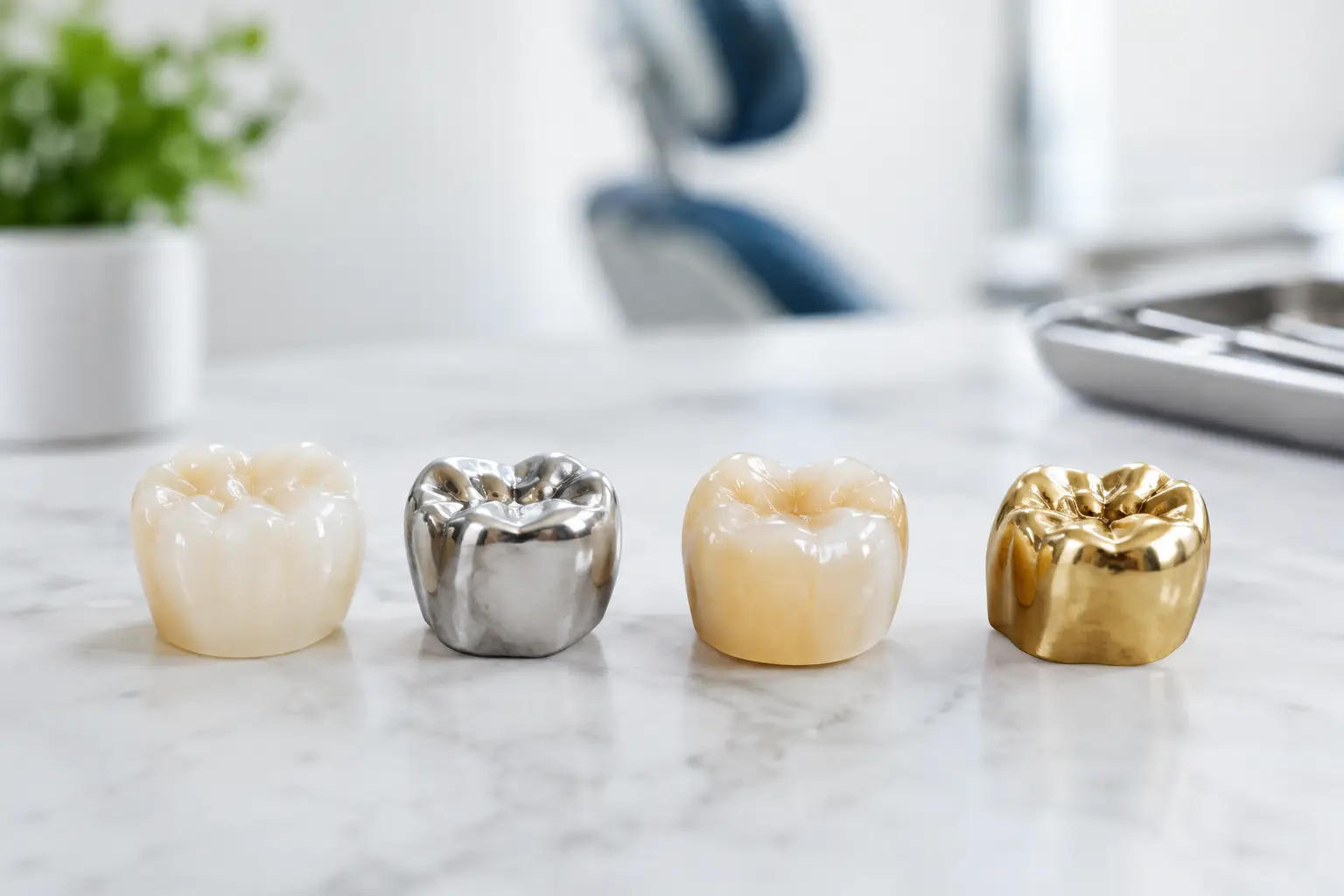
A crown can last for many years, but its lifespan depends on the material used, its position in the mouth, your bite and how well the surrounding tooth and gum are maintained. A back tooth crown experiences greater chewing forces than one near the front, while grinding and acidic diets can shorten the life of any restoration.
Regular check-ups allow your dentist to examine the crown margins, gum health and bite before a small concern becomes a larger one. Hygiene appointments can also remove hardened deposits from areas that are difficult to clean at home. This preventive approach is usually more comfortable, more predictable and kinder to your long-term dental health than waiting for a problem to develop.
If you have a sports mouthguard, make sure it still fits comfortably after your crown is placed. Anyone who plays contact sport, cycles regularly or takes part in activities with a risk of facial impact should use a suitable guard. Similarly, if you have a retainer or night guard, bring it to a review if it no longer sits properly.
At 4 Great Stuart Street, we encourage patients to get in touch if something about a new crown does not feel right. A small adjustment or timely review can offer reassurance and help your restoration settle as it should. With careful cleaning, sensible habits and regular dental care, your crown can become a dependable, comfortable part of everyday life.