Is Private Better Than an NHS Dentist?
Is private better than an NHS dentist? Compare costs, access, treatment choice and continuity of care to decide what suits you and your family.
If you have ever tried to weigh up whether private care is worth paying for, you are not alone. Many patients ask, is private better than NHS dentist care, especially when they want dependable appointments, clear advice and a practice they can stay with for years rather than months.
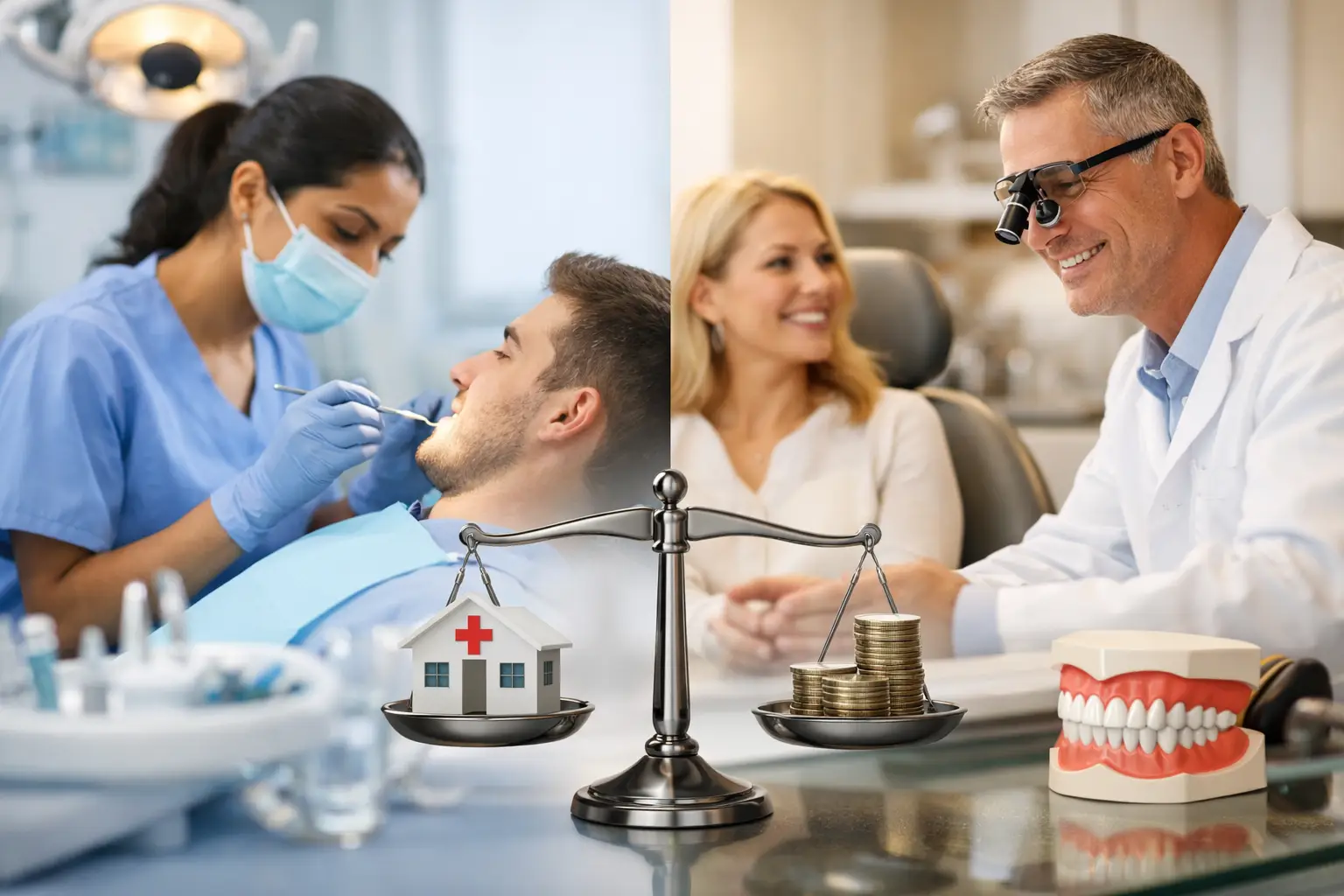
The honest answer is that neither option is automatically better for everyone. NHS dentistry remains an essential service and works well for many routine needs. Private dentistry can offer greater flexibility, a wider choice of treatments and often more time with your dentist. The right fit depends on your budget, your dental needs and the kind of experience you want from your care.
Is private better than an NHS dentist for everyday care?
For everyday dentistry, the difference is often less about clinical standards and more about scope, access and time. Dentists providing either NHS or private treatment are regulated to the same professional standards. Your safety, diagnosis and core quality of care should never depend on whether you are paying privately or being seen under the NHS.
Where things begin to differ is in what can be offered and how the service is structured. NHS dentistry is designed to provide clinically necessary treatment to keep your mouth healthy. That includes examinations, fillings, gum care and other routine treatment where appropriate. It is not built around cosmetic preference, extra convenience or a highly tailored choice of materials and appointment styles.
Private dentistry usually allows more room for personal preference. If you want whitening, clear aligners, dental implants or a more aesthetic choice of crown or filling materials, private care is often the route. It can also suit people who value longer appointments, easier booking options or continuity with the same clinician over time.
So, is private better than an NHS dentist for check-ups and general maintenance? Not always. If your needs are straightforward and you are happy with the treatment available under NHS rules, NHS care may be entirely appropriate. If you want more flexibility and a broader menu of options, private care may feel better suited.
Cost matters - but so does value
For most people, cost is the clearest difference. NHS dentistry is subsidised, which makes it more affordable for routine and necessary treatment. That matters greatly for families, patients managing ongoing oral health problems and anyone trying to keep regular care within a household budget.
Private dentistry costs more, sometimes significantly more, depending on the treatment. That higher fee can reflect longer appointment times, different materials, advanced treatment options and a service model that allows more individual attention. In other words, you are not simply paying more for the same thing. You are often paying for a wider range of choices and a different patient experience.
That said, higher cost does not always equal better value. If all you need is a routine examination and a simple filling, private treatment may not offer enough extra benefit to justify the additional expense. On the other hand, if you have a broken tooth that needs careful cosmetic repair, or you are considering implants or aligners, private care can offer options the NHS may not provide.
A sensible question is not just, what does it cost, but what am I paying for? Good practices should explain this clearly and transparently, without pressure.
Access and waiting times often shape the decision
In practical terms, many patients choose private care because it can be easier to access. In some areas, NHS dental places are limited and waiting times can be frustrating. If you are trying to register, need to be seen quickly or want appointments that fit around work and family life, availability becomes a major factor.
Private practices can often offer faster appointments and more flexibility with scheduling. For busy professionals, parents and patients dealing with dental anxiety, that can make a real difference. A prompt appointment may mean less time worrying about a painful tooth, less disruption to work and less chance of a small problem becoming a larger one.
That does not mean NHS patients cannot receive timely care, especially in urgent cases. But the pressure on NHS services is real, and access varies widely by area. In Edinburgh, as elsewhere, patients often find that the question is not only whether private is better than NHS dentist care in theory, but whether the right appointment is available when they actually need it.
Treatment choice is where private care often stands apart
One of the clearest advantages of private dentistry is the range of treatments available. NHS dentistry focuses on what is clinically necessary. Private dentistry can extend beyond that into aesthetic and elective treatment, as well as more advanced restorative options.
For example, if you are interested in teeth whitening, clear aligners or dental implants, these are generally private treatments. Even where a tooth can be restored under NHS care, the private route may offer a different material, a different look or an option that aims for a more natural cosmetic result.
This can matter not only for appearance but also for confidence and long-term planning. Someone with a missing front tooth may want to discuss dentures, bridges and implants in full, weighing comfort, longevity and appearance. Private care can provide more room for those conversations and more options to choose from.
Still, more choice is not always necessary. Some patients do not want elective treatment. They simply want safe, reliable dentistry that keeps them healthy. In that case, NHS care may remain the better fit.
Continuity, time and patient experience
A good dental relationship is built over time. Many patients, particularly nervous patients, care as much about how they are treated as what treatment they receive. They want to feel listened to, not rushed. They want consistency and calm.
Private dentistry can support that experience by allowing more time in appointments and a service model centred on continuity. That may mean more detailed discussions, more preventive advice and a stronger sense that your treatment is being planned with the long term in mind.
This is one reason some families and anxious patients prefer private care. If seeing the same dentist regularly helps you feel settled and confident, that continuity has real value. It can also improve dental health because people are more likely to attend consistently when they trust the environment.
NHS practices also provide excellent long-term care, and many build strong patient relationships. But time pressures and service constraints can make a more personalised experience harder to deliver consistently.
When NHS dentistry may be the better option
There are plenty of situations where NHS care is the sensible choice. If you need routine preventive care, clinically necessary treatment and affordable fees, the NHS is there for precisely that reason. For many households, it allows regular dental attendance without placing too much strain on finances.
NHS care may also be the better option if you are not looking for cosmetic treatment or premium extras. Some patients simply want honest advice, proper examinations and necessary treatment when needed. There is nothing lesser about that. In fact, it is often the most practical and responsible route.
For children and families, NHS dentistry can be especially valuable. Keeping younger patients in regular attendance, monitoring development and addressing problems early is enormously important.
When private care may be worth it
Private care may be worth considering if you want quicker access, broader treatment choices or a more tailored patient experience. It can also suit people who have complex restorative needs or who want treatments that sit outside NHS provision.
If you are unhappy with the appearance of your teeth, considering aligners, replacing missing teeth with implants or looking for a more flexible appointment system, private dentistry can offer genuine advantages. The same applies if you value seeing the same clinician consistently and having more time to talk through options.
For some patients, the benefit is peace of mind. A calm, ethical and relaxed environment can make it easier to keep attending, ask questions and move ahead with treatment before problems worsen.
So, is private better than NHS dentist care?
Sometimes yes, sometimes no. Private dentistry is not inherently better in a moral or clinical sense, and NHS dentistry is not a second-best option. They serve different purposes, and many patients move between them at different stages of life depending on budget, access and treatment needs.
The best question to ask is simpler than the headline suggests: what kind of care do I need right now, and what matters most to me? If affordability and necessary treatment are your priority, NHS care may be exactly right. If flexibility, treatment choice and a more personalised experience matter more, private care may feel like a better fit.
At an established Edinburgh practice such as 4 Great Stuart Street, many patients value having both options discussed honestly. That kind of conversation tends to lead to the right decision - not the most expensive one, but the one that supports your oral health, your comfort and your confidence over time.
A good dentist should help you choose care that feels sustainable, sensible and right for your circumstances. That is usually where the best dentistry begins.