How Much Is Private Dental Care Compared to NHS?
Wondering how much is private dental care compared to NHS? See the main cost differences, what affects fees, and when private care may be worth it.
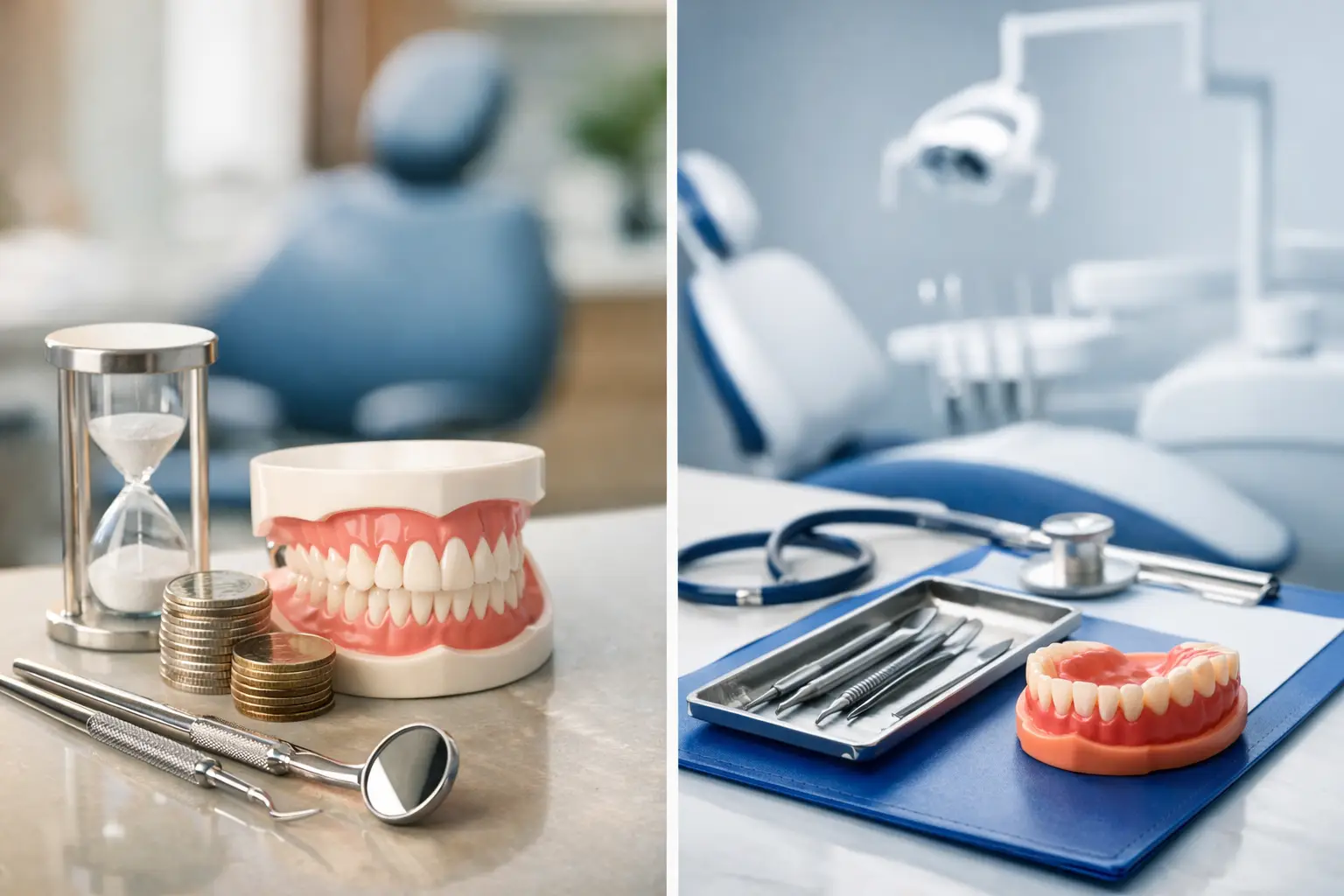
When people ask how much is private dental care compared to NHS, they are often really asking two things at once: what will I pay, and what will I get for that money? That is a sensible question, especially if you are trying to balance household costs with the need for reliable, comfortable dental care.
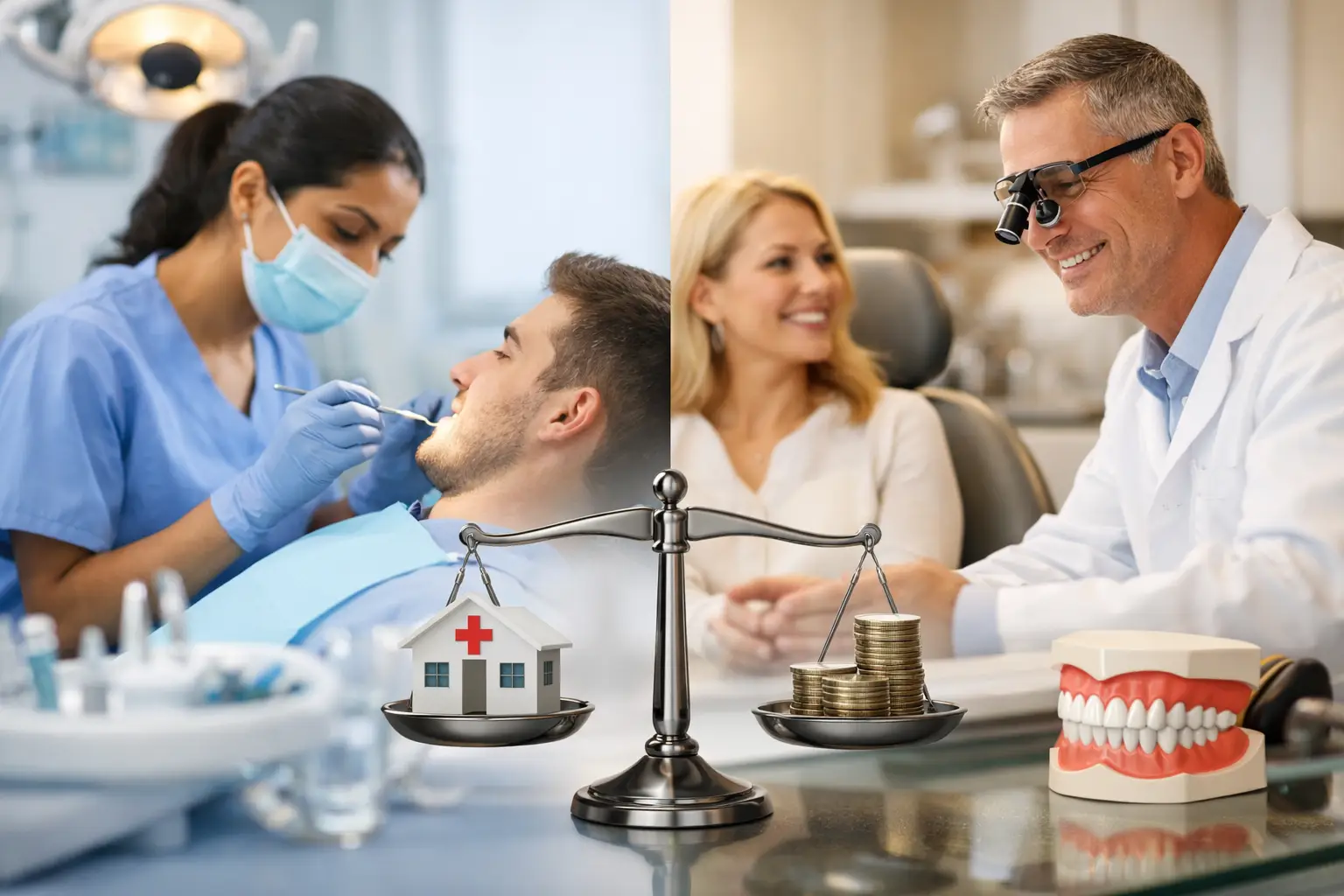
The short answer is that NHS dentistry is usually the lower-cost route for essential treatment, while private dentistry tends to cost more but offers greater choice, more flexibility and access to treatments that are not normally available on the NHS. The right option depends on your needs, your budget and how important factors such as appointment times, treatment options and continuity of care are to you.
How much is private dental care compared to NHS in practice?
In Scotland, NHS dental charges are structured quite differently from private fees. NHS treatment is partly funded, so patients usually pay a set contribution towards clinically necessary care, rather than the full market price. Private treatment, by contrast, is priced by the practice and reflects the time involved, the materials used, the complexity of the work and the level of service provided.
That means a routine examination under the NHS is often significantly less expensive than a private check-up. The same applies to basic fillings, hygiene treatment and other common procedures where NHS provision applies. If your needs are straightforward and the treatment is considered necessary for oral health, NHS care can be very good value.
Private fees are generally higher from the outset, but the comparison is not always like-for-like. A private appointment may allow more time, a wider choice of materials, a more tailored cosmetic result or shorter waiting times. In some cases, private treatment also covers services the NHS would not usually provide at all, such as teeth whitening, clear aligners or many implant treatments.
Why the price gap exists
The difference in cost is not simply a matter of one option being cheaper and the other more expensive. The systems are built for different purposes.
NHS dentistry is designed to provide access to essential oral healthcare. Its focus is maintaining dental health, treating disease and preventing problems from becoming more serious. It is not intended to offer every material, every cosmetic option or every possible treatment route.
Private dentistry allows for more individual choice. That can include longer consultations, more flexible appointment scheduling, greater continuity with the same clinician and a broader range of treatments and techniques. It may also involve higher-specification materials, particularly for restorative and cosmetic work where appearance, durability and detailed finishing matter to the patient.
For many people, this is where the real comparison sits. It is not only about the fee on the day. It is about the style of care, the options available and whether the treatment plan matches what the patient wants as well as what they clinically need.
Where NHS care is often the better-value option
If you need regular examinations, preventive advice, straightforward fillings or clinically necessary repairs, NHS care is often the most cost-effective choice. Families, patients managing ongoing dental maintenance and those who simply want dependable routine care may find this route entirely appropriate.
There is also reassurance in knowing that NHS dentistry follows clear charging principles for necessary treatment. If the priority is keeping teeth and gums healthy without paying for extras, the NHS remains an important and valuable option.
That said, availability can be a deciding factor. In some areas, access to NHS appointments can be more limited, and patients may need to plan ahead. For someone with a busy working week, urgent concerns or a preference for more flexible scheduling, the lower fee may come with practical compromises.
Where private dentistry may justify the higher cost
Private treatment often appeals to patients who value time, choice and a more personalised experience. That might mean being seen more quickly, having appointments that fit around work or family life, or feeling able to discuss several treatment options in detail without feeling rushed.
It can also matter a great deal to nervous patients. A calm, unhurried environment and continuity with a trusted dentist can make treatment feel much more manageable. That is not a small thing. For some people, it is the difference between delaying care and actually attending.
Then there is the question of treatment scope. Cosmetic treatments are the clearest example. Teeth whitening is private. Clear aligners are private. Dental implants are usually private. Even when the NHS can provide a functional solution, a patient may prefer a different aesthetic or restorative option that sits outside NHS provision.
In those cases, asking how much is private dental care compared to NHS is only part of the picture, because the NHS alternative may be limited or may not exist in the same form.
Comparing common treatments
For check-ups and preventive care, private fees are usually higher than NHS charges, but patients may benefit from longer appointments and more detailed planning. Hygiene visits can be similar - NHS care may cover what is clinically necessary, while private hygiene appointments often focus more fully on stain removal, gum health support and ongoing maintenance.
For fillings, NHS treatment is generally the lower-cost option when the goal is to restore function and health. Private fillings may cost more, particularly if tooth-coloured materials are used in a way that prioritises appearance as well as repair.
Crowns, bridges and dentures can show a wider gap. The NHS may provide a functional restoration, but private treatment may give more choice over material, appearance and finish. Some patients are content with the essential option. Others are willing to pay more for a result that blends more naturally with the rest of the smile.
When it comes to orthodontics and cosmetic work, private care is usually the main route for adults. The same is true for whitening and implants. These treatments can involve a larger financial commitment, but they are often chosen for personal, aesthetic or long-term quality-of-life reasons rather than immediate necessity alone.
The hidden value in private care
Cost matters, but value matters too. A lower headline fee is not always the whole story if it means less convenience, fewer options or postponing treatment you actually want.
For example, a patient who puts off replacing a missing tooth because the ideal option is not available through the NHS may end up living with discomfort or reduced confidence for years. Another patient might choose private care because they want to see the same dentist consistently and feel known, rather than starting from scratch each time.
This is often why established practices that offer both NHS and private care are helpful. They can guide patients through what is clinically necessary, what is elective and where private treatment may genuinely add value rather than simply add cost. At 4 Great Stuart Street, that balance matters. Patients want clear advice, transparent fees and care that feels considered rather than pressured.
How to decide which route suits you
A sensible starting point is to think about your priorities. If your main concern is keeping costs down for routine treatment, NHS care may be the right fit. If you want more flexibility, are considering cosmetic work or need a wider range of restorative options, private care may suit you better.
It also helps to separate essential treatment from preferred treatment. You may be happy to use the NHS for check-ups and basic maintenance, but choose private care for whitening, aligners or a more aesthetic crown. Many patients do not sit firmly in one camp or the other. Their choices depend on the treatment in question.
Ask for a written treatment plan and fees before going ahead. A good practice will explain what is available under the NHS, what would be private, and why. That gives you the chance to make a decision calmly, with a clear understanding of both the clinical and financial side.
So, is private dental care worth it?
Sometimes yes, sometimes no. If your needs are routine and you are well served by NHS provision, private care may not offer enough extra benefit to justify the difference in cost. But if you want faster access, more choice, cosmetic options, greater continuity or a more tailored experience, private dentistry can feel very worthwhile.
The most helpful question is not simply how much is private dental care compared to NHS, but what matters most to you as a patient. Once that is clear, the cost makes more sense in context.
Good dentistry should leave you feeling informed, respected and confident in the decision you make. Whether that means NHS care, private treatment or a mix of both, the best option is usually the one that supports your health and feels sustainable for the long term.