Is Professional Teeth Cleaning Worth It for You?
Is professional teeth cleaning worth it? Learn what a hygienist visit can prevent, what it cannot replace, and how often Edinburgh patients may benefit.
A smooth, freshly cleaned feeling is welcome, but the real value of a hygiene appointment is not simply cosmetic. If you are asking, is professional teeth cleaning worth it, the answer usually depends on your gum health, how quickly plaque builds up for you and what you want to prevent over the years ahead.
Professional cleaning can remove hardened deposits that brushing and flossing cannot shift at home. It also gives a dental professional the opportunity to spot early warning signs, offer practical advice and help keep small concerns from becoming more involved treatment. For many people, that makes it a sensible part of regular dental care rather than an occasional luxury.
What happens during a professional teeth cleaning?
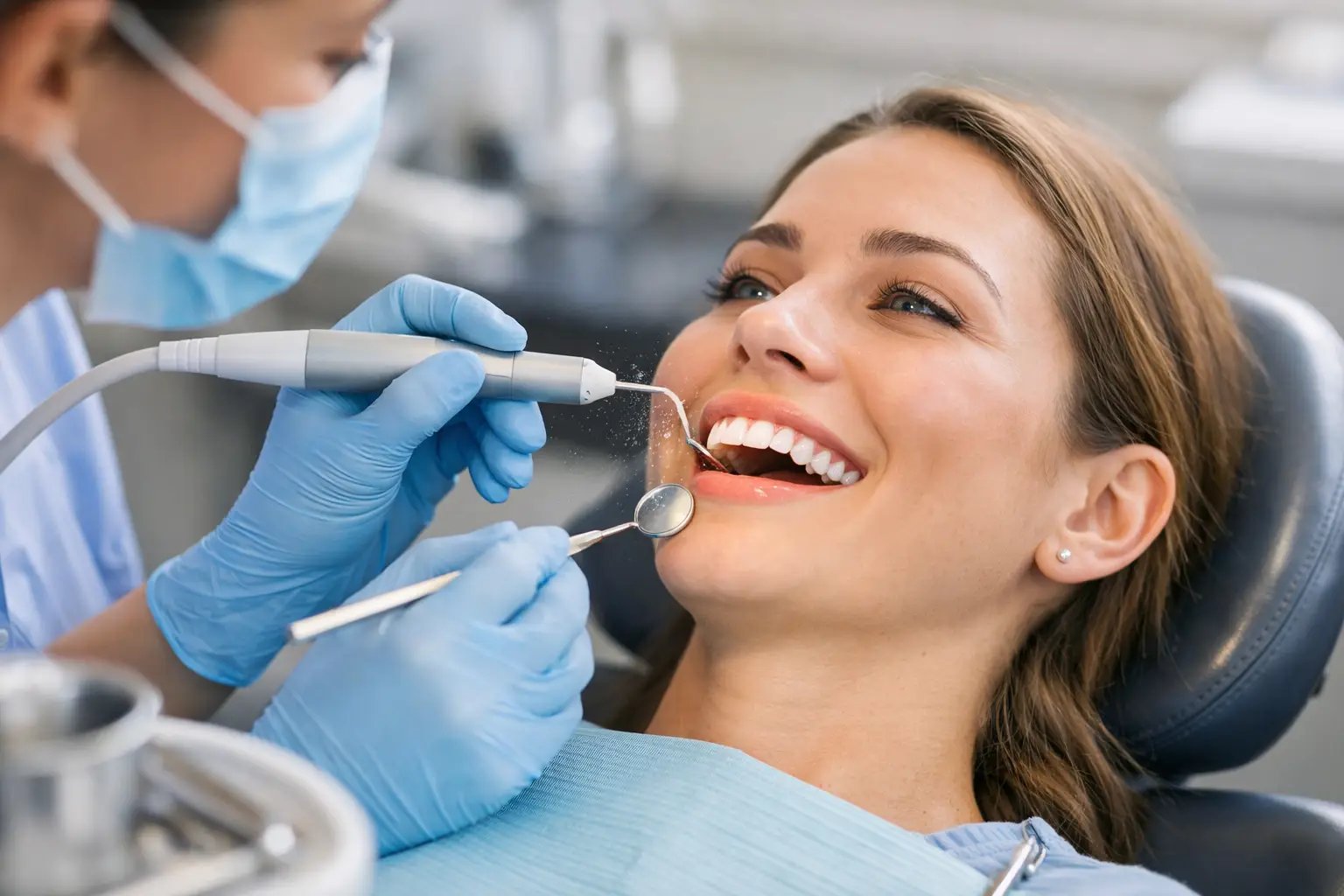
A professional cleaning appointment is often carried out by a dental hygienist. They will assess the condition of your gums and teeth before carefully removing plaque and calculus, also known as tartar. Plaque is the soft, sticky film that forms on teeth every day. If it is not thoroughly removed, it can harden into calculus, particularly around the gumline and behind the lower front teeth.
Calculus cannot be brushed away at home. It provides a rough surface on which more plaque can collect, increasing the chance of gum inflammation. A hygienist uses appropriate instruments to remove these deposits, then may polish the tooth surfaces to lift some surface staining and leave the mouth feeling fresher.
The appointment is also personal. Someone with healthy gums and very little build-up may need a straightforward clean and a few refinements to their routine. Someone with bleeding gums, deeper plaque deposits, dental implants, crowns or a history of gum disease may need more focused care and a different review interval.
Is professional teeth cleaning worth it for gum health?
For most patients, yes. Gum disease often begins quietly. You may notice bleeding when you brush, a lingering unpleasant taste, swollen gums or bad breath, but it can also develop with few obvious symptoms. The early stage, gingivitis, is commonly reversible with effective daily cleaning and professional support.
When plaque and calculus remain at the gumline, inflammation can persist. Over time, more advanced gum disease can affect the supporting structures around the teeth. This is not something a bright smile alone can reveal. Regular hygiene visits can help identify concerns early, when managing them is generally more straightforward.
A professional clean is not a guarantee that gum disease will never develop. Daily habits still matter most: brushing carefully twice a day with fluoride toothpaste, cleaning between the teeth and attending dental check-ups as advised. But removing deposits that you cannot reach or remove yourself gives those habits a much stronger foundation.
The benefits go beyond a polished smile
Many people first book a cleaning because of tea, coffee, red wine or smoking-related staining. A polish may improve the appearance of surface stains, although it will not change the natural shade of your teeth in the way whitening treatment can. That distinction matters if your main aim is a noticeably lighter smile.
The longer-term benefits are often more meaningful. Professional cleaning may help you maintain healthier gums, fresher breath and a cleaner feel around areas that are difficult to manage, such as crowded teeth, fixed bridges or the edges of crowns. It can also be particularly useful for people wearing clear aligners, as trays can make it easier for plaque to remain against the teeth if cleaning is inconsistent.
For patients with implants, hygiene is especially important. Implants cannot decay, but the gum and bone around them still need careful protection. Professional monitoring and cleaning help support the long-term health of the tissues around an implant.
When cleaning may be more of a priority
There is no single schedule that suits everybody. Some patients maintain excellent gum health with routine care at longer intervals. Others benefit from more frequent hygiene appointments because of their individual risk factors and clinical history.
You may be more likely to need regular professional cleaning if your gums bleed when brushing, you have previously been treated for gum disease, you smoke, have diabetes, find it difficult to clean between your teeth, or notice persistent bad breath. Pregnancy can also make gums more prone to inflammation. Crowded teeth, braces, retainers, bridges, crowns and implants can create areas where plaque is harder to remove consistently.
Your dentist or hygienist should recommend an interval based on your needs rather than applying the same timetable to every patient. A calm discussion about your gum health, home routine and any concerns is more useful than assuming that twice-yearly cleaning is automatically right for everyone.
What professional cleaning cannot do
It is worth being clear about the limits. A hygiene appointment does not replace a dental examination. Your dentist checks for issues such as tooth decay, cracks, problems beneath existing restorations and changes to the soft tissues of the mouth. Cleaning and check-ups work together, but they are not interchangeable.
It also cannot repair damage that has already occurred. If a tooth has a cavity, a broken filling or significant wear, it may need separate treatment. If gum disease has progressed, you may require a more tailored periodontal care plan rather than a standard scale and polish.
Nor is a professional clean a substitute for daily plaque control. Even the most thorough appointment cannot compensate for months of missed brushing or a lack of cleaning between teeth. The most successful results come from the partnership between your home routine and professional care.
Does a professional clean hurt?
For many people, a routine clean is comfortable. You may feel pressure, vibration or brief sensitivity, particularly around areas with calculus build-up. If your gums are inflamed, they may bleed during cleaning because the tissues are already irritated, not because the cleaning has harmed them.
Patients with sensitive teeth, anxious feelings about dental treatment or a history of gum disease should say so before the appointment begins. There are ways to make treatment more comfortable, including taking breaks, using a gentle approach and discussing options for managing sensitivity. You should never feel that you have to endure an appointment in silence.
At 4 Great Stuart Street, hygiene care is approached as part of a longer-term relationship with patients, with time to explain what is being done and why. That can be particularly reassuring if it has been a while since your last visit.
Is the cost worth it?
The financial value of professional teeth cleaning is personal, but prevention is usually less costly and less disruptive than treating avoidable problems later. A hygiene appointment may help reduce the build-up and inflammation that contribute to gum concerns, while also giving you tailored guidance that makes your everyday care more effective.
That does not mean every patient needs the same type or frequency of treatment. If your gums are healthy, your dentist may advise a less frequent schedule. If there are signs of active gum disease, investing in more regular professional care may be the more prudent choice. Transparent advice should reflect your clinical needs, not pressure you into unnecessary appointments.
A simple way to decide
If your gums bleed, your breath does not feel fresh despite brushing, or you can see hardened deposits near the gumline, booking a hygiene appointment is usually worthwhile. It is also sensible before cosmetic work such as whitening, or when you are planning restorative treatment and want your mouth in the best possible condition.
If you are unsure, start with an examination and an honest conversation about your oral health. The best reason to have professional cleaning is not to chase a perfect polish. It is to give your teeth and gums the consistent, thoughtful care that helps them serve you comfortably for years to come.