Emergency Dental Appointments Today
Need emergency dental appointments today in Edinburgh? Learn what counts as urgent, what to do first, and when same-day dental care is needed.
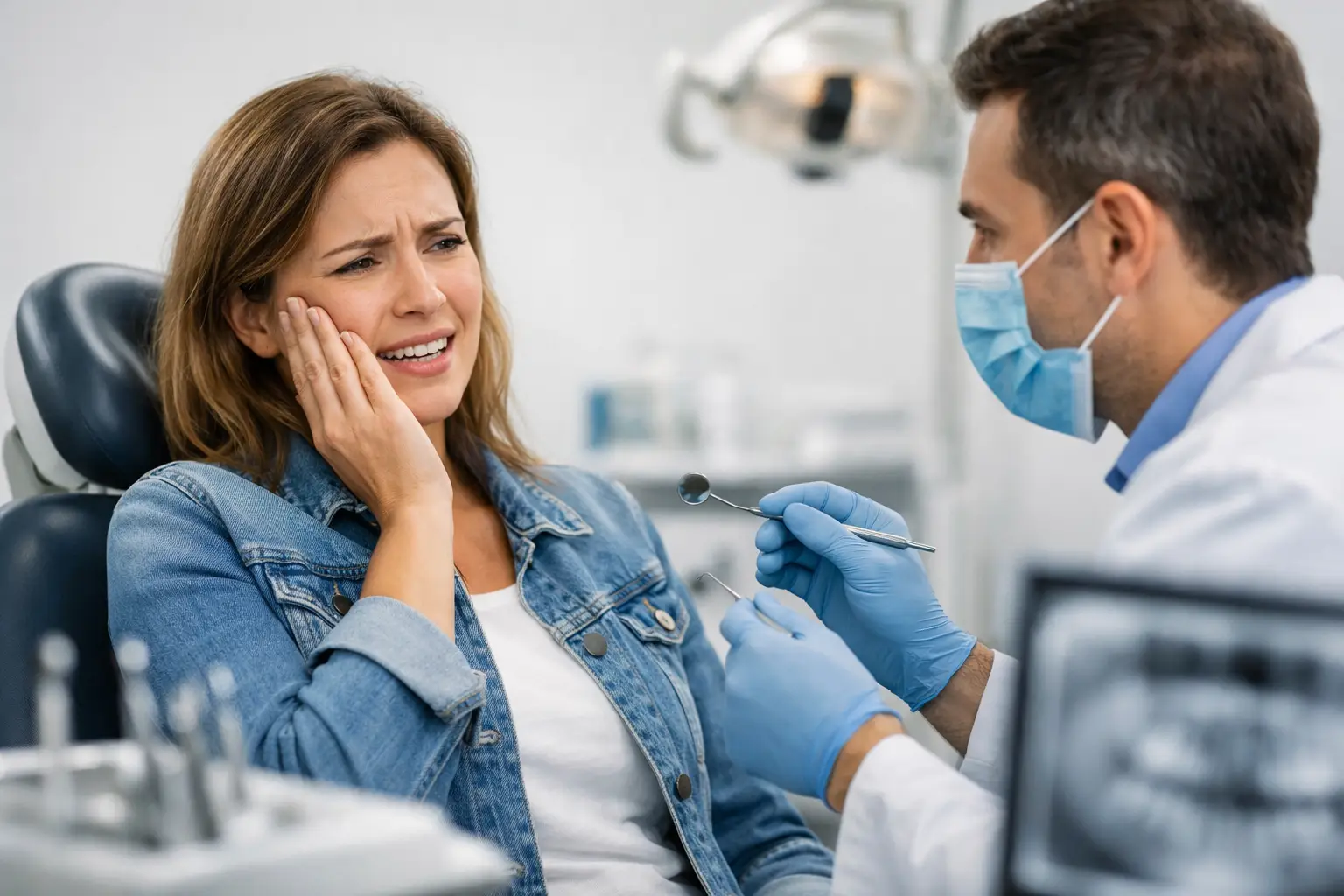
A sudden toothache rarely arrives at a convenient moment. It starts during a meeting, over dinner, or just as you are getting ready for bed - and suddenly finding emergency dental appointments today becomes the only thing that matters.
When pain is sharp, swelling is building, or a tooth has broken, people usually want two things straight away: relief and reassurance. The right response is not always to wait and see, but it is not always a trip to A&E either. Knowing what is genuinely urgent, what you can do at home for the next few hours, and when a same-day dental appointment is the safest option can make the situation feel far more manageable.
When emergency dental appointments today are needed
Some dental problems can wait a day or two. Others should be assessed as soon as possible. The difference often comes down to pain, infection, bleeding, trauma, and the risk of the problem getting worse quickly.
A same-day appointment is usually appropriate if you have severe toothache that does not settle with pain relief, swelling in the gum or face, a knocked-out tooth, a broken tooth causing pain, or bleeding that does not stop. You may also need urgent care if a filling, crown, bridge or denture has failed and left sharp edges, exposed tooth structure, or made it difficult to eat or speak comfortably.
There are also situations where speed matters because prompt treatment can improve the outcome. A tooth that has been knocked out in an accident is a good example. If it is seen quickly, there may be a better chance of saving it. The same applies to dental infections that are starting to spread. Swelling, a bad taste in the mouth, tenderness when biting, or difficulty opening your mouth can all point to a problem that should not be ignored.
What counts as a dental emergency - and what can wait?
This is where judgement matters. Not every dental issue is an emergency, but discomfort should still be taken seriously.
If you have mild sensitivity, a small chip with no pain, or a lost filling that is uncomfortable but manageable, you may not need to be seen within the hour. Even so, it is sensible to contact a dentist promptly before the problem worsens. Small issues have a habit of becoming larger, more expensive ones when they are left.
By contrast, intense pain that keeps you awake, visible swelling, signs of infection, trauma after a fall or sports injury, or a loose adult tooth all need quicker attention. If you have had recent dental treatment and the pain feels severe or unusual, that also warrants a call.
There is an important distinction between urgent dental care and a medical emergency. If you have swelling affecting your breathing or swallowing, heavy uncontrolled bleeding, significant facial trauma, or feel acutely unwell with fever and spreading infection, you should seek emergency medical help immediately.
What to do before your appointment
The hours before an emergency appointment can feel long, especially when pain is escalating. A few simple steps may help you stay more comfortable and avoid making the problem worse.
Rinse gently with warm salty water if the area is sore or if a tooth has broken. Keep the mouth as clean as possible, but avoid aggressive brushing around a painful site. If there is swelling, a cold compress on the outside of the cheek can help reduce discomfort.
If a tooth has been knocked out, handle it only by the crown, not the root. If it is visibly dirty, rinse it very briefly in milk or saline, not by scrubbing it. If you can place it back in the socket safely, do so gently. If not, keep it in milk and seek urgent dental advice straight away.
For pain relief, follow the instructions on over-the-counter medication carefully and only take what is appropriate for you medically. Do not place aspirin directly on the gum or tooth. It does not treat the cause and can irritate the tissue.
Temporary dental repair kits from a pharmacy can sometimes help hold a lost crown in place for a short period, but they are not a substitute for treatment. If something feels unstable, painful, or sharp, it is still best to be assessed.
What happens at a same-day emergency dental visit
Many patients worry that an emergency appointment will be rushed or that they will feel pressured into treatment. In a well-run practice, the aim is the opposite: to assess the problem carefully, relieve pain where possible, explain your options clearly, and take the next safe step.
That may mean smoothing a broken tooth, replacing a temporary restoration, draining an abscess, prescribing appropriate medication when indicated, or beginning treatment such as a root canal. Sometimes the priority is to stabilise the situation and bring you out of pain, with a further appointment arranged for the complete repair once the immediate problem has settled.
This is especially important with more complex issues. A severely broken tooth, for instance, may eventually need a crown or extraction, but the first priority in an emergency is often to manage pain, assess whether the tooth can be saved, and reduce the risk of infection.
For anxious patients, the tone of the appointment matters as much as the treatment itself. Calm communication, clear explanations and a gentle pace can make a genuine difference when someone is distressed or frightened.
Common reasons people seek emergency care
Toothache is one of the most frequent reasons people ask for urgent help, but the cause varies. It might be decay that has reached the nerve, an abscess, a cracked tooth, gum infection, or even grinding-related damage. Because the causes differ, effective treatment depends on proper diagnosis rather than guesswork.
Broken teeth are another common issue. Sometimes the break is obvious after biting on something hard. Sometimes it is a crack that only causes pain when chewing. A chipped front tooth may feel like a cosmetic concern at first, but if the damage is deeper, the tooth can become sensitive or vulnerable to further fracture.
Lost crowns and fillings often sound minor, yet they can become urgent if the exposed tooth is painful or fragile. Likewise, denture damage may require prompt attention if it affects speech, comfort, or the ability to eat.
Swelling needs particular care. Not every swollen gum is dangerous, but swelling linked to dental infection can spread. If your face looks noticeably puffy, the area is hot and tender, or you feel unwell, it should be assessed without delay.
Choosing a dentist when you need help quickly
In an emergency, convenience matters, but trust matters too. When you are in pain, you want a practice that can see you promptly and explain matters plainly, without making an already stressful day feel more difficult.
For many people in Edinburgh, especially around the New Town and West End, that means looking for a practice with established local roots, same-day availability where possible, and experience across both urgent and routine care. Continuity also has value. If urgent care can sit within a wider plan for your long-term oral health, you are less likely to feel that your treatment is purely a temporary fix.
A practice such as 4 Great Stuart Street aims to provide that balance - prompt attention when something goes wrong, alongside the steadier reassurance of ongoing care, transparent advice and a calm environment.
Why acting early usually leads to better outcomes
There is a natural temptation to hope a dental problem will settle on its own. Occasionally a brief irritation does pass. More often, pain eases only because the nerve is worsening, or swelling fluctuates before returning more aggressively.
Early treatment is not simply about comfort. It can preserve more of the tooth, reduce the likelihood of infection spreading, and lower the chance that you will need more extensive treatment later. A small crack caught early may be repairable. Left for weeks, the same tooth may split beyond repair.
The same principle applies to children and adults alike. Even if the problem appears manageable at first glance, timely assessment is often the safer and more cost-effective route.
If you are searching for emergency dental appointments today, the key thing is not to panic, but not to delay either. Get advice, protect the area as best you can, and let a dentist assess what is happening. Relief usually starts with being seen, heard, and treated before a difficult situation becomes a more serious one.