Do Emergency Dental Appointments Cost More?
Do emergency dental appointments cost more? Learn what affects the price, when fees vary, and how to avoid bigger treatment costs later.
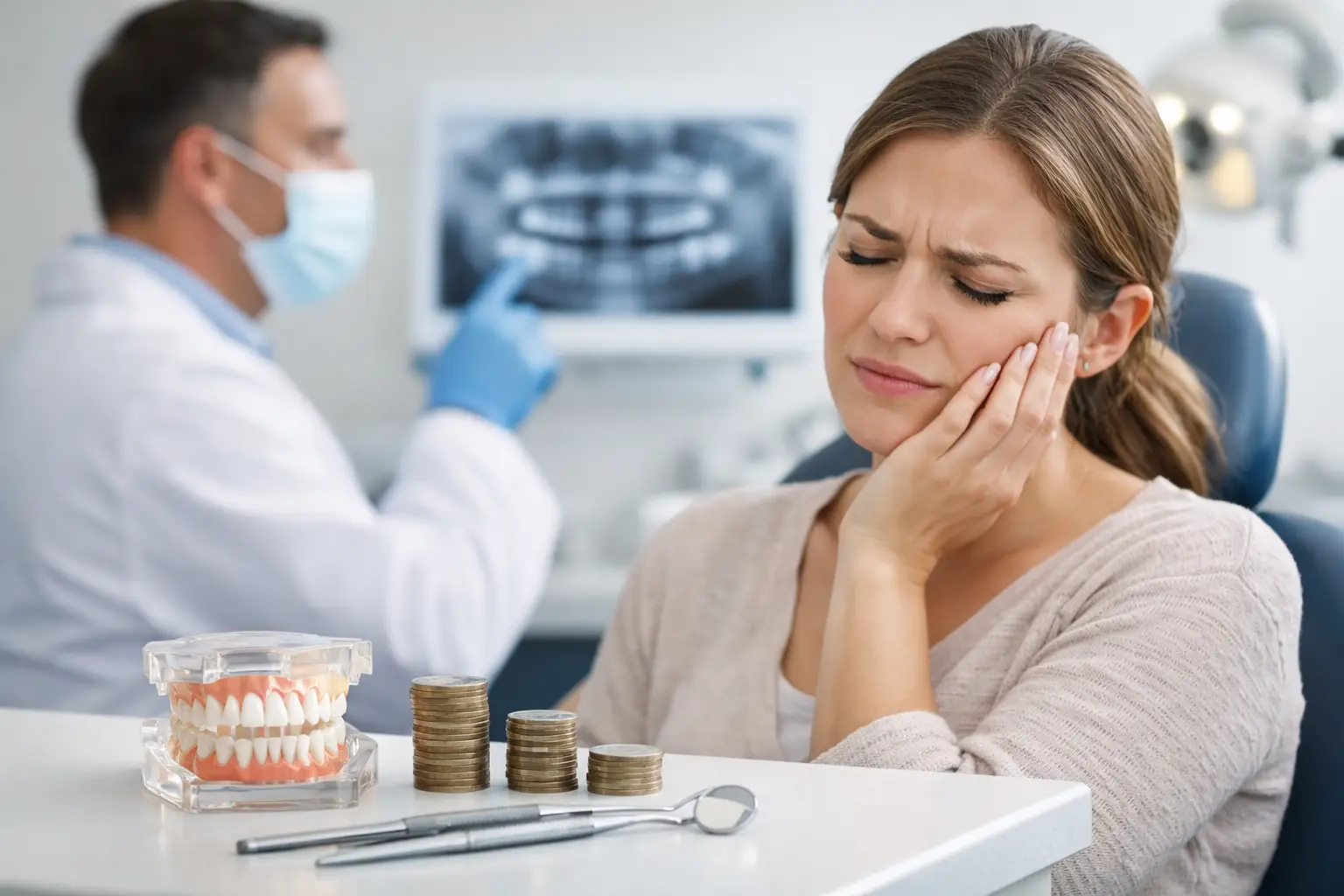
A sudden toothache at 7pm, a broken filling before work, or a swollen gum on a Friday afternoon can make one question feel very urgent: do emergency dental appointments cost more? The honest answer is sometimes, yes - but not always in the way people expect. The cost usually depends less on the word “emergency” itself and more on what care is needed, how quickly it is needed, and whether you are being seen within NHS or private dentistry.
When people worry about emergency fees, they are often imagining a large call-out charge simply for being seen quickly. In reality, dental pricing is usually more measured than that. An emergency appointment may include an assessment, pain relief, temporary treatment, or immediate stabilising care, and the final fee often reflects the clinical time and treatment involved rather than panic pricing.
Do emergency dental appointments cost more than routine visits?
Compared with a standard examination, an emergency appointment can cost more, but that is not a universal rule. A routine check-up is planned, predictable and focused on reviewing your oral health. An emergency visit is different. The dentist may need to investigate acute pain, take an X-ray, manage infection, stop bleeding, repair a broken tooth, or place a temporary dressing.
That extra clinical time matters. Emergencies are less straightforward than routine care, and they often involve immediate decision-making. If your visit includes diagnosis only, the fee may be close to or only slightly above a standard private appointment. If it includes active treatment on the day, the cost is likely to rise accordingly.
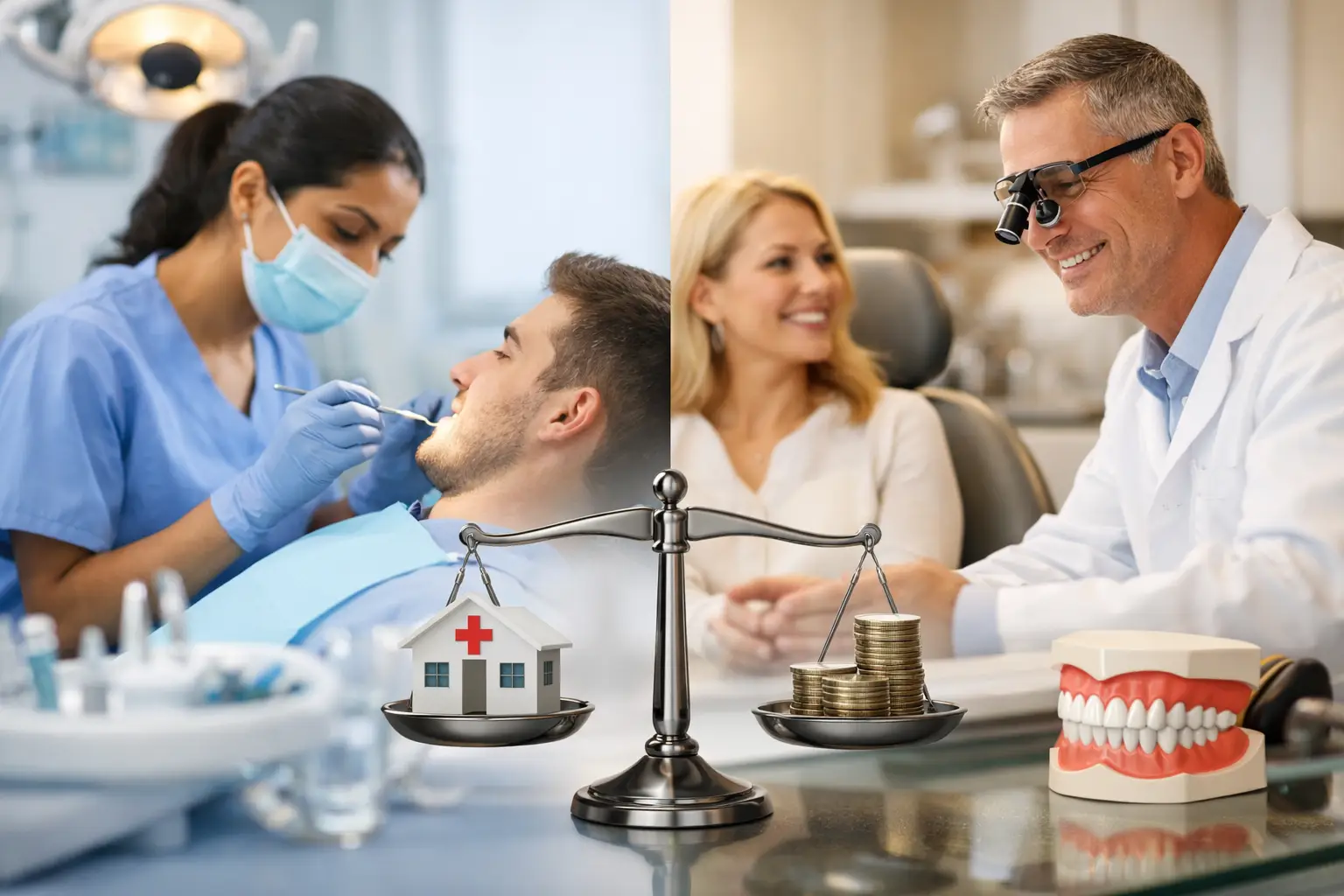
Under NHS arrangements, fees can follow the relevant treatment band rather than a separate premium for urgency. In private care, pricing often reflects the type of appointment and the treatment delivered. That is why two patients attending with “a dental emergency” may leave with very different charges.
What actually affects the cost?
The main factor is the treatment required. Severe toothache caused by an infection may need examination, X-rays and medication advice, while a chipped front tooth may need a temporary cosmetic repair. A lost crown might be simple to recement if the tooth underneath is healthy, but if decay or fracture is found, treatment becomes more involved.
Timing can also affect cost. During normal surgery hours, fees are usually more predictable. If you need care outside ordinary opening hours, at weekends, or on a bank holiday, there may be an additional charge because the practice is making emergency cover available at less routine times. Not every practice applies this in the same way, so it is sensible to ask before attending.
Another consideration is whether you are an existing patient. Practices that already know your dental history, medical background and previous treatment can often assess things more efficiently. A new patient emergency visit may sometimes involve a little more diagnostic work, especially if there is no recent record of the tooth or problem involved.
Why emergency care can still be the cheaper option
This is the part many people miss. Even if an emergency appointment costs more than a check-up, delaying treatment often costs far more.
A mild toothache can become a severe infection. A small crack can turn into a broken tooth. A lost filling may be manageable for a few days, but left too long it can expose the tooth to further decay or nerve irritation. At that stage, the treatment may move from a simple repair to root canal treatment, crown work or extraction.
So while patients naturally compare the price of an emergency appointment against a routine visit, the more useful comparison is often between early intervention and avoidable escalation. Prompt care is not just about comfort. In many cases, it protects the tooth and limits the extent and cost of later treatment.
Common emergency problems and how fees may differ
A broken tooth after biting on something hard may need smoothing, a temporary repair, or a more substantial restoration. Each option carries a different fee because each uses different materials and clinical time.
Dental pain can be even more variable. If the cause is straightforward, treatment may be relatively simple. If the pain is linked to a deep infection, the first emergency visit may focus on diagnosis and making you comfortable, with definitive treatment arranged afterwards.
Swelling or signs of infection may require urgent assessment because the concern is not just the tooth itself, but your wider health. A lost filling or crown is often less dramatic, but it still deserves attention, especially if the tooth is vulnerable or visible.
A knocked-out or damaged front tooth can be particularly distressing. Here, speed matters. The cost may depend on whether the tooth can be stabilised, temporarily repaired, or needs longer-term restorative planning. Emergency care in these cases is not always a one-appointment solution.
NHS and private emergency dentistry
For many patients in Edinburgh, the biggest question is whether NHS emergency care will cost less than private treatment. Often, NHS care is the more budget-friendly route where available, but availability and scope matter.
NHS emergency treatment is designed to address urgent clinical need. That may mean relieving pain, treating infection, or stabilising a problem. It may not always include the same range of materials, appointment flexibility or cosmetic options that private care can offer. Private emergency appointments may offer faster access, longer appointment time, and a wider choice of restorative solutions, but fees can be higher.
That does not make one route better in every situation. It depends on your priorities, your registration status, the urgency of the issue, and what treatment is clinically appropriate. For some, NHS care is the right first step. For others, especially those wanting same-day attention or a specific restorative option, private care may be the more practical choice.
How to avoid surprises over the cost
When you are in pain, it is easy to focus on getting through the door and ask about fees later. That is understandable, but a quick conversation with the practice can ease a lot of worry.
Ask what the emergency appointment fee covers. Some appointments include assessment and advice only, while treatment is charged separately if carried out on the day. It is also worth asking whether X-rays are included, whether there is an out-of-hours fee, and what happens if further treatment is needed after the initial visit.
A good practice will explain costs clearly before proceeding wherever possible. Transparent pricing is especially important when patients feel anxious or rushed. In a calm, ethical practice environment, you should know whether the aim is diagnosis, temporary relief, or definitive treatment before decisions are made.
Do emergency dental appointments cost more out of hours?
They often can. Out-of-hours dentistry usually involves a premium because the practice is providing urgent access outside its normal clinical schedule. That said, this varies by provider. Some practices build emergency access into their service model more routinely, while others apply additional fees for evenings, weekends or bank holidays.
If your problem arises during the day, it is usually worth calling promptly rather than waiting until the practice has closed. A same-day appointment during normal hours may be more straightforward in every sense - clinically, financially and emotionally.
Membership plans and regular care can make a difference
Patients who attend regularly often face fewer true emergencies because developing problems are picked up earlier. A check-up may reveal a weakening filling, a cracked tooth, or gum inflammation before pain starts. Hygiene visits and preventive advice can reduce the risk of infection and more complex treatment later on.
In some cases, membership plans or ongoing care arrangements can also help patients budget for dentistry more predictably. That does not always remove emergency treatment costs altogether, but it can reduce uncertainty and encourage earlier contact when something feels wrong.
Practices built around long-term patient relationships tend to approach urgent care with that same mindset. The goal is not simply to patch a problem and send you away, but to stabilise the situation and help you protect your oral health over time. That is very much part of the approach at 4 Great Stuart Street.
When an emergency appointment is worth booking straight away
If you have severe pain, swelling, bleeding, trauma, a broken tooth, a lost restoration causing pain, or signs of infection, it is sensible to seek advice without delay. Even if the final cost is a little higher than a routine visit, prompt treatment may prevent a much bigger problem.
If the issue is mild and you are unsure whether it counts as urgent, call and describe your symptoms. A reputable dental team will tell you whether you should be seen the same day, booked soon, or monitored briefly at home.
The key point is this: emergency dentistry is not usually expensive for the sake of it. The fee reflects access, time, diagnosis and treatment at a moment when you need help quickly. And when handled early, that cost can be the thing that saves you discomfort, complexity and a larger bill later.