Urgent dental appointments in Edinburgh
Need urgent dental appointments in Edinburgh? Learn when to seek same-day care, what to expect, and how prompt treatment can prevent bigger issues.
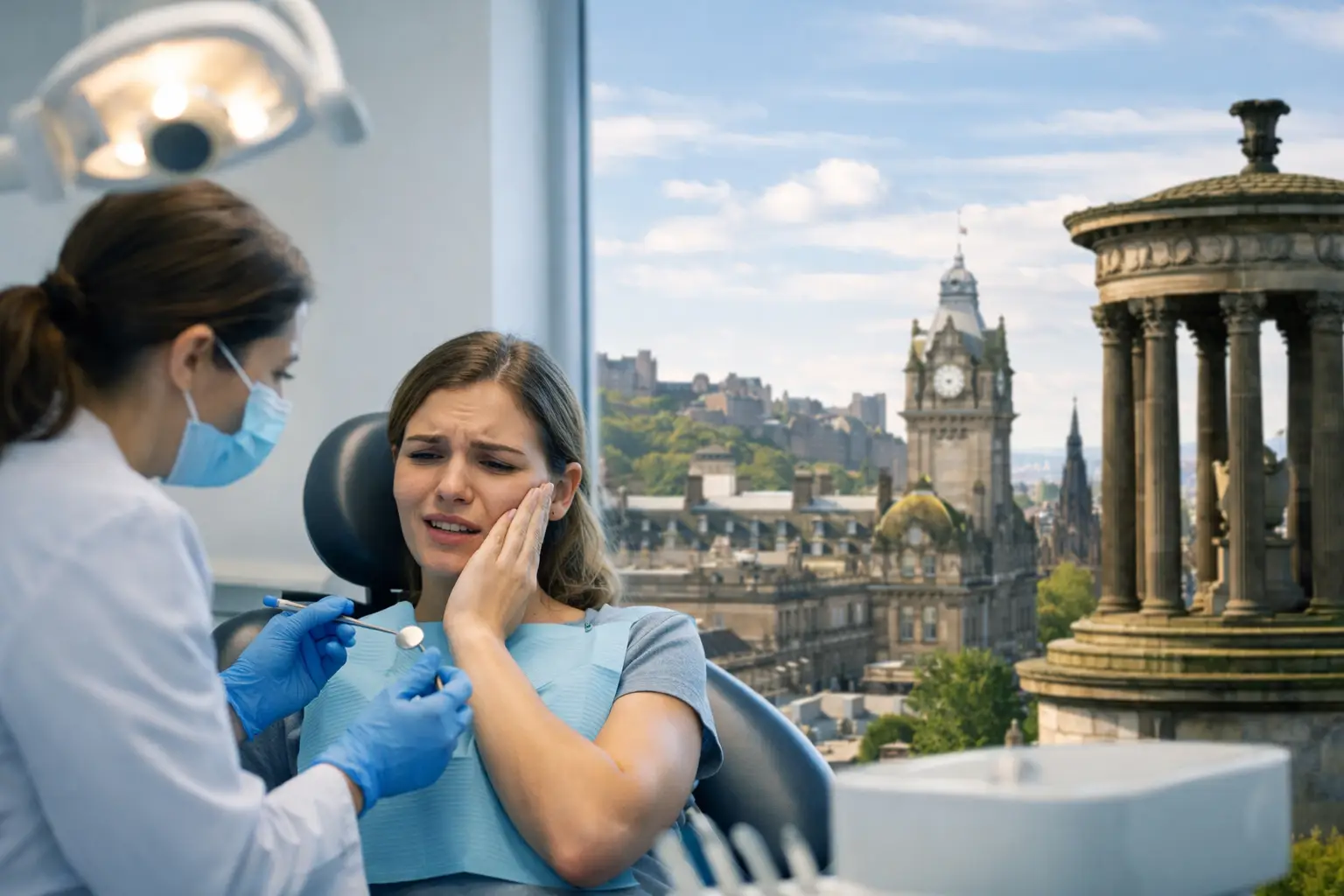
A cracked tooth at breakfast, swelling that seems to worsen by the hour, or pain strong enough to keep you awake can make everything else feel suddenly less important. Urgent dental appointments are there for exactly these moments - when waiting for a routine visit is neither comfortable nor sensible.
For many patients, the hardest part is knowing whether the problem is truly urgent. Dental pain can build gradually, while other issues appear without warning. A lost filling may seem manageable at first, yet the exposed tooth can become increasingly sensitive. Bleeding after a knock to the mouth may settle quickly, or it may point to damage that needs attention the same day. Knowing when to act can make a real difference to both comfort and long-term treatment.
When urgent dental appointments are needed
The clearest sign is pain that is severe, persistent, or getting worse. Toothache does not always mean infection, but it often signals that something needs assessment. If painkillers are only taking the edge off, or the discomfort returns as soon as they wear off, it is sensible to seek advice promptly.
Swelling in the gum, jaw, or face is another reason to contact a dentist without delay. Swelling can indicate infection, and infections in the mouth should never be ignored. The same applies if you have a bad taste in the mouth, fever, or difficulty biting comfortably on one side.
A broken tooth, chipped tooth with sharp edges, or a crown, bridge or filling that has come away can also warrant an urgent appointment. Sometimes the issue is mainly practical - the tooth catches the tongue or rubs against the cheek. In other cases, the tooth underneath is vulnerable, painful, or structurally weakened. What looks minor in the mirror can still need prompt care.
Bleeding that does not stop, trauma after a fall or sporting injury, and sudden problems with dentures or other dental appliances can also justify same-day attention. For children and nervous patients in particular, a calm early assessment often prevents a difficult situation from becoming more distressing.
What counts as an emergency and what can wait?
There is a grey area between a true emergency and a problem that simply should not be left too long. Not every dental issue needs immediate treatment within the hour, but that does not mean it should wait weeks.
A small chip with no pain may be safe to review soon rather than urgently. Mild sensitivity after biting something hard may settle, especially if there is no visible damage. On the other hand, pain that wakes you at night, swelling, trauma, or a lost restoration on a heavily treated tooth usually deserves faster attention.
This is where speaking to a dental team matters. A good practice will help you judge the urgency based on your symptoms rather than expecting you to make that decision alone. That reassurance is often as valuable as the treatment itself.
Why prompt treatment matters
People sometimes delay because they hope the problem will settle. Occasionally it does, but dental pain often has an underlying cause that remains even if symptoms ease for a day or two. A nerve problem, infection, cracked tooth or failing filling can all fluctuate before becoming more serious.
Early care may mean simpler treatment. A tooth that might be saved with a filling or root canal treatment can become much more difficult to restore if infection spreads or the structure breaks further. A crown that comes loose may be re-cemented if seen quickly, while delays can leave the tooth exposed and vulnerable.
There is also the matter of comfort. Living with dental pain affects sleep, concentration, work, family life and eating. Urgent care is not only about preventing complications. It is about helping patients feel safe, heard and properly looked after when they are at their most uncomfortable.
What to expect at an urgent dental appointment
A same-day visit is focused first on assessment and relief. The dentist will usually ask when the problem started, whether symptoms are worsening, and whether you have noticed swelling, sensitivity, bleeding or trauma. X-rays may be needed if the issue is not obvious on examination.
Treatment depends on the cause. You may need a temporary or permanent filling, smoothing of a broken edge, re-cementing of a crown, drainage of an infection, or advice and medication where appropriate. Sometimes the immediate goal is to stabilise the tooth and relieve pain, with a follow-up visit arranged for more definitive treatment.
That can be frustrating for patients who want everything solved at once, but it is often the safest course. Dentistry is not one-size-fits-all, and urgent care has to balance speed with proper diagnosis. A measured approach usually leads to a better long-term result.
Urgent dental appointments for nervous patients
Dental emergencies are unsettling for anyone, but they can feel especially overwhelming if you are already anxious about treatment. Pain tends to magnify worry. Patients often imagine the worst, both in terms of the problem itself and what the appointment may involve.
A calm, respectful environment makes a substantial difference here. Clear explanations, gentle handling and a pace that allows you to ask questions can reduce fear far more effectively than rushed reassurance. The best urgent care does not just treat the tooth. It treats the person sitting in the chair.
If you are nervous, it helps to say so when you book. That allows the team to support you appropriately from the start. Many anxious patients do far better than they expect once they feel listened to and kept informed.
What to do before you are seen
While waiting for urgent dental appointments, a few practical steps may help. Keep the area as clean as possible by rinsing gently with warm salty water if the mouth is sore, unless you have been told otherwise. Take pain relief only as directed on the packet or by a pharmacist or clinician. If there is swelling, a cold compress against the outside of the face may offer some comfort.
If a tooth has been knocked out, handling matters. Hold it by the crown rather than the root and seek advice immediately. If a crown or bridge has come off, keep it safe and bring it with you. Avoid chewing on the affected side and steer clear of very hot, very cold or sugary foods if the tooth is exposed.
What you should not do is just as important. Do not place aspirin directly on the gum. Do not ignore swelling in the face or jaw. And do not assume that if the pain fades, the problem has gone away.
Choosing a practice for same-day care
When you need urgent treatment, confidence in the practice matters. Technical skill is essential, of course, but so is the way a practice communicates. You want clear advice, transparent next steps, and a team that understands the difference between routine inconvenience and genuine distress.
For many Edinburgh patients, particularly those balancing work, school runs and busy family life, access and reliability are part of quality. A long-established local practice can offer something valuable here: continuity. If your urgent need sits within a wider picture of routine care, restorations, hygiene, implants or family dentistry, being treated in one trusted setting makes future decisions easier.
That is one reason patients often prefer a practice built around long-term relationships rather than one-off emergency visits. At 4 Great Stuart Street, urgent care sits alongside preventive and restorative treatment in a setting designed to feel calm, ethical and well supported. That matters when the immediate problem is stressful and the next step may need thoughtful planning.
After the urgent appointment
Once the pain has settled, it is tempting to think the issue is over. Sometimes it is. Often, though, urgent treatment is the first stage rather than the last. A temporary repair may need replacing, a fractured tooth may need a crown, or a wider problem such as grinding, decay or gum disease may need addressing to stop the same issue returning.
This is where good follow-up becomes part of good emergency care. The aim is not simply to get you through the day, but to restore comfort, function and confidence properly. In many cases, the most effective urgent appointment is the one that also helps you avoid another.
If something in your mouth feels wrong, trust that instinct. A prompt conversation can bring clarity quickly, and early care is often kinder, simpler and more reassuring than waiting for things to worsen.