What Is the Difference Between a Private and NHS Dentist?
Wondering what is the difference between a private and NHS dentist? Compare cost, treatment choices, waiting times and care.
Choosing a dentist is rarely just about cost. For many patients, the real question is what is the difference between a private and NHS dentist, and which option will feel right for their health, budget and peace of mind over time.
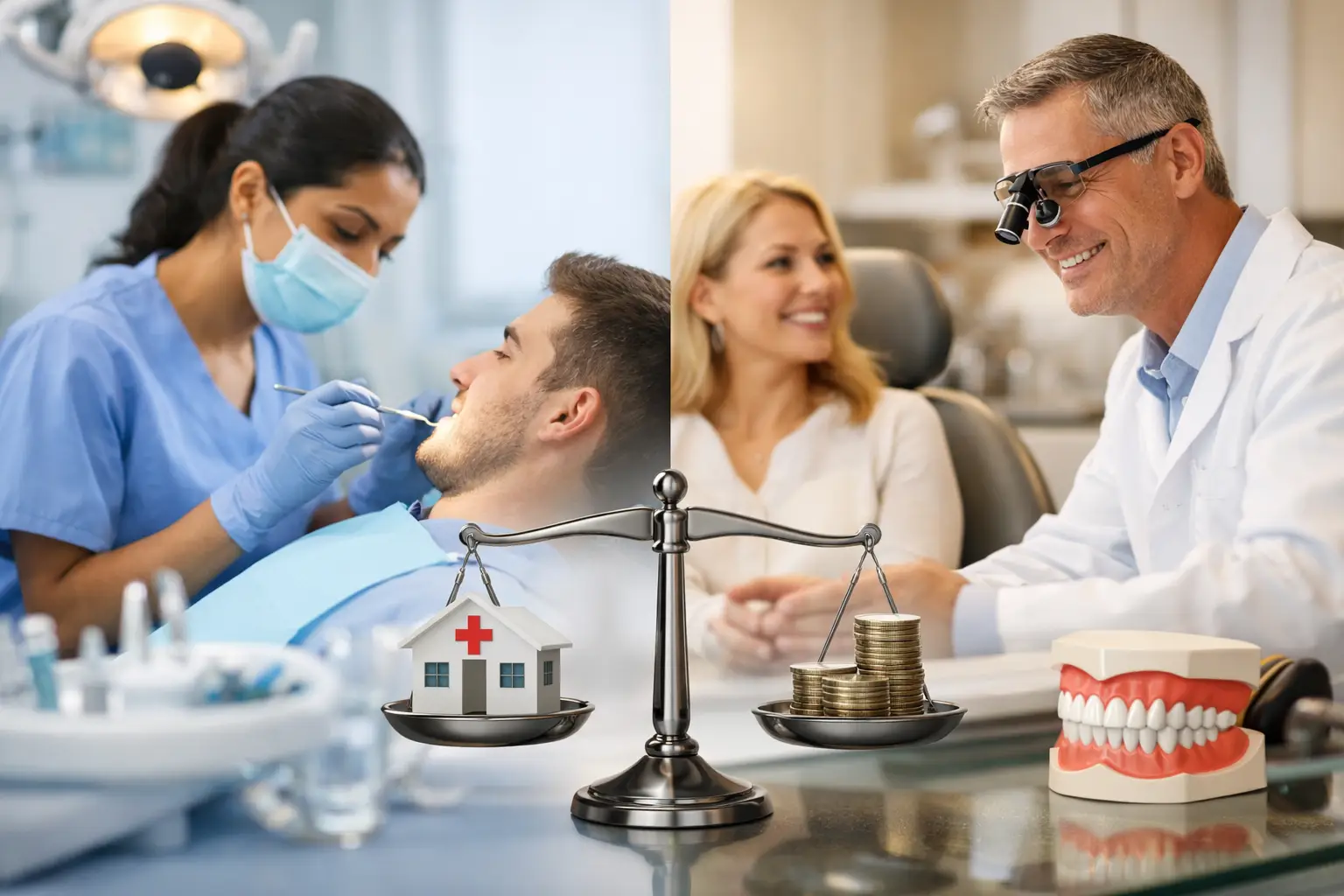
The short answer is that both NHS and private dentists are fully qualified professionals regulated to the same clinical standards. The difference usually lies in how care is funded, which treatments are available, how appointments are organised, and how much flexibility you have in planning your treatment. For some people, NHS dentistry is the right fit for essential care. For others, private treatment offers wider choice, shorter waits or access to more advanced options.
What is the difference between a private and NHS dentist in practical terms?
An NHS dentist provides treatment that is considered clinically necessary to keep your mouth healthy. That includes examinations, fillings, root canal treatment where appropriate, extractions, dentures and other routine care. Charges are set within the NHS system, which means costs are more predictable for eligible treatment.
A private dentist can also provide routine dental care, but treatment is paid for directly by the patient or through a dental payment plan. Private care often gives access to a broader range of materials, appointment times and elective treatments, including cosmetic work that is not usually available on the NHS.
This does not mean one is good and the other is bad. It means they are built around different models of care. NHS dentistry is designed to provide necessary treatment on a public healthcare basis. Private dentistry allows more flexibility in how treatment is planned and delivered.
Cost and fees
For most people, cost is the first point of comparison.
NHS dental charges follow a set fee structure for different bands of treatment. That can make it easier to understand what you will pay for necessary care. If you need a check-up and simple treatment, the cost may be relatively modest compared with private fees. Some patients may also qualify for free NHS dental treatment, depending on age, pregnancy status, income or benefits.
Private dentistry is priced by the treatment itself. Fees vary between practices, and the total depends on what is being done, the time involved and the materials used. A private check-up, hygienist visit or filling may cost more than the NHS equivalent, but patients are often paying for longer appointment times, greater convenience or treatment choices that are not available under NHS funding.
The trade-off is straightforward. NHS care is generally more affordable for essential treatment. Private care often costs more, but it may give you options that matter to you, whether that is a tooth-coloured restoration in a visible area, cosmetic improvement or a more tailored treatment plan.
Treatment choices and what is covered
This is where the difference often becomes clearer.
NHS treatment focuses on what is necessary for oral health. If a tooth needs to be restored, the goal is to make it functional and healthy. If a tooth needs to be replaced, the NHS may cover a clinically appropriate option. Cosmetic preferences are not usually the deciding factor.
Private treatment allows more scope to consider appearance, comfort and long-term preferences alongside health needs. Patients may choose whitening, clear aligners, dental implants or premium restorative options such as more aesthetic crowns. In some cases, a private dentist may also offer a wider selection of filling or crown materials, depending on the tooth and your goals.
That can be especially relevant if you are balancing function with appearance. For example, if a front tooth is damaged, you may care not only that it is repaired, but that it blends naturally with the rest of your smile. NHS care can address the health issue, but private care may offer more cosmetic choice.
Appointment availability and waiting times
Many patients notice the difference here before anything else.
NHS dental places can be limited, and demand is high in many parts of the UK. Depending on the area, it may take time to register with an NHS dentist or to book routine appointments. Urgent problems are still prioritised, but the system can be under pressure.
Private dentistry often offers more flexibility in booking, including a wider range of appointment times and, in some practices, quicker access for routine or elective treatment. This can make a real difference for busy professionals, families juggling school schedules, or anyone dealing with discomfort and wanting prompt reassurance.
That said, availability varies from practice to practice. A well-established practice offering both NHS and private care can sometimes give patients more continuity by helping them access the level of care that suits their circumstances.
Time, continuity and the patient experience
The phrase “private care” can sound as though it only refers to luxury, but for many people it is really about time and consistency.
Private appointments are often booked with more time around them, which can help if you are nervous, want to ask questions or need a more detailed discussion about treatment options. That extra time can make care feel calmer and less rushed.
Continuity matters too. Seeing the same dentist over time means your dentist understands your history, notices changes earlier and can help you plan treatment in a joined-up way. That is possible in both NHS and private settings, but private care can sometimes make that continuity easier to maintain, particularly when treatment is more complex or long-term.
For anxious patients, this should not be underestimated. Feeling listened to, knowing what will happen next, and being treated in a calm environment can make dental visits far more manageable.
Are the clinical standards different?
This is a common concern, and it is worth answering clearly.
No - NHS and private dentists in the UK are held to the same professional and regulatory standards. They are trained dentists, regulated in the same way, and expected to provide safe, ethical care. A private dentist is not inherently more qualified than an NHS dentist simply because treatment is paid for privately.
Where differences can arise is in the way care is structured. A private practice may have more flexibility in appointment length, materials, laboratory choices and treatment planning. That can affect the overall experience and the range of options offered, but it does not mean NHS dentistry is lower quality.
A better way to think about it is that NHS and private care operate within different constraints. One focuses on necessary treatment within a public framework. The other allows greater personal choice beyond that framework.
What is the difference between a private and NHS dentist for cosmetic treatment?
If you are considering whitening, clear aligners, composite bonding or dental implants, the difference is usually quite simple. These treatments are generally private.
The NHS does not usually fund treatment that is mainly cosmetic. Even when a patient has understandable aesthetic concerns, NHS care is based on clinical necessity rather than appearance alone. So if your aim is to brighten your teeth, straighten mild crowding discreetly or replace a missing tooth with an implant, private treatment is typically the route available.
For some patients, that feels entirely reasonable. For others, it can be frustrating, especially if the issue affects confidence as well as function. A good dentist will explain the distinction clearly and talk you through what is clinically necessary, what is optional, and what each option is likely to cost.
Which option is right for you?
It depends on what matters most to you.
If your priority is affordable access to routine and necessary care, NHS dentistry may be the right choice. It is a valuable service and, for many families, an essential one. If your needs are mainly check-ups, fillings and maintenance, and you are happy to work within the treatments available under NHS provision, it can be a very sensible option.
If you want more flexibility, wider treatment choices, faster appointment availability or cosmetic options, private care may suit you better. That does not have to mean dramatic smile makeovers or high-cost treatment. Sometimes it simply means choosing a practice that can offer a little more time, comfort and personalisation.
Many patients sit somewhere in the middle. They want sensible costs, but they also value continuity, convenience and clear choices. In practices such as 4 Great Stuart Street, where both NHS and private care are available, that balance can feel more straightforward because patients are supported without pressure and can make decisions based on their own priorities.
A final thought
The best dental care is not about labels. It is about finding a dentist you trust, understanding your options, and choosing a path that feels sustainable for your health and circumstances. Whether you choose NHS care, private treatment or a mixture of both over time, the right practice will help you feel informed, respected and at ease.