Dental Implant Before After Example Guide
See a dental implant before after example explained clearly, including healing, timing, suitability, costs and what results you can realistically expect.
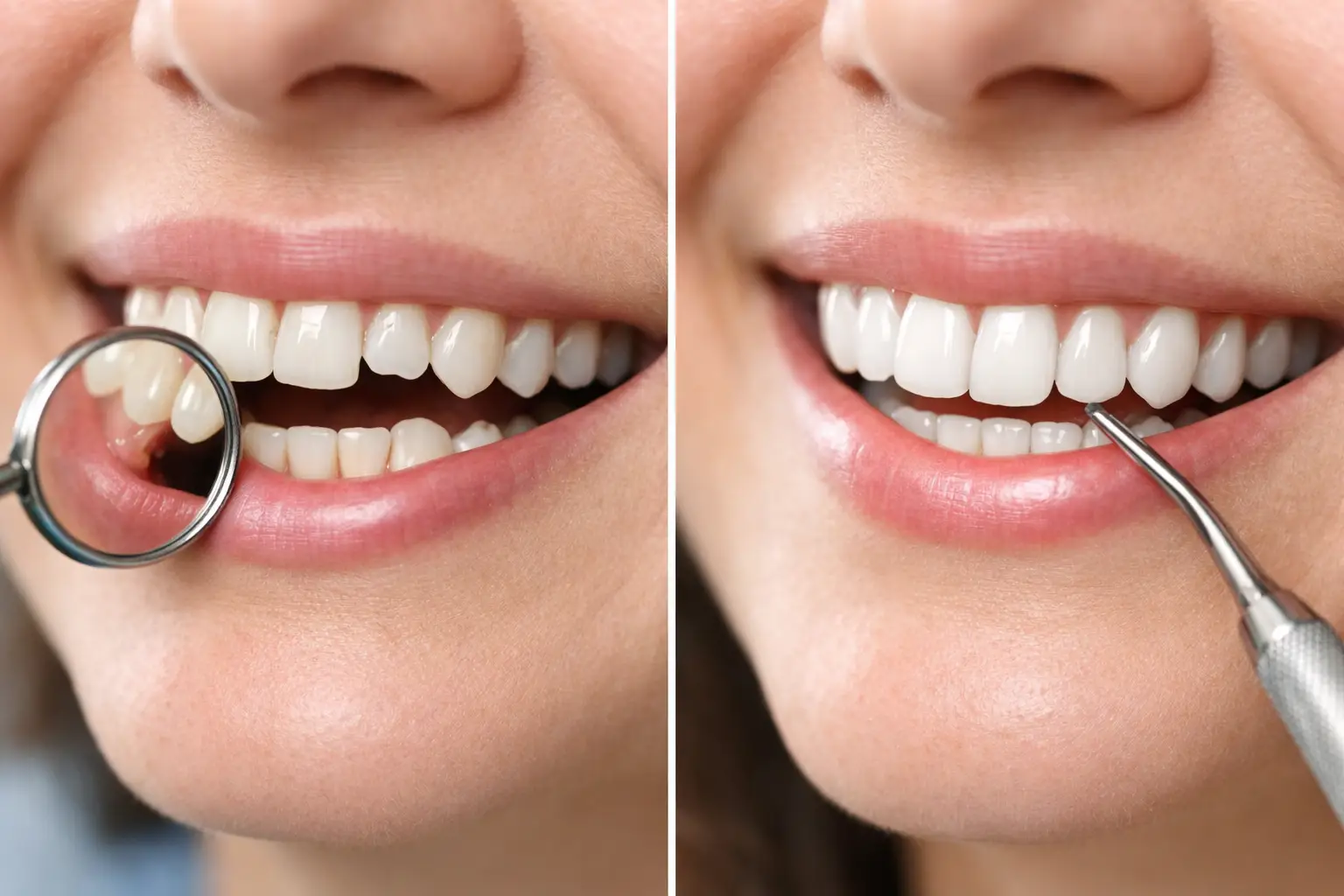
A missing tooth often affects more than appearance. Patients usually notice the practical side first - chewing feels uneven, speech can change slightly, and there is often a steady loss of confidence when smiling or speaking in company. That is why a dental implant before after example can be so helpful. It turns an abstract treatment into something easier to understand, showing not just the final result but the stages in between.
For many people, the question is not simply, “Will it look better?” It is, “Will it feel like my own tooth again?” That is the more useful way to view implant treatment. A successful result should restore comfort, function and confidence, not just fill a gap.
What a dental implant before after example really shows
When patients look at before and after cases, they often focus on the visual change. That is understandable, but the most meaningful improvement is usually structural. Before treatment, there may be a visible space, a failing tooth, a loose denture, or a broken-down area that makes eating awkward. After treatment, the aim is a stable tooth replacement that sits naturally within the smile and allows normal day-to-day use.
A realistic dental implant before after example usually begins with a tooth that has already been lost, or one that cannot be saved predictably with a filling, crown or root canal treatment. The “before” may also include gum changes or some loss of bone, especially if the space has been there for some time. The “after” is not simply an implant placed into the jaw. It is the end point of careful planning, healing and restoration.
That distinction matters because implant dentistry is rarely a one-appointment cosmetic fix. Good results tend to come from measured treatment planning and respect for how the mouth heals.
Before treatment: what the starting point can look like
The starting position varies from person to person. One patient may have lost a front tooth in an accident and want a natural-looking replacement as discreetly as possible. Another may have a back tooth removed after repeated problems and simply want to chew comfortably again. Someone else may be struggling with a denture that moves and would like more security.
In each of these situations, the “before” picture is different. There may be healthy neighbouring teeth, or there may be older crowns, gum recession, grinding habits or signs of infection. This is why a proper assessment is so important. Implants can be an excellent option, but they are not automatically the right one for every gap.
At this stage, your dentist will normally look at gum health, bone support, bite balance and your wider dental history. If there is active gum disease, that usually needs to be stabilised first. If bone volume is limited, additional treatment may sometimes be needed before an implant can be placed safely.
The middle stage patients do not always see
One reason some before and after examples can seem misleading is that they skip the middle. In reality, this middle stage is where much of the clinical work happens.
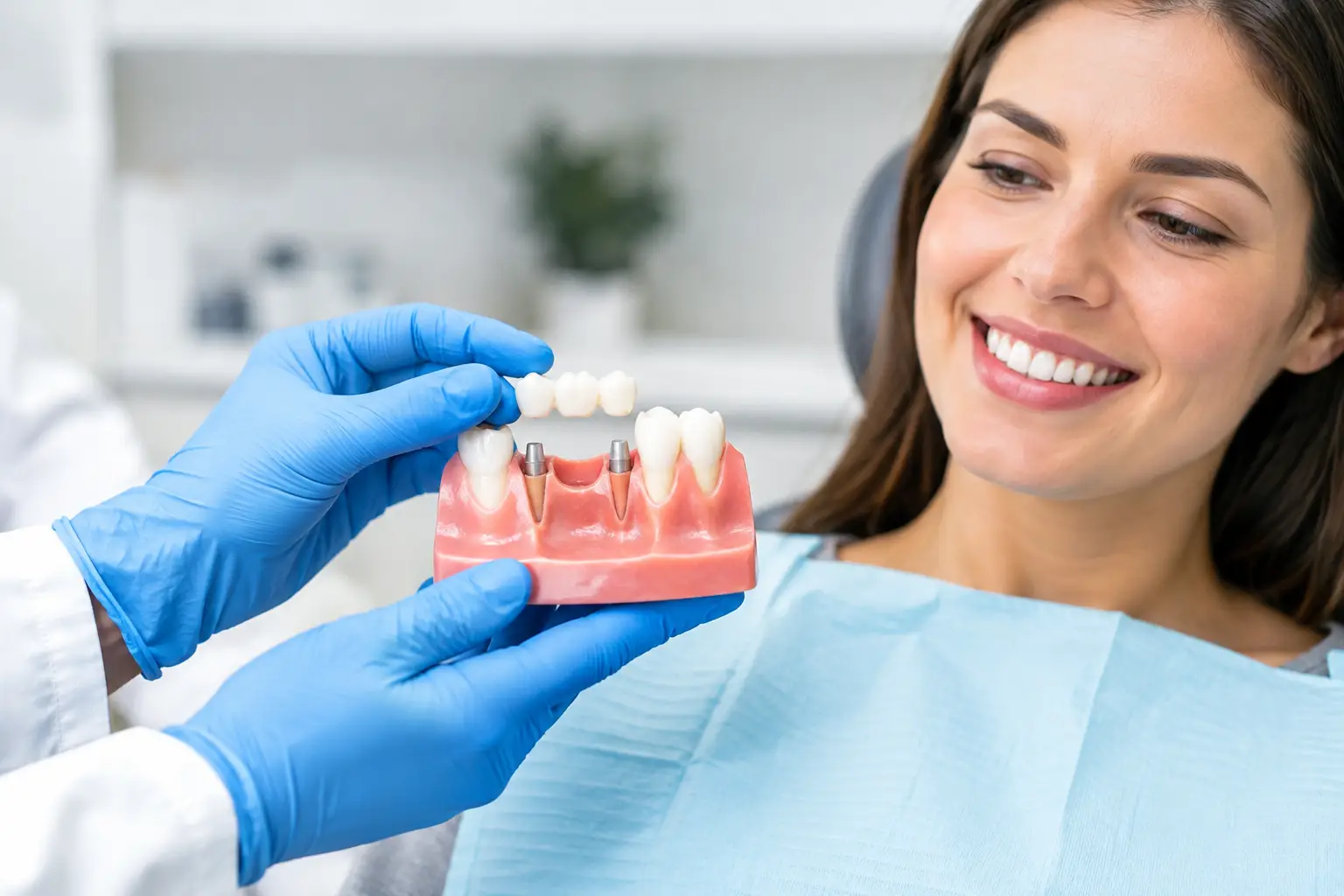
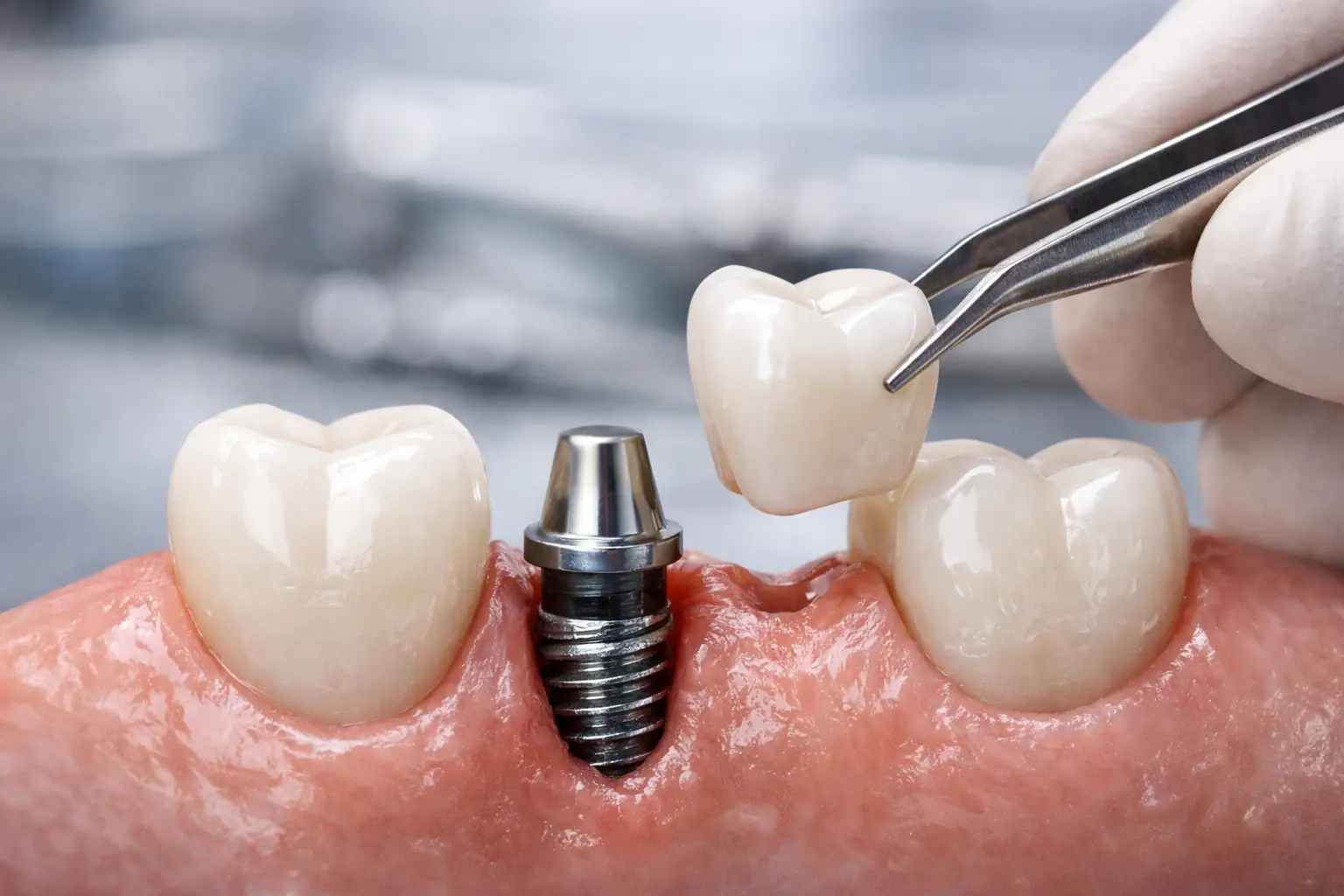
After planning, the implant itself is placed into the jawbone. This acts as an artificial root. Healing then takes time, as the implant needs to integrate with the bone. Depending on the case, a temporary replacement may be used while this happens, particularly in visible areas.
This part of treatment can test patience a little. People are often pleased that the process is more comfortable than expected, but they may be surprised by the timeline. Implant treatment is usually measured in weeks or months rather than days. That slower pace is often what helps produce a stable, long-lasting result.
There are also cases where treatment is more straightforward than expected. If bone and gum health are favourable, and the site is well suited, the route from “before” to “after” can be relatively smooth. In more complex situations, such as longstanding tooth loss or multiple missing teeth, treatment can take longer and require more planning.
After treatment: what good results look like
The best implant results usually do not draw attention to themselves. The replacement tooth should sit comfortably with the surrounding teeth in shape, shade and proportion. It should feel secure when biting, and cleaning should be manageable with good home care and regular dental reviews.
A strong “after” result also respects the gums. This is especially important for front teeth. A crown may look attractive in isolation, but if the gum line does not sit well, the result can still appear artificial. Careful planning helps achieve a more natural finish.
Function matters just as much as appearance. Many patients describe the change in very simple terms. They can eat on both sides again. They stop thinking about the gap. They smile in photographs without adjusting their lips. Those everyday benefits are often more significant than the cosmetic improvement alone.
A common dental implant before after example
A typical example might involve a patient who has lost a single upper premolar. Before treatment, the space is visible when smiling and catches food regularly. The surrounding teeth are healthy, so a bridge would mean preparing teeth that do not otherwise need treatment.
Following assessment and scans, an implant is placed. After healing, a custom crown is fitted. The final result restores the missing tooth without relying on the adjacent teeth for support. The patient notices that chewing feels balanced again, and the smile looks complete.
That sounds simple, and in some cases it is. But it only works well when the plan suits the person. If the patient clenches heavily, has unstable gums, or prefers a lower-cost option, another treatment may be more sensible. Ethical care means matching the treatment to the patient rather than forcing every case towards implants.
What implants can and cannot achieve
Dental implants can be an excellent solution for missing teeth, but realistic expectations are important. They can replace a tooth root and support a crown, bridge or denture in a way that feels secure and natural. They can also help preserve function and reduce some of the difficulties associated with gaps or loose dentures.
They cannot recreate the exact biology of a natural tooth. Natural teeth have a ligament around the root that gives a slightly different sensation under pressure. Implants do not have that same structure. Most patients adapt very well, but the feel is not identical in a technical sense.
They also require maintenance. A completed implant is not something to fit and forget. Plaque control, gum health and regular examinations remain essential. This is one reason continuity of care is valuable. Long-term success depends not only on the initial treatment but on how well the implant is looked after over time.
Is an implant always the best option?
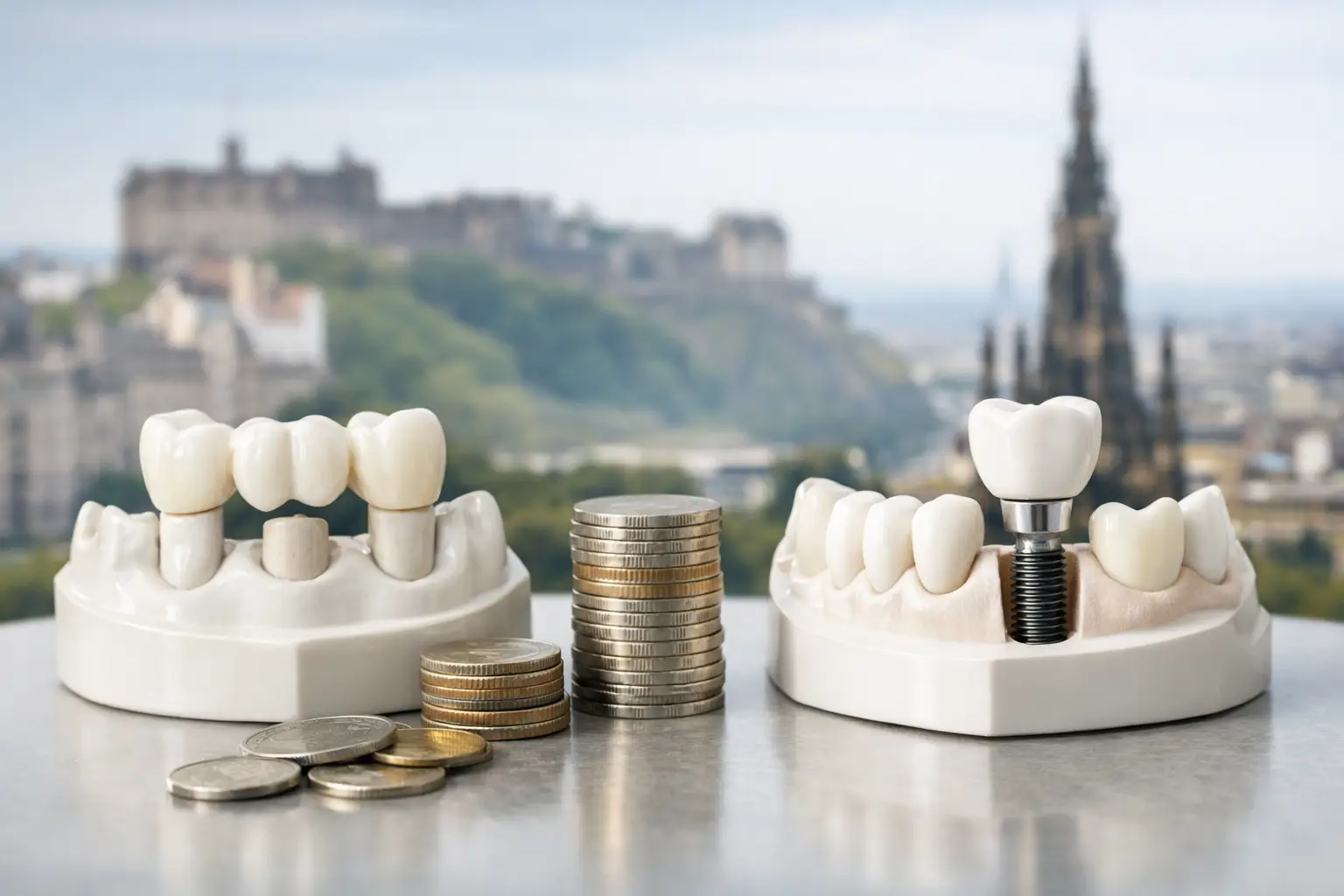
Not always. Sometimes a bridge is more appropriate. In other cases, a well-made denture may be the most practical route, particularly where several teeth are missing and budget is a significant factor. There are also situations where keeping and restoring a natural tooth, if predictably possible, is preferable to extraction and implant placement.
That may sound less dramatic than cosmetic marketing suggests, but it is the right way to approach treatment. Good dentistry is rarely about pushing the most advanced option. It is about recommending the most suitable one.
For patients in Edinburgh who value calm, carefully explained care, that balance tends to matter. At 4 Great Stuart Street, implant discussions sit within a wider, long-term approach to oral health, so the conversation is not just about replacing a tooth but about supporting the health and comfort of the whole mouth.
Questions worth asking when reviewing examples
If you are looking at a dental implant before after example, it helps to ask a few practical questions. Was it a single missing tooth or a more complex case? How long did treatment take from consultation to final crown? Was any bone grafting needed? How was the temporary stage managed? And just as importantly, how was the result maintained afterwards?
These questions tend to give a clearer picture than photographs alone. They help you understand whether a case is genuinely similar to your own and what the process might involve.
It is also sensible to ask about alternatives, expected longevity, ongoing maintenance and fees from the outset. Clear answers usually reflect a practice that values trust over pressure.
If you are considering treatment, the most helpful next step is not comparing perfect smiles online. It is having your own teeth, gums and bite assessed properly, so you can understand what a good result would look like for you personally. That is where confidence in the decision usually begins.