Dental Implants: What Patients Should Know
Considering dental implants in Edinburgh? Learn how they work, who they suit, costs to weigh, and what treatment involves from consultation to care.
A gap in your smile can affect more than appearance. It can change how you chew, how clearly you speak, and how confident you feel in everyday situations. For many adults, dental implants offer a stable, long-term way to replace missing teeth without relying on a removable denture or reducing neighbouring healthy teeth.
If you are weighing up your options, the most helpful place to start is not with promises, but with clarity. Implants can be an excellent solution, but they are not the right choice for every patient in every situation. The best outcomes come from careful assessment, realistic planning and ongoing care.
What are dental implants?
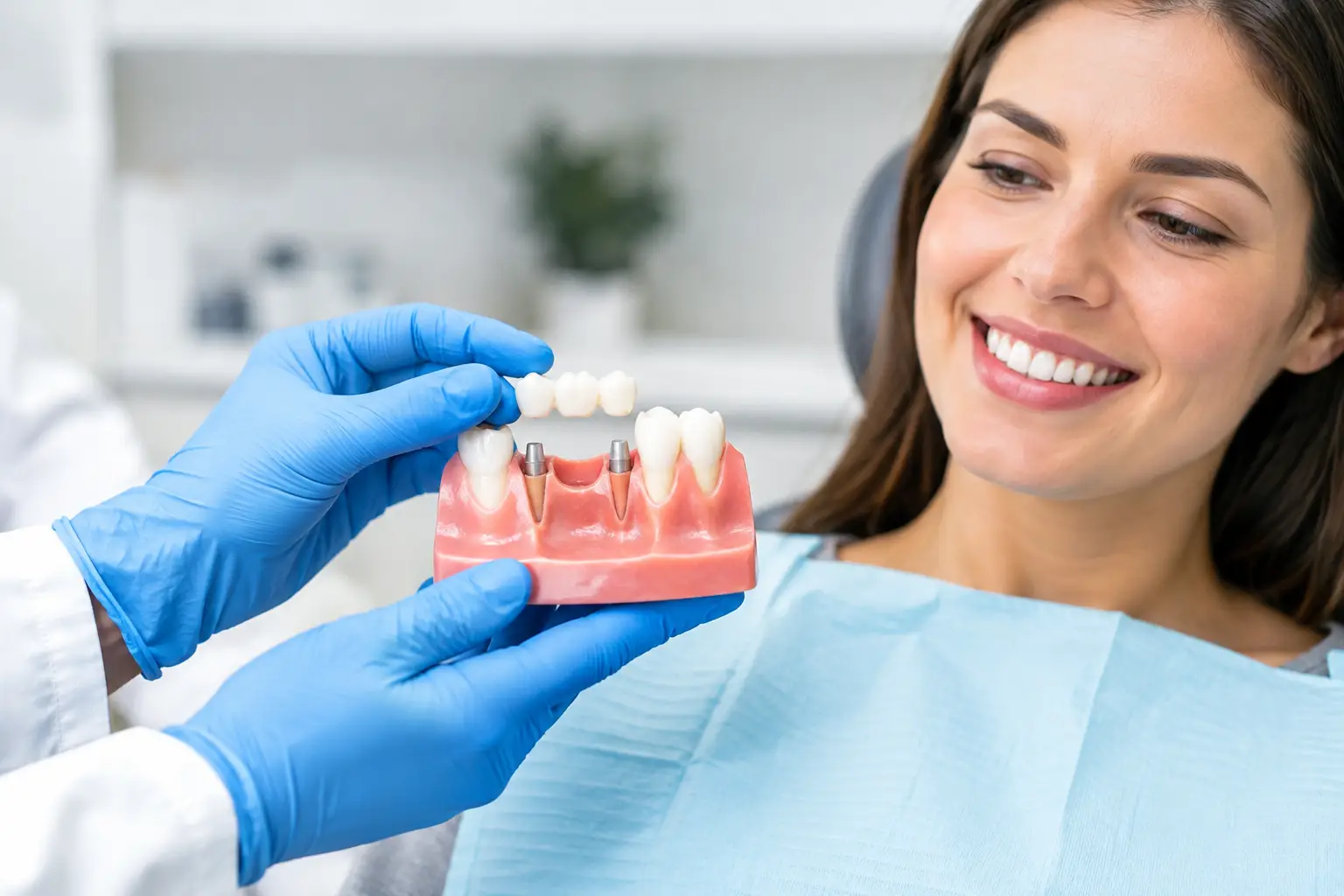
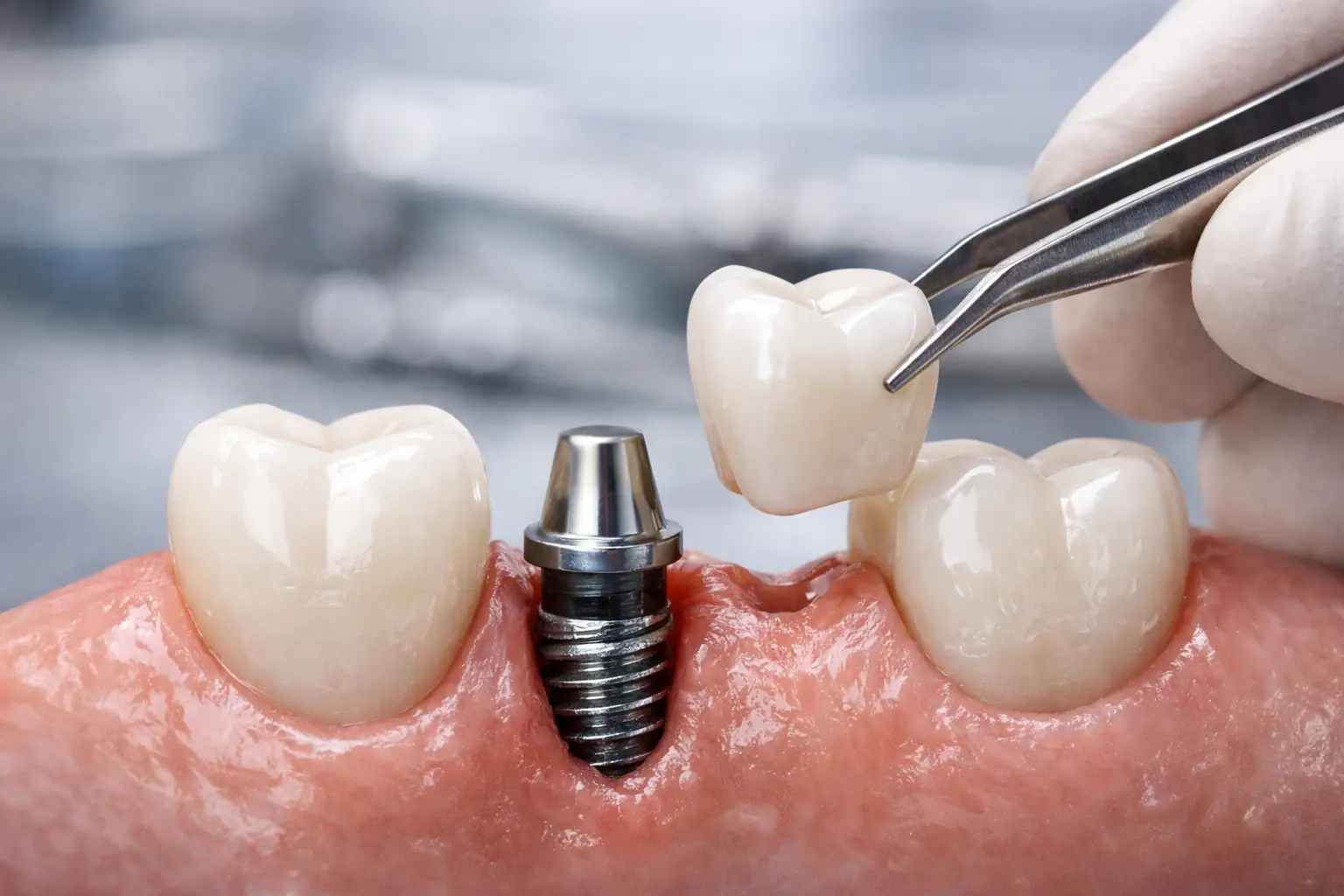
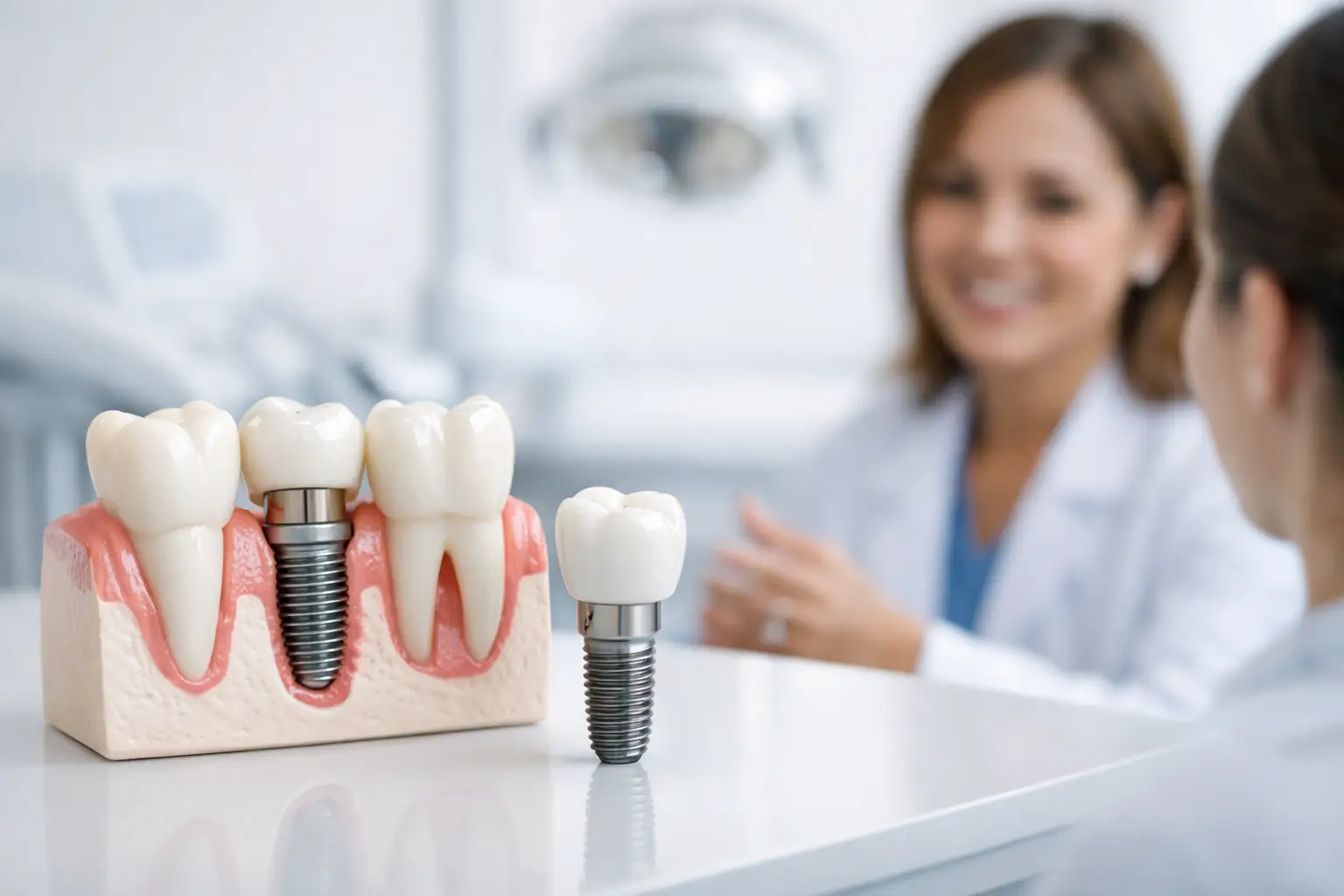
Dental implants are small titanium posts placed into the jawbone to act as artificial tooth roots. Once they have healed and fused with the bone, they can support a crown, bridge or, in some cases, a more secure denture.
What makes them different from other forms of tooth replacement is their stability. A well-planned implant restoration is designed to feel close to a natural tooth in function, and because it is anchored in the bone, it does not move in the same way a removable appliance can.
For some patients, that means being able to eat more comfortably. For others, it is about speaking without worry, or feeling less self-conscious when smiling. The reason for choosing implants varies from person to person, and that is entirely normal.
When dental implants may be a good option
Implants can suit patients who have lost a single tooth, several teeth, or all teeth in one arch. They are often considered when a person wants a fixed option and has sufficient bone support, healthy gums and good general oral health.
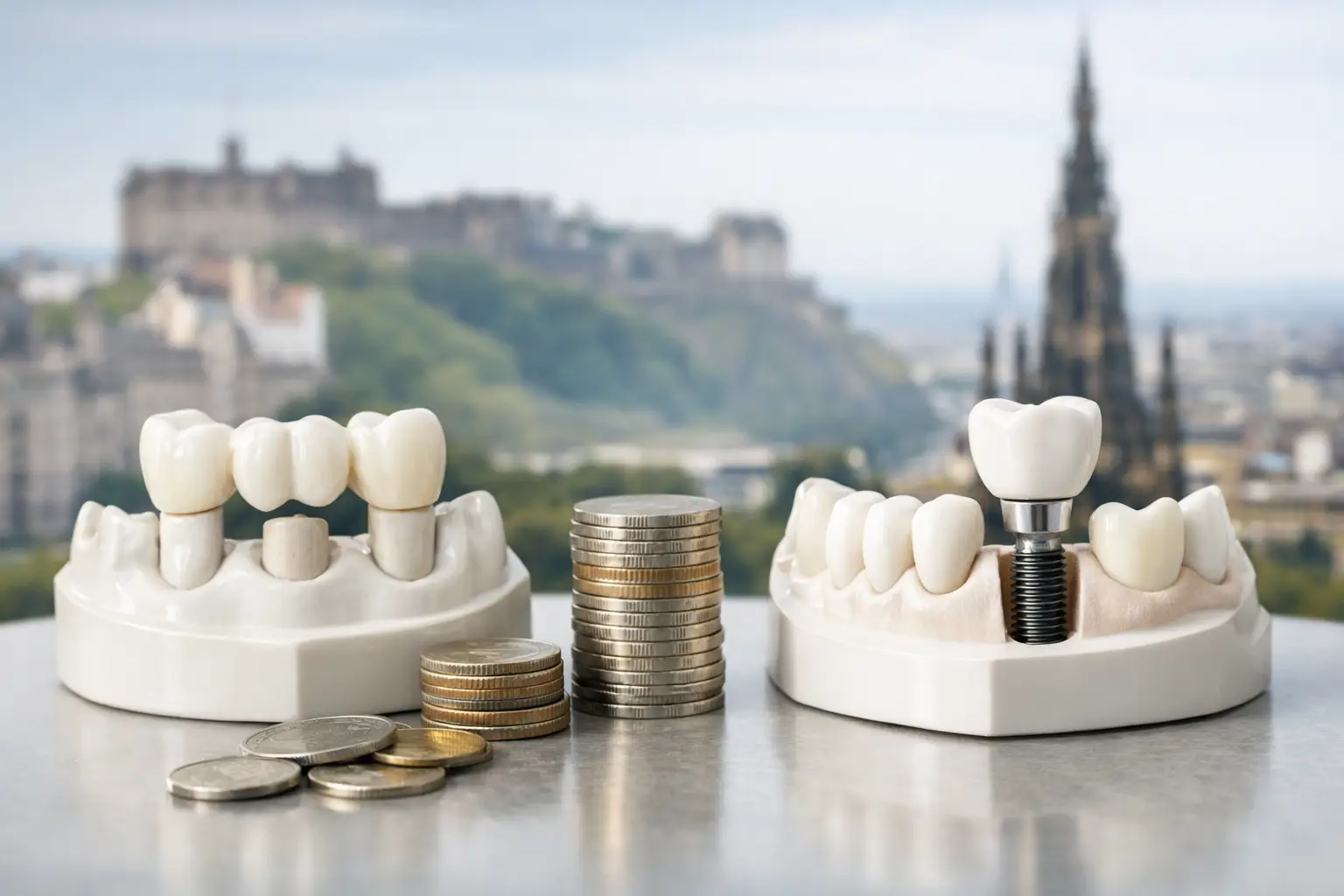
They can be especially useful when replacing a single missing tooth, because a conventional bridge may require preparation of the teeth on either side. An implant can often restore the space without involving those neighbouring teeth.
That said, suitability depends on more than the gap itself. Gum health matters. Bone levels matter. Smoking, untreated grinding, certain medical conditions and oral hygiene habits can all influence whether implants are advisable, or whether preparatory treatment is needed first.
This is why a proper assessment is so important. A calm, thorough consultation should look at the full picture rather than treating the implant as a stand-alone procedure.
What treatment involves
One reason patients delay treatment is uncertainty about the process. In reality, implant treatment is usually staged and carefully planned.
It begins with an examination, discussion of your goals and appropriate imaging. This allows the dentist to assess bone levels, gum health, bite and the position of nearby structures. At this stage, you should also have a clear conversation about alternatives, expected timescales and likely costs.
If implants are suitable, the next step is placement of the implant itself. This is a minor surgical procedure carried out under local anaesthetic. Many patients are understandably nervous beforehand, but are pleasantly surprised by how manageable it feels. Some mild swelling or tenderness afterwards is common, though this usually settles over a few days.
After placement, the implant needs time to integrate with the jawbone. This healing period varies, but often takes several months. In some cases, a temporary tooth may be possible during this stage. In others, it is better to allow undisturbed healing before the final restoration is fitted.
Once healing is complete, the custom-made crown, bridge or denture attachment is secured. The result should be planned not only to look natural, but to function well and be maintainable over time.
Are dental implants always the best choice?
Not always, and a good practice should be honest about that.
If the surrounding teeth already need crowns, a bridge may sometimes make practical sense. If a patient would prefer to avoid surgery, a well-made denture may be a more suitable route. If gum disease is active, treatment should focus there first rather than rushing ahead.
Cost is another genuine consideration. Implants tend to involve a higher initial investment than other options. For many patients, that cost is justified by comfort, durability and confidence. For others, another treatment may be more realistic at the moment. Neither decision is wrong. It depends on your needs, priorities and oral health.
There are also clinical situations where additional procedures are required, such as bone grafting or sinus augmentation, particularly in the upper back jaw. These can make treatment longer and more complex. Again, transparency matters. Patients should know what is involved before committing.
Benefits of dental implants
The strongest case for implants is often their ability to restore both function and reassurance. Because they are fixed, they can feel more secure than removable options. They can also help maintain the shape of the bite and reduce the sense that a missing tooth is affecting the rest of the mouth.
Another benefit is preservation. Unlike some bridge designs, implants do not usually require drilling into adjacent healthy teeth. They also help stimulate the jawbone in the area where the tooth root has been lost, which may reduce bone shrinkage over time.
Aesthetic results can also be very good when treatment is carefully planned. Shape, shade and gum contour all play a part. A successful implant restoration should not draw attention to itself. It should simply look in keeping with the rest of your smile.
What patients should consider before going ahead
It is sensible to look beyond the procedure itself and think about maintenance. Dental implants are not vulnerable to decay in the same way as natural teeth, but the surrounding gums and bone still need to stay healthy. Without good home care and regular professional review, implants can develop complications.
This means daily cleaning matters. So do routine check-ups and hygienist visits where recommended. Patients who do well with implants are often those who see them as part of long-term oral health, not as a one-off fix.
It is also worth considering timing. If you have recently lost a tooth, there may be benefits to discussing replacement sooner rather than later, as bone levels can change after extraction. Equally, if the tooth has been missing for years, implants may still be possible, but the planning can be different.
Expectations should be realistic as well. A high-quality implant can feel very natural, but it is still a dental restoration that requires careful design and upkeep. The aim is durable, comfortable function and a natural appearance, not perfection for its own sake.
Choosing a practice for dental implants
Patients often focus on the implant itself, but the quality of planning and aftercare is just as important. Implant treatment works best in a setting where there is continuity, time for discussion and a clear commitment to safe, ethical care.
You should expect a detailed assessment, straightforward explanations and a treatment plan tailored to your mouth rather than a standard package. Fees should be clearly explained. Alternatives should be discussed without pressure. If you are an anxious patient, that should be treated with patience and respect, not brushed aside.
At an established practice such as 4 Great Stuart Street, this kind of treatment sits within a broader approach to long-term dental care. That matters because implants do not exist in isolation. They are part of your overall oral health, and the best results tend to come when the surrounding teeth and gums are cared for consistently over time.
Common questions patients ask
One of the most common concerns is whether implant treatment is painful. During the procedure, the area is numbed with local anaesthetic, so you should not feel pain. Afterwards, some discomfort is to be expected, but many patients find it less troublesome than they feared.
Another frequent question is how long implants last. There is no single answer, because longevity depends on oral hygiene, gum health, smoking, bite forces and regular maintenance. With good care, implants can serve patients well for many years.
Patients also ask whether age is a barrier. In most cases, overall health and oral condition are more important than age alone. Many adults later in life are very suitable candidates if their gums and bone support are stable.
Replacing a missing tooth is rarely just a cosmetic decision. It is often about comfort, confidence and being able to trust your mouth again. If dental implants are something you have been considering, a calm conversation with an experienced dentist is usually the best first step, because the right treatment is the one that fits your health, your priorities and your life.