Guide to Same Day Dental Emergencies
A calm, practical guide to same day dental emergencies, including what needs urgent care, what to do first, and when to book an emergency dentist.
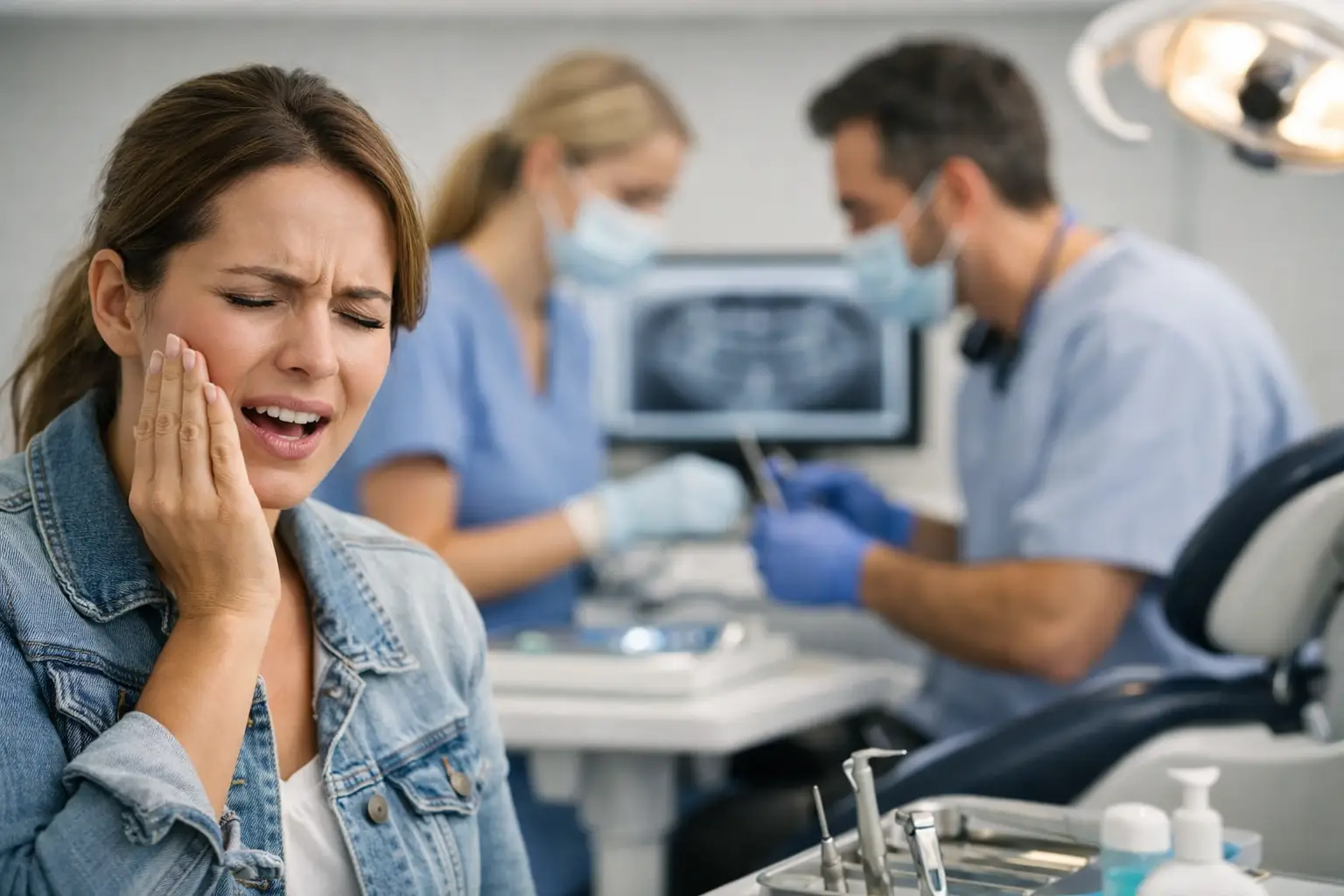
A cracked tooth at breakfast, sudden swelling before work, or a child waking in the night with severe toothache can turn an ordinary day into a stressful one very quickly. This guide to same day dental emergencies is designed to help you judge what needs urgent attention, what you can do safely at home, and when it is sensible to arrange an emergency appointment without delay.
Dental emergencies are not always dramatic, but they do tend to feel urgent when you are in pain, worried about infection, or concerned about damage to a front tooth. In those moments, calm advice matters. The right response can ease discomfort, reduce the risk of complications, and improve the chances of saving or repairing a tooth.
What counts as a same day dental emergency?
Not every dental problem needs to be seen within hours, but some do. In general, same day care is appropriate when you have significant pain, swelling, bleeding, trauma, or a problem that is likely to worsen quickly if left untreated.
Severe toothache is one of the most common reasons people seek urgent help. A dull ache can sometimes wait for a routine appointment, especially if it settles with simple pain relief. Sharp, throbbing or persistent pain is different, particularly if it keeps you awake, worsens when you bite, or is accompanied by swelling or fever. That can suggest infection or inflammation inside the tooth, and it should be assessed promptly.
Facial swelling, swollen gums, or a bad taste in the mouth can also point to infection. If swelling is spreading, making it difficult to swallow, or affecting your breathing, that is more serious and needs immediate medical attention. A dental practice can often help with localised swelling, but there are times when hospital care is the safer route.
A knocked-out tooth is another clear same day emergency. Time matters here. In some cases, an adult tooth can be saved if you act quickly and it is handled properly. A broken tooth, cracked tooth, lost filling, or crown that leaves a tooth painful or exposed can also need urgent care, though the level of urgency depends on pain, appearance, and the amount of damage.
Guide to same day dental emergencies: what to do first
The first step is to stay as calm as you can. Panic tends to make practical decisions harder, and a steady approach is usually best.
If you are bleeding after an injury, apply gentle pressure with clean gauze or a clean cloth. If a tooth has been knocked out, hold it by the crown rather than the root. If it is dirty, rinse it briefly in milk or saline if available, or clean water if there is no alternative, but do not scrub it. If possible, place the tooth carefully back in the socket. If that is not possible, keep it in milk and seek urgent dental care straight away.
If a tooth is chipped or broken, rinse your mouth with warm water and keep any fragments if you can find them. A cold compress on the cheek can help limit swelling. Avoid chewing on that side. If a filling or crown has come away, keep the restoration and bring it with you if you attend an appointment. Sometimes it can be re-cemented, though not always.
For toothache, warm salt water rinses can be soothing. Over-the-counter pain relief may help, provided you take it as directed and it is suitable for you. It is usually better to avoid placing aspirin directly on the gum, as this can irritate the tissues. If your pain is severe or increasing, especially with swelling, same day advice is wise.
When urgent care really should not wait
There are some situations where waiting to see whether things improve is rarely the best option. Swelling around the jaw or face is one. Uncontrolled bleeding is another. Trauma to front teeth, especially in children and working adults concerned about appearance, also deserves prompt assessment because early treatment can affect the final result.
Pain after an extraction can be less straightforward. Some discomfort is normal. Pain that becomes worse several days later, particularly with an unpleasant taste or smell, may indicate a dry socket or infection and should be checked. Similarly, pain under a crown, bridge or denture is not always an emergency, but if it stops you eating or sleeping, or if there is swelling, it moves into urgent territory.
It also depends on the person. A mild problem in a healthy adult may be manageable until the next available appointment. The same issue in someone who is medically vulnerable, pregnant, immunocompromised, or extremely anxious may justify earlier care. Good dentistry is never one-size-fits-all.
What happens at a same day emergency appointment?
Many patients worry that an emergency visit will mean rushed treatment or pressure to make a quick decision. In a well-run practice, the aim is usually more measured than that. The immediate priorities are to get you comfortable, identify the cause, and make the area safe.
That often starts with a careful examination and, where needed, an X-ray. From there, the dentist will explain what is happening and what can realistically be done on the day. Sometimes the full treatment can be completed immediately. A lost filling may be replaced, a painful tooth may be dressed, or a minor fracture may be smoothed or repaired.
In other cases, same day care is about stabilising the situation. If you have an acute infection, the first step may be to drain the area or begin appropriate treatment to control the source. If a tooth is too painful for definitive treatment that day, temporary measures may be used to settle things before a follow-up. That can feel disappointing if you hoped everything would be sorted in one visit, but it is often the safest and most comfortable way forward.
Common emergencies and the likely next step
A knocked-out adult tooth may be repositioned and splinted if the timing and condition are favourable. A cracked or broken tooth may need a filling, bonding, root canal treatment, or eventually a crown, depending on how deep the crack goes. A lost crown may simply be re-cemented, but if decay has developed underneath or the tooth has changed shape, a new crown may be needed.
Severe toothache can have several causes. Decay, a dying nerve, gum infection, grinding, or a cracked tooth can all produce similar symptoms at first. That is why self-diagnosis is unreliable. The treatment might be as simple as replacing a failing filling, or it may involve root canal treatment or extraction if the damage is more advanced.
With wisdom tooth pain, same day care often focuses on cleaning the area, easing inflammation and checking for infection around the gum. The long-term answer may still be monitoring or referral, depending on the tooth position and how often the problem recurs.
Emergency care for children and nervous patients
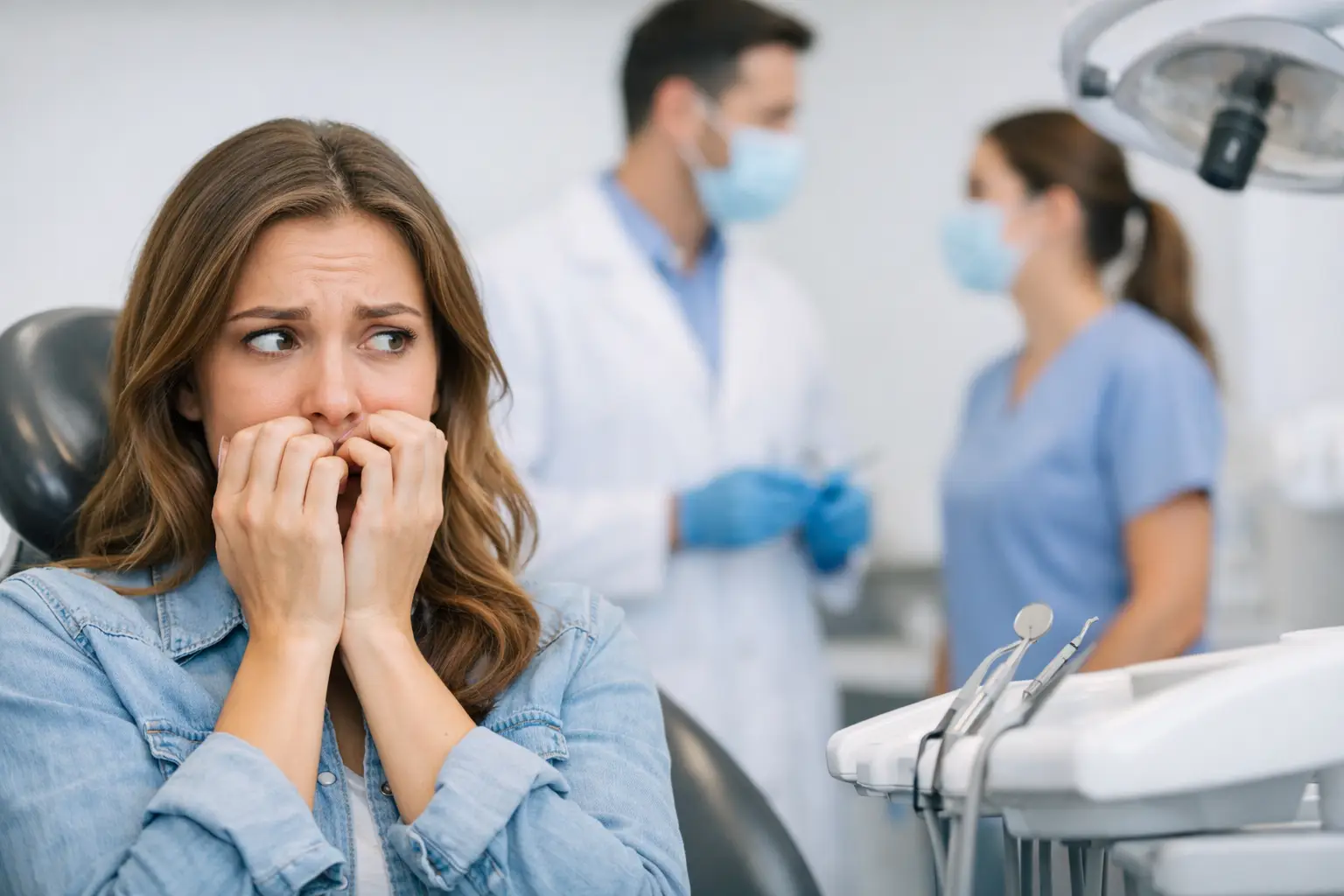
Urgent dental problems can be especially upsetting for children and for adults who already feel anxious about treatment. In these situations, reassurance is not a luxury. It is part of good care.
Children may struggle to describe pain clearly, so changes in eating, sleeping, irritability, or reluctance to let you touch the face can be useful clues. A knocked-out baby tooth is handled differently from an adult tooth, which is why advice should be sought before trying to reposition it. With dental injuries in children, prompt assessment matters, even when the damage looks small.
For nervous patients, knowing what to expect can make the day feel more manageable. Emergency care should be calm, clear and paced properly. A practice built on trust will explain each step, discuss options honestly, and focus first on getting you comfortable rather than overwhelming you with too much information at once.
Choosing help quickly, without rushing the decision
When you need an emergency dentist, speed matters, but so does judgement. It is worth looking for a practice that can offer same day appointments, clear fees, and a calm approach to urgent care. Continuity is valuable too. If your emergency treatment sits within a wider plan for your dental health, you are less likely to end up in a cycle of patch-and-repeat dentistry.
For many people in Edinburgh, that means choosing an established local practice where routine care and urgent treatment are both available under one roof. At 4 Great Stuart Street, same day emergency appointments form part of a broader, patient-centred service, so urgent problems can be treated with the same care, discretion and clinical standards as long-term dental care.
After the appointment
Once the immediate problem has been dealt with, follow the aftercare advice closely. That may include eating softer foods, avoiding very hot or cold drinks, taking prescribed medication correctly, and returning for follow-up treatment if needed. Even when the pain settles, the underlying issue may still need proper attention.
That is often the hidden risk with dental emergencies. The crisis passes, life gets busy again, and the tooth is forgotten until the next flare-up. If you have needed urgent care once, it is usually worth understanding why. Sometimes the next best step is not another emergency visit, but regular check-ups, preventative care, or a more durable restoration.
A same day appointment can solve the immediate problem. Peace of mind tends to come from knowing there is a sensible plan after that, and that you have a practice you can rely on when something unexpected happens.