Reasons Gums Bleed After Brushing
Learn the common reasons gums bleed after brushing, when it may be harmless, and when to book a dental check-up for expert advice.
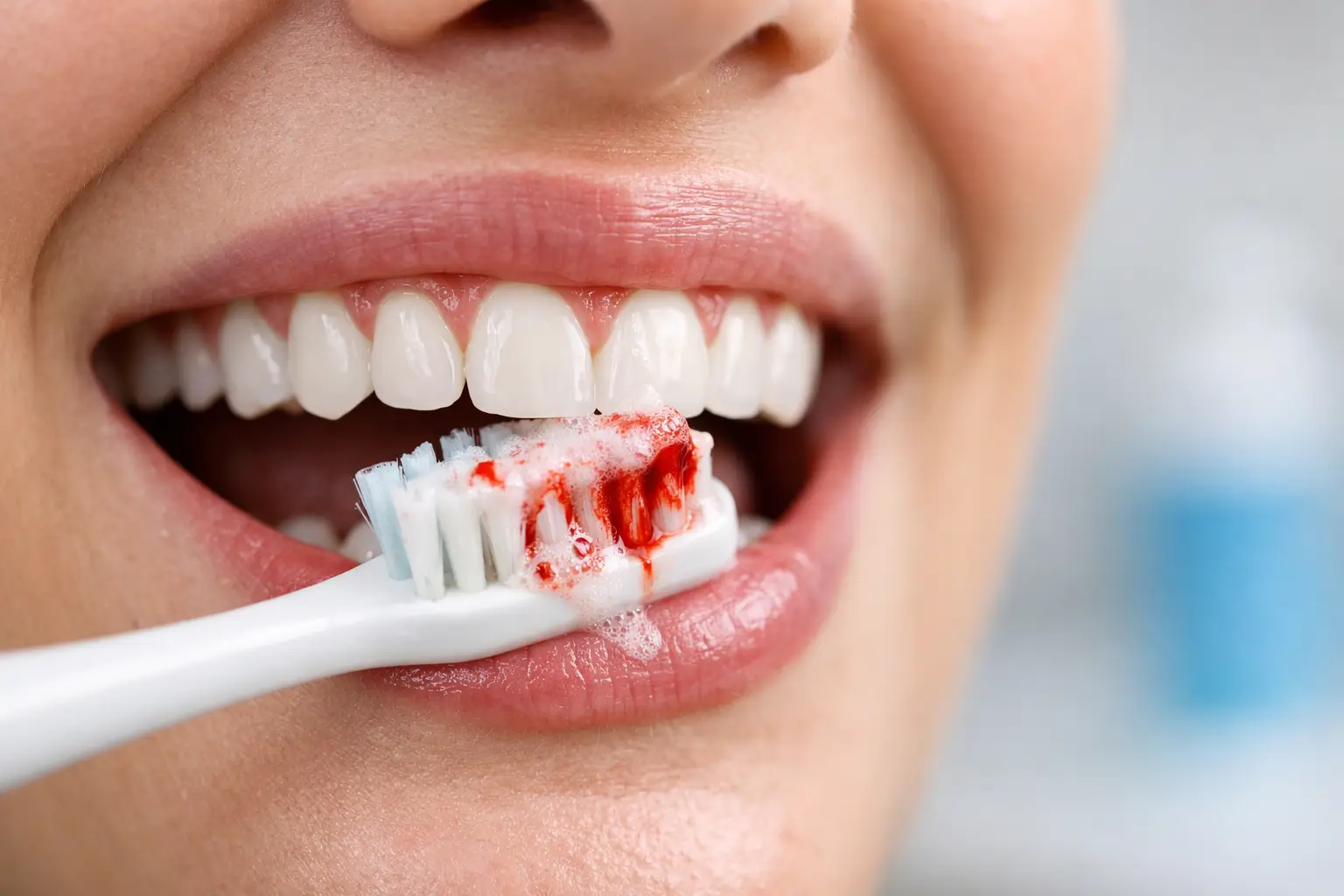
Seeing pink in the sink after brushing can be unsettling, especially if it happens more than once. The most common reasons gums bleed after brushing are irritation, inflammation and brushing habits, but the cause is not always as simple as brushing too hard. Sometimes it is a short-term issue that settles quickly. In other cases, it is your mouth asking for attention.
A small amount of bleeding is easy to dismiss, particularly if there is no pain. Yet healthy gums do not usually bleed with normal brushing. If they do, it is worth understanding why.
Common reasons gums bleed after brushing
The most frequent cause is plaque build-up along the gum line. Plaque is a soft film of bacteria that forms on teeth every day. If it is not removed thoroughly, it can irritate the gums and lead to gingivitis, which is the early stage of gum disease. Gums may look slightly red, puffy or tender, and they often bleed when brushing or cleaning between the teeth.
This is one of those situations where the symptom can seem to punish the right behaviour. If your gums bleed, you may feel tempted to avoid brushing the area. In practice, that usually makes things worse, because the plaque remains in place and the inflammation continues.
Another common reason is brushing too forcefully or using a toothbrush that is too firm. Many people believe a harder scrub means a better clean. It usually does not. Gums are delicate tissue, and repeated friction can leave them sore and more likely to bleed. A soft-bristled brush and gentler technique are usually far kinder and more effective.
Sometimes the issue is a recent change in your routine. If you have started flossing again after a long gap, or begun using interdental brushes, a little bleeding can happen at first. That does not always mean you should stop. Inflamed gums often bleed when you start cleaning properly between the teeth, then improve over several days as the tissue becomes healthier. If bleeding persists, though, it should be checked.
When bleeding gums suggest gum disease
If your gums bleed regularly, gum disease is the first thing a dentist will want to rule out. Gingivitis is common and, importantly, reversible with good home care and professional cleaning. Left untreated, however, it can progress to periodontitis, which affects the supporting structures around the teeth.
At that stage, bleeding may be accompanied by bad breath, gum recession, sensitivity or teeth that feel slightly loose. Not everyone notices obvious symptoms early on. That is why routine examinations and hygiene visits matter. Problems are often easier to manage when caught early.
There is also an element of individual risk. Smoking, diabetes, dry mouth and inconsistent cleaning can all make gum disease more likely or more difficult to control. Stress may play a part too, especially if it leads to clenching, poor sleep or neglected routines.
Other possible reasons gums bleed after brushing
Not every case of bleeding gums points directly to gum disease. Hormonal changes can make gums more sensitive, particularly during pregnancy. Some people notice increased bleeding at certain points in the menstrual cycle as well.
Medication is another factor that is often overlooked. Blood-thinning medicines can make bleeding more noticeable, while some other prescriptions may contribute indirectly by causing dry mouth or changing the condition of the gum tissue. If bleeding has started after a new medication, it is sensible to mention that at your dental appointment.
Nutritional issues are less common, but they can play a part. A poor diet, especially one lacking key vitamins, may affect gum health. Mouth breathing, orthodontic appliances and ill-fitting dentures can also create local irritation that leaves gums more vulnerable.
Occasionally, bleeding can be linked to a more general health issue. That is not the most likely explanation, but persistent or unexplained bleeding should never be ignored, particularly if you have other symptoms such as unusual bruising, fatigue or bleeding elsewhere.
What your brushing technique may be doing
A surprising number of adults have never been shown how to brush effectively. They are doing their best, but not always in a way that protects the gums.
If you brush with a sawing motion across the gum line, use a medium or hard brush, or press until the bristles flatten, you may be causing repeated trauma. This can lead to bleeding, soreness and, over time, wear to the enamel near the gum margin.
A better approach is usually to angle a soft brush towards the gum line and use small, gentle movements rather than scrubbing back and forth. Electric toothbrushes can help some patients because they do the cleaning motion for you and often include a pressure sensor. That said, a manual brush can work very well if used correctly. It depends more on technique than price.
Cleaning between the teeth matters too. Brushing alone does not reach every surface. If plaque remains between teeth, the gums there may stay inflamed and bleed even if the visible surfaces look clean.
What to do if your gums are bleeding
Start with the basics. Keep brushing twice a day using a fluoride toothpaste and a soft-bristled brush. If you have been brushing aggressively, ease off. The aim is a thorough clean, not a harsh one.
Continue to clean between your teeth once a day, using floss or interdental brushes if they suit the spaces better. If the area is already inflamed, it may bleed for a few days as you improve your routine. That can be normal. What matters is whether it starts to settle.
It can also help to pay attention to the pattern. Is the bleeding happening in one isolated spot or across the whole mouth? Has it started recently, or been going on for weeks? Did it begin after a hygiene visit, a new toothbrush, a medication change or a period of stress? These details are useful when a dentist is trying to identify the cause.
If there is swelling, persistent bad taste, tenderness or sensitivity, do not wait too long. Those signs suggest the gums would benefit from professional assessment.
When to book an appointment
If your gums bleed for more than a week despite good cleaning, it is sensible to arrange a check-up. The same applies if bleeding is heavy, happens without brushing, or is accompanied by pain, loose teeth or obvious swelling.
For many patients, the solution is straightforward. A professional clean, clear advice on brushing and interdental cleaning, and a review of any contributing factors can make a significant difference. In a calm, established practice such as 4 Great Stuart Street, this kind of conversation is usually less dramatic than people fear. Often, patients simply need reassurance, practical guidance and a plan.
This is particularly important if you are nervous about dental visits. Bleeding gums can trigger worry, but early gum problems are usually very manageable. Avoiding the issue tends to allow it to become more complicated than it needed to be.
Can bleeding gums be prevented?
In many cases, yes. Prevention is mostly about consistency rather than perfection. Thorough daily brushing, cleaning between the teeth, regular dental reviews and hygiene visits, and not smoking all make a real difference.
Diet has a role as well. Frequent sugary snacks feed the bacteria that contribute to plaque, while dehydration and dry mouth can leave the gums less comfortable and less protected. Small habits matter over time.
There is no single rule that fits everyone. Some patients need more frequent hygiene care because of crowding, restorations, implants or a history of gum disease. Others do well with a simpler routine. Good dental care should be personal, not one-size-fits-all.
A final word on reasons gums bleed after brushing
Bleeding gums are common, but they are not something to ignore indefinitely. Sometimes the reason is as simple as a heavy hand with the toothbrush. Sometimes it is the early sign of gum disease, which is far easier to treat before it progresses. If your gums are bleeding repeatedly, take it as a prompt to look a little closer. A timely check-up can offer reassurance, improve comfort and help keep your mouth healthy for the long term.