What Happens During a Hygienist Appointment?
Wondering what happens during a hygienist appointment? Learn how your visit works, what it feels like and how to prepare for healthier teeth and gums at ease.
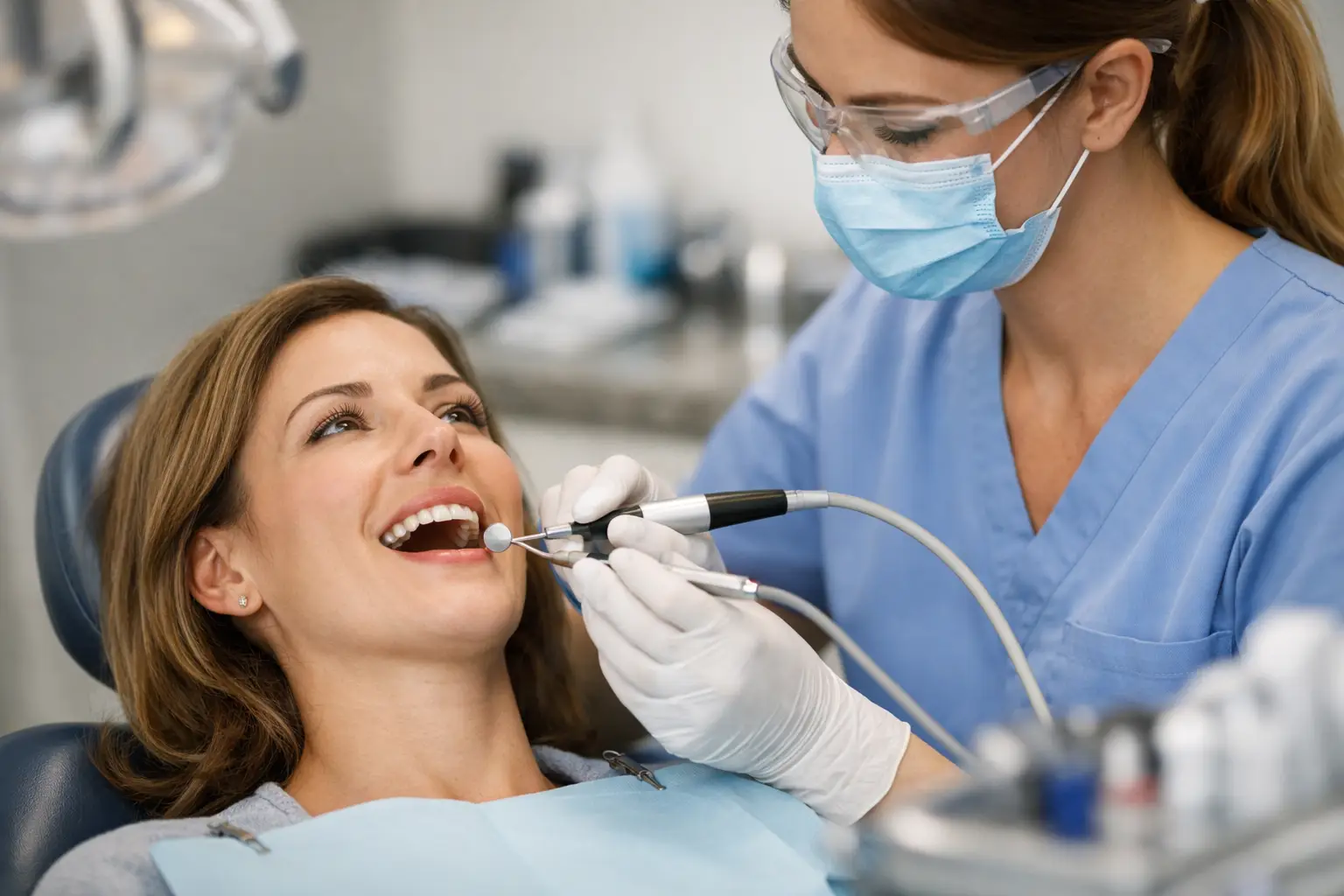
A hygienist visit is not simply a quick clean. It is a preventive appointment designed to help keep your gums healthy, reduce the build-up that brushing alone cannot always remove, and give you practical advice that suits your mouth and routine. If you are wondering what happens during a hygienist appointment, knowing the usual stages can make the experience feel much more straightforward - particularly if it has been a while since your last visit or you feel anxious about dental treatment.
At 4 Great Stuart Street, hygiene care is approached as part of a long-term relationship with your dental team. The aim is not to make you feel judged about your brushing or lifestyle, but to help you protect your teeth and gums in a calm, respectful setting.
What happens during a hygienist appointment?
Your appointment will usually begin with a conversation. The hygienist may ask whether you have noticed bleeding when brushing, sensitivity, bad breath, loose teeth, sore gums or changes in your general health. They may also check whether you take any medicines that can affect your gums or make your mouth feel dry.
This is a useful time to mention anything that has been worrying you. Even a small change can help the team understand what is happening and decide whether your dentist should review an area as well.
The hygienist will then examine your teeth and gums. They are looking for signs of plaque, hardened deposits called calculus or tartar, gum inflammation, recession and areas that may be difficult for you to clean. Healthy gums are usually firm and do not bleed easily. Bleeding can be a sign of gum inflammation, although it does not always mean there is a serious problem.
Depending on your gum health, the hygienist may take gum measurements around the teeth. This involves gently placing a small marked instrument between the tooth and gum to assess the depth of the gum pockets. It should not be painful, though inflamed gums may feel tender or bleed a little. These measurements help monitor your gum health over time, rather than relying on how your mouth feels on a single day.
Removing plaque and hardened deposits
The cleaning stage is often what people expect from a hygiene appointment. Plaque is a soft, sticky film of bacteria that builds up on teeth throughout the day. If it is not removed thoroughly, it can irritate the gums. Over time, plaque can harden into calculus, which cannot be brushed away at home.
Your hygienist uses carefully selected instruments to remove these deposits from above and, where appropriate, just below the gum line. This may include an ultrasonic scaler, which uses gentle vibration and water to loosen calculus, followed by hand instruments for more detailed cleaning. You may hear a buzzing sound and notice water being suctioned from your mouth. These sensations are normal, and the hygienist will make sure you have opportunities to rinse and rest.
A polish may follow to remove surface staining and leave the teeth feeling smooth. Tea, coffee, red wine and smoking can all contribute to external staining. A polish can improve the appearance of these marks, but it is not the same as tooth whitening and will not change the natural shade of your teeth.
Will a hygienist appointment hurt?
For many people, a routine hygiene visit is comfortable. If there is a significant amount of calculus, sensitive teeth, exposed root surfaces or active gum inflammation, some areas may feel sharp, cold or tender. The good news is that you do not need to simply tolerate discomfort.
Tell your hygienist as soon as something feels uncomfortable. They can adjust their technique, take breaks, use a topical numbing gel or discuss other ways to make treatment more manageable. For deeper gum cleaning, local anaesthetic may sometimes be recommended. This depends on the extent of gum disease and the treatment required.
It is also common for gums to feel slightly tender, or to bleed a little, after cleaning if they were already inflamed. This should settle quickly. If you have persistent pain, swelling, heavy bleeding or a concern after your appointment, contact the practice for advice.
Why your gums may bleed more after a gap in care
Some patients worry that cleaning has made their gums bleed. In most cases, the cleaning has revealed inflammation that was already present. When plaque and calculus are removed, and you clean effectively at home, the gums usually become healthier and bleeding reduces over the following days and weeks.
It can be tempting to avoid the places that bleed when brushing. In fact, those are often the areas that need gentle, careful cleaning most. Your hygienist can show you how to do this without being too forceful.
Personalised advice for your home routine
The value of a hygiene appointment continues after you leave the chair. Your hygienist will talk through the areas where plaque is collecting and recommend a realistic way to improve your daily cleaning. This may involve refining your brushing technique, choosing the right size of interdental brush, using floss where it is appropriate, or considering a toothpaste for sensitivity or gum health.
Advice should be tailored rather than one-size-fits-all. Someone with crowded lower teeth, a bridge, braces, dental implants or reduced hand mobility may need a different approach from someone with widely spaced teeth and otherwise healthy gums. If you have an electric toothbrush, it can be useful to bring it along or describe the model you use, so the advice fits your routine.
Your hygienist may also discuss diet, smoking or dry mouth where these are affecting your oral health. These conversations are intended to be practical and supportive. Small changes, repeated consistently, usually matter more than a perfect routine that is difficult to maintain.
How long does the appointment take?
The length of a hygienist appointment depends on your needs. A straightforward maintenance visit may take around 20 to 30 minutes, while a first visit after a long gap, or treatment for more advanced gum problems, can take longer or be split across more than one appointment.
A longer appointment is not a sign that you have done anything wrong. It may simply allow enough time for a careful assessment, thorough cleaning and unhurried guidance. If your gums need more involved periodontal treatment, the hygienist and dentist can explain what is recommended, why it is needed and what the likely costs and appointment schedule will be before you proceed.
Is a hygienist appointment the same as a dental check-up?
They work closely together, but they are not the same. A dental check-up focuses on the overall health of your teeth, gums, mouth and jaw, and may include checks for decay, worn teeth, damaged restorations and signs that require further investigation. Your dentist decides whether X-rays are needed and discusses any treatment options.
A hygienist appointment concentrates on preventive gum care and helping you keep your mouth clean between visits. Sometimes both appointments are arranged on the same day for convenience. At other times, the timing will depend on your individual recall plan.
How to prepare for your visit
There is no special preparation needed. Brush your teeth as normal, but do not worry if you feel they are not as clean as you would like. Hygienists see every stage of oral health and are there to help, not to criticise.
Do let the team know before treatment if you are pregnant, have recently had surgery, take blood-thinning medication, have a medical condition, have experienced changes in your health, or are particularly nervous. These details help make your care safe and comfortable. It is also sensible to eat beforehand if you find that you feel light-headed during appointments, unless you have been given different clinical instructions.
After a routine clean, you can usually carry on with your day normally. If your gums are sensitive, choose softer foods for a short time and continue brushing gently but thoroughly. Following the home-care advice you have been given is the most effective way to make each hygiene visit easier and more comfortable over time.
A hygiene appointment is a quiet investment in your future oral health. Whether you attend regularly or are returning after a long break, the most helpful step is simply to book the visit and let your dental team meet you where you are.