Saving an Infected Tooth With Prompt Care
Saving an infected tooth often depends on timely assessment. Learn warning signs, treatment options and when to arrange urgent dental care in Edinburgh.

A toothache that keeps you awake, pain when you bite, or a swelling near the gum can make it difficult to think about anything else. Saving an infected tooth is often possible, but the outcome depends on acting promptly and addressing the source of the infection rather than simply easing the pain.
An infection inside or around a tooth needs professional assessment. It will not reliably settle without treatment, and symptoms can sometimes ease temporarily while the underlying problem continues. A calm, early appointment gives your dentist the best chance to relieve discomfort, protect your health and retain your natural tooth where appropriate.
What does an infected tooth mean?
Most dental infections begin when bacteria enter the centre of a tooth, known as the pulp. This may happen through untreated decay, a leaking or broken filling, a crack, gum disease or an injury that has damaged the tooth. The pulp contains the nerve and blood supply, so inflammation in this confined space can cause intense pressure and pain.
If the pulp becomes infected or dies, bacteria may travel through the root to the bone and tissues around the tooth. This can form an abscess, which is a collection of pus. An abscess may cause a visible swelling or a small pimple-like area on the gum, although not every infection presents in the same way.
The aim is not simply to stop the tooth hurting. Your dentist needs to identify whether the infection is inside the tooth, around the gum, or linked to another issue such as a cracked tooth. That diagnosis shapes the safest treatment.
Signs you should arrange an urgent dental appointment
Dental pain is not always a sign of infection, but certain symptoms deserve prompt attention. These include persistent or throbbing toothache, sensitivity to hot or cold that lingers, pain on biting, swelling of the gum or face, a bad taste in the mouth, or a tooth that has become darker in colour.
Some people notice a swollen lymph node under the jaw, feel generally unwell, or find that an old crown or filling feels uncomfortable when they bite. Others have little pain at all, particularly if the nerve within the tooth has already died. That is why a swelling, discharge from the gum or recurring discomfort should not be ignored simply because it settles for a few days.
If swelling is spreading into your face or neck, or you have difficulty breathing, swallowing or opening your mouth, seek emergency medical help immediately. These symptoms can indicate a more serious spreading infection and should not wait for a routine appointment.
Saving an infected tooth: what treatment may involve
A dentist will begin by listening to your symptoms and examining the tooth and surrounding gums. X-rays are often needed to see the roots, the bone around them and signs of infection that cannot be seen from the outside. They may also carry out simple tests to assess how the tooth responds and whether it is likely to be restorable.
The treatment options depend on the tooth's condition, the extent of infection and how much healthy structure remains.
Root canal treatment
When infection is within the pulp but the tooth can be restored, root canal treatment is often the main option for saving it. The dentist carefully removes infected tissue from inside the tooth and its root canals, cleans and disinfects the area, then seals it to prevent bacteria re-entering.
This is usually completed over one or more appointments, depending on the case. Modern local anaesthetic means treatment should be comfortable, although the tooth may feel tender for a short period afterwards. For many patients, root canal treatment is preferable to extraction because it allows them to keep their own tooth and maintain normal chewing function.
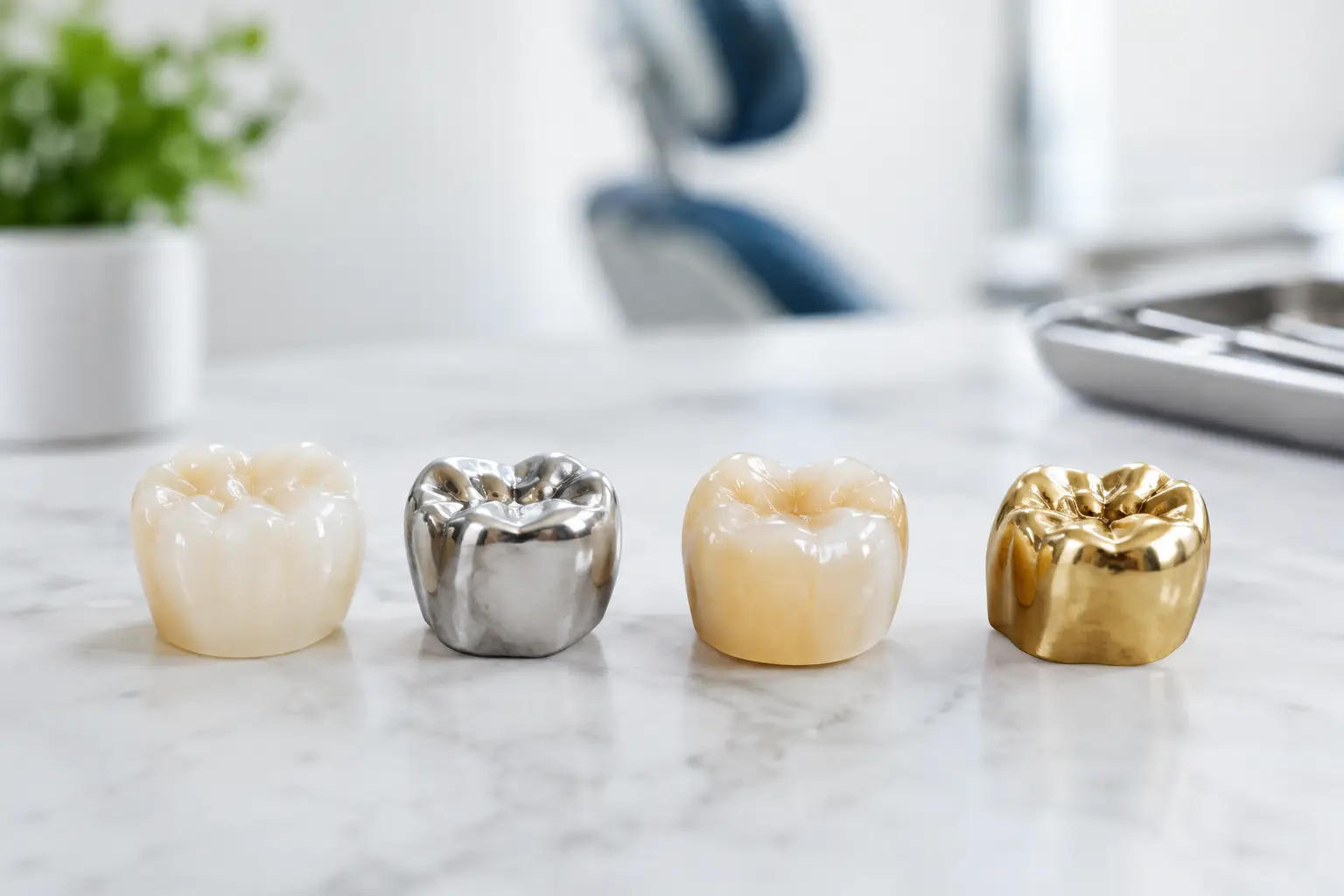
After root canal treatment, a tooth can be more brittle than before, especially if it has lost a large amount of structure through decay or an old filling. A crown may therefore be recommended to protect it from fracture. This is an investment in the long-term result, not an unnecessary extra step, but the right restoration will be discussed clearly with you.
Drainage and stabilising treatment
Where there is an abscess, the dentist may need to release pressure by draining the infection through the tooth or gum. This can bring significant relief, but drainage alone does not always resolve the cause. The tooth will still need definitive treatment, such as root canal treatment or removal, once it is safe and appropriate to proceed.
In some cases, a temporary dressing is placed inside the tooth to settle the infection before it is permanently sealed. This staged approach can be the most predictable option for a severely inflamed tooth.
When extraction is the safer choice
Not every infected tooth can be saved. If it is badly cracked below the gum line, has too little remaining healthy tooth structure, has advanced gum disease, or has a poor long-term prognosis despite treatment, removal may be the most responsible recommendation.
Hearing that a tooth needs to come out can be disappointing, particularly when it is visible or important for chewing. However, extracting a tooth that cannot be predictably restored can prevent repeated infection and further expense. Once healing has taken place, your dentist can discuss replacement options such as a bridge, denture or dental implant, taking account of your health, budget and priorities.
Are antibiotics enough for a tooth infection?
Antibiotics have an important role when infection is spreading or you have signs of systemic illness, but they are not usually a cure for an infection contained inside a tooth. The source of the bacteria still needs to be removed through dental treatment.
Taking antibiotics without treating the cause may reduce symptoms for a short time, only for the infection to return. They are also not appropriate for every dental pain or swelling. Your dentist will prescribe them when clinically indicated and explain how to take them safely.
What to do while you wait to be seen
Arrange an urgent dental assessment rather than hoping the problem will pass. In the meantime, take pain relief only as directed on the packet or by a pharmacist or clinician, provided it is suitable for you. If you are unsure because of another health condition, pregnancy or regular medication, ask for advice.
Try to keep the area clean with gentle brushing and avoid chewing on the painful side. Choose softer foods and avoid very hot, cold or sugary items if they trigger pain. Do not put aspirin, alcohol, cloves or other substances directly onto the gum or tooth, as this can burn the tissues and make matters worse.
A cold compress against the outside of the cheek may help with discomfort or local swelling. Do not apply heat to facial swelling, and do not attempt to burst a gum swelling yourself.
Can an infected tooth be saved after the pain stops?
Sometimes, yes, but the disappearance of pain does not prove that the infection has gone. A tooth may stop hurting because pressure has drained through the gum or because the nerve has died. In either situation, bacteria can remain around the root and continue to affect the surrounding bone.
This is one reason regular check-ups matter, even for people who feel well. Small changes can be found before they become an emergency, and early decay or failing restorations can often be managed more conservatively.
Looking after the tooth once it has been treated
A successfully treated tooth needs the same daily care as every other tooth: twice-daily brushing with fluoride toothpaste, cleaning between teeth, a balanced diet and regular dental reviews. If you have a crown, large filling or root-treated tooth, avoid using it to crack hard foods or open packaging.
Follow-up appointments allow your dentist to check healing and ensure the final restoration remains sound. Root canal treatment has a good chance of long-term success, but no treatment can guarantee a result forever. Prompt attention to a loose crown, chipped filling or new discomfort can help protect the work already done.
At 4 Great Stuart Street, the focus is on giving patients clear choices in a safe, ethical and relaxed environment. If you are worried about pain, swelling or a damaged tooth, an early conversation can turn an uncertain situation into a considered plan for preserving your comfort and your smile.