Are Dental Implants Worth It?
Are dental implants worth it? Learn the real benefits, costs, drawbacks and who they suit, so you can decide with confidence.

Losing a tooth rarely feels like a small thing. You notice it when you smile, when you eat, and often when you least expect it - in photographs, meetings, or quiet moments when your confidence dips. If you are asking are dental implants worth it, the honest answer is that they often can be, but only when they are right for your mouth, your health and your priorities.
For some patients, an implant is the closest thing to getting a natural tooth back. For others, a bridge or denture may be the more sensible choice. The value is not just in the treatment itself. It is in how well it solves the problem you actually have.
Are dental implants worth it for most patients?
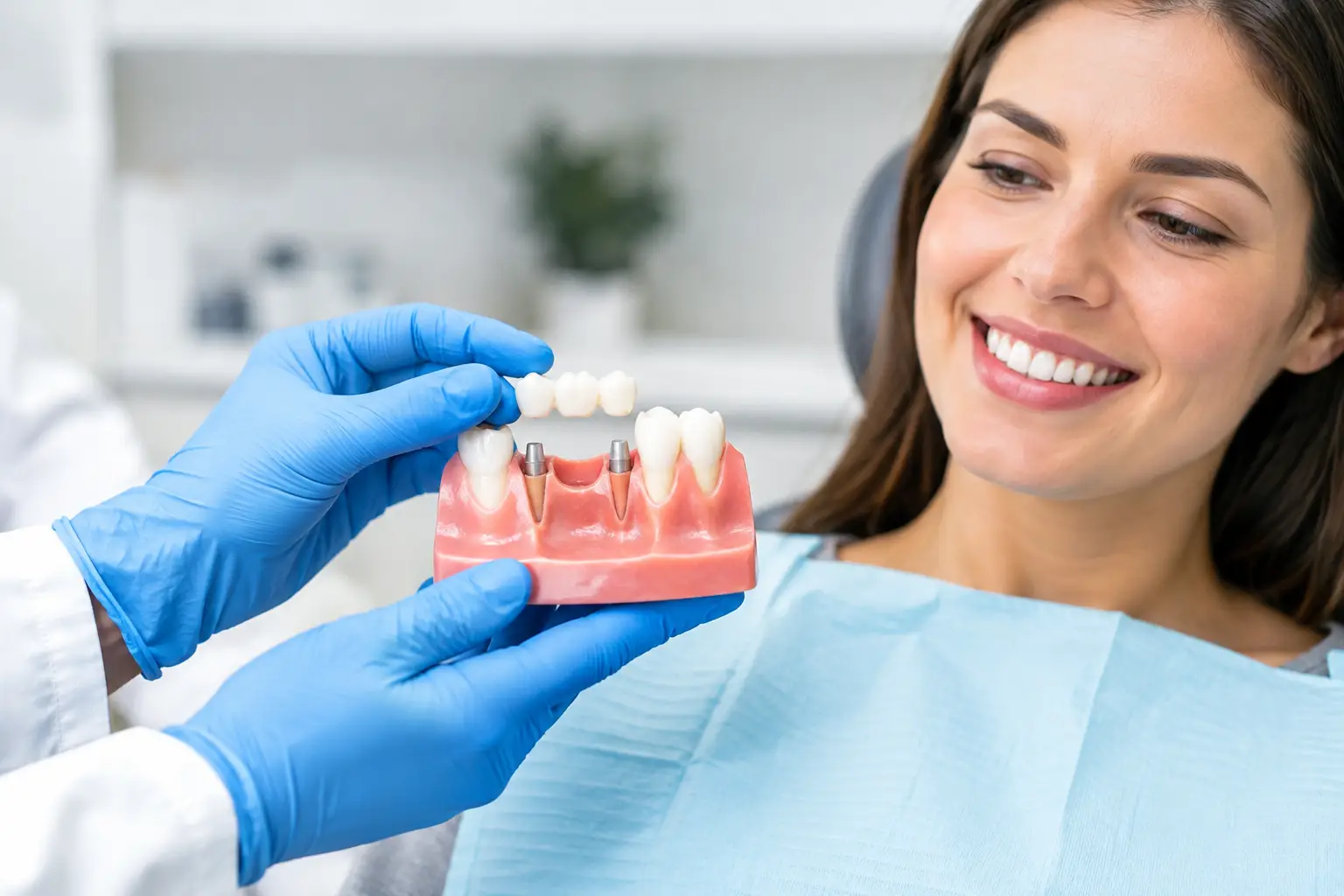
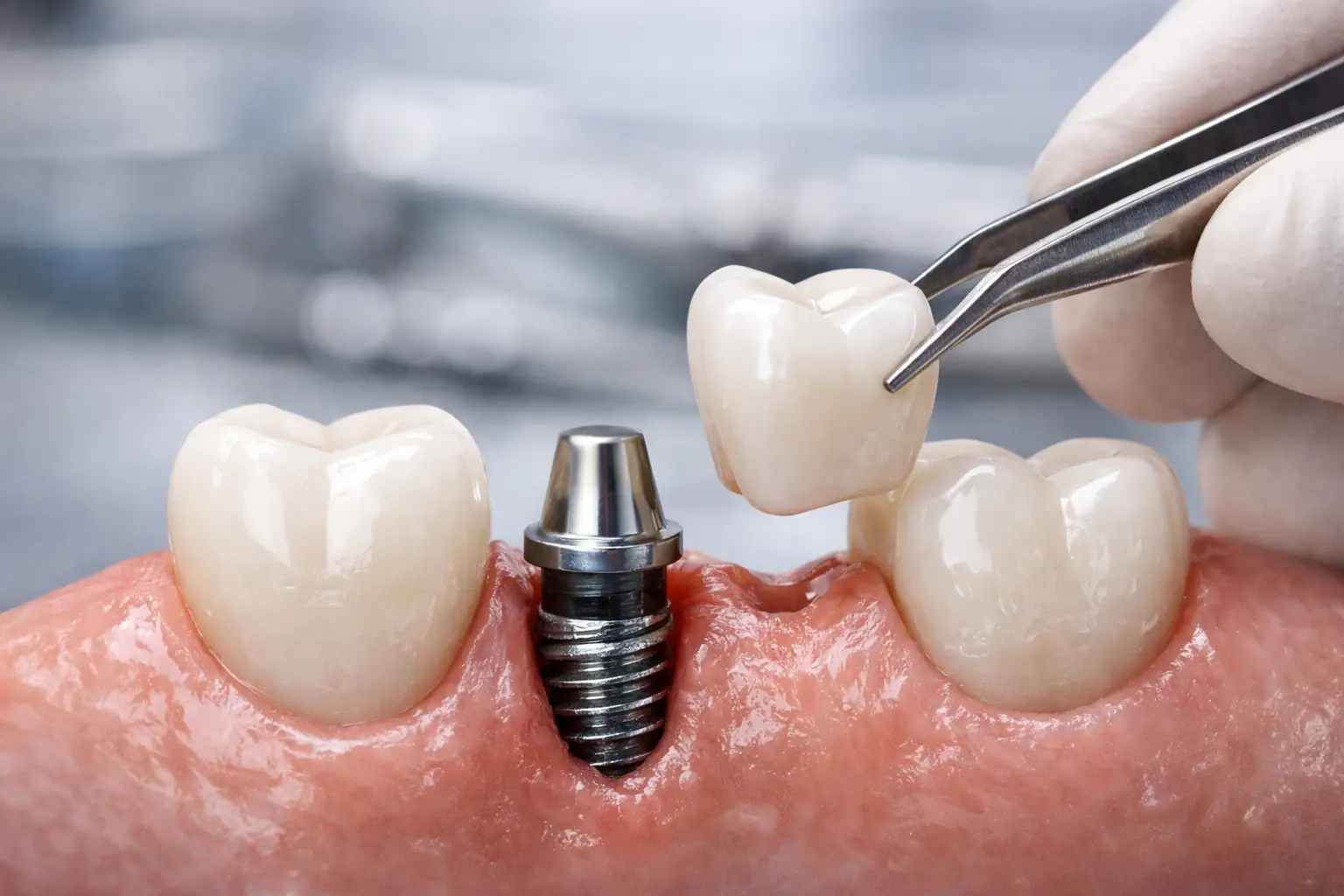
A dental implant is a small titanium post placed into the jawbone to support a replacement tooth. Once healed, it can hold a crown, bridge or denture securely in place. In practical terms, it replaces the root as well as the visible part of the tooth.
That is one of the main reasons implants are so highly regarded. Unlike a denture, they do not simply sit on the gums. Unlike some bridges, they do not always rely on neighbouring teeth for support. They are designed to function as an independent, stable replacement.
Whether that makes them worth it depends on what matters most to you. If your priority is comfort, confidence and a long-term solution that feels secure, implants can offer real value. If your priority is the lowest possible upfront cost, they may not be the best fit.
What makes implants appealing
The biggest advantage is stability. Patients often describe implants as feeling far more like natural teeth than other replacement options. They do not move around while speaking. They can make chewing easier. They can also restore confidence in a way that removable options sometimes do not.
There is also a health benefit to consider. When a tooth is lost, the jawbone in that area can begin to shrink over time because it no longer receives stimulation from the tooth root. An implant helps maintain that stimulation. That does not just matter for function. It can also help preserve the shape of the face and mouth over the years.
Another point in their favour is that implants can be conservative in the right case. If you are missing a single tooth, an implant may avoid the need to prepare the healthy teeth next to it for a bridge. Preserving natural tooth structure is often a sensible long-term aim.
For many adults, especially those who want a fixed solution that is discreet and dependable, these benefits are what make implants feel worthwhile.
The main drawback is cost
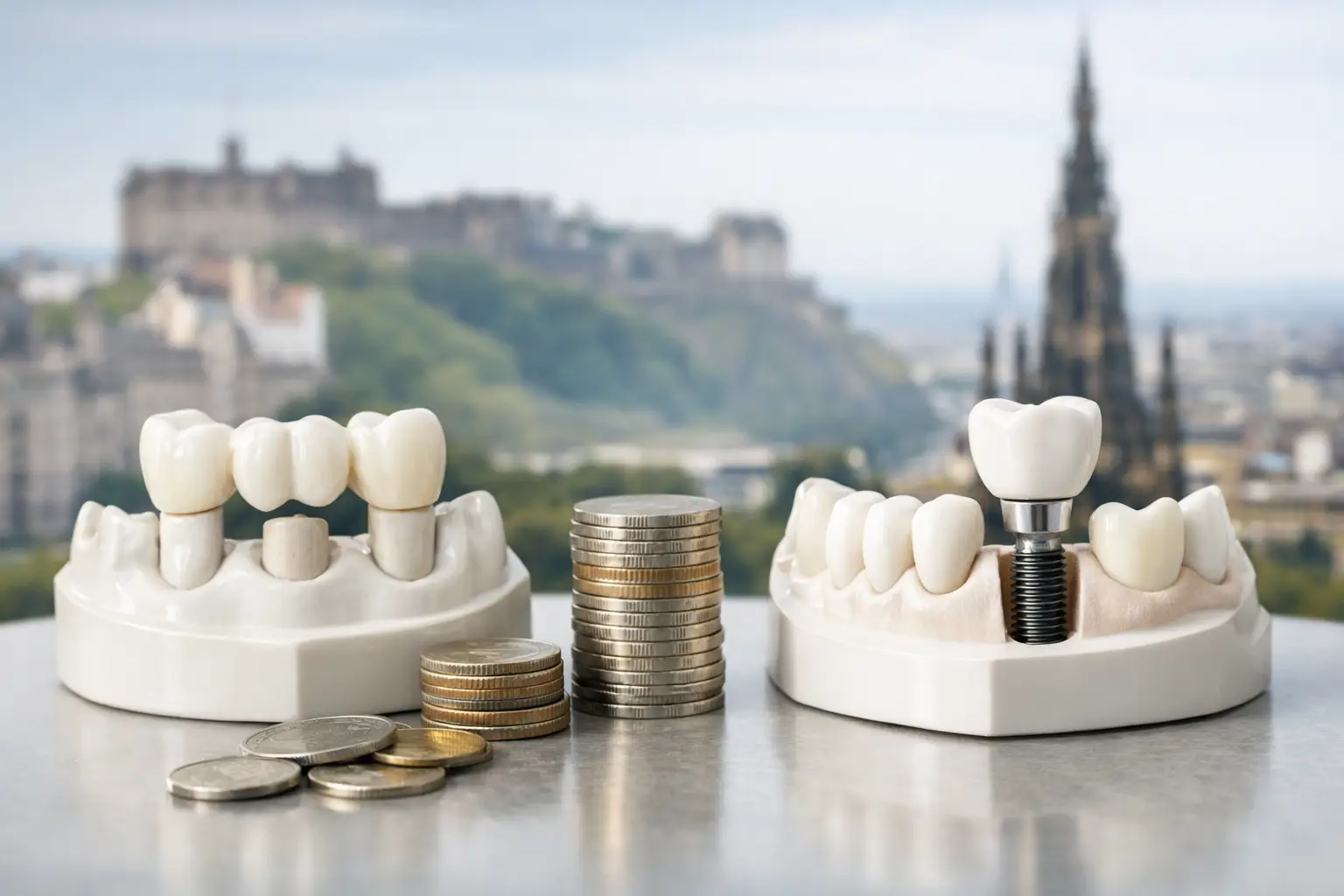
The question are dental implants worth it nearly always comes back to cost, and understandably so. Implants are a significant investment. The fee reflects careful planning, surgical placement, healing time, laboratory work and the final restoration.
They are not the cheapest way to replace a missing tooth. Dentures and bridges usually cost less at the outset. That matters, especially if you need to manage treatment within a clear budget.
However, the lowest upfront fee is not always the lowest long-term cost. Dentures may need relining or replacing. Bridges can work very well, but if supporting teeth develop problems later, more treatment may be needed. Implants are not maintenance-free, yet they can be durable and cost-effective over time when well planned and properly cared for.
That said, no ethical dentist should present implants as the right answer simply because they are premium treatment. Good advice should take your budget seriously and discuss alternatives openly.
When implants are worth it
Implants tend to be worth serious consideration when the missing tooth is affecting daily life in a meaningful way. That may be because you avoid smiling, struggle to chew comfortably, or dislike the movement of a denture.
They are often a strong option if you have healthy gums, enough bone to support the implant, and good general oral hygiene. Non-smokers, or those willing to stop smoking, may also have a better chance of smooth healing.
They can be particularly worthwhile in a few common situations. A single missing tooth in an otherwise healthy mouth is often an excellent indication. Someone with a loose lower denture may benefit greatly from implant support because it can improve retention and comfort dramatically. Patients who value a fixed, natural-looking result and are prepared for the investment often feel the treatment was money well spent.
The emotional side should not be dismissed either. Restoring a front tooth, or replacing a gap that has made you self-conscious for years, can have a genuine impact on quality of life.
When they may not be the best choice
Not every missing tooth needs an implant. If the gap is at the back, does not affect your smile, and is not causing bite problems, you may decide not to replace it at all. That can be entirely reasonable in some cases.
Implants may also be less suitable if you have active gum disease, poor oral hygiene, certain uncontrolled medical conditions, or very limited bone without wanting additional procedures such as bone grafting. Heavy smoking can increase the risk of complications and failure.
Some patients simply do not want surgery, and that is valid. Implant placement is routine and carefully planned, but it is still a surgical procedure. If the idea causes significant anxiety, another option may suit you better unless you feel well supported through the process.
There is also the matter of timescale. Implants are rarely an instant solution. Assessment, planning, healing and fitting the final tooth can take several months. If you want the quickest possible result, a bridge or denture may be more practical.
Are dental implants worth it compared with bridges or dentures?
This is where the answer becomes more personal. Bridges are fixed and can look excellent. They may be completed more quickly than implants and can be a very good choice when the neighbouring teeth already need crowns. Dentures are usually the most affordable option and can replace multiple teeth without surgery.
Implants tend to come out strongest on stability, bone support and the feeling of having a tooth that is close to natural. Bridges often balance appearance, speed and cost well. Dentures remain useful, especially when several teeth are missing or when a less invasive route is preferred.
Rather than asking which option is best in general, it is usually better to ask which option is best for your mouth now, and what is likely to serve you well five or ten years from now.
What about success rates and maintenance?
Dental implants have high success rates when placed in suitable patients and maintained properly. That does not mean they are guaranteed for life. Implants can fail, and problems such as infection around the implant can occur, particularly if cleaning is poor or risk factors are present.
They still need care. You need healthy gums, regular dental reviews and careful brushing and cleaning around the implant. In other words, an implant is not a way to avoid dental maintenance. It is a long-term restoration that deserves the same attention as natural teeth.
This is one reason continuity of care matters. Being assessed properly at the start, understanding the likely maintenance, and having ongoing support all make a difference to long-term success.
Questions worth asking before you decide
If you are considering implants, the most useful conversation is not just about the price. It is about suitability, alternatives and expectations. Ask whether an implant is clinically the best choice in your case, how long treatment is likely to take, what the full fee includes, and what maintenance will be needed afterwards.
You should also ask what happens if additional treatment is required, such as bone grafting or gum treatment, and whether a bridge or denture might meet your needs just as well. A calm, transparent discussion is usually the clearest sign that you are being guided properly.
At a practice such as 4 Great Stuart Street, that conversation should feel measured rather than pressured. Missing teeth can affect confidence and comfort, but treatment decisions are best made with clear information and realistic expectations.
If you are weighing up whether implants are worth it, think beyond the headline fee. Consider how you want your teeth to feel, how long you want the solution to last, and how much the gap is affecting everyday life. For many people, implants are worth it because they restore more than a tooth. They restore ease, confidence and a sense of normality that is hard to put a price on.