How to Fix Stained Teeth Safely
Learn how to fix stained teeth safely, from cleaning and whitening to knowing when stains need professional dental treatment.
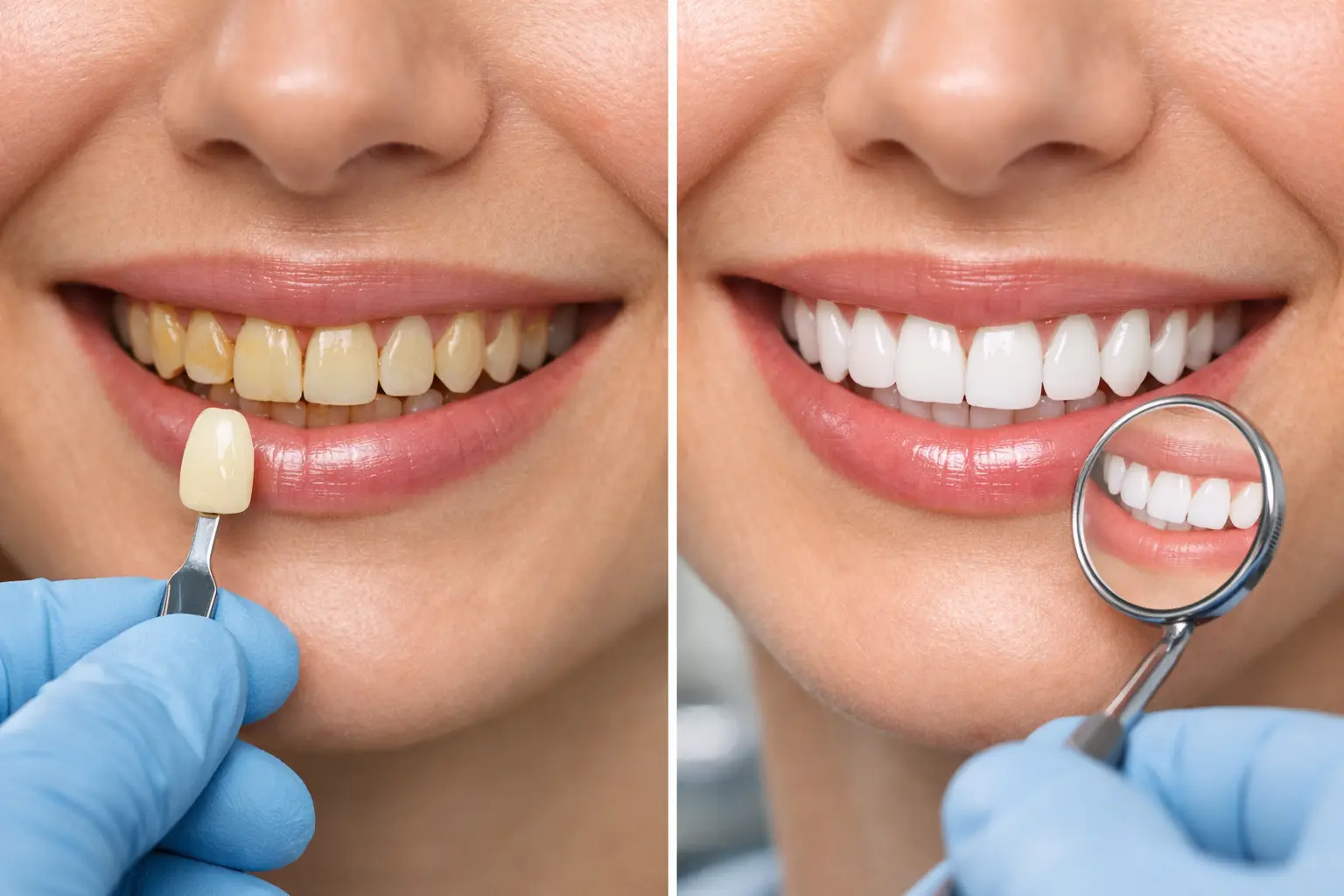
A smile can look dull for all sorts of reasons, and the right answer depends on what has caused the staining in the first place. If you are wondering how to fix stained teeth, the safest approach is to start by identifying whether the marks are surface stains, deeper discolouration, or a sign that something else in the mouth needs attention.
Teeth do not all stain in the same way. Tea, coffee, red wine and tobacco commonly leave external staining on the enamel. Ageing can make teeth appear darker as enamel gradually thins. Some stains sit within the tooth itself, which can happen after injury, certain medicines, old fillings or changes to the nerve inside a tooth. That difference matters, because what works well for one type of stain may do very little for another.
How to fix stained teeth starts with the cause
Surface staining is often the easiest to improve. This type of staining builds up slowly and tends to respond well to a professional scale and polish, regular hygiene appointments and some changes at home. If your teeth have become darker over time but still feel healthy, the problem may simply be staining on the outside of the tooth.
Deeper discolouration needs a more tailored plan. Whitening can be very effective for many natural teeth, but it will not change the colour of crowns, veneers, bridges or tooth-coloured fillings. If one tooth is significantly darker than the others, your dentist may want to check whether there has been previous trauma, decay, leakage around an old filling or a problem affecting the nerve.
That is one reason it is worth being cautious with quick online fixes. A treatment that promises fast whitening may not address the real issue, and in some cases it can make sensitive teeth feel worse.
What you can do at home
For mild staining, daily habits make a genuine difference. Brushing twice a day with a fluoride toothpaste, cleaning between the teeth and keeping up with routine check-ups all help prevent stains from becoming more obvious. If you drink tea, coffee or red wine regularly, rinsing with water afterwards can reduce how much pigment sits on the teeth.
Smoking is one of the most stubborn causes of staining. Tobacco can leave yellow or brown deposits that build up around the gumline and in tiny surface irregularities. Cutting down or stopping altogether can improve not only the colour of the teeth but the health of the gums and the mouth more broadly.
Whitening toothpastes can help with very light external stain, but expectations need to be realistic. They do not bleach the teeth in the same way as professional whitening. Some rely on mild abrasives to lift surface marks, which can be helpful in moderation but are not a substitute for proper treatment if the staining is more noticeable.
It is also wise to be careful with charcoal pastes, abrasive powders and highly promoted DIY whitening kits. Teeth can be damaged by products that are too harsh or not properly regulated. If enamel is worn away, the teeth may actually look more yellow over time because the darker dentine underneath becomes more visible.
Professional cleaning can make a bigger difference than people expect
Many patients are surprised by how much brighter their teeth look after a thorough professional clean. When staining is mainly on the surface, removing hardened deposits and built-up plaque can restore a fresher, cleaner appearance without changing the natural shade of the teeth.
This is often the best first step if you are unsure what is causing the discolouration. It is simple, conservative and good for your oral health. In a calm, well-managed practice setting, it can also be a reassuring option for nervous patients who want to improve their smile without rushing into cosmetic treatment.
A dentist or hygienist can also spot things that are easy to miss at home, such as staining around old fillings, areas where brushing is difficult, or early signs of gum disease. Sometimes the concern is not just colour - it is a combination of stain, tartar and uneven surfaces making the teeth look older or less clean than they really are.
When whitening is the right option
If the teeth are healthy but naturally darker or more deeply stained, professional whitening is often the most effective answer. Done properly, it can safely lift the shade of natural teeth and create a noticeable improvement while still looking natural.
The key is suitability. Whitening works best on natural enamel and dentine, but not every mouth is ready for it immediately. If there is active decay, leaking fillings, gum inflammation or significant sensitivity, those issues should be dealt with first. That protects both comfort and results.
If you are considering how to fix stained teeth with whitening, an assessment matters just as much as the treatment itself. A dentist can explain what kind of result is realistic, how long it is likely to last and whether any existing dental work may stand out afterwards. That is particularly relevant if you have visible crowns or fillings at the front, as these may need to be reviewed if they no longer match once the teeth are lighter.
Professional whitening is generally more predictable and safer than unregulated products bought online. It is also tailored to your mouth, which helps reduce the risk of avoidable sensitivity or patchy results.
Some stains are not really stains at all
A tooth that has changed colour on its own can sometimes indicate a structural or internal problem rather than ordinary staining. If one tooth looks grey, brown or significantly darker than the teeth around it, the cause could be previous trauma, a crack, an old restoration or a change in the tooth nerve.
In these cases, cleaning or whitening alone may not be enough. The right treatment could involve replacing an old filling, carrying out root canal treatment, using internal whitening for a non-vital tooth, or improving the appearance with a crown or veneer. It depends on the health of the tooth underneath and the extent of the colour change.
This is where a careful, patient-led examination becomes important. The aim is not simply to make the tooth look better for the short term, but to choose an option that is clinically sound and likely to last.
What if whitening will not work?
There are situations where whitening is limited or unsuitable. Some intrinsic stains, especially those linked to developmental changes, medicines or older dental work, do not respond evenly. If the shape, surface or structure of the teeth is also part of the concern, covering the problem rather than bleaching it may be the better route.
Bonding, veneers and crowns can each have a role, though they are quite different treatments. Bonding is usually more conservative and can improve smaller areas of discolouration or wear. Veneers and crowns are more substantial options and may be considered where the tooth already has extensive damage, heavy restorations or deeper aesthetic concerns.
There is always a balance to strike between appearance, tooth preservation and maintenance over time. The most suitable treatment is not necessarily the most dramatic one. For many adults, especially those who want a natural and ethical approach, the best result comes from doing only what is needed and no more.
How to keep teeth from staining again
Once teeth are cleaner or lighter, maintenance becomes the next step. Drinks such as tea, coffee, cola and red wine can all gradually re-stain teeth, particularly in the first couple of days after whitening. Good oral hygiene helps, but everyday habits matter too.
Using a straw for cold drinks when appropriate, rinsing with water after strongly coloured foods and drinks, and avoiding smoking can all help prolong the result. Regular visits for check-ups and hygiene care are just as important, because small deposits and surface stains are easier to manage before they build up.
If you grind your teeth, have dry mouth, or have older restorations, these factors can also affect how teeth look over time. A long-term dental relationship is helpful here. It allows changes in colour, wear and restorations to be reviewed sensibly rather than reactively.
At an established practice such as 4 Great Stuart Street, that kind of continuity can be especially valuable. It means treatment can be planned around your oral health as a whole, not just one cosmetic concern in isolation.
When to book an appointment
If your teeth have gradually become yellow or marked, a routine dental examination is a sensible place to start. If one tooth has changed colour suddenly, if staining is accompanied by pain or sensitivity, or if over-the-counter products are not helping, it is worth arranging an appointment sooner.
Most importantly, try not to assume that all staining needs the same fix. Teeth can look darker for many different reasons, and the safest route is usually the one that begins with a clear diagnosis and a measured treatment plan.
A brighter smile is often achievable, but it should never come at the cost of the health of the teeth underneath. The best results tend to come from careful treatment, realistic expectations and advice you can trust.