When Do You Need a Dental Crown? Key Signs
Wondering when do you need a dental crown? Understand the signs, treatment process and alternatives with calm, practical advice for Edinburgh patients.
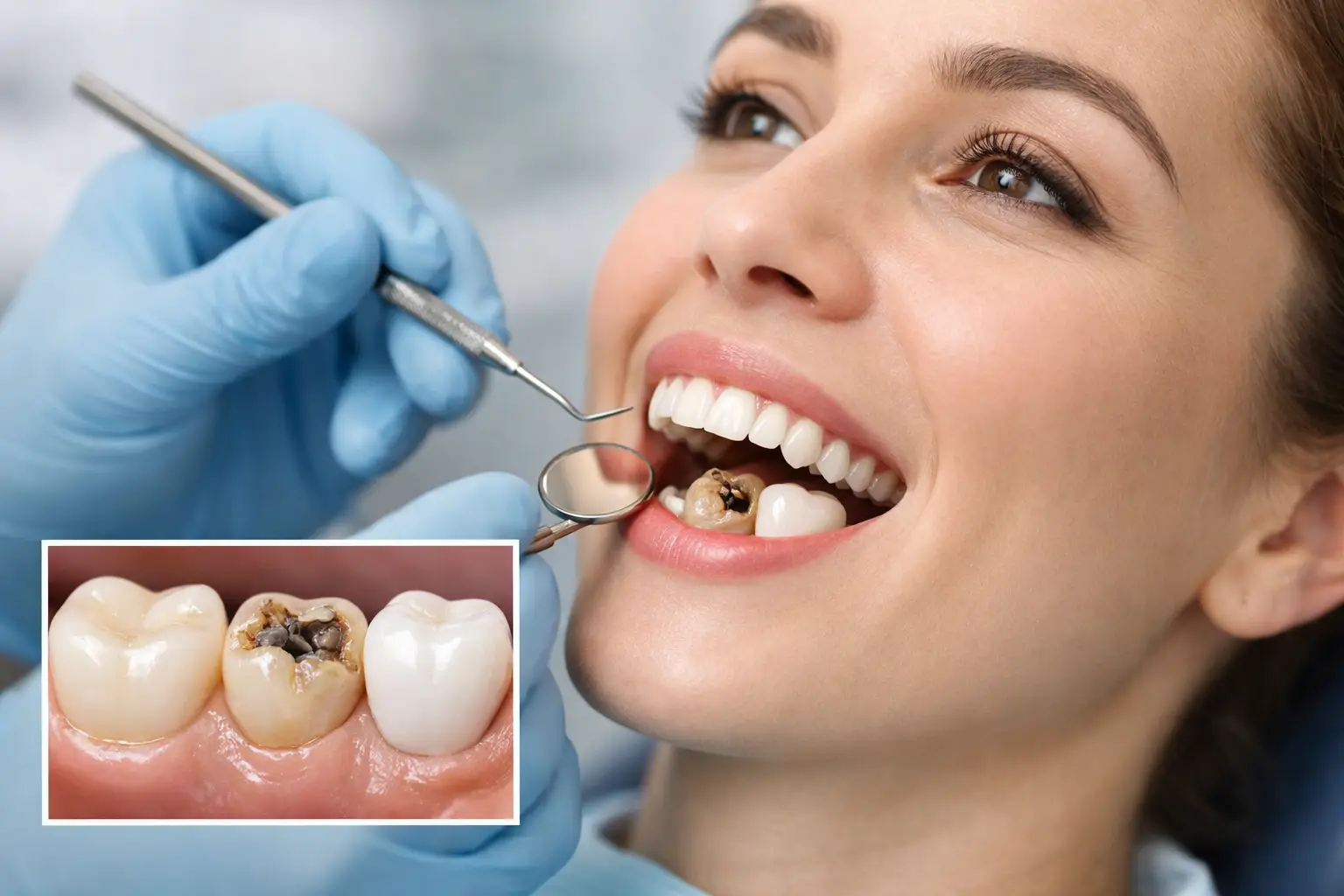
A tooth can look perfectly ordinary and still be too weakened to trust with a hard bite, a sticky toffee or an unexpected knock. If you are wondering when do you need a dental crown, the answer is usually not about making a tooth look better. It is about protecting what healthy tooth structure remains, relieving discomfort and helping you avoid a more extensive problem later.
A crown is a custom-made covering that fits over a prepared tooth. It restores the tooth’s shape, strength and appearance, allowing it to function more comfortably in everyday life. The right treatment depends on the condition of the tooth, how much sound structure is left and the way your teeth meet when you bite.
When do you need a dental crown?
A crown may be recommended when a tooth is too damaged or weakened for a filling to provide dependable long-term support. Fillings are excellent for repairing small to moderate areas of decay or damage, but they rely on the remaining tooth around them. When that tooth is thin, cracked or extensively restored, it may be more likely to fracture.
Common situations where a crown may be the most appropriate option include:
- A tooth has a large filling and little natural tooth structure left to support it.
- A tooth has cracked, broken or worn down, particularly if it hurts when biting.
- A tooth has had root canal treatment and needs protection from fracture.
- Decay has caused substantial damage but the tooth can still be saved.
- A crown is needed to support a bridge or complete an implant restoration.
- A tooth is misshapen, severely discoloured or otherwise compromised in a way that cannot be predictably improved with a more conservative treatment.
Not every cracked or heavily filled tooth needs a crown immediately. In some cases, a smaller restoration such as an onlay may preserve more of the natural tooth while still strengthening the damaged area. In others, a new filling may be sufficient. A careful examination, often supported by X-rays, helps determine which approach is safest and most proportionate.
Signs a tooth may need more than a filling
Pain is not always the first warning sign. Teeth can become structurally weak over years, especially after repeated fillings or decay, without causing obvious symptoms. Your dentist may identify a risk at a routine check-up before the tooth breaks.
That said, there are symptoms worth arranging an appointment for. Pain or sharpness when biting can indicate a crack or a failing restoration. Sensitivity to hot, cold or sweet foods may point to decay, a gap around an old filling or irritation inside the tooth. You may also notice that part of a tooth has chipped away, that a filling feels loose, or that food repeatedly catches in the same area.
If a tooth has fractured, it is sensible to seek advice promptly even if discomfort settles. A small break can sometimes be repaired simply, while a deeper fracture may allow bacteria to enter the tooth. Early assessment gives the best chance of keeping treatment straightforward.
Why crowns are often used after root canal treatment
Root canal treatment removes infection or inflammation from inside a tooth, helping to preserve it rather than remove it. However, a tooth that has needed this treatment has often already lost a significant amount of structure through decay, previous fillings or fracture.
Back teeth in particular absorb considerable chewing forces. Once root canal treatment is complete, a crown or other protective restoration may be recommended to reduce the chance of the tooth splitting. The decision is individual: a front tooth with plenty of sound structure may not always need a full crown, whereas a heavily restored molar often benefits from stronger coverage.
The aim is not to overtreat. It is to choose a restoration that gives the tooth a realistic chance of lasting well under normal use.
What a dental crown can and cannot fix
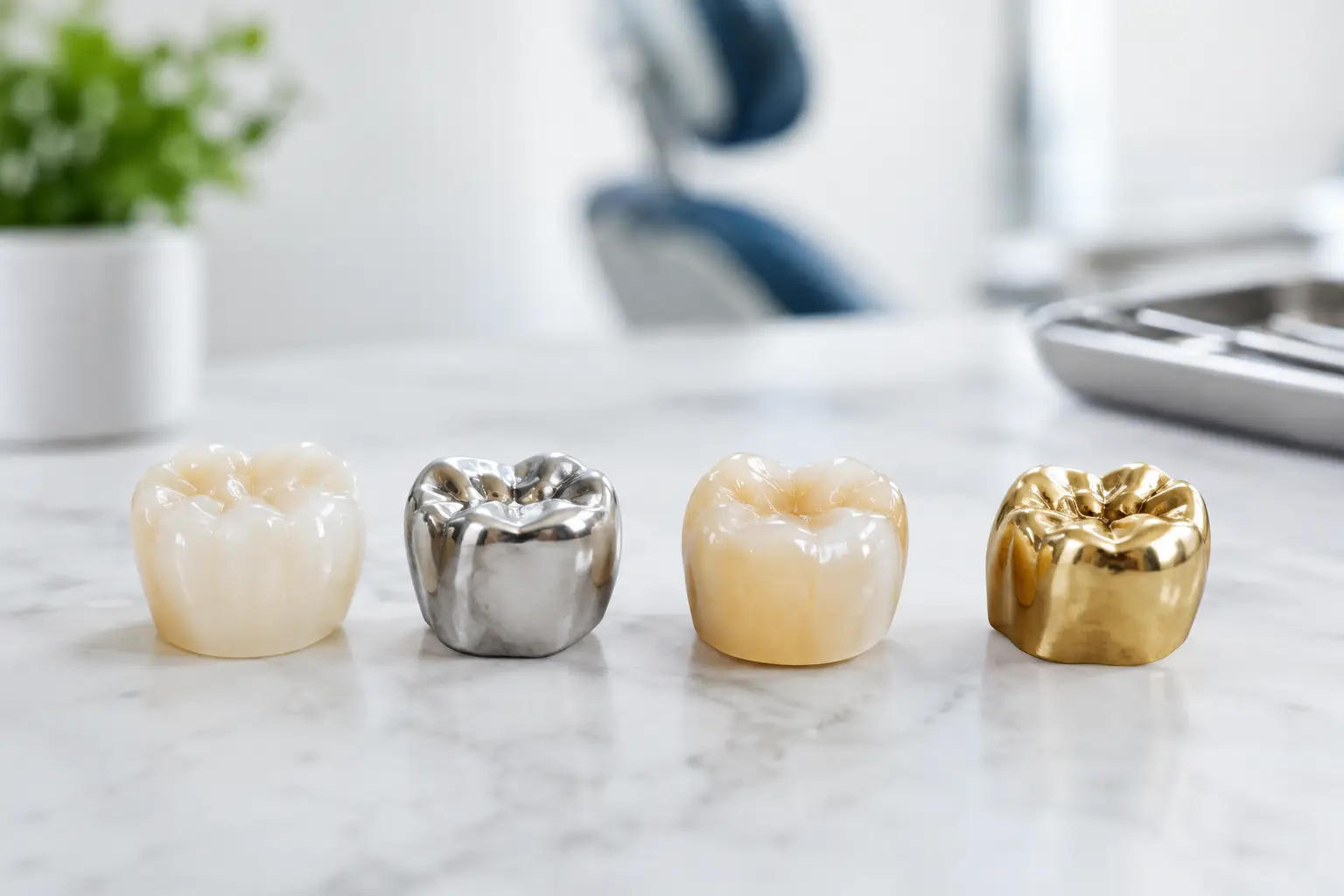
A well-made crown can restore function and create a natural-looking result. Modern crowns may be made from ceramic, porcelain fused to metal, gold alloy or other durable materials. The most suitable choice depends on the position of the tooth, the forces placed on it, your bite and the appearance you would like to achieve.
Crowns can strengthen a weakened tooth, replace missing outer tooth structure and improve the appearance of a damaged tooth. They are also used over dental implants, where the crown becomes the visible replacement tooth.
A crown cannot solve an untreated infection at the root, active gum disease or a crack that extends too far below the gum line. If a tooth is not restorable, removal and replacement options such as a bridge, denture or implant may need to be discussed. This can be disappointing to hear, but an honest assessment avoids investing in a restoration with a poor prognosis.
The dental crown process
Crown treatment is usually completed over two appointments, although the exact process can vary. At the first visit, the dentist assesses the tooth and discusses the planned treatment, including whether any decay, old filling material or infection needs to be addressed first. Local anaesthetic is used where needed to keep you comfortable.
The tooth is then carefully shaped to create room for the crown. An impression or digital scan is taken so that the dental laboratory can make a crown designed for your tooth and bite. A temporary crown may be fitted to protect the tooth while the final restoration is being made.
At the fitting appointment, the temporary crown is removed and the final crown is checked for fit, appearance and bite before being cemented securely in place. It can take a short time to become accustomed to the feel of a new crown, but it should not remain painful or make biting difficult. If it feels high or uncomfortable, contact the practice so it can be reviewed.
For nervous patients, it can help to discuss your concerns at the outset. Knowing what will happen at each stage, having time to ask questions and agreeing a comfortable pace can make treatment feel far more manageable.
Is a crown always the best option?
Preserving healthy tooth tissue is a key principle of good restorative care. A crown involves shaping the tooth, so it is not automatically the first choice simply because a tooth has a large filling or does not look as you would like it to.
A filling may be appropriate for a smaller cavity or chip. An onlay can cover and protect one or more weakened cusps without surrounding the entire tooth. Bonding or a veneer may be considered where the main concern is cosmetic and the tooth is otherwise sound. Conversely, if a tooth is extensively weakened, choosing a smaller restoration purely to avoid a crown can increase the chance of it failing or breaking later.
Your dentist should explain the benefits, limitations and expected lifespan of each sensible option, along with the likely costs. The best choice balances conservation of tooth tissue with dependable function and long-term oral health.
Looking after a crowned tooth
A crown itself cannot decay, but the tooth beneath it and the gum around it still need daily care. Brush twice a day with fluoride toothpaste, clean between your teeth every day and attend regular check-ups and hygiene visits as advised. Particular attention around the edge where crown meets tooth can help prevent decay developing there.
Avoid using any tooth, crowned or natural, to open packaging or bite hard non-food items. If you clench or grind your teeth, a protective night guard may be recommended, especially if there are signs of wear or repeated fractures. Crowns are designed for normal eating, but very hard foods and persistent grinding can place any restoration under extra strain.
A crown may last many years with good care, but it is not a permanent guarantee. It can eventually wear, chip, loosen or need replacement, and the underlying tooth can still develop problems. Regular reviews allow small concerns to be addressed before they become urgent.
When to seek prompt advice
Contact a dentist promptly if a crown comes loose, breaks, causes persistent pain or is associated with swelling. Keep any piece that has come away if you can, but do not attempt to glue it back yourself. Household adhesives are not safe for use in the mouth and can make proper repair more difficult.
If you have severe toothache, facial swelling, a fever, difficulty swallowing or trouble breathing, seek urgent dental or medical advice. These symptoms can indicate an infection that needs timely care.
At 4 Great Stuart Street, decisions about crowns are made with the wider health of your mouth in mind, not simply the appearance of one tooth. A calm assessment can clarify whether a crown is the right protection, whether a more conservative repair is possible, or whether another option would serve you better. Acting when a tooth first shows signs of weakness often leaves you with more choices and a simpler path back to comfortable eating.