A Tooth Whitening Treatment Guide for Safer Smiles
This tooth whitening treatment guide explains safe dental options, realistic results and aftercare, helping Edinburgh patients choose confidently today.
A brighter smile can feel like a small change with a noticeable effect, particularly when staining has built up gradually through coffee, tea, red wine or smoking. This tooth whitening treatment guide explains what professional whitening involves, who it can help and why an assessment with a dentist should come before any cosmetic decision.
Whitening is not about creating an artificial-looking smile. Done carefully, it can lift the natural shade of your teeth while keeping the result appropriate to your features and preferences. The right approach is personal: some patients want a subtle refresh before a wedding or professional event, while others are looking to reduce years of visible staining.
What professional tooth whitening can treat
Teeth naturally vary in shade. Over time, pigments from food and drink can settle into the tooth surface, making enamel appear more yellow, grey or dull. Professional whitening works by using a carefully controlled whitening gel to break down these stains.
It is often effective for external staining associated with tea, coffee, red wine, tobacco and normal ageing. The degree of improvement depends on your starting shade, the type of staining and how consistently the treatment is used. Some people see a clear change quickly; for others, the result develops more gradually over the course of treatment.
Not every discolouration responds in the same way. A tooth that has darkened following trauma or root canal treatment may need a different approach, sometimes called internal whitening. Marks caused by certain medications, developmental conditions or enamel changes can also be more complex. Your dentist can explain what is realistic before treatment begins, rather than promising a uniform shade that may not be achievable or natural.
Why a dental assessment comes first
Whitening is a cosmetic treatment, but it still needs healthy foundations. A dentist will check for decay, gum disease, exposed roots, cracked teeth, leaking fillings and signs of sensitivity. Whitening gel should not be used to mask a problem that needs treatment first.
This appointment is also the time to discuss your goals. It helps to bring a practical view of what you would like to change. A lighter, fresher appearance is usually a more useful aim than trying to match a heavily edited photograph or someone else's smile.
In the UK, teeth whitening containing the permitted level of hydrogen peroxide must be provided by, or under the direct supervision of, a registered dental professional. This is an important safeguard. It means your treatment is based on an examination, appropriate products and advice from someone who understands your oral health history.
Professional whitening options
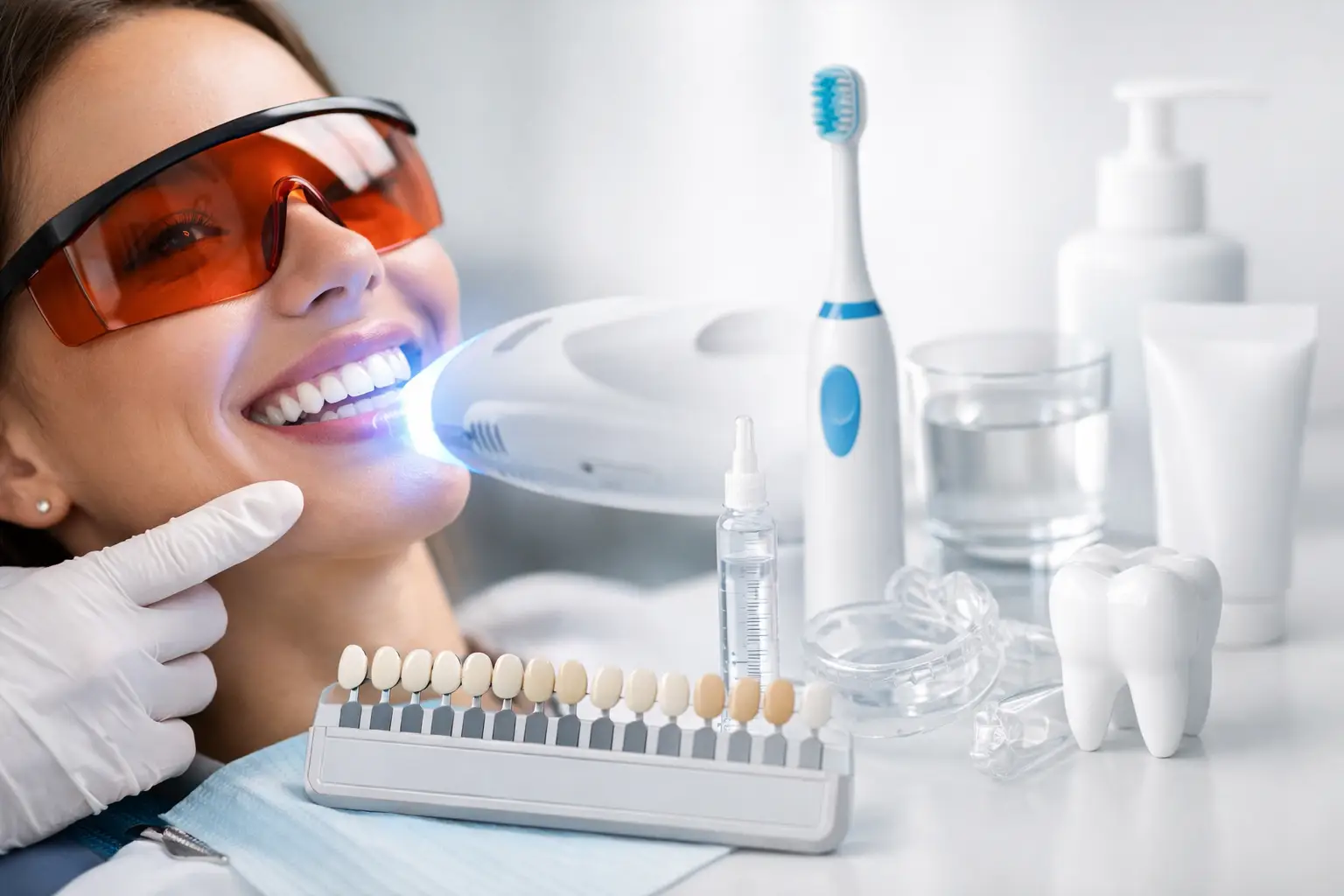
At-home whitening with custom trays is a common and well-established option. Your dentist takes impressions or a digital scan to create trays that fit closely over your teeth. You place a small amount of whitening gel in the trays and wear them as instructed, often for a set period each day or overnight.
The benefit of custom trays is control. They hold the gel where it is needed and help limit contact with the gums. You can usually build your shade gradually, which many patients find reassuring. Treatment times vary, but often run over one to several weeks depending on the product, starting shade and desired result.
Some practices may offer an in-practice whitening procedure, sometimes alongside home treatment. This can appeal if you want a clinician-led appointment or have a particular deadline. It is not automatically better for every patient, however. A dentist will advise on the option that suits your teeth, schedule and level of sensitivity rather than treating speed as the only measure of success.
Whitening toothpastes and supermarket products can be useful for removing some surface staining, but they do not produce the same change as professionally prescribed whitening. Abrasive products may also be unhelpful if used too aggressively, especially where enamel is already worn or teeth are sensitive.
The important limitation: whitening does not change restorations
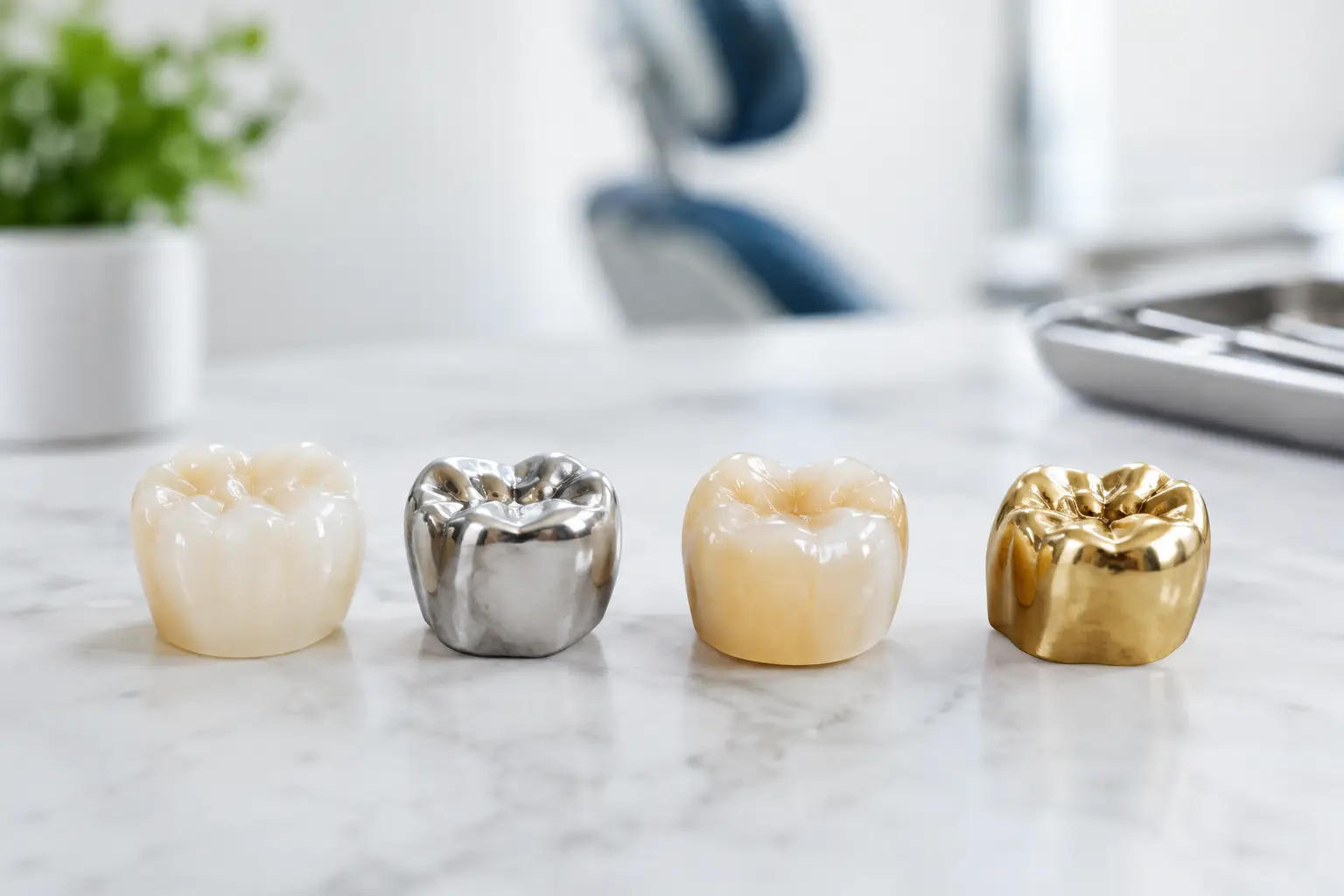
Whitening gel affects natural tooth tissue only. It will not lighten crowns, veneers, bonding, fillings, bridges or dentures. This matters if you have a visible restoration at the front of your mouth, as it may appear darker once the surrounding teeth become lighter.
For this reason, dentists often recommend whitening natural teeth before selecting the final shade for new cosmetic work. Existing restorations do not always need replacing, particularly if the difference is minor, but it is sensible to consider the overall appearance in advance. A careful treatment plan avoids unnecessary dentistry while giving you a clear idea of the likely outcome.
Is tooth whitening uncomfortable?
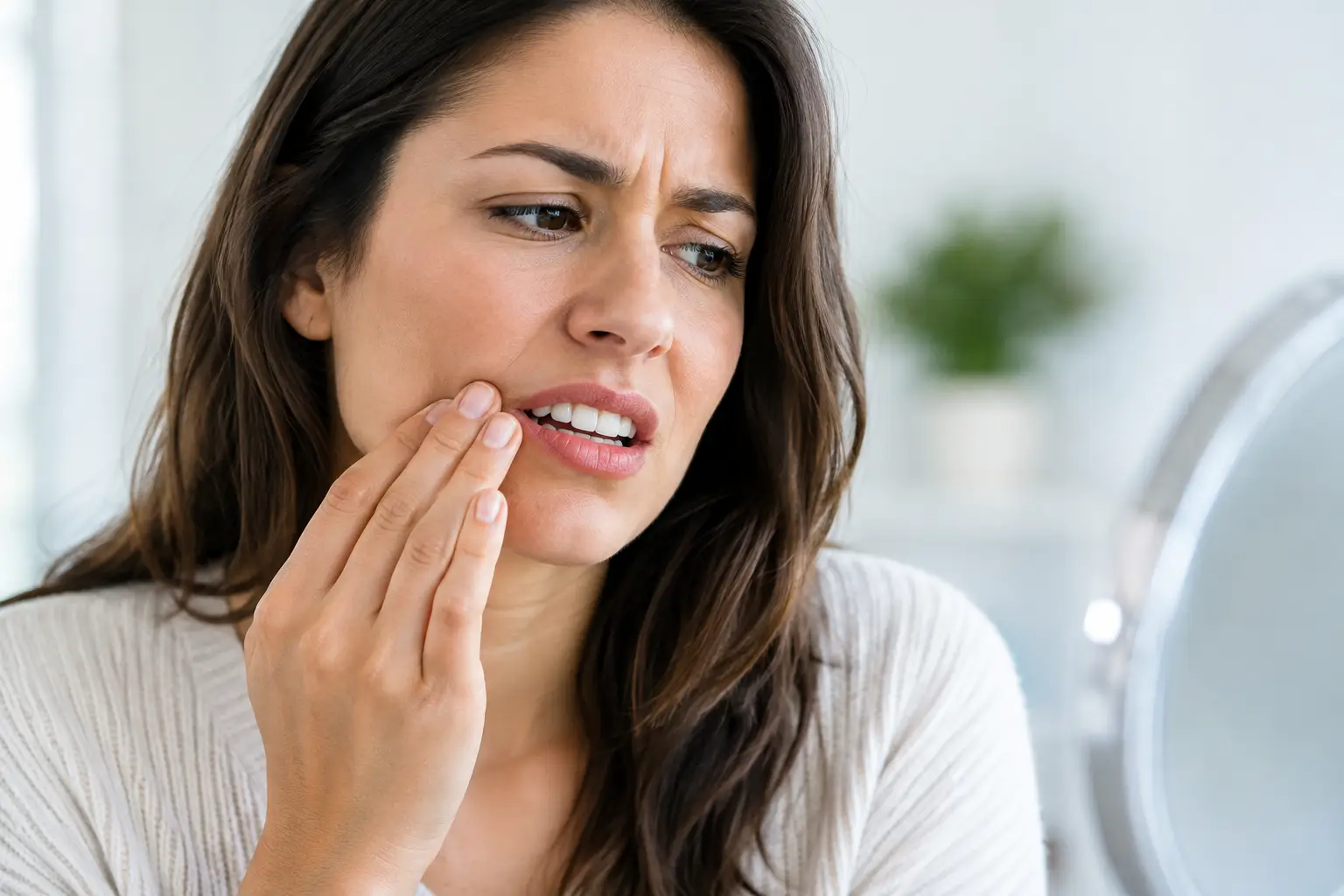
Temporary sensitivity is the most common side effect. You may notice brief twinges, particularly with cold drinks or while using the trays. This is usually manageable and settles once treatment is paused or completed.
If sensitivity develops, do not simply push through it. Contact your dental team for advice. They may suggest reducing the wearing time, taking a short break, using treatment on alternate days or trying a desensitising toothpaste. In some cases, whitening may not be suitable until underlying sensitivity, gum recession or enamel wear has been addressed.
The gel can also irritate gums if too much is placed in a tray or if a poorly fitting tray allows it to spill over. Custom-made trays and clear instructions reduce this risk. Whitening should feel straightforward, not painful. Any ongoing pain, swelling or marked irritation needs professional review.
Preparing for treatment
A scale and polish is not always required immediately before whitening, but removing plaque and surface deposits can help you start from a clean baseline. Keeping up with routine brushing and interdental cleaning is equally valuable. Whitening does not replace preventive care, and healthy gums do as much for the appearance of a smile as a lighter tooth shade.
Before starting, tell your dentist if you are pregnant or breastfeeding, have a history of severe tooth sensitivity, are taking medication, or have recently had dental treatment. Whitening is generally intended for adults, and suitability is always considered individually.
It is also worth arranging treatment around your diary. If you are whitening for an occasion, allow enough time for the planned course, any sensitivity adjustments and a chance for the shade to settle. Beginning the night before a major event is rarely the calmest option.
Looking after your result
A whitening result is not permanent because teeth continue to encounter everyday staining. How long it lasts varies with diet, oral hygiene, smoking and your natural tooth shade. Many patients find that occasional, dentist-approved top-up treatment helps maintain a shade they enjoy.
During and shortly after whitening, reducing deeply coloured foods and drinks can help. Tea, coffee, red wine, curry, berries and tobacco are common sources of new staining. You do not need to avoid every favourite food indefinitely, but rinsing with water after staining drinks, using a straw where appropriate and maintaining good cleaning habits can make a difference.
Avoid buying unregulated whitening products online or using salon treatments that are not supervised by a dental professional. The concern is not only whether they work. The concentration, fit, ingredients and advice may be unclear, while decay, gum problems or sensitivity can go unnoticed.
Choosing treatment with confidence
The most successful whitening plans are measured rather than rushed. They begin with healthy teeth and gums, take account of fillings or crowns, and leave room to adjust if sensitivity occurs. A dentist should be willing to explain the likely benefits, limitations, fees and aftercare in plain language.
At 4 Great Stuart Street, we believe cosmetic care should feel safe, ethical and relaxed. If you are considering whitening, a consultation offers the space to ask questions, discuss your desired shade and decide whether treatment is right for you. A well-cared-for smile does not need to be the brightest in the room to look healthy, confident and distinctly your own.