Repairing Old Fillings: When Is It Time?
Repairing old fillings can protect teeth before decay spreads. Learn the signs, treatment options and when to arrange a dental examination in Edinburgh.

A filling is designed to restore a tooth, not necessarily to last forever. If a filling has become rough, cracked, stained around the edge or uncomfortable when you bite, repairing old fillings may protect the tooth before a small problem becomes a more involved one.
For many people, an old filling causes no obvious pain at first. That is why routine examinations matter: a dentist can often spot wear, tiny gaps or early decay around a restoration before the tooth becomes sensitive or breaks. At 4 Great Stuart Street, the aim is always to preserve as much healthy tooth structure as possible, with advice that is clear, proportionate and suited to your individual needs.
Why do old fillings need attention?
Fillings sit in a demanding environment. Every day, they cope with biting pressure, changes in temperature, acidic foods and drinks, and the normal movement of the tooth. Over time, the material itself can wear down or fracture. The tooth around it can also change.
A filling does not usually fail because it has simply reached a particular age. Some remain sound for many years, while another may need attention sooner because of heavy grinding, a hard bite, decay at the edge of the filling or damage from biting on something hard. Large fillings in back teeth are generally under greater pressure than small fillings near the front of the mouth.
The concern is not simply the appearance of an ageing restoration. If a gap forms between the filling and tooth, bacteria can enter and decay can develop underneath. This is often hidden from view. Left untreated, the decay may extend deeper into the tooth, increasing the likelihood of needing root canal treatment, a crown or, in severe cases, an extraction.
Signs that a filling may be failing
It is sensible to arrange a dental examination if you notice a new rough edge, a small chip, food repeatedly catching around one tooth, or a change in the way your teeth meet when you bite. Sensitivity to cold, heat or sweet foods can also indicate a problem, particularly if it lingers after the trigger has gone.
A dark line around a filling does not always mean there is decay. Older amalgam fillings, for example, can cause harmless staining in the surrounding tooth over time. Equally, a filling that looks acceptable in the mirror may have a weakened edge that is only visible during an examination or on an X-ray. The right next step is an assessment rather than assuming the worst.
Seek prompt advice if a filling has fallen out, a tooth has cracked, or you have persistent pain, swelling or pain when biting. These symptoms do not automatically mean the tooth cannot be saved, but timely care gives the best chance of keeping treatment straightforward.
What happens if a filling falls out?
A lost filling can leave the tooth sensitive and more vulnerable to fracture, especially if it was large. Keep the area clean by brushing gently and rinsing with warm water. Avoid chewing on that side where possible, and take care with very hot, cold or sugary foods if the tooth is sensitive.
Do not attempt to glue a filling back in yourself. Temporary dental repair products may occasionally be useful for short-term protection when professional care is not immediately available, but they are not a substitute for an examination. A dentist needs to identify why the filling came loose and whether decay or a crack is present underneath.
Repairing old fillings: what are the options?
The most appropriate treatment depends on the condition of the filling, the amount of healthy tooth remaining and whether there is decay or a crack. A dentist will examine the tooth, discuss your symptoms and may take an X-ray to assess areas that cannot be seen directly.
Smoothing or polishing a minor defect
A very small rough edge or minor surface wear may sometimes be smoothed and polished. This is the most conservative option, but it is only suitable when the filling remains secure and sealed to the tooth. If there is a gap, fracture or decay, simply smoothing the surface would not resolve the underlying issue.
Repairing part of the filling
In selected cases, it is possible to repair a localised chip or defective area without removing the entire restoration. This can preserve more healthy tooth tissue and may be quicker than a full replacement. It depends on whether the remaining filling is sound and whether the tooth can be kept dry enough for the repair material to bond properly.
Replacing the filling
If a filling is leaking, fractured, worn beyond repair or affected by decay around its edges, replacement is often the most suitable treatment. The old material and any decay are carefully removed, the tooth is cleaned, and a new restoration is placed.
Tooth-coloured composite fillings are a common choice and can be matched closely to the natural shade of a tooth. They are particularly useful where appearance matters, although the final result also depends on the size and position of the restoration. Other materials may be discussed where appropriate, based on strength, longevity and the needs of the individual tooth.
Considering a crown or other restoration
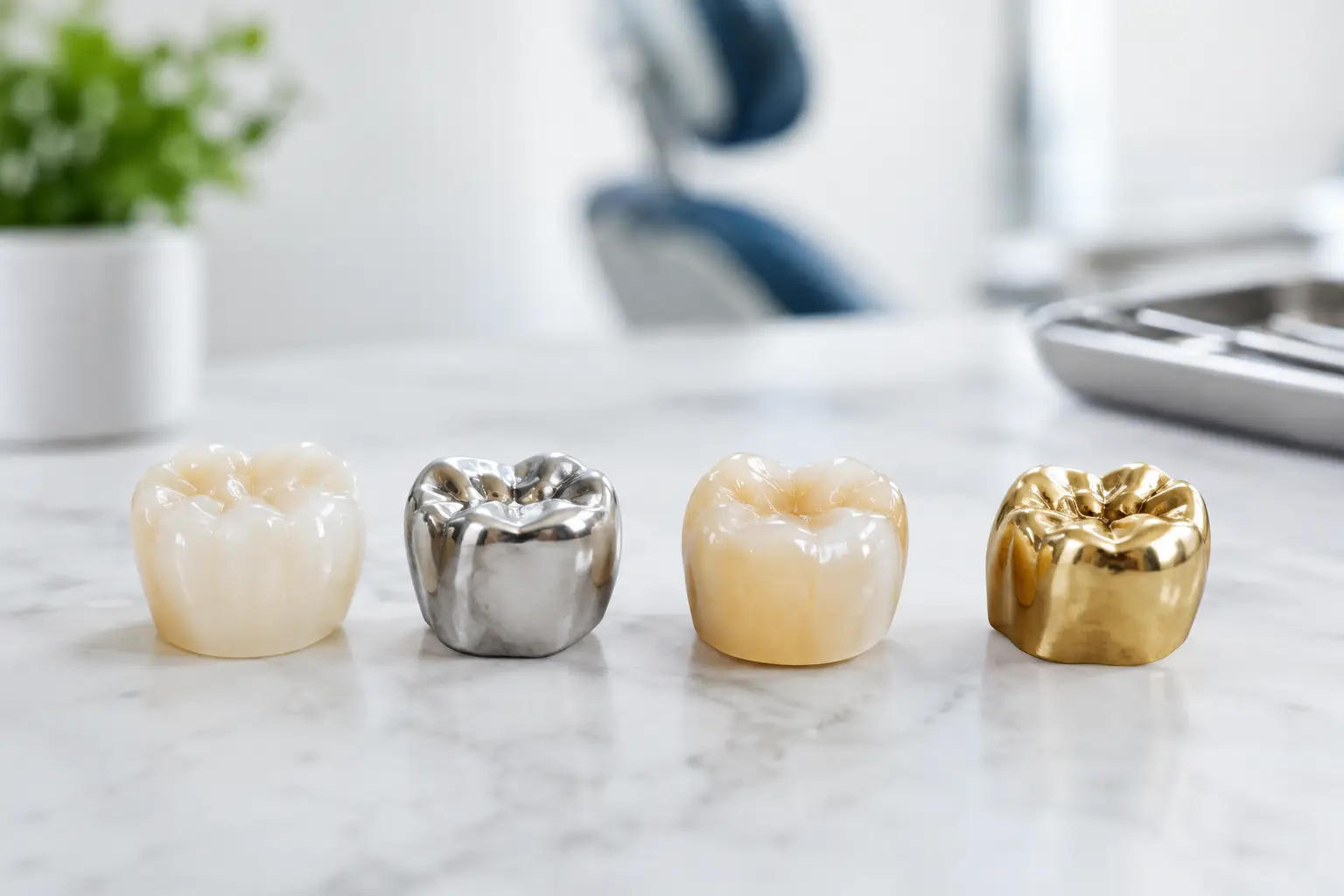
A tooth with a very large old filling may have thin, weakened walls left around it. Replacing a large filling with another filling is not always the best long-term answer, particularly for a back tooth that takes significant chewing force. A crown or another indirect restoration may offer better protection by covering and supporting the remaining tooth.
This is a trade-off worth discussing carefully. A crown involves more treatment and cost than a filling, but it can reduce the risk of the weakened tooth splitting. The decision should be based on the tooth's structure, your bite, the presence of cracks and what is likely to provide a reliable result over time.
Will replacing an old filling hurt?
Modern local anaesthetic is highly effective, and treatment should be planned around your comfort. You may feel vibration, pressure and water from the dental instruments, but you should not feel sharp pain. If you are nervous, tell the dental team before treatment begins. Agreeing a signal to pause can make the appointment feel more manageable and gives you control throughout.
Afterwards, it is common for a tooth to feel mildly sensitive for a few days, especially after a deep filling or when the old restoration was close to the nerve. This should gradually improve. Contact the practice if pain becomes stronger, wakes you at night, lasts beyond a few days or occurs when you bite, as the tooth may need further assessment.
Can you make fillings last longer?
Good daily cleaning and regular dental care give fillings the best chance of lasting well. Brush twice a day with fluoride toothpaste and clean between your teeth each day, as decay often begins where the tooth and filling meet or between neighbouring teeth.
Frequent sugary snacks and drinks increase the risk of decay around fillings. It is usually more helpful to reduce how often sugar is consumed than to focus solely on the amount. Water between meals is a tooth-friendly choice, while acidic drinks are best kept to mealtimes where possible.
If you clench or grind your teeth, a custom-made night guard may help protect fillings and teeth from excessive force. Mention jaw tension, headaches on waking or repeated chips to your dentist, as these can all be signs that your bite is placing extra strain on restorations.
When should you book an appointment?
Book a routine appointment if an old filling looks different, feels rough or has become sensitive. Arrange urgent advice if you have significant toothache, swelling, a broken tooth or a filling that has fallen out and is causing discomfort. Early assessment often means a smaller repair, more predictable treatment and a better chance of retaining the natural tooth.
An old filling is not automatically a problem, and replacing every ageing restoration is rarely necessary. What matters is whether it is still protecting the tooth effectively. If you are unsure, a calm examination can provide reassurance and, where treatment is needed, a clear plan for looking after your smile for the years ahead.