Repairing Chipped Tooth Options Explained
Learn about repairing chipped tooth options, from smoothing and bonding to crowns and veneers, and when to seek prompt dental care.
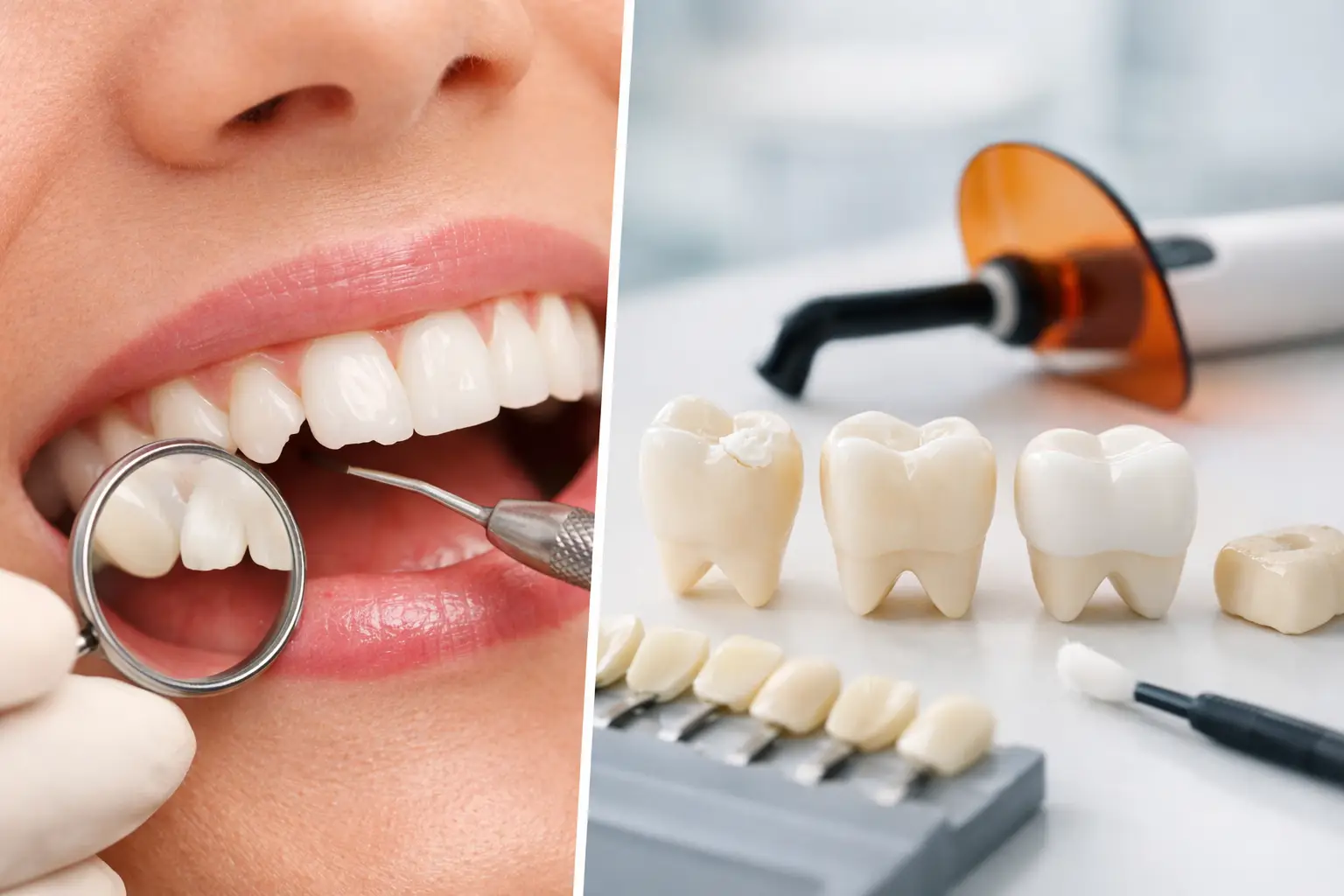
A chipped tooth often happens at the wrong moment - during lunch, after an accidental knock, or when biting into something harder than expected. For many patients, the first question is simple: what are the repairing chipped tooth options, and how quickly should I act?
The answer depends on where the chip is, how much tooth structure has been lost, and whether there is pain, sensitivity or a visible change in appearance. Some chips are minor and mainly cosmetic. Others expose deeper layers of the tooth and need prompt attention to prevent further damage. A calm assessment by a dentist is the best starting point, because the right treatment is not always the most obvious one.
Repairing chipped tooth options: what determines the right choice?
A small nick on the edge of a front tooth is very different from a larger fracture on a back tooth that takes the force of chewing. Dentists usually look at several factors before recommending treatment. These include the size and position of the chip, whether the nerve is affected, your bite, and how much healthy tooth remains.
Appearance matters too, particularly if the chip is on a visible front tooth. In some cases, the priority is restoring a natural shape and colour. In others, strength and long-term protection come first. That is why two patients with what seems like the same problem may be advised to have different treatments.
If the tooth is painful, feels sharp, reacts to hot or cold, or the chip happened after trauma, it is wise to arrange an appointment sooner rather than later. Even a tooth that looks manageable can have a crack extending further than is visible.
Minor chips can sometimes be smoothed or polished
For very small chips, especially where only the enamel is affected, the simplest option may be smoothing the rough edge. This is often enough when the tooth is healthy, the shape can be refined conservatively, and there is no sensitivity.
This approach is quick and gentle, but it suits only limited damage. If smoothing the edge would noticeably shorten or flatten the tooth, another option may give a better aesthetic result. Conservative treatment is usually preferable when appropriate, but only if it leaves the tooth looking and functioning naturally.
Composite bonding is often the most straightforward repair
Composite bonding is one of the most common treatments for a chipped tooth, particularly at the front of the mouth. Tooth-coloured composite resin is shaped directly onto the tooth and polished to blend with the surrounding enamel.
Patients often like bonding because it is relatively conservative. Less natural tooth usually needs to be removed compared with more extensive restorations, and the result can often be achieved in a single visit. It is especially useful when the chip is visible but not structurally severe.
That said, composite is not perfect in every situation. It can stain over time, particularly in patients who drink a lot of tea, coffee or red wine, and it may chip again if the bite places excess pressure on that area. For smaller defects, though, it can be an excellent balance of appearance, preservation of tooth tissue and cost.
Fillings may be used when the chip affects a back tooth
When a molar or premolar has chipped, a filling may be the most practical repair if the damaged area is moderate and the remaining tooth is still strong enough. Back teeth do a different job from front teeth. They carry much greater chewing forces, so the decision is less about cosmetic detail and more about rebuilding support and function.
A tooth-coloured filling can restore the missing section and help prevent food trapping or further breakdown. However, if too much of the tooth has been lost, a filling alone may not be durable enough. This is where a more protective restoration may be advised.
Veneers can help when the concern is largely cosmetic
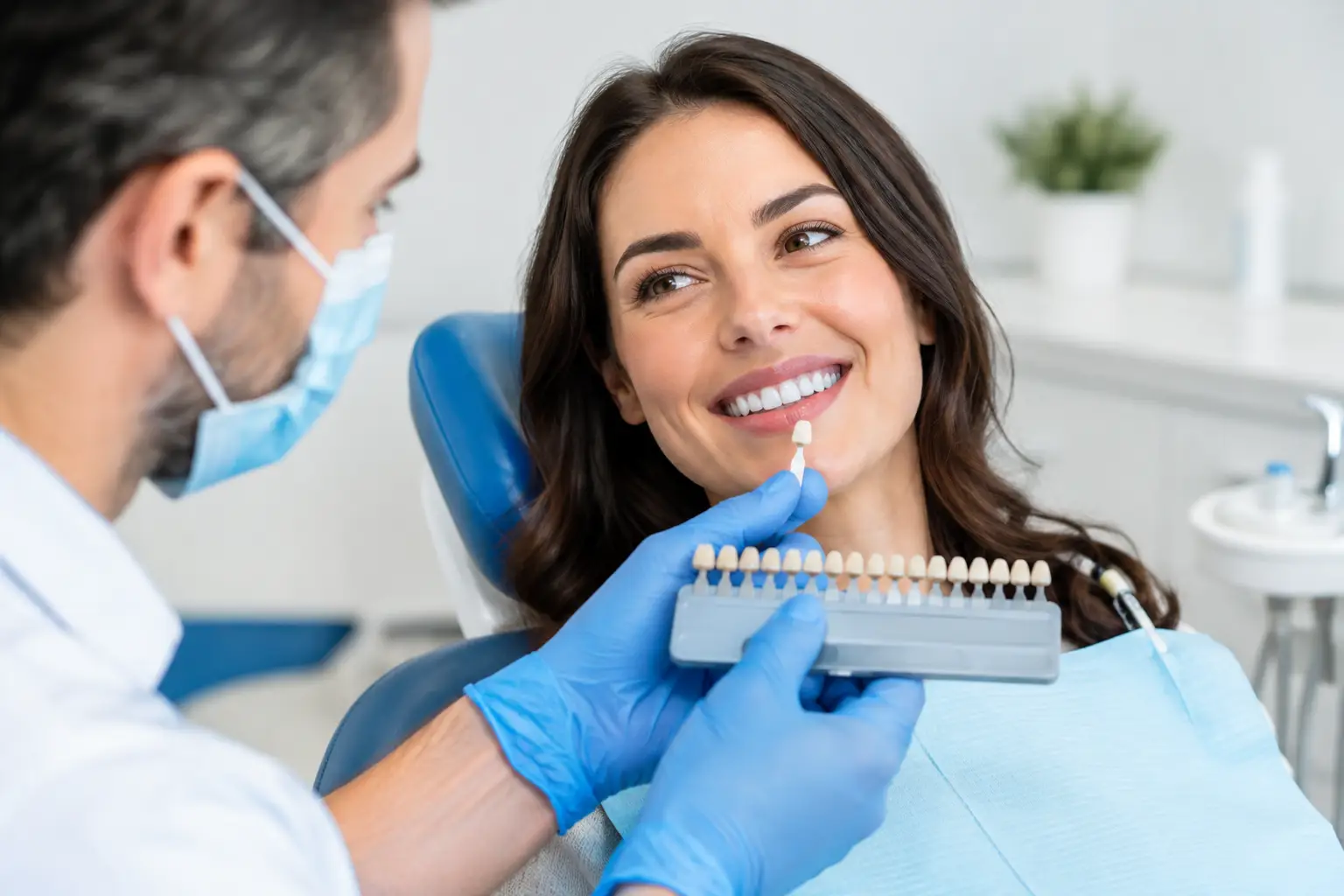
For front teeth with a chip that affects appearance more than overall strength, a veneer may be worth considering. Veneers are thin coverings placed over the front surface of the tooth to improve shape, size and colour.
They are not usually the first choice for every chipped tooth, and they tend to be more appropriate in planned cosmetic treatment rather than urgent repair. If a patient already has concerns about worn edges, uneven teeth or staining, a veneer may provide a more refined and longer-lasting aesthetic result than direct bonding.
The trade-off is that veneers generally involve more planning and a greater commitment than a simple repair. They can be an excellent option in the right case, but they are not the most conservative answer for every chip.
Crowns are used when the tooth needs more protection
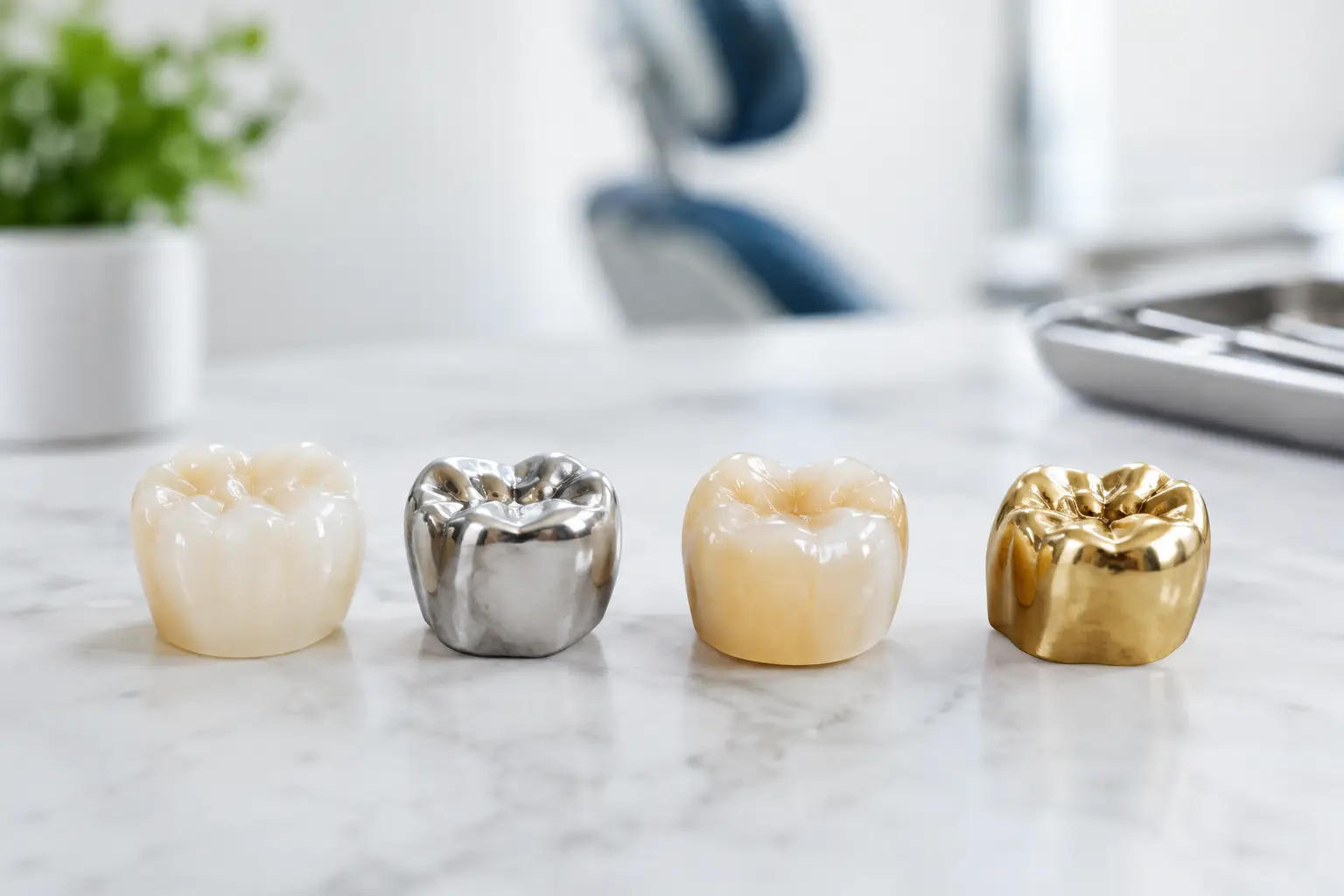
If a large portion of the tooth has fractured, or the remaining tooth is weakened by previous fillings or decay, a crown may be the safest long-term option. A crown covers and protects the tooth more fully, helping it cope with day-to-day forces.
This is often recommended for back teeth with more substantial structural loss, though it can also apply to front teeth after significant trauma. Where bonding or a filling would be at higher risk of failing, a crown can offer better durability and reassurance.
The downside is that crowns are more involved than simpler repairs. The tooth usually needs more preparation, and treatment may take longer. Even so, when strength and longevity are the main priorities, a crown is often the more dependable choice.
If the nerve is affected, root canal treatment may be needed
Not every chipped tooth is just a surface issue. If the chip is deep enough to expose the inner part of the tooth, or if trauma has damaged the nerve, root canal treatment may be required before the tooth is restored.
This tends to be the case where there is significant pain, lingering sensitivity, swelling, or darkening of the tooth after an injury. Understandably, patients can feel anxious when they hear this, but the purpose is straightforward: to save the tooth and remove infection or inflammation from within it.
After root canal treatment, the tooth may still need bonding, a filling or a crown depending on how much structure remains. The repair and the internal treatment are often part of the same overall plan.
What to do before your appointment
If you chip a tooth, rinse your mouth gently with warm water and keep the area clean. If there is swelling, a cold compress on the outside of the face may help. Try to avoid biting on the damaged tooth, particularly if the edge is sharp or the tooth feels weak.
If you can find the broken piece, keep it and bring it with you, though it is not always possible to reuse it. Over-the-counter pain relief may help if needed, provided it is suitable for you. What matters most is avoiding delay if the tooth is painful, bleeding, loose, or damaged after a fall or blow.
Repairing chipped tooth options after an accident
A chipped tooth caused by trauma needs especially careful assessment. Even if the visible chip seems small, there may be hidden damage to the root, surrounding bone or neighbouring teeth. In children and adults alike, prompt examination can make a real difference.
This is one reason same-day emergency dental care can be so valuable. A practice built on trust will focus first on making you comfortable, checking for urgent problems and explaining the options clearly. Once the tooth has been assessed properly, treatment can be planned with your comfort, budget and long-term oral health in mind.
Cost, longevity and what is best for you
Patients often want one clear answer, but chipped teeth do not always allow for that. Bonding may be the most affordable and conservative option, while a crown may last better where the tooth is heavily compromised. Veneers can produce a very polished result, but they may be more treatment than a simple chip requires.
The best choice usually sits where clinical need, appearance and practicality meet. A careful dentist will not push the most elaborate treatment if a simpler repair will do the job well. Equally, choosing the cheapest option can be false economy if the tooth really needs stronger protection.
At 4 Great Stuart Street, that sort of measured advice matters. Patients are usually reassured not by being offered every possible treatment, but by understanding which option genuinely suits their tooth and why.
A chipped tooth can feel unsettling, particularly when it affects your smile or catches your tongue every time you speak. In many cases, though, it can be repaired very successfully - and the sooner it is assessed, the more straightforward the solution often is.