How Dental Implants Heal After Treatment
Learn how dental implants heal, what to expect week by week, and which signs are normal after treatment for a calmer recovery.
If you are considering implant treatment, one of the first questions is usually how dental implants heal and how long the process really takes. That is a sensible question. Healing is not just about getting over the procedure itself. It is about how the implant settles into the jaw, how the gum responds, and when the new tooth can be placed safely and predictably.
For most patients, healing is steadier and less dramatic than they expect. There is often some tenderness, mild swelling and a few days of adjustment, but the deeper healing happens quietly over several weeks and months. That slower stage matters most because it is what gives a dental implant its long-term strength.
How dental implants heal in the jaw
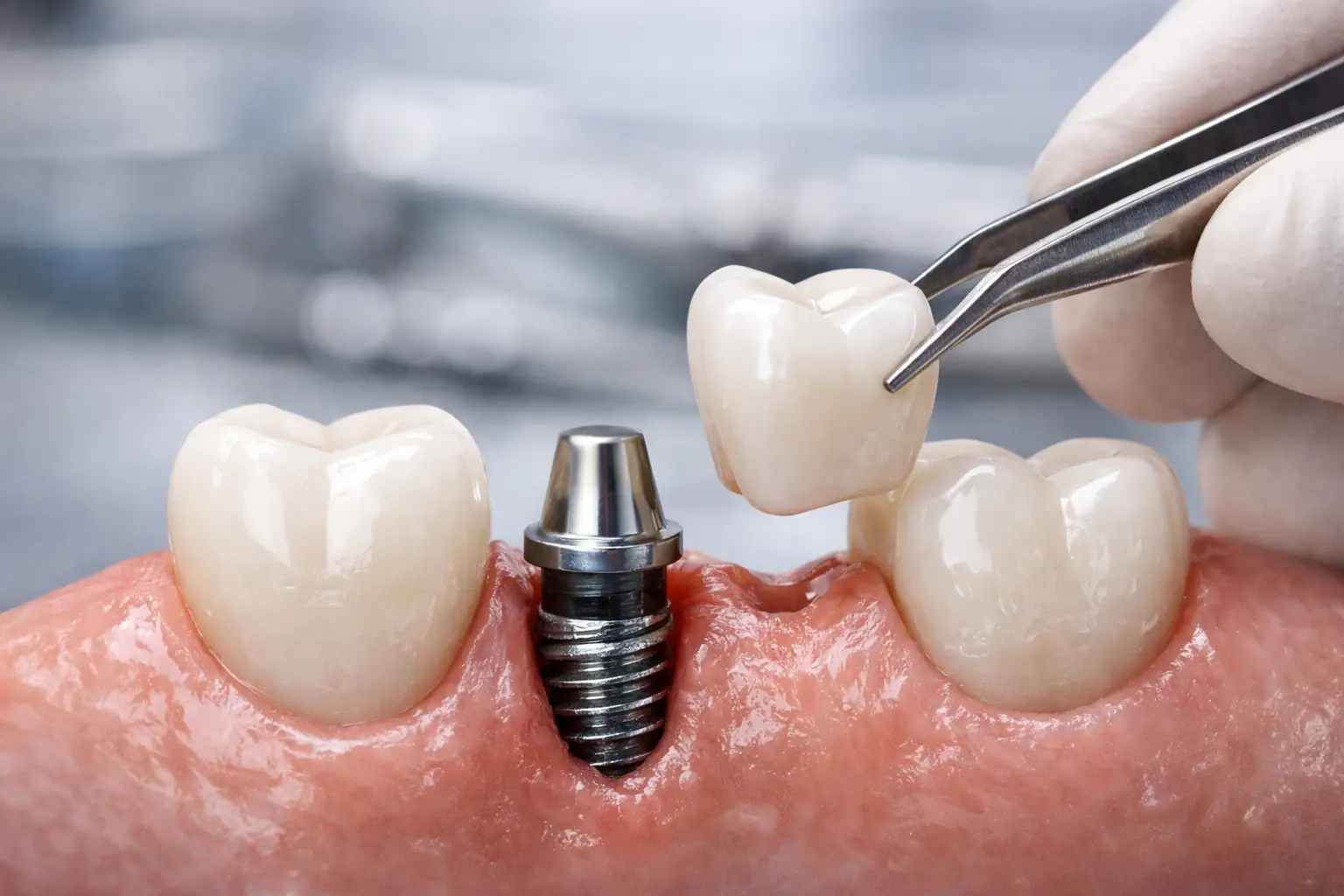
A dental implant is a small titanium post placed into the jawbone to replace the root of a missing tooth. Once it is in position, the body begins a natural healing process called osseointegration. This means the bone gradually grows around the implant surface and bonds with it.
That bond is the foundation of the treatment. Unlike a denture, which rests on the gum, or a bridge, which relies on neighbouring teeth, an implant becomes anchored in the bone itself. This is why healing cannot be rushed. Even when the gum looks settled from the outside, the bone underneath still needs time to mature around the implant.
The exact timetable varies. A healthy patient with good bone quality may heal more quickly than someone who smokes, has gum disease, or needed a bone graft first. The location matters too. Implants in the lower jaw often heal a little faster than those in the upper jaw because the bone is usually denser.
What to expect in the first few days
The first stage of recovery is the one patients notice most. After the implant is placed, it is normal to have some soreness, slight bleeding and swelling. This tends to peak within 48 to 72 hours and then gradually improves. Most people describe it as manageable rather than severe, particularly if they follow the aftercare advice they have been given.
You may be asked to eat softer foods for a period, avoid vigorous rinsing on the first day, and keep the area very clean without disturbing it. Rest helps. So does avoiding smoking and alcohol while the early tissues are repairing. If stitches are used, they may dissolve on their own or be removed at a review appointment.
This early stage is mainly about soft tissue healing. The gum starts closing around the treatment site, inflammation settles, and the area becomes more comfortable. That does not mean the implant is fully healed. It simply means the visible part of recovery is under way.
The weeks after implant placement
Once the tenderness has eased, patients often feel tempted to think the process is finished. In reality, this is when the more important healing work continues below the surface. Over the next several weeks, bone cells remodel around the implant and strengthen the attachment.
This stage usually takes a few months. In straightforward cases, the implant may be ready for the next step in around three months, although some cases take longer. If the bone was thin, if grafting was required, or if there were any pre-existing issues in the area, the healing period may be extended to protect the final result.
Patience here is worthwhile. An implant that is loaded too early can be put under pressure before it is properly stable. Careful timing is one of the reasons implant treatment has such strong long-term success rates when planned well.
How the gum heals around an implant
Gum healing is not only about comfort or appearance. Healthy gum tissue creates a protective seal around the implant and helps keep bacteria away from the deeper structures. This is one reason oral hygiene remains so important during recovery.
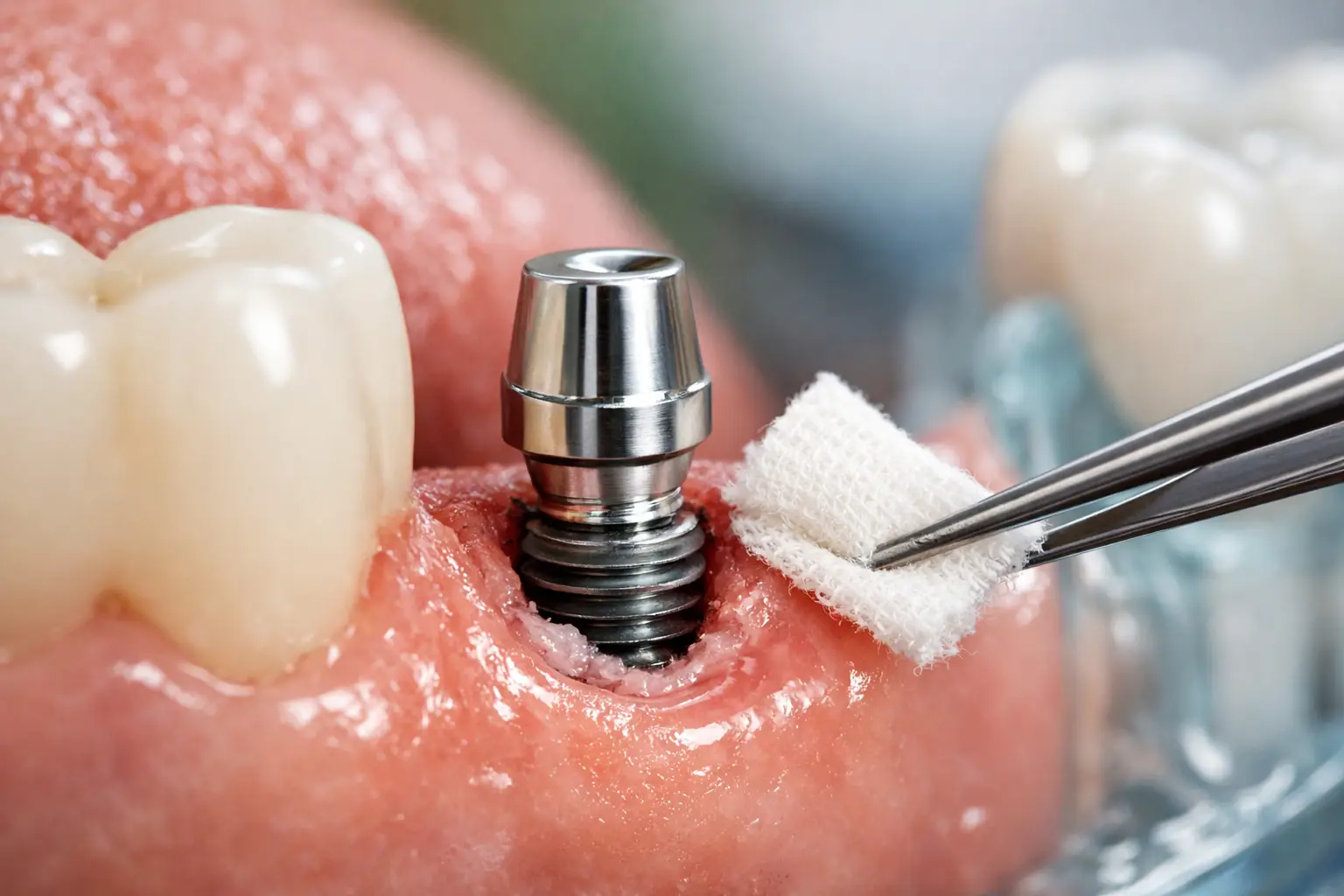
At first, the gum may look slightly puffy or uneven. That usually improves as inflammation settles. If a healing cap is placed, the tissue will gradually shape around it in preparation for the final crown. In some patients, particularly around front teeth, the gum contour is a key part of the cosmetic result, so your dentist may monitor this stage closely.
If the area becomes increasingly red, swollen, painful or starts discharging pus, that is not considered routine healing and should be checked promptly. Most healing is uncomplicated, but careful follow-up helps spot any concerns early.
Factors that affect how dental implants heal
Healing is individual. Two patients can have the same treatment and recover at slightly different speeds. Good general health, stable gums and strong oral hygiene all support better healing. Smoking is one of the clearest risk factors for slower recovery and implant complications because it reduces blood flow and affects tissue repair.
Conditions such as uncontrolled diabetes can also interfere with healing. Teeth grinding may place excess force on an implant, especially during the early stages. Bone quality matters as well. In some areas of the mouth, there is naturally more bone available than in others.
This is why proper assessment matters before treatment begins. A calm, ethical approach is not about rushing ahead with a one-size-fits-all plan. It is about understanding whether the conditions are right, what preparation may be needed, and what healing period will be safest for the individual patient.
When the final tooth is fitted
Once the implant has integrated successfully, the final restoration can be placed. This is usually a crown, although implants can also support bridges or dentures in some cases. Before that point, your dentist will check that the implant is stable and that the surrounding tissues are healthy.
For patients, this is often the moment treatment feels complete. The implant is no longer just a healing site. It becomes a functional part of the mouth again, allowing normal chewing and a more secure, natural feel than many temporary options.
Even then, care does not stop. Implants do not get decay, but the gum and bone around them still need attention. Good cleaning, regular reviews and management of any gum inflammation are essential for long-term success.
A realistic healing timeline
A simple way to think about implant healing is in phases. The first few days are about immediate recovery and settling the soft tissues. The next few weeks bring visible improvement in comfort and appearance. The following months are when the bone bond develops and matures.
Some patients have an implant and a temporary tooth placed on the same day, while others need a staged approach with more healing time between appointments. Neither option is automatically better. It depends on the position of the implant, the bite, the quality of the bone and how much initial stability is achieved at placement.
That is why hearing another person's timeline is only so helpful. Your own treatment plan should reflect your mouth, your health and the safest route to a reliable result.
Signs of normal healing and signs to call about
Mild swelling, bruising, tenderness and slight oozing early on are all common. Gradual day-by-day improvement is the pattern most dentists want to see. It is also normal for the area to feel a little unfamiliar while the gum settles.
What should prompt a call is worsening pain after the first few days, persistent bleeding, significant swelling, fever, a bad taste that does not go away, or a feeling that the implant area is moving. These symptoms do not always mean something serious is wrong, but they do deserve advice.
For nervous patients, this part is worth remembering. You do not need to judge recovery on your own. Good implant care includes review appointments and clear guidance on what is expected at each stage.
Healing well is part of treatment, not an afterthought
Implant dentistry is often spoken about in terms of the finished tooth, but the real work happens during healing. A well-placed implant still needs time, protection and careful follow-up if it is to become a stable long-term replacement for a missing tooth.
At 4 Great Stuart Street, that sort of measured approach matters. Patients are not simply told that healing takes a few months and sent away. They are guided through what is normal, what is not, and how to give the treatment the best chance of lasting well.
If you are thinking about implants, it helps to see healing as part of the investment rather than a delay. The steadier the process, the stronger the outcome is likely to be.