How Crowns Protect Damaged Teeth
Learn how crowns protect damaged teeth by restoring strength, shape and function after cracks, decay or root canal treatment.
A tooth does not need to be missing to cause trouble. Quite often, the real problem is a tooth that is still there but no longer strong enough to cope with normal biting and chewing. That is where understanding how crowns protect damaged teeth becomes useful. A crown does more than improve appearance - it helps a weakened tooth stay functional, comfortable and better protected from further breakdown.
For many patients, the idea of a crown comes up after a filling has failed, a crack has developed, or a tooth has become fragile following root canal treatment. In those situations, the aim is usually not cosmetic first. It is to preserve what can still be saved and to do so in a way that feels stable and long-lasting.
How crowns protect damaged teeth in daily use
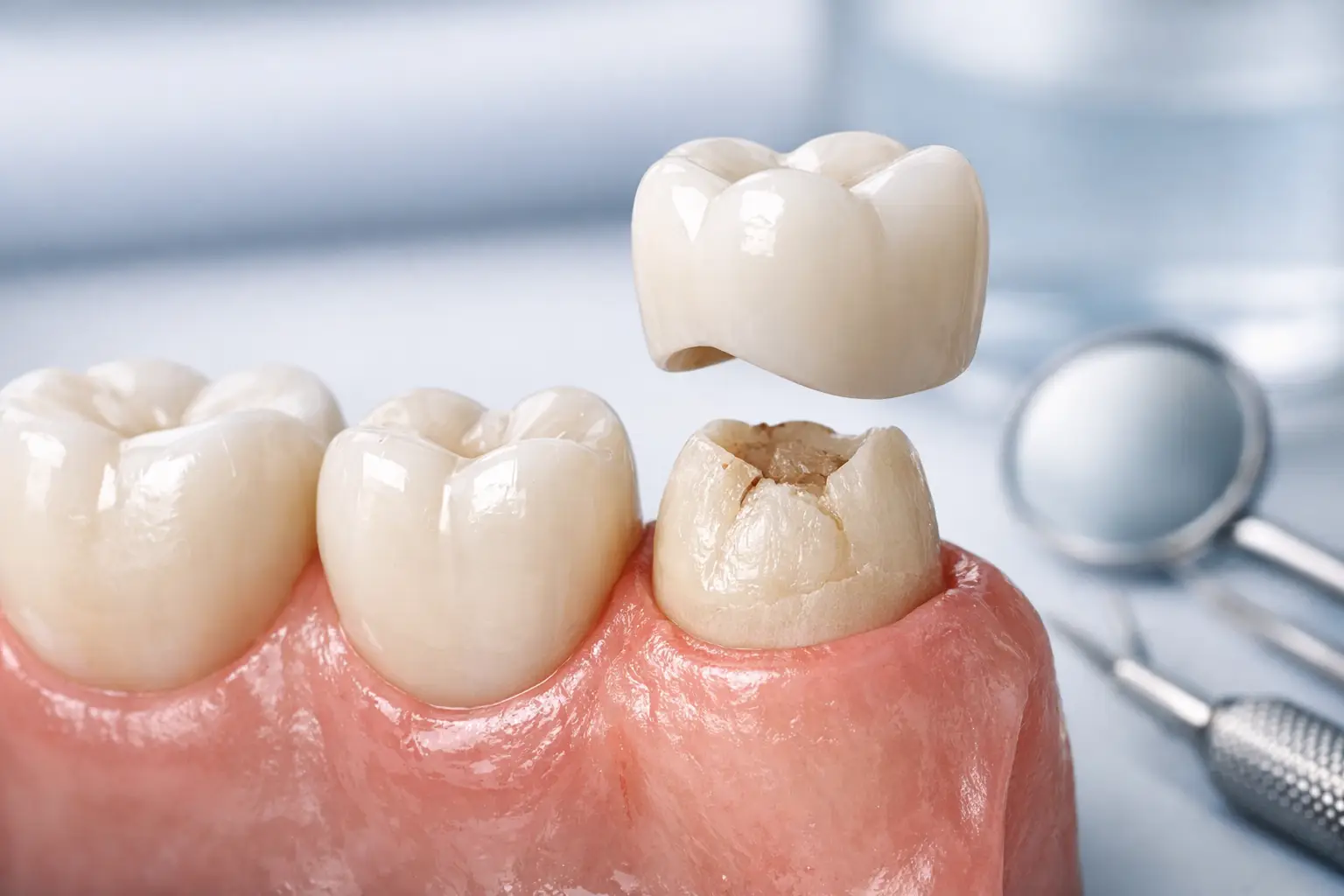
A dental crown is a carefully made cover that fits over a prepared tooth. Once bonded in place, it acts as a protective outer shell. The tooth underneath still matters, but the crown takes on much of the chewing load and helps reduce the risk of the remaining structure splitting or wearing away further.
This is especially important when a tooth has already lost a large amount of natural material. A small filling can repair a localised area, but when the damage is wider, a simple filling may leave thin walls of tooth unsupported. Those weakened edges can fracture under pressure, sometimes quite suddenly when biting into something ordinary.
A crown changes that balance. By surrounding the tooth, it helps hold it together and redistributes force more evenly. That can make a significant difference when eating, speaking and coping with everyday function.
When a crown may be recommended
Not every damaged tooth needs a crown, and a careful assessment matters. In some cases, a new filling is enough. In others, the tooth may be too badly broken to restore predictably. Crowns sit in the middle of that decision-making - often the best option when a tooth is damaged but still worth preserving.
A dentist may suggest a crown if a tooth has:
- a large filling with little healthy tooth left
- been weakened by decay or fracture
- had root canal treatment
- become worn down over time
- broken in a way that affects shape or strength
The common thread is structural compromise. If the remaining tooth is vulnerable, the crown is there to support and protect it rather than simply cover it.
Cracks, fractures and hidden weakness
One of the more difficult issues with teeth is that cracks are not always obvious. A patient may notice pain when biting, sensitivity to cold, or a feeling that something is not quite right. Sometimes the tooth looks largely normal, yet repeated pressure is causing a small split to worsen.
In the right case, a crown can help by bracing the tooth and reducing flex. That support may settle symptoms and help prevent the crack from progressing. However, it depends on how deep the fracture runs. If a crack extends too far below the gum or into the root, a crown may not be enough on its own.
This is why timing matters. A tooth restored before a fracture becomes severe is often in a much better position than one left until the damage is advanced.
Why crowns are often advised after root canal treatment
A root-treated tooth can remain in place for many years, but it is often more brittle than before. That brittleness does not mean the treatment has failed. It simply reflects the fact that the tooth has already been heavily compromised by decay, trauma or infection.
Back teeth in particular tend to need a crown after root canal treatment because they deal with greater chewing forces. Without that extra protection, they are more likely to fracture. Front teeth can be different, as they are not always under the same level of pressure, so the best approach depends on the tooth and the amount of healthy structure left.
When a crown is recommended in this setting, the goal is straightforward: protect the tooth from breaking after the infection has been treated.
Function matters as much as appearance
Patients often associate crowns with improving the look of a damaged tooth, and that can certainly be part of the benefit. A well-made crown can restore a more natural shape, colour and contour. That matters if a tooth is chipped, heavily filled or discoloured.
Still, function usually comes first. If a tooth is uncomfortable to bite on, catches food, or has lost its proper shape, everyday tasks become less predictable. A crown can rebuild the biting surface and help the tooth work more normally again.
That can also protect neighbouring teeth. When one tooth is damaged, people often chew around it without realising. Over time, that uneven pattern can put extra strain elsewhere, including on the jaw.
How crowns protect damaged teeth over the long term
The long-term value of a crown lies in prevention. It is often easier, less invasive and more cost-effective to reinforce a compromised tooth than to wait for it to break beyond repair.
If a tooth fractures deeply, treatment may become more complex. What might once have been managed with a planned crown could then require extraction and replacement options such as a bridge, denture or implant. Those treatments can be excellent when needed, but preserving the natural tooth is usually preferable where possible.
That said, a crown is not a guarantee against future problems. Teeth with crowns can still develop decay at the edges, gum disease around them, or damage from grinding and clenching. The crown protects, but it still depends on good maintenance and regular review.
What the treatment involves
The process is usually straightforward and carefully planned. The tooth is shaped so the crown can fit securely, and an impression or digital scan is taken to guide its design. In many cases, a temporary crown is placed while the final one is being made.
At the fitting visit, the crown is checked for shape, bite and appearance before being bonded into place. The aim is not simply for it to look good in isolation, but for it to feel comfortable and work naturally with the rest of the mouth.
Patients are sometimes concerned that having a tooth prepared for a crown means losing too much healthy structure. That is a fair question, and modern dentistry tries to be as conservative as possible. A crown is usually recommended only when the likely benefits outweigh the need to reduce the tooth.
Materials and the question of durability
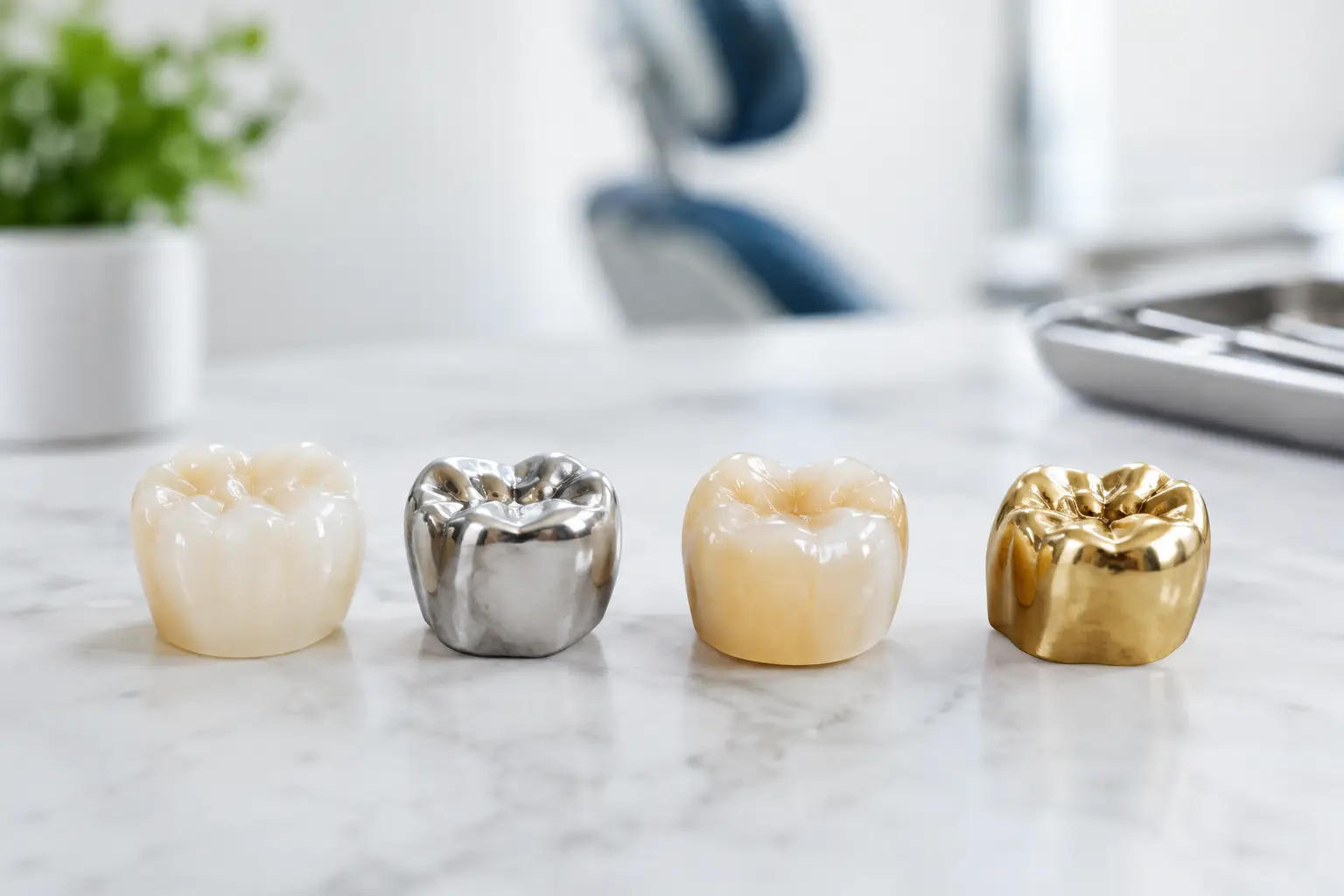
Crowns can be made from different materials, including porcelain, ceramic, metal alloys or combinations of these. The right choice depends on where the tooth sits, how much force it absorbs, the appearance required and the condition of the tooth underneath.
A back molar may need a different solution from a front tooth. Someone who grinds heavily at night may need a more durable approach than someone with a lighter bite. There is rarely a single answer that suits everyone.
This is where a calm discussion helps. Patients do best when they understand the trade-offs between strength, appearance, longevity and cost, rather than feeling pushed towards one option.
Looking after a crowned tooth
A crowned tooth still needs the same careful attention as any other tooth. Brushing twice daily, cleaning properly between the teeth and attending regular dental examinations all matter. The margin where crown meets tooth is particularly important, because plaque can collect there if cleaning is inconsistent.
If a patient clenches or grinds, a night guard may also be advised. Even a well-made crown can be damaged by repeated excessive force, especially if the underlying tooth is already vulnerable.
At an established practice such as 4 Great Stuart Street, ongoing care is part of the value of treatment. A crown is not simply fitted and forgotten. It should be reviewed over time so any issues can be dealt with early.
When to seek advice
If a tooth has cracked, has a very large filling, or feels weaker than it used to, it is worth having it assessed before it becomes painful. The same applies if a root-treated tooth has been left unrestored for some time.
The earlier a damaged tooth is examined, the more options are usually available. Sometimes a crown is the right answer. Sometimes a simpler restoration is enough. And occasionally the damage is too advanced for a crown to help. The value lies in getting clear advice based on the condition of that specific tooth.
A good crown should not feel dramatic. It should simply let a compromised tooth do its job again with less risk and more comfort. For many patients, that quiet reliability is exactly what makes treatment worthwhile.