When to Call an Emergency Dentist
Need an emergency dentist in Edinburgh? Learn what counts as urgent dental care, what to do first, and when to seek same-day treatment.
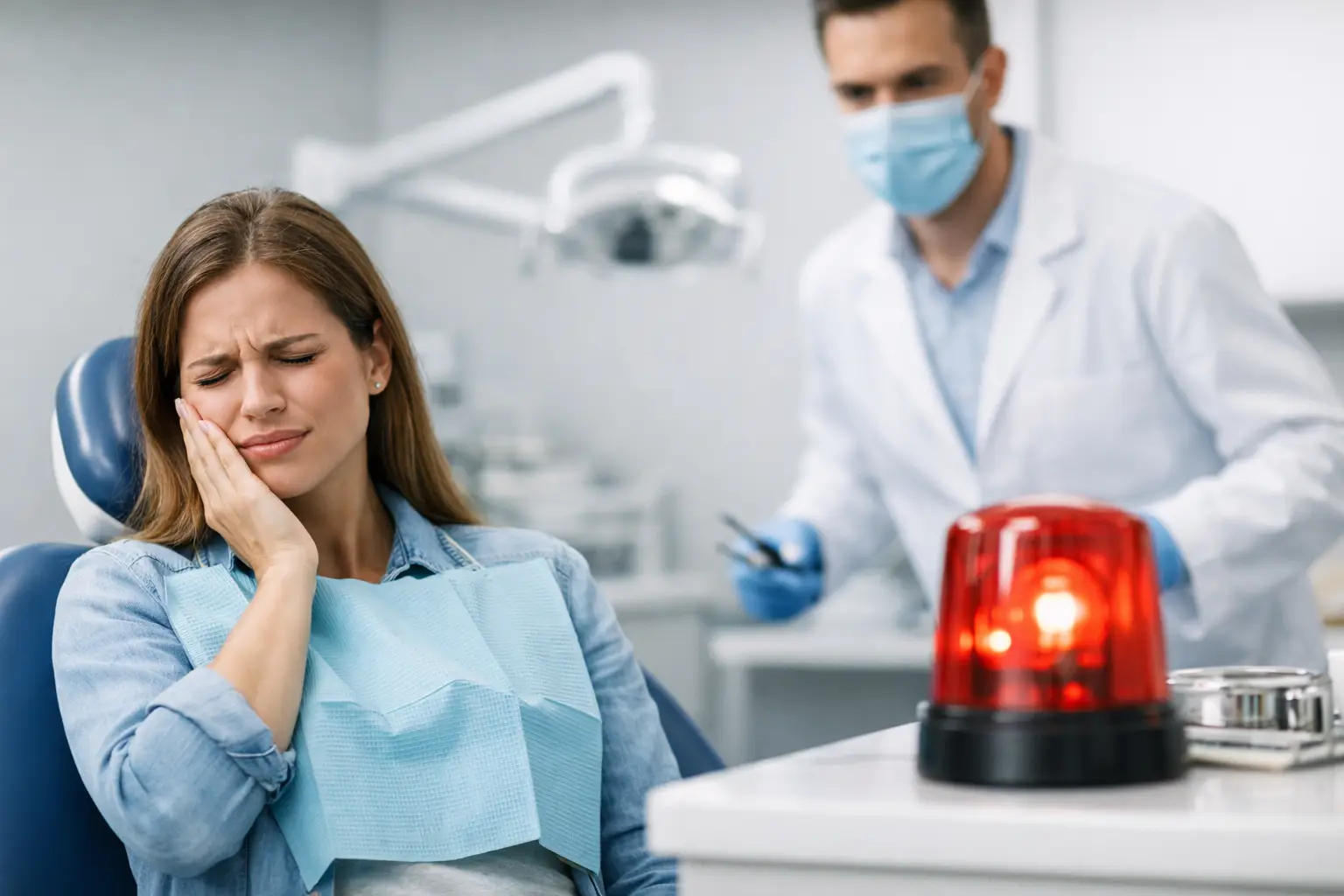
A cracked tooth at breakfast, sudden swelling before work, or pain that keeps you awake rarely happens at a convenient time. When you need an emergency dentist, the most helpful first step is knowing whether the problem can wait or whether it needs same-day attention.
Dental emergencies can feel alarming, especially if you are in pain or worried about what might happen next. In many cases, prompt treatment can ease discomfort quickly and prevent a smaller issue from becoming a more complex one. Just as importantly, a calm assessment helps you avoid unnecessary worry when the problem is uncomfortable but not truly urgent.
What counts as an emergency dentist appointment?
An emergency dentist appointment is usually appropriate when there is significant pain, swelling, bleeding, trauma, or a sudden dental problem that affects your ability to eat, sleep, speak, or function normally. The aim is not only to relieve immediate symptoms, but also to protect the tooth, surrounding tissues, and your wider health.
Common reasons to seek urgent care include severe toothache, facial swelling, a knocked-out tooth, a broken tooth causing pain, uncontrolled bleeding after dental treatment, or signs of infection such as a bad taste in the mouth with swelling and tenderness. Lost fillings, chipped teeth, and broken dentures can also feel urgent, although whether they need same-day care often depends on discomfort and risk.
There is a practical difference between urgent and inconvenient. A filling that has come out but is causing no pain may still need attention soon, but it may not require the very next appointment available. By contrast, pain that is worsening, swelling around the jaw or face, or trauma after a fall should never be ignored.
Signs you should contact an emergency dentist quickly
Pain is one of the clearest signals, but not all pain means the same thing. A brief twinge with cold drinks may point to sensitivity or an early cavity, while constant throbbing pain can suggest infection or inflammation within the tooth. If pain is preventing sleep, not improving with standard pain relief, or becoming more intense over hours rather than days, it is sensible to ask for urgent advice.
Swelling deserves particular attention. Swelling of the gum around one tooth may be caused by a localised infection, while swelling that extends into the cheek, jaw, or under the eye can become more serious. If swelling affects swallowing or breathing, that is a medical emergency and needs immediate attention.
Bleeding is another sign that should be taken seriously. Oozing after an extraction can be normal for a short period, but bleeding that does not settle with firm pressure is not something to simply wait out. Similarly, trauma from sport, a trip on the pavement, or an accident at home can damage teeth and bone even when the tooth looks only slightly chipped.
What to do before you are seen
What you do in the first hour can make a real difference. If a tooth has been knocked out, pick it up by the crown rather than the root, rinse it gently if dirty, and try to place it back in the socket if you can do so safely. If that is not possible, keep it in milk or your own saliva and seek help immediately. Time matters here.
For swelling, a cold compress on the outside of the face can help with discomfort. For a broken tooth, rinsing gently with warm salty water may keep the area clean until you are seen. If there is bleeding, apply steady pressure with clean gauze or a clean cloth.
Pain relief can help, but it is best used carefully. Take medicines exactly as directed on the packet and avoid placing aspirin directly on the gum, which can irritate the tissue. If you have a lost crown, bridge, or filling, keep any pieces and bring them with you. They may or may not be reusable, but they can still help your dentist assess the situation.
Emergency dentist or A&E?
This is where many patients feel uncertain. A dentist is the right first point of contact for most toothaches, broken teeth, lost restorations, gum swelling, and oral infections. These problems are dental in nature and are best managed in a practice equipped for examination and treatment of the teeth and gums.
A&E is appropriate if there has been major facial trauma, heavy bleeding that will not stop, or swelling that is affecting breathing or swallowing. High fever with rapidly spreading facial swelling can also require urgent medical assessment. In other words, if the problem has moved beyond the tooth and is affecting your general safety, do not wait for a routine dental pathway.
For everything else, contacting a dental practice that offers same-day emergency appointments is often the fastest and most appropriate route. An established local practice can also make ongoing care simpler if the emergency leads to further treatment such as a root canal, crown, extraction, or replacement tooth.
What happens at an emergency dentist visit?
Most patients want to know two things: will you stop the pain, and will you tell me clearly what happens next? A good emergency appointment should do both.
The first step is assessment. Your dentist will ask what happened, when the symptoms began, whether the pain is sharp, dull, throbbing, or triggered by biting, and whether there are any relevant medical conditions. An examination, and often an X-ray, helps identify whether the issue is infection, fracture, decay, gum disease, trauma, or a problem with an existing filling, crown, bridge, implant, or denture.
Treatment on the day depends on the cause. Sometimes the immediate goal is to relieve pain and stabilise the tooth, with a second appointment needed for definitive treatment. In other cases, the full problem can be managed there and then. That may involve smoothing a broken edge, replacing a lost dressing, draining an abscess, prescribing medication where clinically appropriate, carrying out an extraction, or starting root canal treatment.
There is no single script for emergency care because dentistry is rarely one-size-fits-all. A cracked tooth in one patient may be saved with a filling or crown, while in another it may be too badly damaged and need removal. The right approach depends on the extent of the damage, the health of the tooth, your symptoms, and your longer-term goals.
Why prompt treatment often saves time, stress and cost
Many people put off calling because they hope the pain will settle. Sometimes it does, but that can be misleading. A tooth that suddenly stops hurting may not be healing. In some cases, the nerve inside the tooth has died, and infection continues quietly until swelling appears.
Early treatment usually offers more options. A small fracture may be restorable if seen promptly, while a larger untreated crack can extend below the gum line and make the tooth much harder to save. A lost filling caught early may need a simple replacement. Left too long, the exposed tooth can break further or become infected.
This is also where continuity of care matters. If your emergency dentist is part of a practice focused on long-term oral health, urgent treatment can sit within a sensible wider plan rather than being treated as an isolated event. For patients in Edinburgh, that reassurance is often as valuable as the clinical care itself.
Emergency dentistry for nervous patients
Urgent dental problems can feel even harder if you already feel anxious about treatment. Pain tends to heighten worry, and many patients fear being judged for leaving a problem too long. In reality, a calm and experienced team will have seen every kind of dental emergency before. The priority is to help, not to criticise.
If you are nervous, say so when you book. That simple conversation can shape the whole appointment. A patient-centred practice will explain what is happening, move at a manageable pace, and focus first on getting you comfortable. For many people, the most reassuring emergency care is not flashy or dramatic. It is quiet, clear, and kind.
At 4 Great Stuart Street, that approach matters because trust matters. Patients who come in with an urgent problem often need more than a quick fix. They need the confidence that they are in safe, ethical hands now and in the months that follow.
When an urgent problem becomes part of a longer plan
An emergency appointment is often the beginning rather than the end. Once pain has settled and the immediate issue is under control, the next step may be restorative treatment to protect your oral health properly. That could mean a new filling, a crown for a weakened tooth, replacement of a missing tooth, or advice on preventing repeated breakages if grinding is part of the problem.
This is particularly relevant for adults balancing work, family life, and existing commitments. Convenience matters, but so does getting lasting treatment rather than a temporary patch whenever possible. A practice that provides both urgent and routine care can help you move from crisis management to stability without changing hands halfway through.
If you are ever unsure whether your symptoms warrant an emergency dentist appointment, it is usually better to ask. Prompt advice can bring peace of mind, and when treatment is needed, early action often makes the road back to comfort much simpler.