Dental Fillings and When They Need Replacing
Learn how dental fillings treat decay, what materials may suit your smile, and when an older filling should be checked by an Edinburgh dentist nearby.
A small rough patch on a tooth, sensitivity when you drink something cold, or a filling that feels different when you bite can be easy to put off. Yet these are often the moments when a straightforward appointment can prevent a more involved repair later. Dental fillings restore a tooth after decay or minor damage, helping you eat comfortably and protecting the remaining healthy structure.
For many people, the prospect of a filling brings back memories of school dentistry or concern about discomfort. Modern techniques, local anaesthetic and a calm, unhurried approach make the experience much more manageable than patients often expect. The right treatment is not simply about placing a material in a tooth. It is about assessing the cause of the problem, preserving as much natural tooth as possible and helping the repair last.
What are dental fillings for?
A filling is used when a tooth has a cavity caused by decay, a small fracture, or wear that has left an area vulnerable. Decay begins when plaque bacteria use sugars from food and drink to produce acids. Over time, those acids soften and break down the tooth surface. In its earliest stages, decay can sometimes be managed with preventive care, fluoride and changes to cleaning habits. Once there is a physical hole in the tooth, however, it cannot repair itself and usually needs restoring.
At your appointment, the dentist will examine the tooth and may take an X-ray if the area between teeth or beneath an existing filling needs a closer look. This helps establish how far decay has progressed and whether a filling is the most suitable option. A tooth with more extensive damage may be better protected by an inlay, onlay or crown. Treatment should match the amount of healthy tooth remaining, rather than automatically following a one-size-fits-all approach.
What happens during a filling appointment?
Most routine fillings are completed in one visit. If anaesthetic is needed, the area is numbed before the tooth is carefully cleaned of decay or weakened material. The dentist then shapes the space so the filling can sit securely and restore the tooth’s natural function.
Tooth-coloured composite fillings are placed in layers and set with a curing light. The final stage is particularly important: the filling is shaped and polished, then your bite is checked. A filling that is even slightly high can make the tooth feel tender when you chew, but this can normally be adjusted easily.
It is common to notice mild sensitivity for a short time after treatment, especially if the cavity was deep or close to the nerve. This should gradually settle. If pain is severe, lingers, worsens, or your bite still feels uneven after a few days, contact the practice so the tooth can be reviewed.
Which filling material is right for you?
The best material depends on the tooth, the size and position of the restoration, your bite and your preferences. Your dentist should explain the available options clearly, including any relevant NHS and private choices.
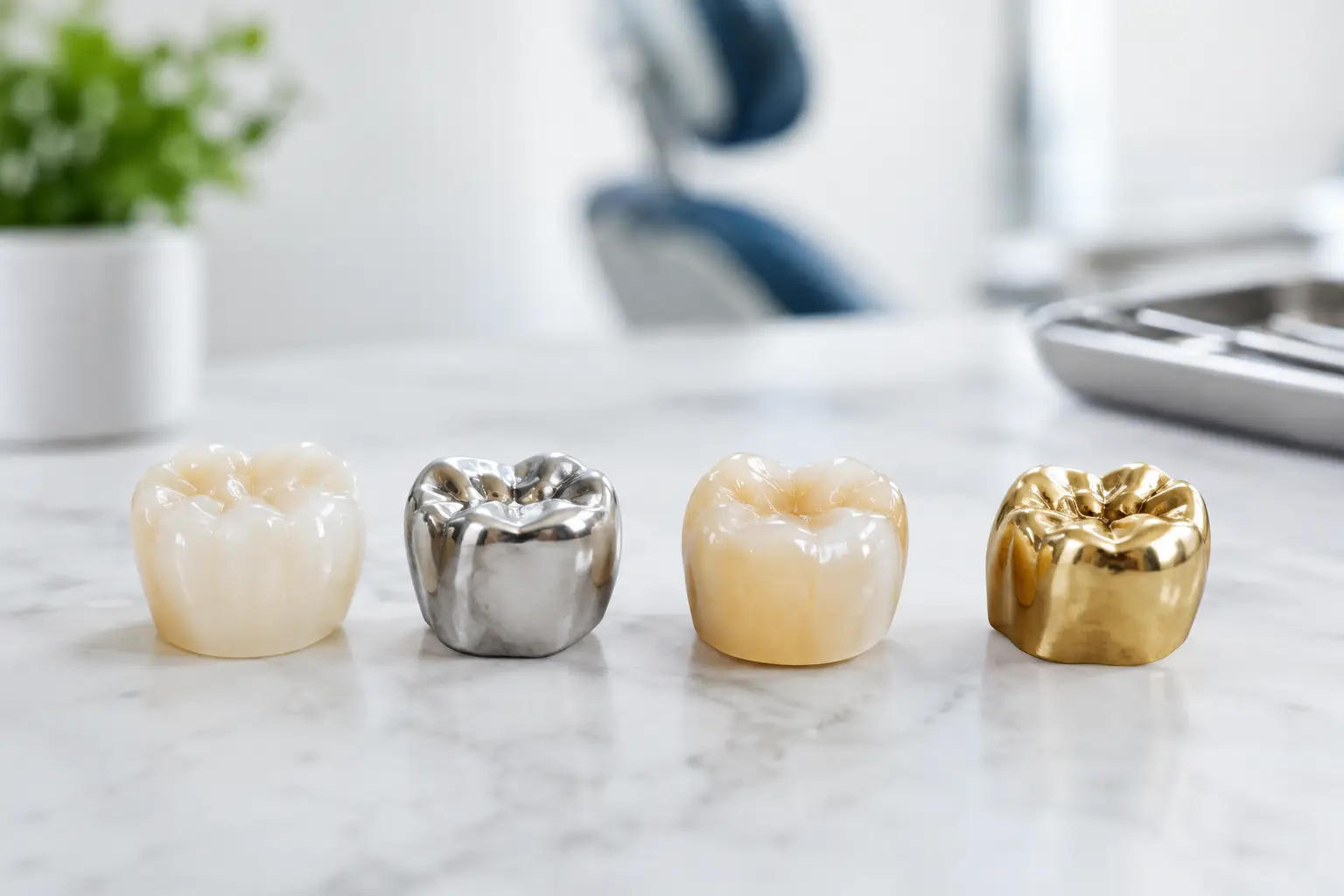
Composite, tooth-coloured fillings
Composite resin can be matched closely to the shade of your tooth, making it a popular choice for visible areas and for patients who prefer a more natural-looking result. It bonds to the tooth and can often allow a conservative approach, meaning less healthy structure may need to be removed.
Composite is highly versatile, but it is technique-sensitive and may take longer to place than some alternatives. Its longevity depends on the size of the filling, the forces placed on it and how well the tooth can be kept clean. Very large restorations on heavily used back teeth may need a different solution for the best long-term protection.
Amalgam fillings
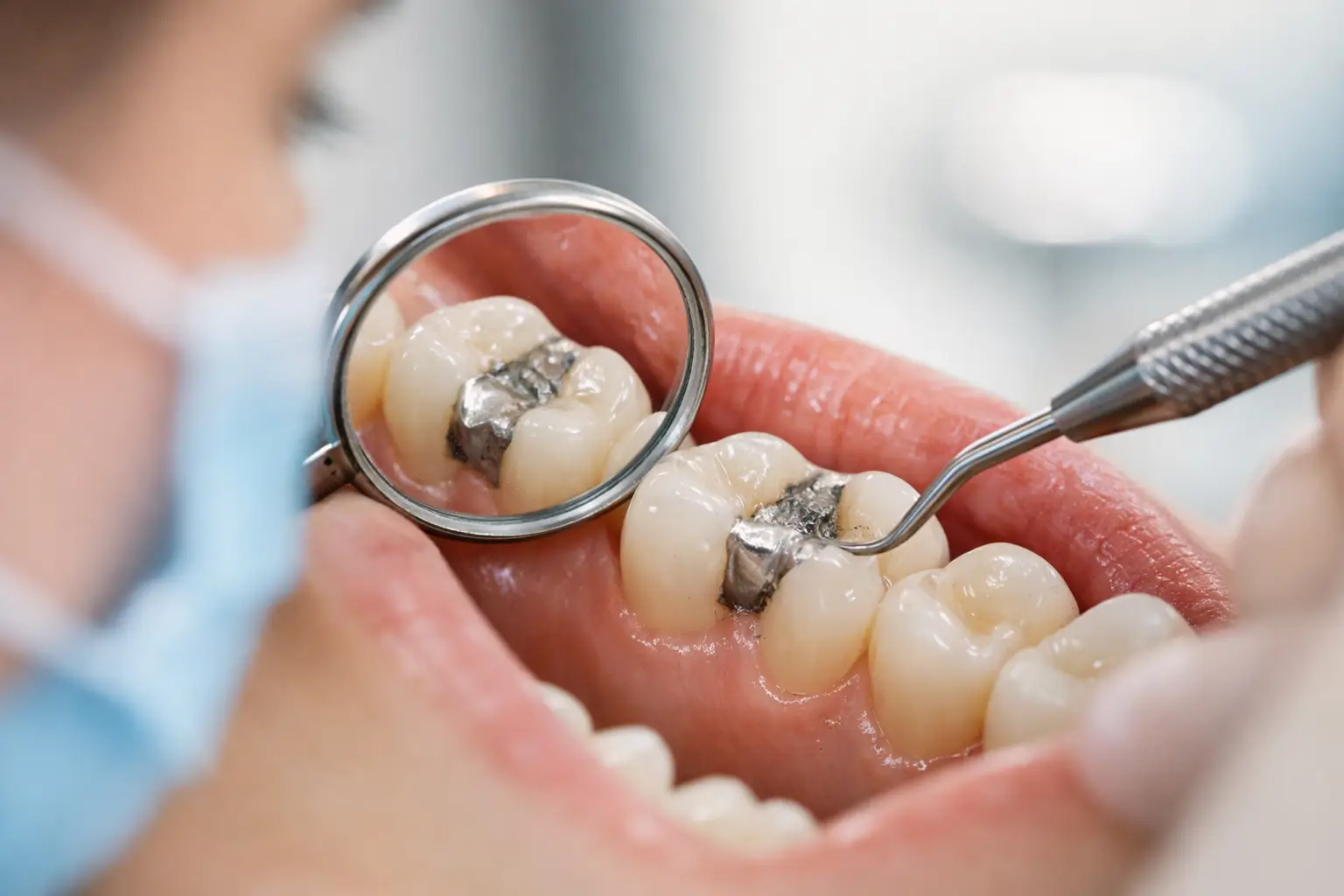
Amalgam is a durable metal filling material that has been used in dentistry for many years, particularly in back teeth. It remains an option in specific clinical circumstances, subject to current regulations and individual suitability. Because it is noticeable in the mouth, some patients prefer a tooth-coloured alternative where appropriate.
The important point is not to replace a sound filling purely because it is old or because it does not match the tooth colour. Every time a filling is replaced, a little more tooth structure can be lost. If an existing restoration is stable, comfortable and free from decay around its edges, monitoring it may be the most conservative course.
How long do fillings last?
There is no single expiry date for a filling. Small restorations in low-pressure areas can last many years, while larger fillings in back teeth may be exposed to significant chewing forces. Clenching or grinding, frequent sugary snacks and drinks, and decay developing around the edges can all shorten their lifespan.
A filling may need attention if it chips, cracks, becomes loose, changes shape, traps food, or if decay develops beneath or around it. Sometimes there are no obvious symptoms, which is why regular examinations matter. X-rays can reveal problems hidden between teeth long before they become painful.
A dentist may recommend repair rather than complete replacement when only a small section is worn or damaged. This is often a valuable conservative option, preserving more of the original restoration and tooth where clinically suitable.
Looking after a newly filled tooth
Once the anaesthetic wears off, you can usually return to normal activities. Take care not to bite your cheek, lip or tongue while the area is still numb. If the filling has been placed with composite, it is set before you leave the surgery, so you can eat when comfortable. Choosing softer food for the first few hours can be sensible if the tooth feels tender.
Long-term care is familiar but worthwhile: brush twice a day with fluoride toothpaste, clean between your teeth daily and keep sugary food and drinks to mealtimes where possible. Regular hygiene appointments can also help remove plaque and hardened deposits from areas that are difficult to reach at home.
If you grind your teeth, mention it at your check-up. A protective night guard may help reduce pressure on teeth and restorations. Similarly, a tooth that repeatedly loses a large filling may need more than another filling. A crown or other protective restoration can sometimes offer a more predictable result.
When sensitivity needs prompt attention
Sensitivity does not always mean you need a filling. It can arise from exposed roots, gum recession, tooth wear, a cracked tooth or recent whitening treatment. But sharp pain when biting, spontaneous throbbing, swelling, or sensitivity that continues long after hot or cold food has gone can point to a deeper issue.
Do not wait for a small problem to become an emergency. Early assessment may mean a simpler restoration is still possible. If you have a lost filling, keep the area clean, avoid chewing hard foods on that side and arrange a dental appointment as soon as you can. Temporary pharmacy repair kits may offer short-term protection in limited circumstances, but they are not a substitute for diagnosis and proper treatment.
A careful approach to restoring your teeth
At 4 Great Stuart Street, treatment planning begins with listening to what you have noticed and examining the tooth carefully. Whether you need a small filling, a repair to an older restoration or advice about a more extensive tooth, the aim is to provide clear options in a safe, ethical and relaxed environment.
A filling is often a modest treatment, but it can make a meaningful difference to your comfort and to the future of a tooth. If something feels different, arranging a check-up while the problem is still small is a practical way to protect your smile with the least intervention possible.